Crime Scene Cleanup
After the property is released by police, crime scene cleaning removes blood and controls odor.
See crime scene cleanupYou can call for crime scene, death, hoarding, blood, sewage and other biohazard cleanup in ZIP 60156.

The safe disposal, removal and disinfection of bodily fluids, blood, tissue and other hazardous materials after an accident, crime, death, sewage backup or hoarding situation is biohazard cleanup.
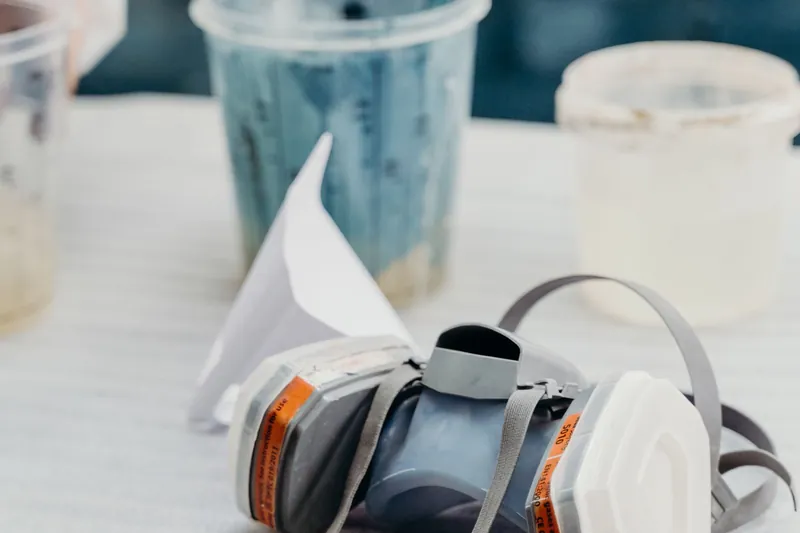
You may also hear it called trauma cleanup, bio cleanup, biohazard remediation or bio hazard cleaning. Deep cleaning alone is not professional biohazard cleanup. Technicians wear personal protective equipment, track where contamination traveled, discard porous items beyond disinfection and treat all affected areas until the property returns to a livable condition.
Containment, entry and cleanup plans can be influenced by local housing, population and access details.
Only 15.6% of homes in 60156 are renter occupied, so many cleanup decisions may rest directly with resident owners.
A median construction year of 1995 often means modern assemblies, yet fluids can still move beneath floating floors and baseboards.
The 559 older residents who live alone may rely on family or neighbors to notice when something is wrong at home.
Because 91.2% of local housing is single-family, owners often can make direct decisions about removing affected structural materials.
Pick a listed service or call when you need help finding the page suited to your situation.
After the property is released by police, crime scene cleaning removes blood and controls odor.
See crime scene cleanup
Cleanup when a death went unnoticed for days, with decomposition and odor control.
See unattended death cleanup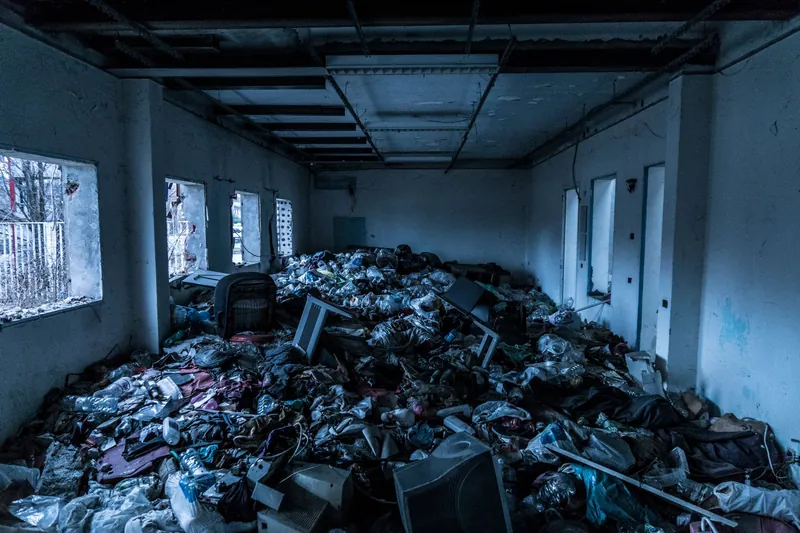
Hoarding cleanup with respectful sorting, removal and deep cleaning.
See hoarding cleanup
Carpet, solid floors, walls and furnishings receive blood cleanup that includes safe disposal.
See blood cleanup
Raw sewage cleanup treats Category 3 black water and includes both drying and disinfection.
See raw sewage cleanup
Death odor removal targets the source through ozone treatment, hydroxyl and air scrubbers.
See death odor removalEvery link leads to that service's closest location page unless only the main city page is available.
Most people only face this once. Your health, claim and final cleanup cost are protected by the first actions you take.
Call (888) 351-0904Fixr lists $3,000 to $5,000 as a typical national range for biohazard cleanup. Your price depends on the kind of job. Minor blood cleanup runs $500 to $2,500, and a sewage backup runs $2,000 to $10,000. Your actual cost is established after the on-site assessment.
Often, it does. Homeowners and renters insurance commonly covers biohazard cleanup after a sudden event such as a death, a crime or a sewage backup, minus your deductible.
In rental units and common areas, the owner or property manager usually arranges and pays for cleanup.
The Illinois Attorney General's Crime Victim Services Division lists crime scene cleanup among the costs its compensation program can help offset, so victims of violent crime can ask about it. Insurance is usually checked first.
Insurance generally covers events that are both sudden and accidental. Insurance commonly excludes neglect over time and hoarding. Check with the insurer prior to starting work.
After a death, cleanup costs can often be paid by the estate. This is generally managed by the executor or a family member.
Phone support stays available. A cleanup specialist can explain the next steps.
People can become seriously ill because biohazards are health hazards, and contamination often extends beyond the areas you can see.
Hepatitis C and B, along with HIV, can survive in blood. Hepatitis B may survive on a surface for at least seven days, according to the CDC.
Although bleach and sprays may clean on top, absorbed fluids remain in drywall, subfloor, carpet and its pad. If contaminated matter is left behind, bacteria and odor return. Decontamination services remove that matter.
Decomposition releases fluids, bacteria and gases that soak into floors and travel through vents to other rooms.
Raw sewage carries hepatitis A, E. coli and salmonella, while wet materials can grow mold within 24 to 48 hours.
You can call for emergency service at any hour, and crews come in unmarked vehicles so nearby residents and building staff are not told what occurred.
Documentation for your insurance company, landlord or state victim program includes photographs, scope details and waste records.
You and your family receive care during a difficult time, without judgment about neglect or hoarding. Keepsakes, photos and documents are set aside for you.
The process, every step of cleanup and all price factors are explained to you before anything gets removed. There is no pressure and nothing unexpected.
The biohazard cleanup process follows the same safe order for every job, from the first call to the final inspection.
You start by describing the situation. You and the technicians agree on the scope after they inspect the scene and take photos.
The affected area is sealed off with plastic sheeting so contamination does not spread to other rooms.
Porous materials that absorbed infectious materials, such as carpet, pad and drywall, are cut out and sealed as medical waste so nothing is left behind.
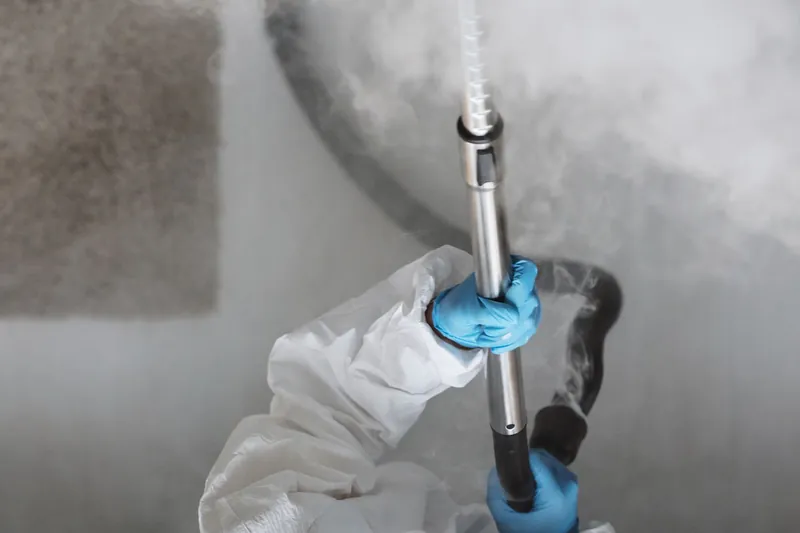
Each surface receives cleaning and an EPA-registered disinfectant made for hospital use.
Air scrubbers, ozone or hydroxyl address odor where it begins, while vents receive inspection.
Waste is sealed, tracked with paperwork and taken to a permitted facility for medical waste treatment.
The area is checked, including ATP testing where needed, so the space is back to a livable condition, and you get photos and records for your claim.
Rebuilding areas where drywall or floors were taken out can be done by your contractor or the insurer's vendor.
Crews use unmarked vehicles and keep their work as quiet as building conditions permit. A property manager may need to arrange access to shared areas.
For the rental unit or common area, the owner commonly coordinates cleanup. Ask the insurance company about the coverage included in your policy.
The initial reference is published cost ranges for the nation. The cleanup company sets the price after assessing the affected rooms, materials and disposal needs.
A crew can begin after you agree on timing and after the property is released by the medical examiner or coroner, police or another authority.
Phone calls receive an answer 24 hours a day. Your cleanup start time is based on access, release of the scene and crew availability.
Your call is answered 24 hours a day, including weekends and holidays.