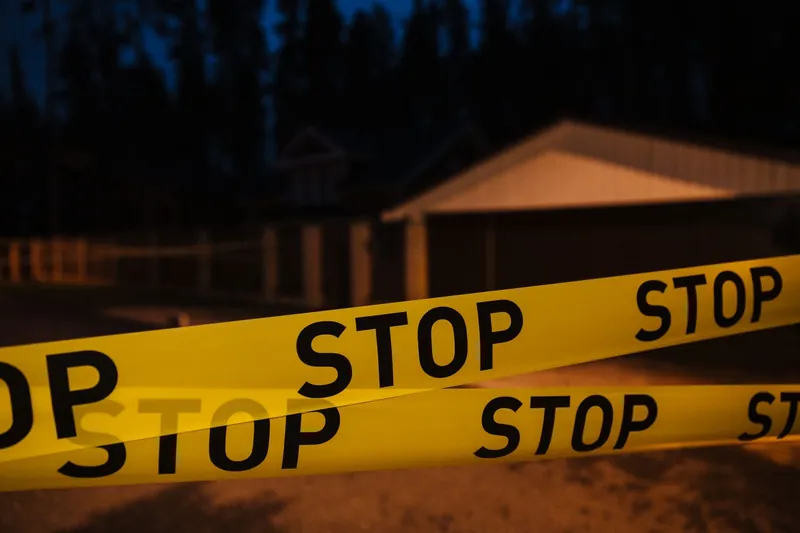
Crime Scene Cleanup
After the property is released by police, crime scene cleaning removes blood and controls odor.
See crime scene cleanupFor sewage, hoarding, death, blood, crime scene or another need in ZIP 60110, call to request biohazard cleanup.

Biohazard cleanup safely removes and disinfects blood, tissue, bodily fluids and hazardous materials, then disposes of them following crime, death, accidents, hoarding or a sewage backup.
You may also hear it called trauma cleanup, bio cleanup, biohazard remediation or bio hazard cleaning. Professional biohazard cleanup is more involved than deep cleaning. Technicians use personal protective equipment, locate every contaminated place, remove porous material that disinfection cannot save and treat affected areas until each reaches a livable condition.
Local housing, population and access details can shape containment, access and cleanup planning.
In an area with 28.6% renter occupancy, direct homeowner approval can simplify choices about opening walls or replacing affected finishes.
Because the median home dates to 1976, cleanup plans should distinguish washable surfaces from absorbent carpet, padding, and wallboard.
A 16.3% share living alone still matters because delayed discovery can increase odor movement and the amount of affected material.
A single-family share of 84.4% makes private entrances useful for discreet equipment movement during a sensitive cleanup.
If you cannot tell which page matches your circumstances, call or choose one of the services below.
After the property is released by police, crime scene cleaning removes blood and controls odor.
See crime scene cleanup
Decomposition cleanup and odor control are needed after a death goes unnoticed for several days.
See unattended death cleanup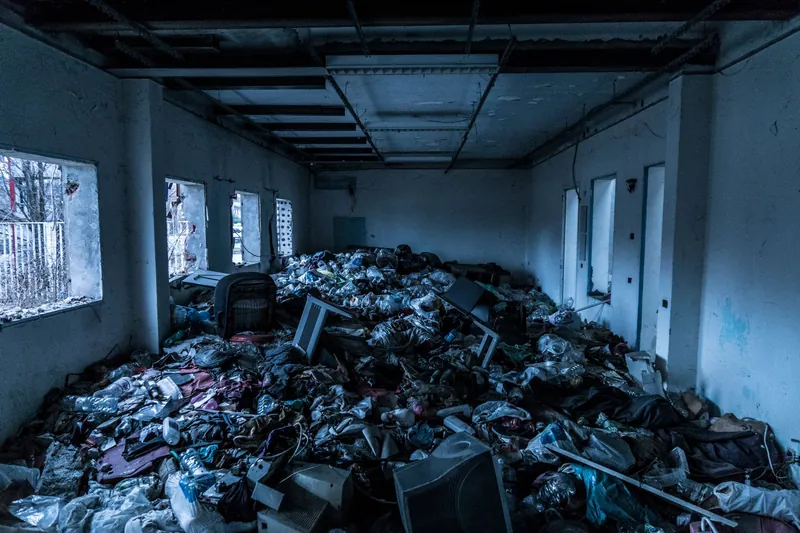
Hoarding cleanup with respectful sorting, removal and deep cleaning.
See hoarding cleanup
Carpet, solid floors, walls and furnishings receive blood cleanup that includes safe disposal.
See blood cleanup
Disinfection and drying follow sewage cleanup of Category 3 black water from raw sewage.
See raw sewage cleanup
Death odor removal at the source with air scrubbers, hydroxyl and ozone treatment.
See death odor removalSelecting a service opens its nearest location page, or the primary city page when there is no closer option.
Few people encounter this more than once. Your health, claim and final cleanup cost are protected by the first actions you take.
Call (888) 351-0904Typical national pricing for biohazard cleanup runs $3,000 to $5,000 in the Fixr guide. The type of job changes the price. Blood cleanup for minor jobs costs $500 to $2,500, while a sewage backup costs $2,000 to $10,000. An on-site assessment determines the actual price.
Frequently, yes. Many renters and homeowners policies cover biohazard cleanup after a sudden crime, death or sewage backup, with the deductible remaining your responsibility.
The estate can often cover death cleanup expenses. A family member or the estate executor normally manages this task.
The Illinois Attorney General's Crime Victim Services Division lists crime scene cleanup among the costs its compensation program can help offset, so victims of violent crime can ask about it. Insurance is usually checked first.
Owners or property managers usually pay for and organize cleanup inside rental units and shared areas.
Accidental events are commonly covered when sudden. Insurance commonly excludes neglect over time and hoarding. Speak with your insurance company before cleanup begins.
Call at any time. A cleanup specialist can walk you through the process.
People can become seriously ill because biohazards are health hazards, and contamination often extends beyond the areas you can see.
Within 24 to 48 hours, wet materials may begin growing mold. Raw sewage carries salmonella, hepatitis A and E. coli.
Hepatitis C and B, along with HIV, can survive in blood. According to the CDC, hepatitis B remains viable on surfaces for at least seven days.
Fluids, gases and bacteria from decomposition can penetrate flooring and move into other rooms through ventilation.
Bleach and sprays clean the surface but leave fluids in carpet pad, subfloor and drywall. Contamination left behind causes bacteria and odors to return, so decontamination services take out the source.
Before removal begins, you learn the cleanup plan, every step and the factors that shape the price. You face neither pressure nor surprises.
You and your family receive care during a difficult time, without judgment about neglect or hoarding. Items important to you, including photos and documents, are set apart.
Photos of the work, notes on its scope and disposal records are prepared for your landlord, insurance company or the state victim program.
Day or night, emergency service calls are answered. Crews use unmarked vehicles to protect your privacy from neighbors and property staff.
The biohazard cleanup process uses a safe, set sequence for every job, from your first phone conversation to the closing inspection.
The caller describes what occurred. You and the technicians agree on the scope after they inspect the scene and take photos.
Plastic sheeting isolates the affected area and stops contaminants from reaching additional rooms.
To keep affected material from being left behind, technicians cut out carpet, pad, drywall and other porous items that absorbed infectious materials, then seal them as medical waste.
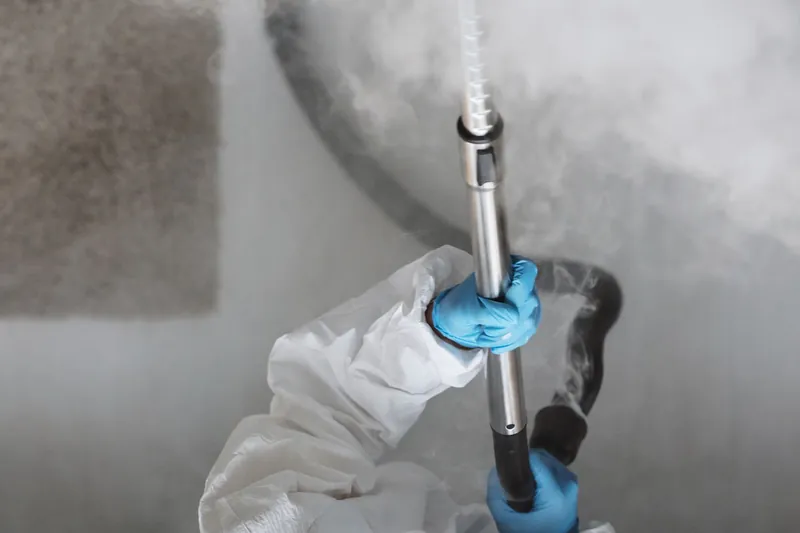
Cleaning every surface is followed by treatment with hospital-grade, EPA-registered disinfectant.
The odor source is treated using ozone, hydroxyl or air scrubbers, and the vents are also examined.
Waste is sealed, tracked with paperwork and taken to a permitted facility for medical waste treatment.
Where needed, ATP testing helps check that the space has returned to a livable condition. You also get photographs and documentation for your claim.
Your own contractor or a vendor working with your insurer can replace any removed drywall or flooring.
Crews arrive in unmarked vehicles and work as quietly as the building allows. A property manager may need to arrange access to shared areas.
Cleanup of a unit or shared space is often arranged by the owner. Check with your insurer to learn what is covered by your policy.
The initial reference is published cost ranges for the nation. An assessment of the rooms, impacted materials and disposal requirements allows the cleanup company to set the price.
A crew can begin after you agree on timing and after the property is released by the medical examiner or coroner, police or another authority.
Phone calls receive an answer 24 hours a day. Scene release, property access and the crew's schedule determine when work can actually start.
Your call is answered 24 hours a day, including weekends and holidays.