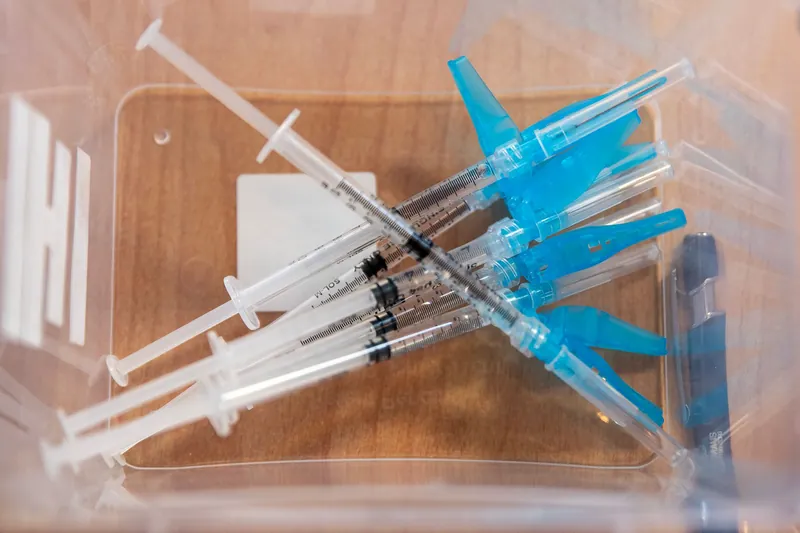
Needle and Sharps Cleanup
Needle and sharps cleanup for yards, rentals, parks and encampments.
See needle and sharps cleanupGet needles, pipes, baggies and unknown residue removed from a home, rental, workplace, vehicle or outdoor area in Lake in the Hills. Keep people and pets away, and do not touch sharps or powder.

Drug paraphernalia cleanup consists of safely collecting drug debris, then cleaning the affected space. Items may include foil, baggies, pipes, syringes and needles, along with residue or associated biological contamination.
This type of cleanup applies to vehicles, outdoor areas, workplaces, hotels, rentals, apartments and houses. After collecting visible debris, cleanup technicians search floor borders, vents, bedding, furnishings, drawers and surrounding cracks for concealed sharp objects. Needles are placed straight into a rigid container for sharps. Remaining hazardous items are packaged as required for their condition under applicable waste rules.
This service can fit loose paraphernalia and small areas of surface residue, but it does not cover meth lab cleanup. Chemical smells, marked containers, unfamiliar glassware, cylinders under pressure or other production evidence change the required response. Do not go inside or touch anything when a drug lab may be present. Before cleaning begins, follow all directions given by law enforcement or your local fire department.
Belongings are checked cautiously for hidden sharps, and items that may be kept are separated from contaminated materials whenever conditions allow.
Crews arrive in unmarked vehicles and limit attention around a home, rental, workplace or business while the affected areas are cleared.
You hear what areas will be searched, what can be cleaned, what may need removal and which cost factors apply before deciding how to move forward.
Photos, the work scope and available waste records create a clear account for property owners, managers, insurance companies and other responsible parties.
When residue or abandoned drug items may expose anyone working in, cleaning or entering the space, drug paraphernalia removal is appropriate. Common examples are:
Staff may need the guest room searched carefully, cleaned and cleared of concealed sharps before safely preparing it for future use.
Alleys, stairwells, parks, parking lots, loading areas and vacant lots may contain abandoned syringes with related waste.
Sharp items or residue in grounds, restrooms, break areas and storage rooms should not be collected by regular staff.
A search of each room and surrounding areas before repairs may uncover items hidden below furniture, around baseboards or in drawers.
Preventing contact comes first. Do not disturb the items unless you must act because of an immediate danger. Then use these steps:
Call (888) 351-0904Credible public cost material does not state a drug paraphernalia cleanup range. For context, published general biohazard cleanup guides put the typical national figure between $3,000 and $5,000 and the residential average between $1,800 and $4,500 for homes. Those guides place many residential projects in a range running from $2,500 through $8,000 according to scope, and their total published span runs from $1,500 through $25,000 overall. Actual pricing requires an assessment because a small needle pickup and residue cleanup across multiple rooms have very different scopes.
These ranges come from published national cost guides, not from a site visit. After an on-site assessment, the price for your property is determined and shared with you before cleanup begins.
Ask about cost: (888) 351-0904Coverage varies according to the insurance policy, contamination cause and who bears responsibility for the property. You should ask the insurer specifically about biohazard cleanup before concluding that coverage applies.
Save disposal documents, invoices, the cleaning scope and photographs captured from a safe location. This documentation helps describe both the findings and the completed cleanup work.
For contamination in rentals or shared spaces, the owner or manager commonly schedules cleanup before resolving tenant responsibility through local rules and the lease.
Coverage under renters and homeowners policies can vary based on the cause of the contamination. Describe the affected area when reporting the condition, then ask which records you need to submit.
Victims of violent crime can ask the Illinois Attorney General's Crime Victim Services Division whether cleanup costs can be included in a compensation claim. Insurance is usually checked first. Check directly with the program about eligibility for your particular incident and cleaning expense before expecting repayment.
The property and discovered materials shape each part of the work. The sequence starts by controlling the space, followed by careful searching, removal, cleaning of surfaces and an inspection at the end.
Cleanup technicians assess the affected areas for obvious sharps, potential residue, porous items and spaces requiring a detailed search.
Entry is restricted while protective gear is chosen for unknown residue, puncture risks and associated biological contamination.
Suitable equipment is used to collect visible needles directly into a sharps container that resists punctures, with no bending or recapping.
Rooms and surrounding areas are checked methodically, including drawers, floor edges, vents, furniture, bedding and other likely hiding places.
Cleaning methods for solid surfaces depend on the residue, and any biological contamination is addressed using an EPA-registered disinfectant for the full contact time on its label.
Porous items that cannot be cleaned fully are separated, documented and packaged so residue or sharp objects do not spread during removal.
Sharps and other hazardous waste are kept in suitable containers and directed to an authorized disposal route under the applicable rules.
The work area is checked again for missed items, cleaned surfaces are inspected and photos or records are prepared for the property owner.

Call at any time. A specialist in drug paraphernalia cleanup takes your call, walks you through the process and confirms when work can start.
Hidden items and substances with unknown contents make used syringes, contaminated material, glass fragments and unidentified residue serious health hazards.
Needles can be concealed in bedding, clothing, upholstery, bags, boxes, drains and piles of belongings. You risk injury when reaching anywhere whose bottom is not visible.
You cannot determine what a film or powder is through smell or appearance. Residue may spread from where you found it if you touch it, sweep it aside or vacuum it, creating needless exposure.
A discarded needle can puncture skin and may contain blood. The CDC says hepatitis B can survive on surfaces for at least seven days, so an old-looking item should still be treated with care.
When a small blood spill is safe to clean yourself. Never approach unidentified powder as you would normal household dust. For one discovered needle, prevent people from approaching and use local public health directions on community sharp disposal. The chance of wider contamination or a sharp puncture decreases with professional cleanup if residue, multiple items, bodily fluids or hidden sharps are found.
Items that can be collected safely are removed, cleanable hard surfaces are treated, and porous materials are evaluated based on residue, puncture hazards and whether they can be cleaned fully.

The time depends on how much material is present, how widely it is scattered and whether residue or hidden sharps require detailed cleaning. A visible group of items takes less time than a full property search with porous material removal.
| Scene | Typical time on site |
|---|---|
| A limited area containing only clearly seen items | Typically requires the least time on site |
| A single room containing residue or concealed sharps | Takes more time due to the search and cleaning work |
| Several rooms, heavy debris or porous materials | May require staged removal and more than one work period |
A smell may come from chemicals, smoke residue, bodily fluids or spoiled material, but odor by itself does not reveal the substance. Never sniff containers, lean toward the source or mask it with fragrance. If you experience irritation or dizziness, detect a harsh chemical odor or see an active reaction, leave the space and request emergency guidance.
First remove the odor source and clean every affected surface, then address air quality. Suitable particles may be captured with HEPA-filtered equipment after identification of the hazard. A household vacuum must not touch powder that has not been identified. Evidence of chemical production means the site requires the proper hazardous material assessment instead of routine biohazard remediation or odor removal.

The time depends on how much material is present, how widely it is scattered and whether residue or hidden sharps require detailed cleaning. A visible group of items takes less time than a full property search with porous material removal.
The full drug paraphernalia cleanup guide covers what is cleaned or removed, odor and air quality work, and the rules that apply in Illinois and McHenry County.
Read the full drug paraphernalia cleanup guideLocal housing, population and access details can shape containment, access and cleanup planning.
At 15.6% renter occupancy, most housing is owner occupied, which can reduce the number of parties involved in cleanup authorization.
The local median home dates to 1995, and modern ventilation can carry odor beyond the room where an incident occurred.
A 19.4% share living alone still matters because delayed discovery can increase odor movement and the amount of affected material.
A single-family share of 91.2% makes private entrances useful for discreet equipment movement during a sensitive cleanup.
You can ask about cleanup in nearby communities and ZIP codes during the call.
Needle and sharps cleanup for yards, rentals, parks and encampments.
See needle and sharps cleanup
Rooms, vehicles and exposed surfaces receive decontamination following fentanyl exposure.
See fentanyl decontamination
Residue tests, decontamination and clearance procedures are all part of meth lab cleanup.
See meth lab cleanup
Full decontamination of rooms, surfaces and air after infectious or hazardous exposure.
See biohazard decontamination
Biohazard waste pickup and disposal in sealed, labeled containers.
See biohazard waste disposal
Medical waste removal and disposal through approved treatment facilities.
See medical waste removal
Hotels, rental properties and Airbnb units receive biohazard cleanup.
See hotel, airbnb and rental biohazard cleanup
After an eviction or tenant move-out, cleanup removes fluids, waste and filth.
See eviction and tenant move-out biohazard cleanupRemain outside the controlled area until workers finish gathering sharps and residue. You may be able to remain elsewhere on the property if the affected area can be isolated and no chemical hazard is suspected. Keep animals and children away until the space is released, following any property-specific directions you receive after evaluation.
No. Limited residue, abandoned drug items and sharps fall under paraphernalia cleanup. When a meth lab is suspected, dangerous chemicals, reactive materials and airborne fumes can affect the whole structure. Leave the building and seek guidance from law enforcement or the fire department if you notice production signs, pressurized cylinders, stained tools or unusual chemical containers.
Collecting visible objects from one controlled space is quicker than inspecting every room. More work is needed when carpet or furnishings are contaminated and debris, uncertain residue or hidden sharps are present. The cleanup team needs to see the affected areas before explaining the likely schedule and whether removal can be completed in one work period.
A specific pricing range for the service is not available from any credible public source. General biohazard cleanup figures are only context and may not reflect a small sharps pickup. Your final cost depends on material volume, affected surfaces, residue conditions, search size and the waste disposal route, making an initial property assessment necessary.
Do not put loose needles, syringes or unknown residue into an ordinary trash bag. Anyone picking up the bag could be hurt if a sharp pierces through it. Local disposal guidance should be followed after sharps are secured inside an appropriate puncture-resistant container. When unknown chemicals, liquids or residue are involved, the remaining materials might need another type of containment.
How the area is treated depends on both the residue's possible identity and where it is found. Access is controlled first. The process avoids dry sweeping while collecting loose hazards, treats salvageable hard surfaces with suitable products and removes porous materials when contaminated. Never use your hands, nose or a home vacuum to test unidentified powder.
Crews offer discreet and respectful drug paraphernalia cleanup, arrive in unmarked vehicles and take calls 24 hours a day.