
Bodily Fluid Cleanup
Across care settings, commercial spaces and homes, bodily fluid cleanup includes disinfection.
See bodily fluid cleanupGet blood and bodily fluids removed from carpet, hard floors, walls, furniture or vehicles in Carpentersville. The affected area is contained, cleaned and disinfected, with unsafe porous materials packaged for disposal.

A controlled process that clears blood and bodily fluids is called blood cleanup. It also covers surface cleaning, disinfection and disposal of anything that cannot remain safely.
A visible stain does not always mark the limits of a blood spill. Fluid may pass through seams and carpet or reach furniture, grout and gaps near walls. Professional blood cleaning first maps the affected space and safeguards the area around it. Trained technicians evaluate each surface to identify hard materials suitable for disinfection and porous ones requiring removal.
You may need this form of biohazard remediation after a medical event or injury, or following a traumatic incident or accident at work. Cleaning blood differs from regular housekeeping due to the possible presence of bloodborne pathogens. The work calls for protective equipment and controlled methods from initial cleaning through waste disposal.

Personal keepsakes and items with continued use need discussion with you. Before safely separable belongings are handled like common waste, the decision should be discussed with you.
Keep photos, an item list and proof of cleaning to show insurance companies the loss, then move forward with repairs.
Calls may be taken at any hour, while technicians arrive discreetly in unmarked vehicles. Ask what steps will limit access for nearby tenants, customers and neighbors.
You should hear what will be cleaned, what may need removal and why. You should understand how the cleanup team identified the full affected area before giving approval.
Blood cleanup services may be needed if the affected area is extensive, the spill is large or fluid has absorbed far into a material. Typical situations include:
A serious incident may leave contamination across more than one surface. Professional cleanup keeps loved ones from facing a demanding task with possible safety risks.
Seat covering can let blood reach the foam, while flooring padding and slim trim openings can also hold contamination. Those layers require careful inspection and treatment.
Property owners and managers may need discreet cleaning, clear scope photos and records showing which materials were cleaned or removed.
A medical emergency at home can affect bedding, carpet, bathroom surfaces or a path through several rooms. Every affected area requires inspection.
Your first step is to keep people away from the blood and avoid spreading it. Take these actions while arranging a cleanup service:
Call (888) 351-0904Industry cost guides publish wide ranges because treating a spot on the surface is very different from cleaning a deeply absorbed spill. One source lists $300 to $4,000; another gives $500 to $5,000; a separate listing places small blood cleanup at $1,500 to $3,000. The final amount reflects the scope found on site, affected materials and resulting waste.
These ranges come from published national cost guides, not from a site visit. The price for your property is set after the on-site assessment, and you hear it before work starts.
Ask about cost: (888) 351-0904Blood cleanup may qualify for payment under homeowners, auto, renters or commercial insurance if the event is covered. The circumstances, deductible and language of your policy determine the claim.
A landlord, business owner or property manager may arrange cleanup when the event affects a rental or workplace. Who pays varies with the situation, policy and lease.
Victims of violent crime can ask the Illinois Attorney General's Crime Victim Services Division whether cleanup costs can be included in a compensation claim. Insurance is usually checked first.
Your insurance company can tell you what work records, item inventories and photos to submit. Unless affected property creates an immediate hazard, retain it until the insurance adjuster advises you, and keep all related receipts.
Notify your insurance company quickly, then confirm coverage for biohazard cleanup and removal of affected construction materials. Keep the claim number and adjuster contact.
A controlled sequence keeps unaffected rooms separated as professional cleaning moves through the treated space. Each stage reflects which materials were reached and how much blood is present.
Cleanup technicians examine the obvious mark, surrounding materials and routes where blood may have traveled. Photos and notes define the work area before cleaning begins.
The contaminated section is isolated from areas that remain clean. Wearing suitable protective gear, technicians establish a safe path to move supplies and contained waste.
Deeply absorbed blood may require removal of porous materials such as carpet underlay, upholstery cushioning, raw timber or drywall.
The surface is cleaned of obvious soil prior to disinfectant treatment. Cleaning extends beyond the middle of the mark to cover joints, borders, hardware and surrounding high-touch areas.
An EPA-registered disinfectant is applied to surfaces that can be cleaned. For the entire contact period listed on the label, the treated material must remain wet.
Discarded items are contained, marked and transported for disposal under waste requirements based on the job type and location.
The cause of an odor is identified ahead of any air treatment. During removal of contaminated material, HEPA filtration can help manage airborne particles.
After an inspection of the cleaned area, equipment and barriers are taken down safely, and you get scope documentation for your records or claim.

Phone support stays available. A specialist in blood cleanup takes your call, walks you through the process and confirms when work can start.
Pathogens can be present in blood, and liquid may extend through absorbent or layered materials far past the visible mark.
The task of cleaning after a major injury or trauma may cause distress. Trained professionals can spare you some of the burden while limiting risks to your health.
Bloodborne pathogens assessed during professional cleanup include hepatitis C, hepatitis B and HIV. According to the CDC, hepatitis B remains viable on a surface for at least seven days, which means dry blood must still be treated carefully.
Carpet underlay, raw wood, grout lines and furniture foam can absorb blood below the surface. Cleaning only the top surface may leave contaminated materials and odor underneath.
When a small blood spill is safe to clean yourself. Several drops on a sealed, intact surface may be manageable with single-use gloves. Use a disinfectant registered by the EPA for the entire contact period shown on its label. Get professional cleanup when blood reached carpet, unfinished wood, upholstery or wall cavities, when sharp objects are present, or when you cannot identify the spill boundary.
Sealed, hard surfaces are often suitable for cleaning and disinfection. If blood has soaked too deeply into a porous item for complete treatment, that material is taken out.

Several hours may be enough for cleanup of a contained surface spill. If the blood reached walls, furniture, carpet padding or several rooms, the work could require one or more days. The schedule cannot be set with confidence until the area has been inspected.
| Scene | Typical time on site |
|---|---|
| A limited spill on one nonporous area | Frequently finished within several hours once assessed |
| Blood contamination on furniture, carpeting or throughout one room | Completion may extend beyond one full workday |
| Multiple affected areas or removal of materials | Could need one or more days before separate restoration work |
Removing the source is the starting point for odor control. A fragrance will not fix blood that remains beneath furniture foam, inside wall cavities, along subfloor gaps or under carpet padding. Inspection must cover those spaces, and anything that cannot receive complete cleaning may have to be removed.
Once contaminated material has been removed and disinfection is finished, HEPA filtration can be part of the air quality work. Nearby surfaces may also need cleaning where particles have landed. More intensive odor treatments are evaluated only after source removal. Before equipment runs, you should learn how long the room needs to remain vacant, when you may use it again and what equipment is planned.

Several hours may be enough for cleanup of a contained surface spill. If the blood reached walls, furniture, carpet padding or several rooms, the work could require one or more days. The schedule cannot be set with confidence until the area has been inspected.
The full blood cleanup guide covers what is cleaned or removed, odor and air quality work, and the rules that apply in your state.
Read the full blood cleanup guideLocal population patterns, housing and site access may affect how containment and cleanup are planned.
Because renter occupancy is 28.5%, cleanup discussions often can focus on the household without a separate property manager involved.
In housing built around 1976, a moisture check can help define how far sewage or cleaning water traveled.
The 604 older residents who live alone may rely on family or neighbors to notice when something is wrong at home.
The 84.9% single-family share means odor may move through connected rooms and ventilation even without shared walls between households.
Your phone conversation can include questions about service in nearby ZIP codes and communities.
Across care settings, commercial spaces and homes, bodily fluid cleanup includes disinfection.
See bodily fluid cleanup
Cleanup removes infectious material, including blood and body fluids, and disinfects the property.
See biohazard cleanup
After police release the property, crime scene cleaning addresses blood and odor.
See crime scene cleanup
Trauma scene cleanup after accidents, injuries and violent events.
See trauma scene cleanup
Families are spared from facing the scene through discreet and considerate suicide cleanup.
See suicide cleanup
Homicide cleanup of blood, tissue and contaminated materials after investigators leave.
See homicide cleanup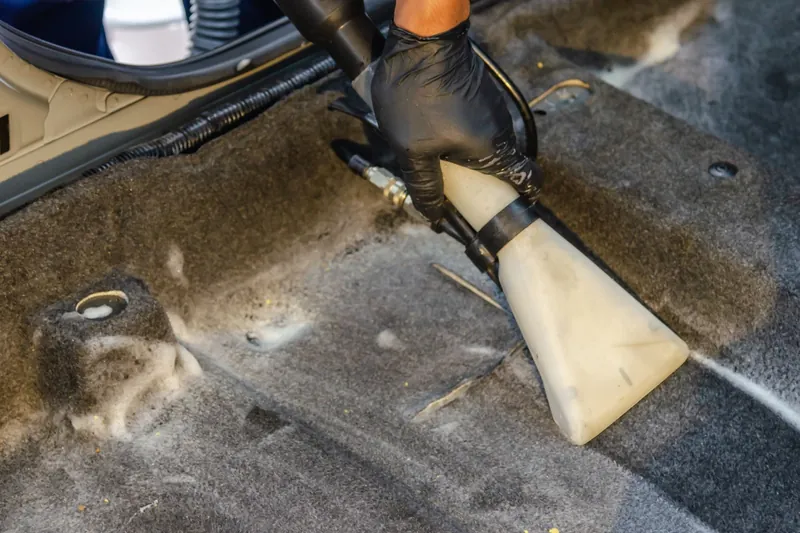
Biohazard carpet and upholstery cleaning, or safe removal when needed.
See biohazard carpet and upholstery cleaning
Medical waste removal includes disposal through facilities approved for treatment.
See medical waste removalThe scope may range from treating one nonporous surface to removing absorbent materials in several rooms, which explains the broad figures in published guides. This page cites cost-card ranges beginning at $300 and reaching $5,000. An assessment should identify the affected materials, disposal needs and work included for your specific property.
Blood is treated as potentially infectious because it can carry bloodborne pathogens. You cannot tell whether blood contains a pathogen by looking at it. Even dried blood calls for protective equipment, initial cleaning, thorough disinfection, secure packaging and proper waste disposal.
A homeowners or renters policy may cover blood cleanup when the event that caused the damage is covered. The deductible, exclusions and documentation requirements still apply. Ask the insurance company directly about biohazard remediation and preserve your claim number, images, list of affected belongings and work records.
Keep contaminated sharps, leaking items and loose materials out of common household waste. You should keep others out and allow cleanup technicians to package the material according to disposal rules in your state and community. Requirements can depend on the amount, the item, the setting and how the waste was generated.
Wear throwaway gloves, contain liquid with absorbent material and select an EPA-registered disinfectant marked for that surface and organism. Follow its label and allow the required contact time. Avoid mixing any cleaning products together. Leave the area and seek professional cleanup if blood covers a broad space, reaches porous material or is near sharp items.
Ask how the affected area will be identified, what materials may be removed, which disinfectant will be used and how label contact time is followed. Learn how waste will be contained, which documents are included, if odors require treatment and what repair tasks you must arrange afterward.
Crews offer discreet and respectful blood cleanup, arrive in unmarked vehicles and take calls 24 hours a day.