Home and Apartment Biohazard Cleanup
Sewage cleanup and cleaning after crime, hoarding, death or blood are available for condos, high-rise units, apartments and houses.
Learn moreWhen a death, a crime, hoarding or a sewage backup leaves a biohazard behind in Yorkville, a cleanup specialist can explain the next steps.
Local population patterns, housing and site access may affect how containment and cleanup are planned.
With renters in 20.2% of local homes, owner occupied properties form most of the housing context for cleanup planning.
The local median home dates to 2003, and modern ventilation can carry odor beyond the room where an incident occurred.
Even at 28.9%, seniors living alone can benefit from regular contact that shortens the time before an emergency is noticed.
Detached and single-family properties account for 86.0% locally, so exterior access and safe waste movement should be planned early.
After crimes, deaths, accidents, a sewage backup or hoarding situations, biohazard cleanup means safe removal, disinfection and disposal of tissue, blood, bodily fluids and infectious or hazardous materials.
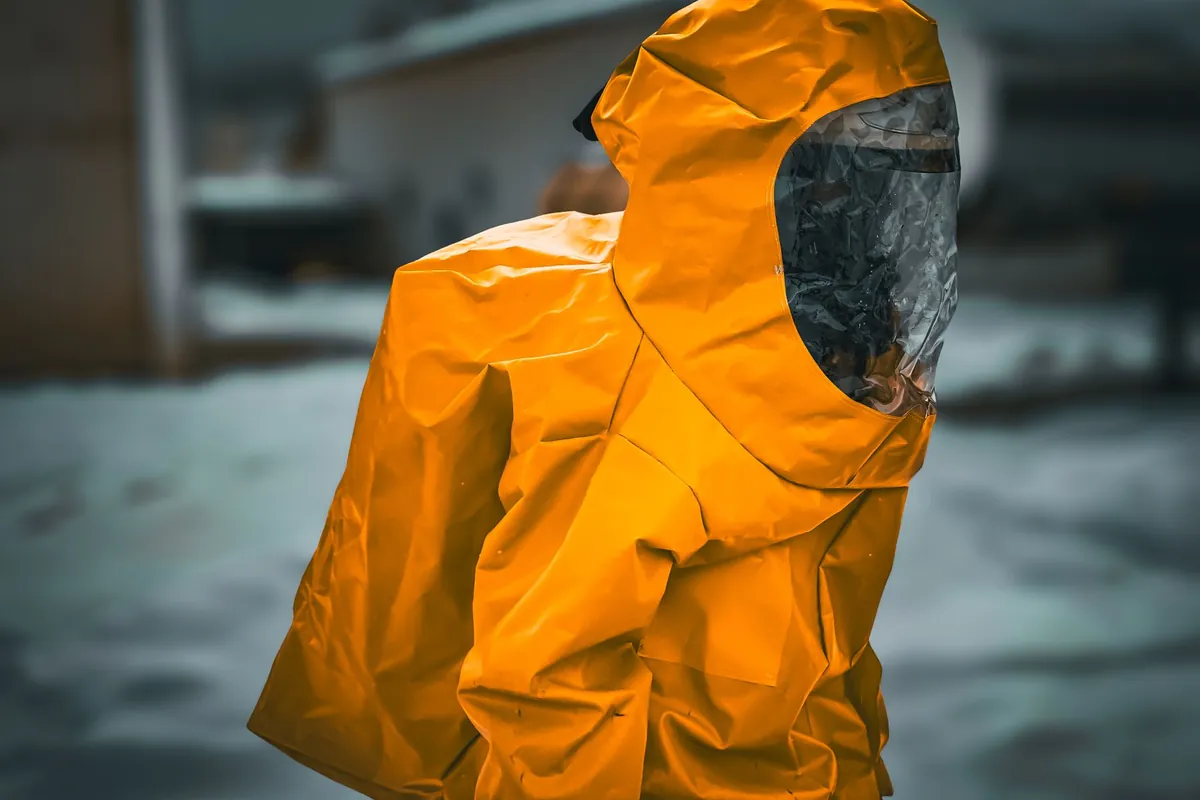
Bio cleanup, trauma cleanup, bio hazard cleaning and biohazard remediation describe the same work. Professional biohazard cleanup goes further than deep cleaning: technicians wear personal protective equipment, find every place contamination reached, remove porous materials that cannot be disinfected and treat the affected areas until they are back to a livable condition.
Biohazard removal services in Yorkville reach the surrounding areas as well, with emergency response for crime scenes and other traumatic events. Crime scene cleaning, scene cleaning after an unattended death, hazardous waste removal and fentanyl cleanup all count as specialized cleaning. Crime scene cleaners work quietly to restore safety and offer respectful, compassionate service at a hard time.
Biohazards are genuine health hazards that can cause serious illness, while visible contamination is seldom the full extent of the problem.
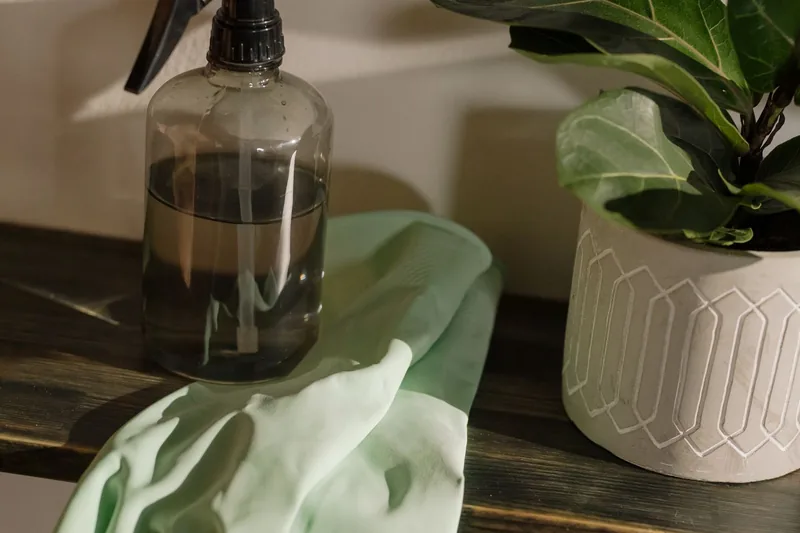
Bleach and sprays treat surfaces but do not remove fluids absorbed by carpet pad, subfloor or drywall. Odor and bacteria recur when material is left behind, which makes its removal part of decontamination services.
During decomposition, released bacteria, liquids and gases soak through floors and spread to other areas by way of vents.
Hepatitis B, hepatitis C and HIV can live in blood. According to the CDC, hepatitis B remains viable on surfaces for at least seven days.
Raw sewage carries hepatitis A, E. coli and salmonella, while wet materials can grow mold within 24 to 48 hours.
Sewage cleanup and cleaning after crime, hoarding, death or blood are available for condos, high-rise units, apartments and houses.
Learn more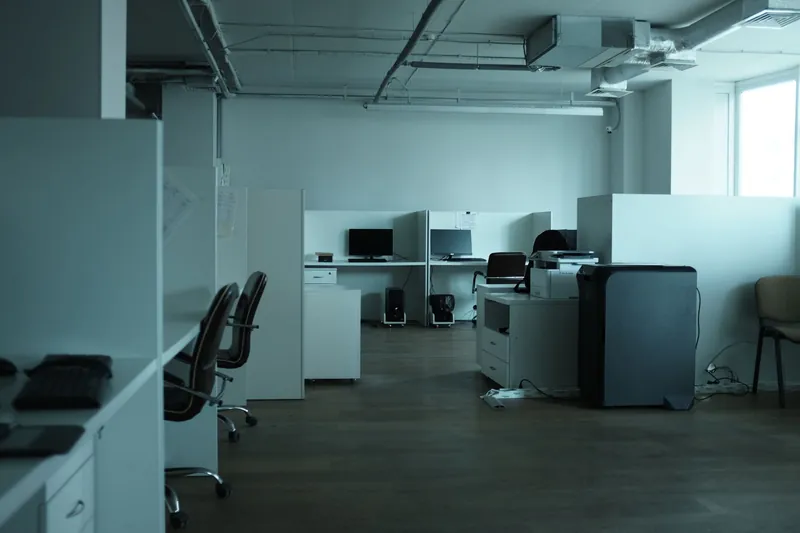
Commercial biohazard cleanup for commercial properties, after injuries, industrial accidents, break-ins or exposures, scheduled around your hours.
Learn more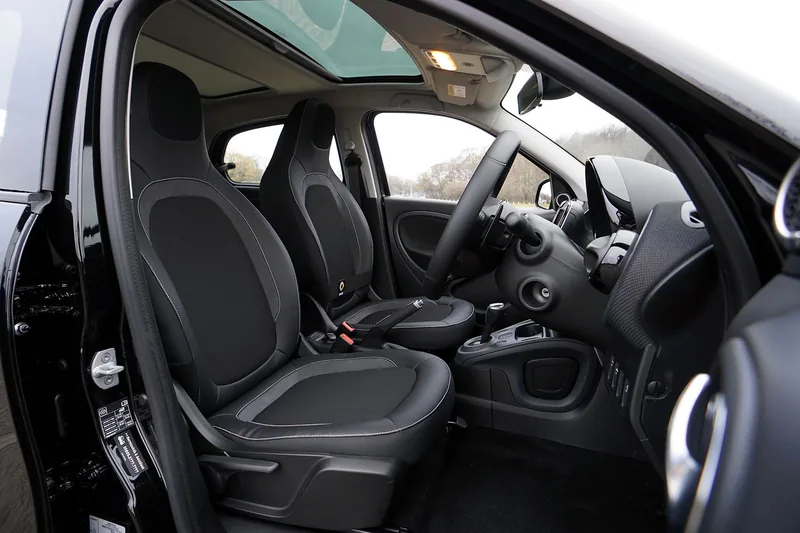
Vehicle biohazard cleanup removes blood, bodily fluids and odors from carpet, vents and seating.
Learn more
Cleanup gets a unit ready for rental use and includes records for the owner and insurer.
Learn moreFind the cleanup page suited to your circumstances. You can also call if you are not sure which service applies.

This is a one-time experience for most people. Taking these initial actions safeguards your health, insurance claim and final cleanup cost.
Call (888) 351-0904From the initial call through the last inspection, the biohazard cleanup process follows a consistent order designed for safety.
You describe the incident. Technicians examine and photograph the area, then confirm the work scope with you.
Technicians enclose the affected area in plastic so other parts of the property stay separated.
When infectious materials enter porous items such as drywall, carpet or pad, those items are cut away and contained as medical waste, with nothing left behind.
Each surface receives cleaning and an EPA-registered disinfectant made for hospital use.
Odor is treated at the source with air scrubbers, hydroxyl or ozone, and vents are checked.
Waste is sealed, tracked with paperwork and taken to a permitted facility for medical waste treatment.
A final check, with ATP testing when necessary, confirms a livable condition. You then receive records and photographs for the claim.
Removed flooring or drywall can be rebuilt by your contractor or your insurer's vendor.
Fixr lists $3,000 to $5,000 as a typical national range for biohazard cleanup. Different kinds of jobs carry different prices. Minor blood cleanup runs $500 to $2,500, and a sewage backup runs $2,000 to $10,000. Your actual cost is established after the on-site assessment.
Often, it does. Many renters and homeowners policies cover biohazard cleanup after a sudden crime, death or sewage backup, with the deductible remaining your responsibility.
Owners or property managers usually pay for and organize cleanup inside rental units and shared areas.
The Illinois Attorney General's Crime Victim Services Division lists crime scene cleanup among the costs its compensation program can help offset, so victims of violent crime can ask about it. Insurance is usually checked first.
Insurance generally covers events that are both sudden and accidental. Hoarding and long-term neglect usually are not. Speak with your insurance company before cleanup begins.
Death cleanup costs can often be covered by the estate. The responsibility usually falls to a family member or executor.
You can call anytime. A cleanup specialist can walk you through the process for your property.
Typical national pricing for biohazard cleanup runs $3,000 to $5,000 in the Fixr guide. Minor blood cleanup runs $500 to $2,500, and a sewage backup runs $2,000 to $10,000.
Sewage exposure symptoms frequently emerge within one to three days. Other infections may take longer to show. Do not make contact, and keep pets and children out.
Biohazard cleanup can remain private. Crews use unmarked vehicles, limit noise and protect details from others living nearby or working in the building.
Any biological substance capable of causing illness is a biohazard, including tissue, bodily fluids, blood, used needles, untreated sewage, human waste and animal waste.
Many renters and homeowners policies include biohazard cleanup for sudden events, less the deductible. Hoarding and slow neglect are usually not covered.
Your call is answered 24 hours a day, including weekends and holidays.