Death Cleanup
Fluids, odor and impacted belongings are addressed when a home is cleaned after a death.
See death cleanupGet blood, body fluids and affected materials removed after a death found quickly, once the room or property has been released to you. Cleaning stays focused on the affected area, with careful attention to personal belongings.
Attended death cleanup is targeted cleaning after someone dies in another person's presence or is discovered shortly after death. The service clears blood, bodily fluids and contaminated material. Affected surfaces are then cleaned and disinfected, allowing the room to return to use.
A death found quickly is different from an unattended death that remains undiscovered for days. There may be little or no decomposition, but a bed, floor, chair, bathroom or nearby belongings can still be affected. The exact scope depends on what reached each surface, not simply on the fact that a death occurred.
A funeral home, the medical examiner, law enforcement or paramedics may be involved after the death. They attend to the person and carry out their assigned responsibilities, but property cleanup does not automatically follow. A death cleaning team can begin after official release of the space. Its work can identify affected material, safeguard the surrounding area and divide belongings that can be cleaned from material that has to be removed.
An entire estate cleanout is a separate job. Biohazard cleanup services focus on contamination and odors close to the affected space. An estate cleanout sorts furniture, clothing and household contents later. During a difficult time, doing the jobs separately can prevent the loss of belongings you value.
Pictures, waste paperwork and a clearly defined scope can support your explanation of the job to an insurance company, landlord, estate contact or restoration contractor. Records can show what was left behind, cleaned or taken out.
Personal property away from contamination needs protection. Keepsakes can carry deep meaning for you and your loved ones, so anything near the work zone should be discussed with you before any irreversible decision is made.
Before starting, the right team should identify affected rooms and materials, explain cleaning or removal decisions and describe any restoration that may come afterward.
Less attention may be directed toward the property when unmarked vehicles arrive. Access can be arranged through you, a relative, an estate representative or another person you trust.
Attended death cleanup may be suitable after a person is found quickly and a biohazard such as bodily fluids or blood remains in shared housing, an apartment or a home. Although the required scope differs by situation, typical needs include:
Access may need to be coordinated by a tenant, landlord, relative or property manager. The work can stay inside the affected unit, with corridors and nearby spaces separated from the cleanup zone.
Cleaning beyond standard housekeeping may be necessary in a resident room or bathroom after bodily fluids reach porous surfaces. The first step for the site contact is confirming release of the room for cleanup.
Someone found promptly may leave no noticeable decomposition or powerful odor. Professional cleaning can still be appropriate if fluids reached fabric, unfinished wood, flooring layers or other absorbent materials.
Bodily fluids can enter grout, carpet edges, mattress seams or spaces near baseboards even when the event was recent. Someone should inspect the affected places before deciding a surface wipe is sufficient.
Protecting others from exposure comes first. Preserve the space and do not enter until an appropriate authority has released it. Use the following steps before cleanup:
Call (888) 351-0904There is no credible cost range published just for attended death cleaning. For general context, common ranges in public biohazard cleanup guides are $2,500 to $8,000; $1,800 to $4,500; and $3,000 to $5,000 for a job. They are not quotes for this service. The real scope is shaped by affected surfaces and area, removal requirements and disposal of waste. Every card below names the source.
Published national cost guides are the source for these ranges, rather than an inspection of your property. An on-site assessment determines your property's price, which is explained to you before the cleanup starts.
Ask about cost: (888) 351-0904Whether insurance applies depends on policy terms, the loss cause and required documentation. Start by confirming covered expenses with your insurer instead of assuming that a commercial, landlord, renters or home policy pays for the cleanup.
Victims of violent crime can ask the Illinois Attorney General's Crime Victim Services Division whether cleanup costs can be included in a compensation claim. Insurance is usually checked first. Because each program sets its own eligibility and covered costs, check current requirements with the program itself before deciding about finances.
Payment can depend on the lease, the affected area, the policy and local rules. The tenant, estate representative and property owner should confirm responsibility instead of relying on an assumption.
Insurance companies may ask for photos, an itemized scope, records of removed materials and waste paperwork. Keep copies of correspondence and ask about required documents when you need insurance assistance for a claim under your policy.
Report the event to the insurer and ask specifically about biohazard remediation, contaminated contents and necessary material removal. Keep a record of the claim identifier and requested adjuster paperwork.
The attended death cleanup process keeps the work limited, orderly and respectful. This remediation process follows the path of contamination from the immediate area to any material beneath it, so every step has a clear purpose throughout the entire process.
A technician confirms that the space is released, asks what is known about the event and examines affected areas and nearby surfaces. Photos can document existing conditions and support a clear work scope.
The affected area is separated from clean rooms. Cleanup technicians use the exposure present to select protective gear, such as eye protection, suitable gloves, respiratory protection and clothing.
Uncontaminated keepsakes are protected by moving them away from the work area. Items near the affected area are evaluated one at a time so sentimental property is not discarded without discussion.
If fluid has soaked into upholstery, bedding, carpet padding or raw building material, those items may be removed when thorough disinfection is impossible. Removal stops at clean, unaffected material.
Disinfection begins after all visible residue is cleared. An EPA-registered disinfectant is applied to hard surfaces, which remain wet throughout the full contact time on its product label.
Technicians examine carpet seams and edges, furniture joints, baseboards and every layer below the visible stain. Whether the area needs limited removal instead of surface cleaning depends on this step.
Contaminated waste is packaged securely for transportation as required by the relevant rules. Work photos, the cleaning scope and waste records can be retained for the property contact or insurer.
Inspectors examine the work area once disinfection and the cleaning process are complete. Throughout the entire process, the property contact learns which surfaces were cleaned, which materials were removed, whether repair or restoration services remain, and how every step was completed.

Call any hour. A specialist in attended death cleanup takes your call, walks you through the process and confirms when work can start.
A death found quickly can still leave infectious material and serious health risks in places that ordinary household cleaning does not reach. The risk depends on the fluids present, the surfaces affected and whether contamination was carried beyond the room.
Hepatitis B, hepatitis C and HIV may be present in blood. The CDC says hepatitis B can survive on surfaces for at least seven days. Do not consider dried material safe merely because the area no longer appears wet.
Applicable medical waste rules may govern packaging and disposal when building materials, padding or linens cannot be disinfected and become hazardous waste. They should not be mixed casually with household belongings.
Fluid may travel along seams, collect beneath a bed, soak into carpet padding or move through floorboard gaps. Surface-only cleaning may miss contamination hidden beneath the finished layer.
When a small blood spill is safe to clean yourself. Specialized cleanup may be unnecessary when no blood, bodily fluid, odor or porous material is affected. For a small amount on a sealed, non-porous surface, avoid contact and use an EPA-registered disinfectant exactly as its label directs. When fluid has reached absorbent material or the affected edge cannot be seen, choose a professional evaluation for safety.
The amount of material involved and depth of fluid travel determine duration. Cleaning one contained surface takes less time than a job that includes raising carpet, evaluating subfloor, sorting personal items or coordinating regulated waste disposal.
| Scene | Typical time on site |
|---|---|
| Limited hard-surface area | Shorter when contamination has clear edges and no porous material is affected |
| Bed, carpet or furniture affected | A longer process when concealed material must be exposed, checked and taken out |
| Several materials or rooms involved | More phases when the job covers personal property, structural material, odor work or repairs |
A quickly found death does not always result in a lasting odor and may leave very little. If a smell is noticeable, begin by finding and taking out the contaminated source. Adding fragrance will not clean it, while heavy deodorizer can interfere with determining if affected matter remains.
HEPA air filtration can capture particles in the air and support its quality after cleaning and source removal. When odor has spread past the direct area, nearby textiles, gaps within walls and HVAC return openings may also need technician evaluation. The real conditions inside the room should dictate air treatment. Such treatment cannot replace removing contamination, cleaning surfaces or observing correct disinfectant contact time.

For jobs with possible occupational contact with blood, the OSHA Bloodborne Pathogens Standard, 29 CFR 1910.1030, requires exposure controls, protective equipment and worker training.
Use only a disinfectant registered with the EPA for that particular purpose. For the entire contact period on the label, the cleaned surface must stay wet.
Illinois treats soaked materials from a biohazard scene as potentially infectious medical waste (PIMW). Illinois EPA rules control how it is packed, transported and treated, so it cannot go in household trash. How removed material must be packed, moved and treated depends on its waste type and the local requirements.
In Cook County, the Cook County Medical Examiner's Office investigates sudden and unexplained deaths. Cleanup starts after police or the medical examiner release the scene. You should neither go into nor disturb the space until the proper authority confirms release of the property.
The amount of material involved and depth of fluid travel determine duration. Cleaning one contained surface takes less time than a job that includes raising carpet, evaluating subfloor, sorting personal items or coordinating regulated waste disposal.
The full attended death cleanup guide covers what is cleaned or removed, odor and air quality work, and the rules that apply in Kendall County.
Read the full attended death cleanup guide
Local housing, population and access details can shape containment, access and cleanup planning.
With renters in 20.2% of local homes, owner occupied properties form most of the housing context for cleanup planning.
The local median home dates to 2003, and modern ventilation can carry odor beyond the room where an incident occurred.
Even at 28.9%, seniors living alone can benefit from regular contact that shortens the time before an emergency is noticed.
Detached and single-family properties account for 86.0% locally, so exterior access and safe waste movement should be planned early.
During your call, ask whether cleanup is available in surrounding communities and ZIP codes.
Fluids, odor and impacted belongings are addressed when a home is cleaned after a death.
See death cleanup
When a death remains undiscovered for days, cleanup addresses decomposition and controls odors.
See unattended death cleanup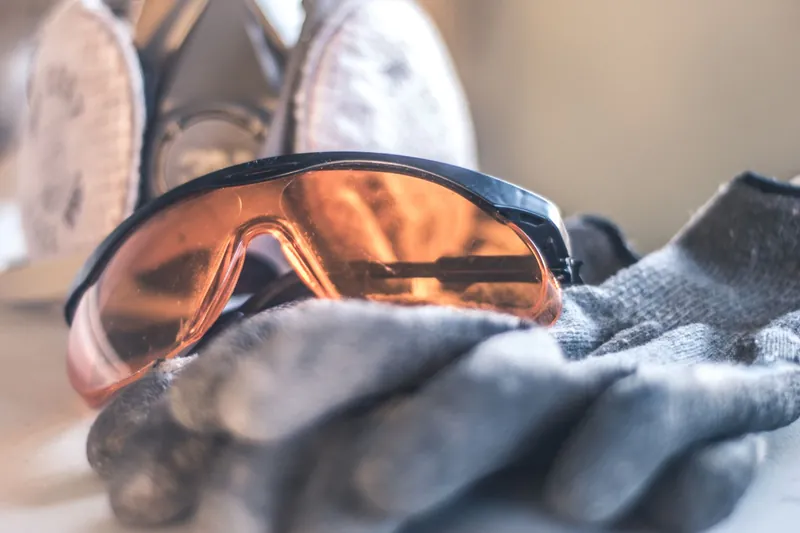
Decomposition fluids are removed from furniture, flooring and the subfloor beneath it.
See decomposition cleanup
Death odor removal at the source with air scrubbers, hydroxyl and ozone treatment.
See death odor removal
Following a death, estate cleanout includes sorting possessions and removing them safely.
See estate cleanout after a death
Blood cleanup on carpet, hard floors, walls and furniture with safe disposal.
See blood cleanup
Bodily fluid cleanup and disinfection for homes, care settings and businesses.
See bodily fluid cleanup
Accidents, injuries and violent incidents may require trauma scene cleanup.
See trauma scene cleanupTiming varies with each situation. Compared with a defined solid surface, cleanup involves more work for several absorbent layers in flooring, carpet or a bed. Regulated waste disposal can add a separate phase, as can contents sorting, later repairs and odor treatment. An on-site assessment at your property should outline the likely steps for that particular room.
Your family should not go into an unreleased space or contact bodily fluids and blood unless they have the proper protection and training. Cleaning with household methods may carry contamination into laundry, carpeting or unaffected rooms. When porous material lies within the affected area or its boundaries are uncertain, a professional biohazard evaluation can reduce exposure and missed contamination.
An attended death is witnessed or found quickly, so contamination is often more limited and decomposition may not be present. More air, flooring and contents may be affected when an unattended death is not discovered for a longer period. Both situations require an inspection based on the actual fluids and materials involved, not the label alone.
Usually these are separate scopes. Blood, bodily fluids, contaminated materials, disinfection and associated waste fall within attended death cleanup. A broader set of home furnishings and personal property is organized and taken out in an estate cleanout. Completing biohazard cleanup first can make later decisions about personal property, clothing and furniture safer and more organized.
When another person is present for the death or promptly finds the person afterward, attended death cleanup refers to the necessary biohazard cleaning. The work concentrates on bodily fluids, blood and impacted materials close to the event. It usually does not involve the widespread decomposition conditions associated with a death that remained undiscovered for days.
Emergency responders, hospice staff and funeral home personnel have separate roles and may not clean the property. Once authorities release the room, an individual with authority over the home may organize biohazard cleaning. The person arranging access could be the landlord, a relative, the property manager or an estate contact.
You can request respectful, discreet attended death cleanup 24 hours a day, and crews use unmarked vehicles.