Hoarding Cleanup
Deep cleaning, respectful sorting and removal are all part of hoarding cleanup.
See hoarding cleanupClear built-up waste, remove contaminated materials and deep clean an unsafe home with a plan that protects important belongings and explains each stage.
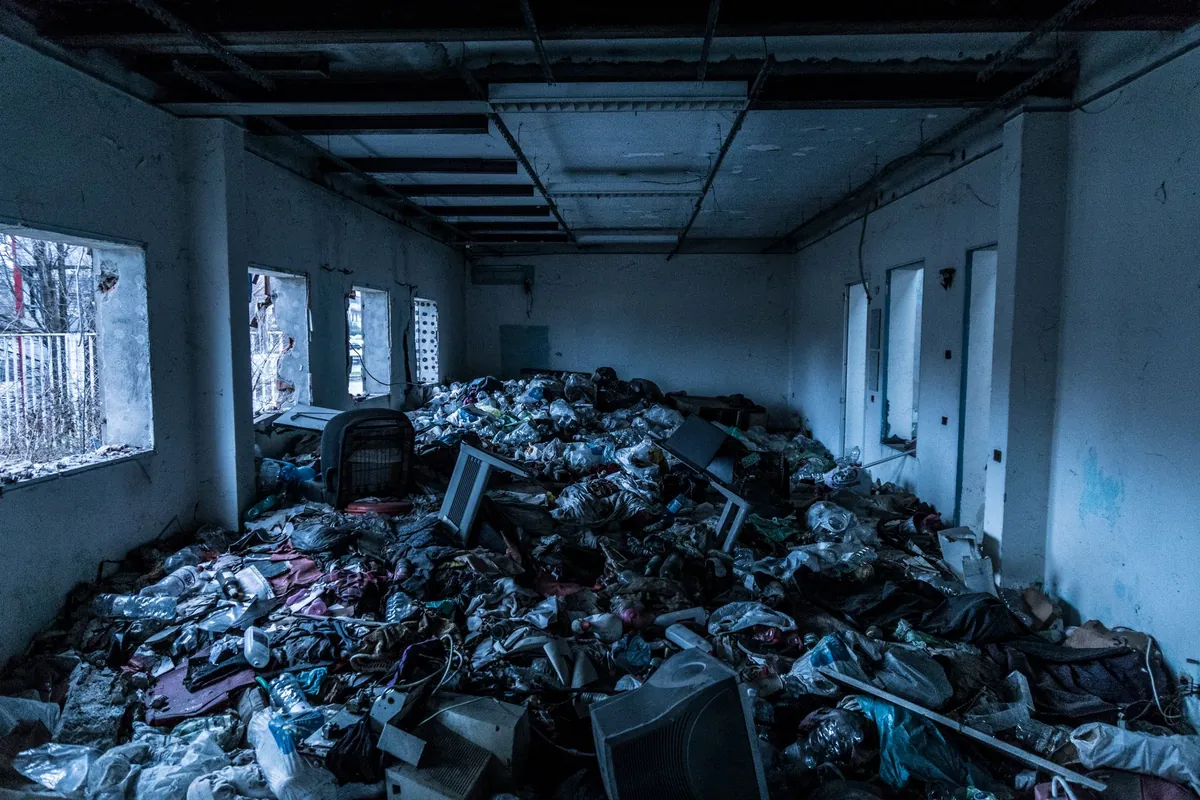
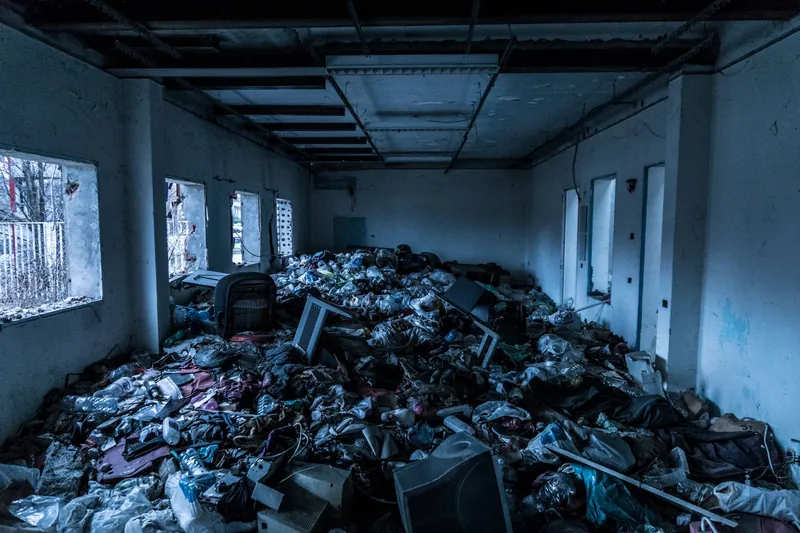
A filth and squalor cleanup clears away trash buildup, unsafe waste and spoiled material. The impacted parts of the home are then disinfected and cleaned so they can be used more safely.
Squalor describes the condition of a property, not the character of the person living there. A home may decline after illness, grief, reduced mobility, a plumbing problem, pest activity or a long period without regular cleaning. The cleanup service should focus on current conditions and practical next steps without blame.
Work can involve opening safe paths across floors, separating personal belongings, taking out household trash and discarded food, cleaning bathrooms and kitchens, and addressing stubborn odor. Discovery of blood, urine, feces, loose sharps, sewage or another contaminated material changes the approach. Biohazard remediation, protective gear, controlled zones and proper waste disposal may then be necessary.
Filth cleaning is not always the same as a full cleanout. Even homes with few belongings worth keeping may face major sanitation problems. Others need careful sorting before any surface can be reached. Your decisions about belongings, plus the affected area and materials left behind, should guide the cleaning service scope.
The plan uses separate entries for repairs, odor treatment, disinfection, content removal and deep cleaning to show what the cleanup involves.
Workers use unmarked vehicles when arriving. To limit unwanted attention, loading points and active work areas can be positioned thoughtfully.
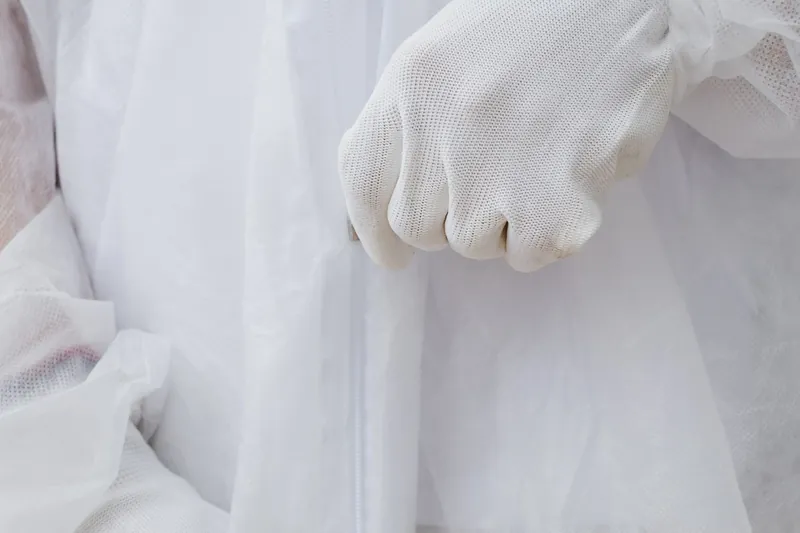
Protective gear and containment are selected for risks such as pests, spoiled material, bodily fluids and loose sharps, while the right team matches waste disposal to those hazards. Every stage should be clear in a professional cleanup plan.
You receive clear explanations without blame. Each room's condition is recorded, while cleanup choices reflect your property goals, sanitation needs and safety.
Ordinary house cleaning may not be enough to reach or safely restore every affected space. Filth cleaning services are useful in situations such as:
You may be unable to safely clean accumulated trash, food and bathroom residue after reduced mobility, a hospital stay or a health crisis.
An authorized manager, property owner or tenant may require records of affected rooms and removal of leftover waste before repairs or new occupants.
Counters, floors and appliances may become unusable or inaccessible when pests, grease, spoiled food and leaking bags accumulate.
Protective gear, material removal and focused disinfection may be needed for urine, feces or heavy residue on fixtures and nearby surfaces.
Protect everyone nearby before making choices about the home. Waste should not be moved quickly while its hazards remain uncertain. If a fire, medical emergency or safety danger is active, call law enforcement or the applicable emergency response service before any cleanup work begins.
Call (888) 351-0904Published guides put the range for biohazard-level hoarding between $2,000 and $25,000 while hoarding conditions involving biohazards range between $3,000 and $20,000 in those guides. Yelp gives human waste cleanup an average of $400 to $1,500 for comparison. These are related planning figures because squalor scope varies with buildup, material damage, pest activity, waste types and odor treatment.
The figures shown are national ranges from published cost guides and are not based on an on-site visit. The price for your property is set after the on-site assessment, and you hear it before work starts.
Ask about cost: (888) 351-0904Insurance may cover damage tied to a covered event, but routine neglect, accumulated waste and general cleaning are often treated differently. Insurance companies use your policy and the documented cause of damage to make that decision.
Payment choices, scope signatures and removal approval need confirmation from an executor or authorized representative before moving personal property.
Confirm with the insurance company if part of the damage resulted from a sudden, covered cause such as a plumbing loss. The insurer may evaluate cleanup outside that incident as a separate matter.
Confirm the cause of loss, documentation requirements, affected areas within coverage and whether the claim treats restoration, sanitation and removal separately. Organizing supporting records for your adjuster may be part of insurance assistance.
Local requirements, lease terms and property conditions can shape responsibility for payment and access arrangements. Tenant belongings should not be discarded until the person with authority confirms the plan.
The details vary by situation, but each remediation follows an organized path through safety checks, sorting, removal, thorough cleaning and the final walkthrough. This sequence stops contaminated contents from crossing into finished areas again.
Waste, pest activity, moisture, sharps, obstructed routes and items that could need removal are noted as trained technicians inspect accessible rooms and mark the affected areas.
Workers set boundaries for the cleanup and preserve a clean exit route. The hazards found determine which gloves, protective garments, eye equipment and respiratory protection are used.
Until you or an authorized person decides, workers keep documents, medication, photos, valuables and questionable property separate from garbage.
Trash, spoiled materials and approved unwanted contents are bagged or contained. Workers avoid dragging dirty bags through clean rooms or mixing sharp items into ordinary waste.
When liquids or waste soak beyond effective cleaning, removal may include carpet, padding, cabinets, drywall or subfloor.
Exposed hard surfaces are cleaned before disinfection. When an area requires disinfection, keep an EPA-registered product wet throughout the contact time listed on its label.
Odor sources are removed first. Afterward, HEPA vacuuming, focused surface cleaning and air scrubbers may lessen particles and smells left within the work zone.
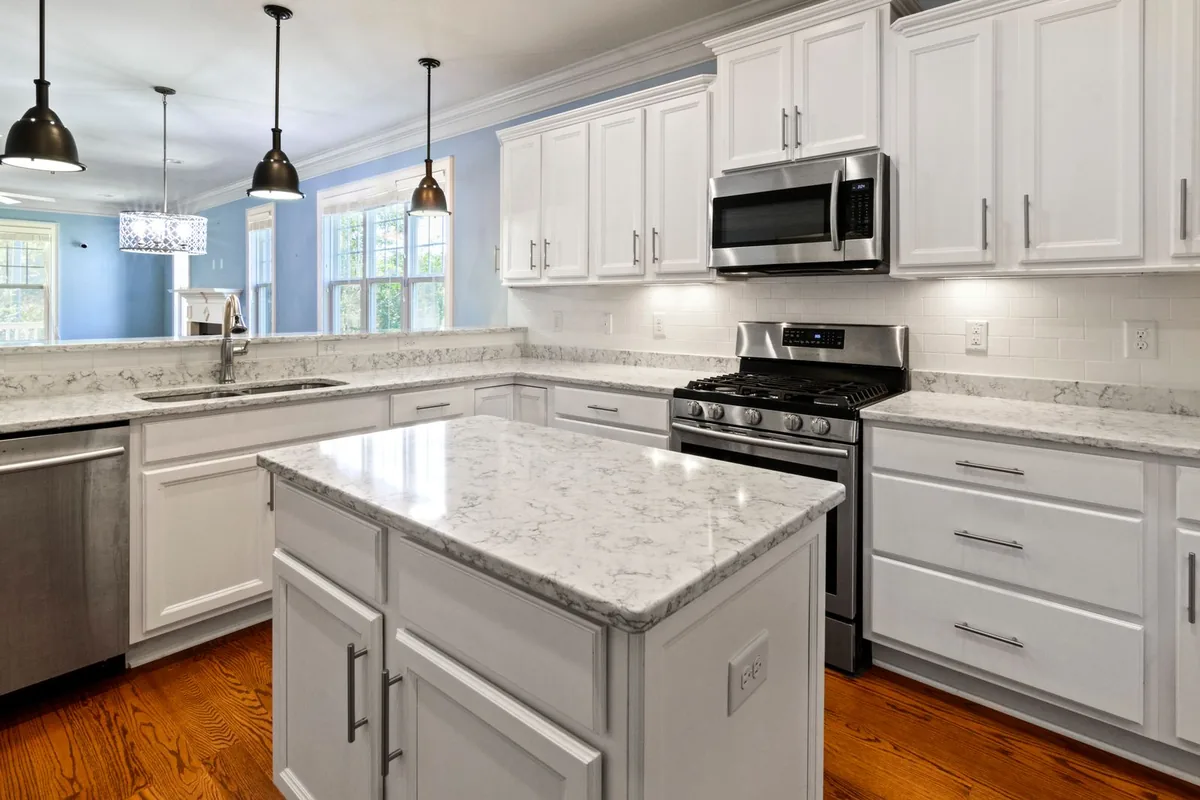
You examine empty rooms, saved property, discarded materials and any restoration services still needed for plumbing, pest control, drying or construction. To help you move forward, trained professionals explain which tasks remain.
Call any hour. A filth and squalor cleanup specialist answers, explains the steps and agrees a start time with you.
Yes. Heavy buildup can pose serious health risks if it includes moisture, waste, sharp items or unstable contents, even when its outer surface appears dry.
Hidden under clutter or inside bags, you may encounter needles, medicine, shattered glass and household chemicals that leak. Before disposal, hazardous materials must be separated and matched to the correct waste path.
A difficult living environment may be connected to illness, loss or reduced independence. Calm explanations can help residents and loved ones make clear decisions about personal property.
Rodents or insects may be drawn to uncovered trash and food spoilage. Droppings, nesting material and pest-damaged contents should be identified before piles are moved or dry debris is disturbed.
When a small blood spill is safe to clean yourself. You may clean a limited patch of normal dirt on a sound, non-porous surface by wearing gloves and following label directions. Do not continue around an unknown chemical, unstable stacks, sewage, animal waste or human waste, loose sharps, or porous surfaces that absorbed contamination.
Many hard surfaces can remain when thorough washing and disinfection can clean them. Removal may be needed for porous belongings or materials that have absorbed waste, liquids or odor.

A small affected area may take about a day, while several rooms can take multiple days. Whole-home squalor can take a week or longer when access is limited, belongings need decisions or contaminated materials must be removed.
| Scene | Typical time on site |
|---|---|
| One accessible room with limited buildup | Often about one day |
| Removal plus deep cleaning across multiple affected rooms | Often several days |
| A complete home affected by damaged contents or extensive waste | May take a week or longer |
Lasting odor control begins by dealing with its source instead of covering it with scent. Trash, spoiled food, feces, urine, wastewater, pest residue and damp carpeting produce different smells. Before treating the air, damaged contents, bags and absorbent items need cleaning or removal.
Once the sources are gone, affected surfaces receive cleaning and disinfection as needed. Air scrubbers and HEPA vacuuming can lower particles in the air. Remaining odor inside cabinets, carpet padding, subfloors or wall cavities can indicate contamination left in place, so those materials require inspection before closing the room or beginning repairs.

A small affected area may take about a day, while several rooms can take multiple days. Whole-home squalor can take a week or longer when access is limited, belongings need decisions or contaminated materials must be removed.
The full filth and squalor cleanup guide covers what is cleaned or removed, odor and air quality work, and the rules that apply in Kendall County.
Read the full filth and squalor cleanup guideLocal population patterns, housing and site access may affect how containment and cleanup are planned.
With renters in 20.2% of local homes, owner occupied properties form most of the housing context for cleanup planning.
The local median home dates to 2003, and modern ventilation can carry odor beyond the room where an incident occurred.
Even at 28.9%, seniors living alone can benefit from regular contact that shortens the time before an emergency is noticed.
Detached and single-family properties account for 86.0% locally, so exterior access and safe waste movement should be planned early.
You can ask about cleanup in nearby communities and ZIP codes during the call.
Deep cleaning, respectful sorting and removal are all part of hoarding cleanup.
See hoarding cleanup
Hoarder house cleanout clears a home room by room and includes hauling away trash.
See hoarder house cleanout
Animal hoarding cleanup addresses waste, urine-soaked materials and odors caused by ammonia.
See animal hoarding cleanup
Human feces cleanup includes disinfection in homes, public restrooms and rental properties.
See human feces cleanup
Urine cleanup and odor removal address furniture, floors and subfloors.
See urine cleanup
Blood, body fluids and other infectious materials are removed, followed by property disinfection.
See biohazard cleanup
Cleanup removes sharps and needles from parks, rental sites, yards and encampments.
See needle and sharps cleanup
Biohazard cleanup addresses Airbnb accommodations, hotels and other rental units.
See hotel, airbnb and rental biohazard cleanupYour first steps are to keep pets and people outside the impacted rooms and protect a safe exit route. Leave unknown containers closed, keep bags uncompressed and do not sweep dry debris. List medication, documents and valuables that need protection. Then identify waste, pests, moisture, sharps and unstable areas before sorting or removal begins.
Certainly. Hard, non-porous belongings may be cleaned when they are sound and accessible. You can decide about documents, photos, medication and valuables after workers place them in a separate area. When feces, urine, wastewater or a different contaminant penetrates porous belongings, removal may be necessary. You deserve to know why removal is necessary before a belonging is discarded.
Cleaning a home with unsafe sanitary conditions and removing accumulated waste are the central parts of filth and squalor cleanup. Personal property may be sorted, spoiled contents removed, solid surfaces cleaned, affected areas disinfected, odors treated and porous materials taken out when they cannot be safely cleaned.
Your policy terms and the cause of damage determine whether coverage applies. General cleaning or long-term accumulation may be treated differently from damage caused by a covered sudden event. Ask the insurance company which cause applies, what records are required and whether repairs, sanitation and removal are evaluated separately.
Squalor refers to unsanitary property conditions. Hoarding concerns trouble parting with property and does not always involve serious filth. Some homes are clean despite crowding, while others hold few furnishings yet remain unsafe from residue and waste. The cleaning scope should be based on the conditions present, not a label.
One accessible room with limited buildup may take about a day. Expect several days for multiple rooms and possibly a week or longer when conditions extend heavily throughout the home. Blocked routes, pests, contaminated porous items, odor sources, plumbing concerns, repairs and time spent sorting can extend the cleaning process.
You can request respectful, discreet filth and squalor cleanup 24 hours a day, and crews use unmarked vehicles.