Crime Scene Cleanup
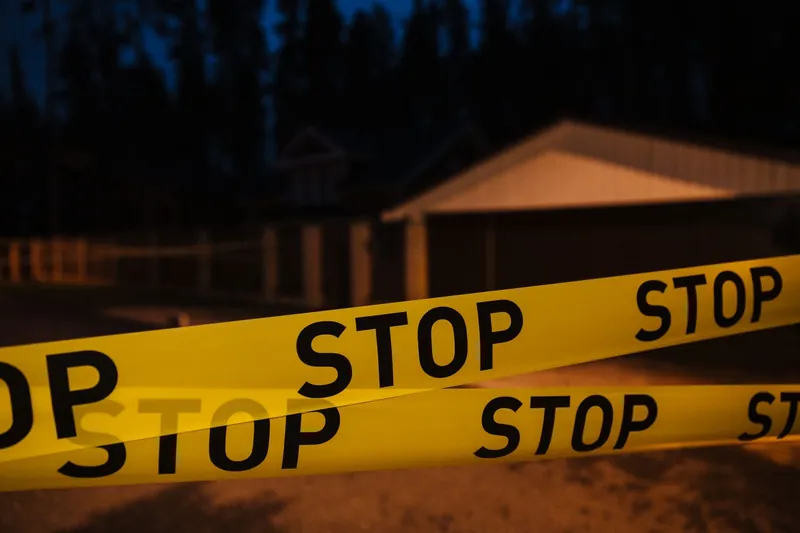
After the property is released by police, crime scene cleaning removes blood and controls odor.
See crime scene cleanupBiohazard cleanup is available by phone in ZIP 60607 for blood, crime scene, sewage, hoarding, death and other situations.

The safe disposal, removal and disinfection of bodily fluids, blood, tissue and other hazardous materials after an accident, crime, death, sewage backup or hoarding situation is biohazard cleanup.
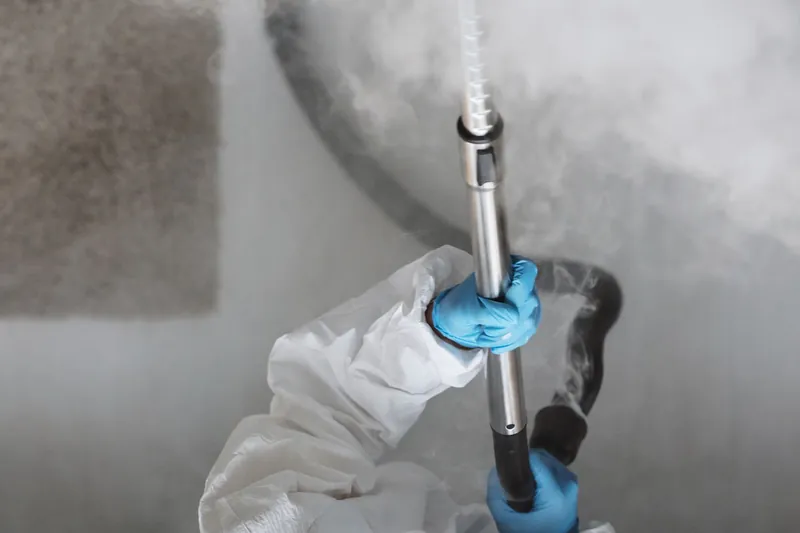
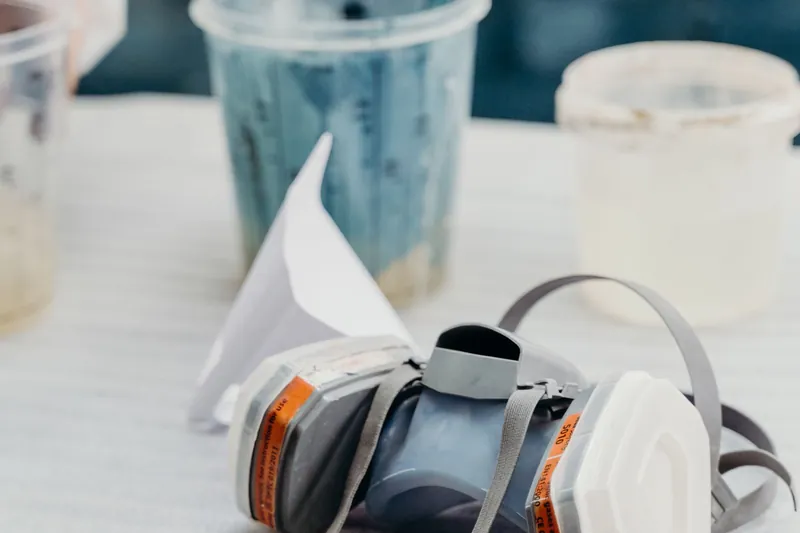
It is also called bio hazard cleaning, biohazard remediation, trauma cleanup or bio cleanup. Professional biohazard cleanup is more involved than deep cleaning. Technicians use personal protective equipment, locate every contaminated place, remove porous material that disinfection cannot save and treat affected areas until each reaches a livable condition.
Local population patterns, housing and site access may affect how containment and cleanup are planned.
At 58.7% renter occupancy, access rules and communication with building management can shape how quickly a contaminated area is isolated.
A median construction year of 2003 often means modern assemblies, yet fluids can still move beneath floating floors and baseboards.
When 36.1% of seniors live alone, clear item documentation can help an absent relative make careful decisions about belongings.
Only 6.9% of housing in 60607 is single-family, so many cleanup settings may include shared walls, halls, or ventilation.
Choose a service below or call if you are not sure which page fits your situation.
After the property is released by police, crime scene cleaning removes blood and controls odor.
See crime scene cleanup
When a death remains undiscovered for days, cleanup addresses decomposition and controls odors.
See unattended death cleanup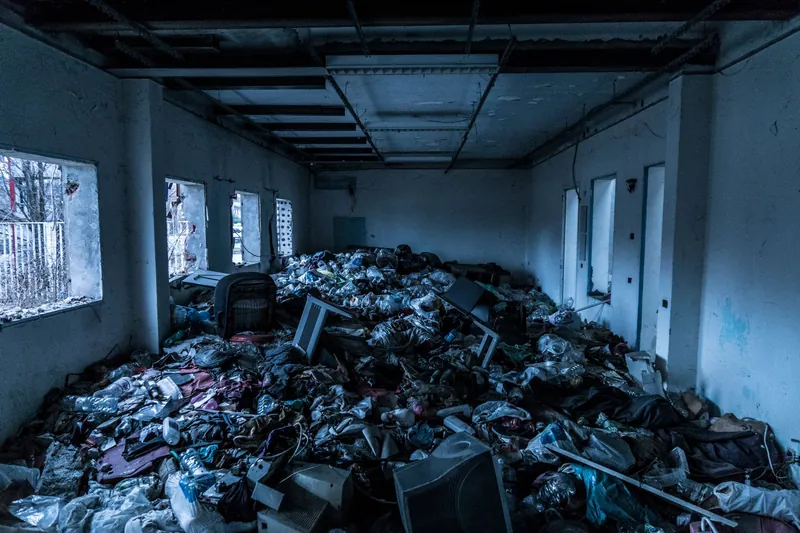
Hoarding cleanup with respectful sorting, removal and deep cleaning.
See hoarding cleanup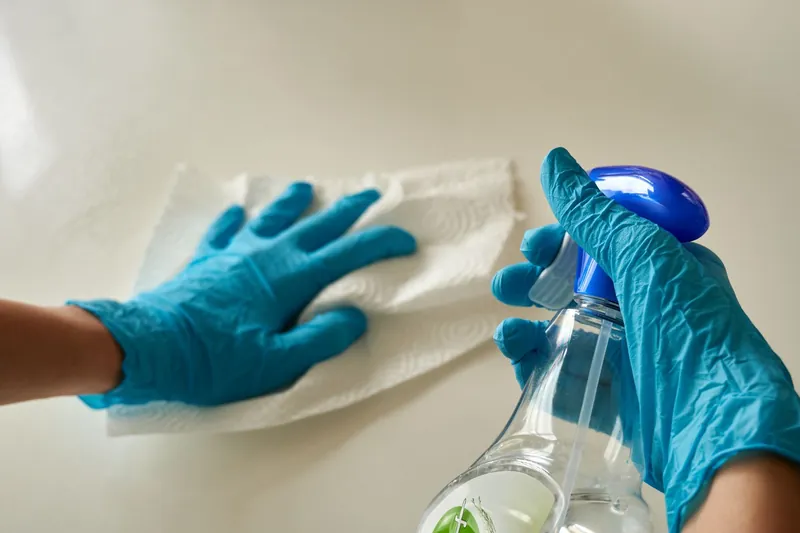
Blood cleanup clears blood from furniture, walls, hard floors and carpet, followed by safe disposal.
See blood cleanup
Raw sewage cleanup treats Category 3 black water and includes both drying and disinfection.
See raw sewage cleanup
At the source, death odor removal uses air scrubbers plus hydroxyl and ozone treatment.
See death odor removalEvery link leads to that service's closest location page unless only the main city page is available.
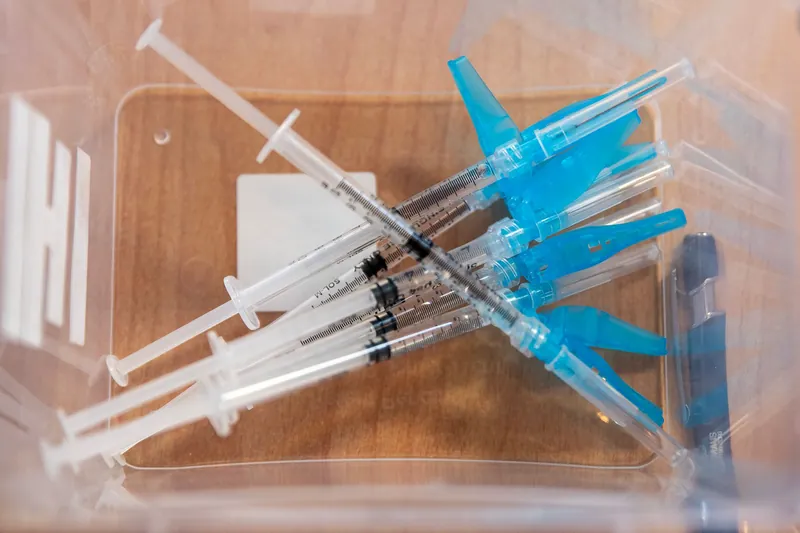
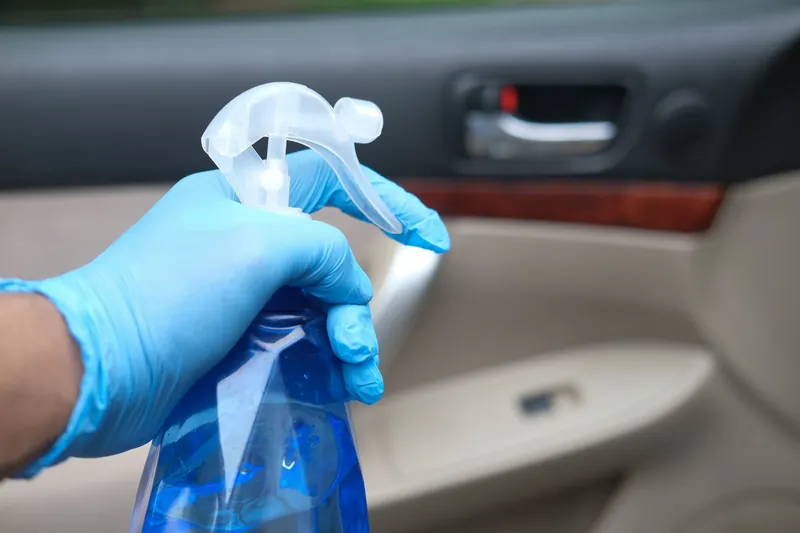
This is a one-time experience for most people. Following the right opening steps helps protect your health while preserving your claim and cleanup cost.
Call (888) 351-0904Typical national pricing for biohazard cleanup runs $3,000 to $5,000 in the Fixr guide. The price moves with the type of job. Blood cleanup for minor jobs costs $500 to $2,500, while a sewage backup costs $2,000 to $10,000. The final price follows an on-site assessment.
Yes, often. Homeowners and renters insurance commonly covers biohazard cleanup after a sudden event such as a death, a crime or a sewage backup, minus your deductible.
The estate can often cover death cleanup expenses. The executor or a family member usually takes care of this.
The Illinois Attorney General's Crime Victim Services Division lists crime scene cleanup among the costs its compensation program can help offset, so victims of violent crime can ask about it. Insurance is usually checked first.
In rental units and common areas, the owner or property manager usually arranges and pays for cleanup.
Coverage usually applies to sudden, accidental events. Hoarding and long-term neglect usually are not. Contact your insurer ahead of any cleanup.
Phone support stays available. A cleanup specialist can walk you through the process.
The health hazards from biohazards are real. What is visible usually represents only part of the contamination.
Bleach and sprays treat surfaces but do not remove fluids absorbed by carpet pad, subfloor or drywall. If contaminated matter is left behind, bacteria and odor return. Decontamination services remove that matter.
During decomposition, released bacteria, liquids and gases soak through floors and spread to other areas by way of vents.
HIV, hepatitis B and hepatitis C can live in blood. According to the CDC, hepatitis B remains viable on surfaces for at least seven days.
Hepatitis A, salmonella and E. coli travel in raw sewage, while materials left wet may develop mold in 24 to 48 hours.
Emergency service calls are answered day and night, and crews arrive in unmarked vehicles so neighbors and building staff do not know what happened.
Your insurance company, property owner or state victim program can receive the photos, waste paperwork and notes describing the scope.
You receive an explanation of the cleanup plan, every step involved and what can change the price ahead of any removal. There is no pressure and nothing unexpected.
There is no judgment around neglect or hoarding, only consideration for your family during a difficult time. Keepsakes, photos and documents are set aside for you.
The biohazard cleanup process follows the same safe order for every job, from the first call to the final inspection.
The caller describes what occurred. Technicians inspect the scene, photograph it and agree the scope with you.
To prevent contamination from moving elsewhere, the affected area is closed off using plastic sheeting.
After infectious materials soak into carpet, pad, drywall or similar porous items, the affected pieces are removed and sealed for medical waste, so no affected material is left behind.
Each surface receives cleaning and an EPA-registered disinfectant made for hospital use.
Treatment reaches the source of odors with hydroxyl, air scrubbers or ozone, followed by a check of the vents.
Tracking paperwork follows sealed waste to a permitted facility where medical waste is treated.
The area is checked, including ATP testing where needed, so the space is back to a livable condition, and you get photos and records for your claim.
Rebuilding areas where drywall or floors were taken out can be done by your contractor or the insurer's vendor.
Crews use unmarked vehicles and keep their work as quiet as building conditions permit. Access to common spaces may have to be coordinated by the property manager.
Cleanup of a unit or shared space is often arranged by the owner. Your insurer can tell you which costs your policy may cover.
Published national ranges are a starting point. Your price is determined by the cleanup company once affected materials, rooms and disposal needs have been assessed.
Once an authority releases the property, whether police, the medical examiner, coroner or another official, you can agree on a cleanup start time with the crew.
Someone answers calls 24 hours a day. Your cleanup start time is based on access, release of the scene and crew availability.
Someone answers your call 24 hours a day, on weekends and holidays too.