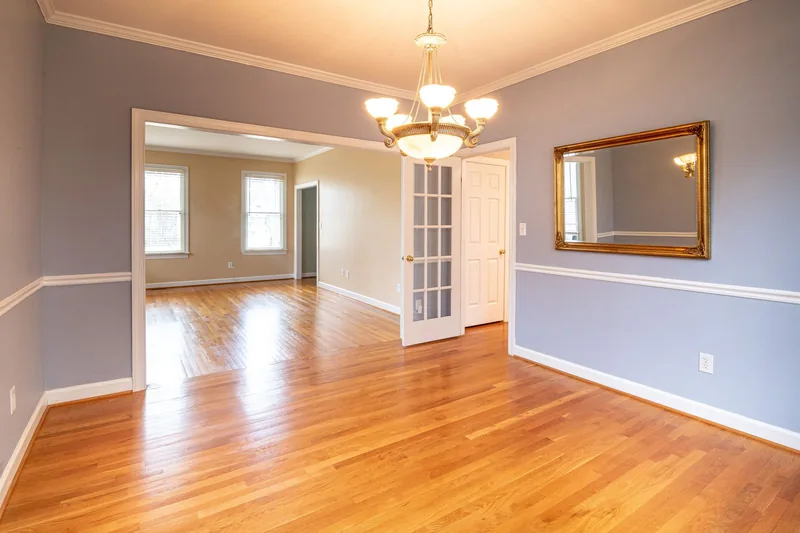
Residential Biohazard Cleanup for Houses and Apartments
Death, crime, hoarding, blood and sewage cleanup in houses, condos, apartments and high-rise units.
Learn moreGet blood, bodily fluids, odor and contaminated materials removed safely from any property in West Loop, day or night.

Planning for access, containment and cleanup can depend on local population, housing and entry conditions.
The approximately 1.8 mile trip to John H Stroger Jr Hospital matters when an injury must be assessed before anyone returns to the affected space.
Directions that mention Fulton Market District, Greektown or West Loop Gate can describe the general area, but crews still need the exact street address and entrance.
A cleanup plan for this neighborhood should account for adjacent homes or units when setting odor control and containment boundaries.
Biohazard cleanup is the safe removal, disinfection and disposal of blood, bodily fluids, tissue and other infectious or hazardous materials after a death, a crime, an accident, a hoarding situation or a sewage backup.
Bio cleanup, trauma cleanup, bio hazard cleaning and biohazard remediation describe the same work. Professional biohazard cleanup is more involved than deep cleaning. Technicians use personal protective equipment, locate every contaminated place, remove porous material that disinfection cannot save and treat affected areas until each reaches a livable condition.
After traumatic events in West Loop, crime scene cleaning and other specialized cleaning can begin as soon as the property is released. Biohazard removal services across the surrounding areas include scene cleaning, hazardous waste disposal and fentanyl cleanup, with emergency response at any hour. Crime scene cleaners aim to restore safety while giving families respectful, compassionate service.
Emergency service calls are answered day and night, and crews arrive in unmarked vehicles so neighbors and building staff do not know what happened.
Hoarding and neglect are met without judgment, with respect for you and your loved ones through a difficult time. Keepsakes, photos and documents are set aside for you.
Photos, scope notes and waste records are ready for your insurance company, landlord or the state victim program.
You receive an explanation of the cleanup plan, every step involved and what can change the price ahead of any removal. There is no pressure and nothing unexpected.
Death, crime, hoarding, blood and sewage cleanup in houses, condos, apartments and high-rise units.
Learn more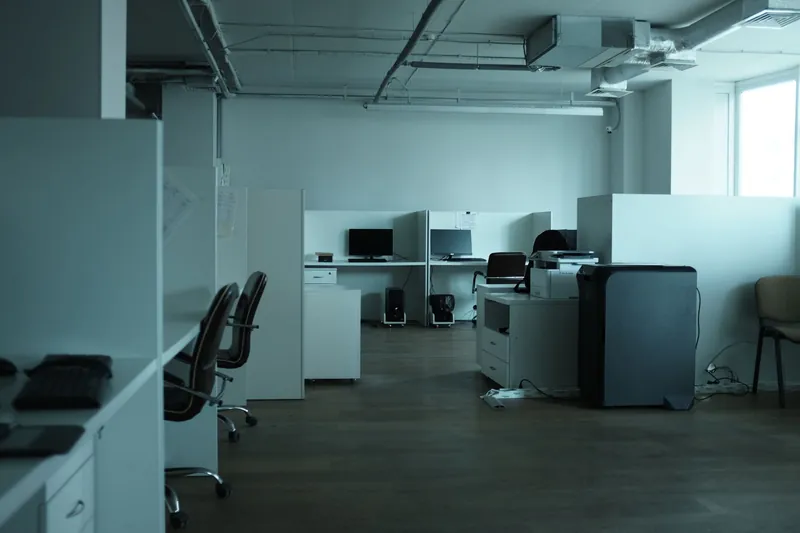
Commercial properties can arrange commercial biohazard cleanup around your operating hours following industrial accidents, exposures, injuries or break-ins.
Learn more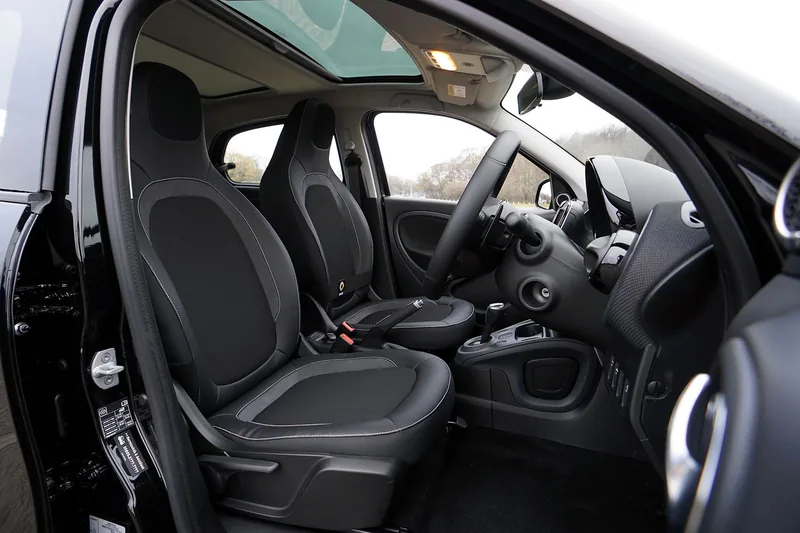
Vehicle biohazard cleanup treats seats, carpet and vents affected by bodily fluids, blood or odors.
Learn more
Owners and insurers receive cleanup records as the unit is prepared to return to rental use.
Learn moreSelect the cleanup page that matches your needs. You may call when you need help identifying the appropriate service.

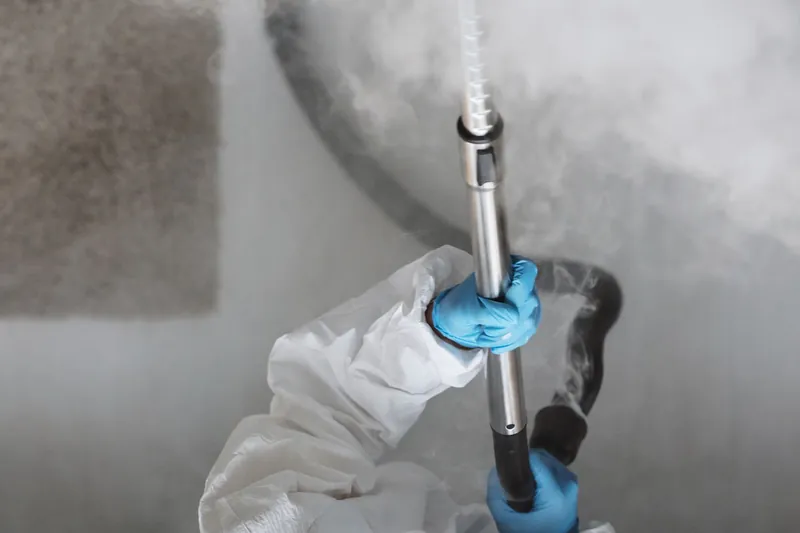
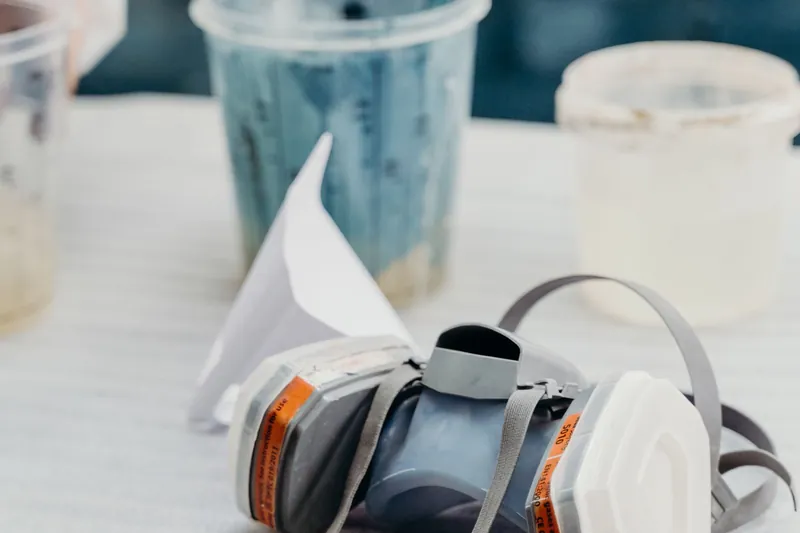
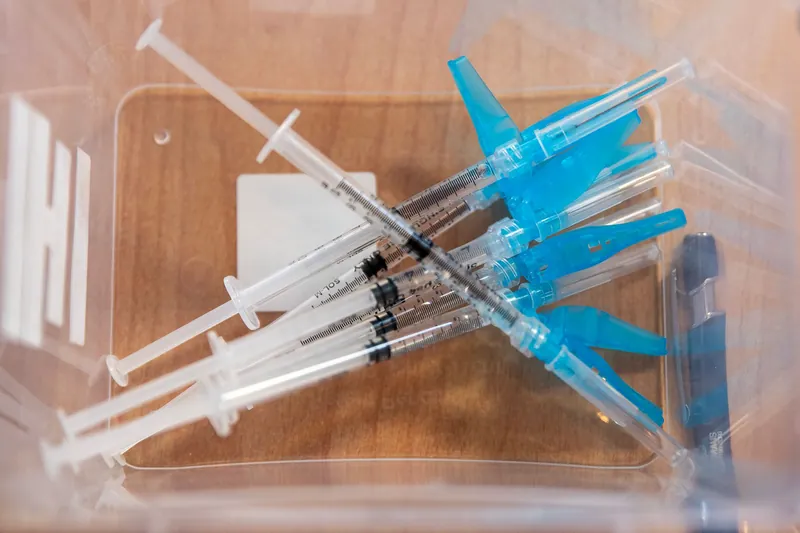
Most people only face this once. Following the right opening steps helps protect your health while preserving your claim and cleanup cost.
Call (888) 351-0904Each job follows the same safe biohazard cleanup process, beginning with your call and ending with the final inspection.
You describe the incident. Technicians examine and photograph the area, then confirm the work scope with you.
Technicians enclose the affected area in plastic so other parts of the property stay separated.
After infectious materials soak into carpet, pad, drywall or similar porous items, the affected pieces are removed and sealed for medical waste, so no affected material is left behind.
Cleaning every surface is followed by treatment with hospital-grade, EPA-registered disinfectant.
Air scrubbers, ozone or hydroxyl address odor where it begins, while vents receive inspection.
A permitted medical waste treatment facility receives the sealed material along with its tracking documents.
Where needed, ATP testing helps check that the space has returned to a livable condition. You also get photographs and documentation for your claim.
Removed flooring or drywall can be rebuilt by your contractor or your insurer's vendor.
Typical national pricing for biohazard cleanup runs $3,000 to $5,000 in the Fixr guide. Your price depends on the kind of job. Minor blood cleanup is listed at $500 to $2,500, while a sewage backup is listed at $2,000 to $10,000. An on-site assessment determines the actual price.
Often, yes. Biohazard cleanup following a sudden incident, including a death, sewage backup or crime, is commonly covered by renters and homeowners policies, less your deductible.
The Illinois Attorney General's Crime Victim Services Division lists crime scene cleanup among the costs its compensation program can help offset, so victims of violent crime can ask about it. Insurance is usually checked first.
The estate can often cover death cleanup expenses. A family member or the estate executor normally manages this task.
For common spaces and rental properties, cleanup is typically arranged and paid for by the property owner or manager.
Sudden and accidental events are usually covered. Long-term neglect and hoarding are generally excluded. Check with the insurer prior to starting work.
Phone support stays available. A cleanup specialist can walk you through the process for your property.
Many renters and homeowners policies pay for biohazard cleanup after a sudden incident, less the deductible. Slow neglect and hoarding are generally excluded from coverage.
Certain ones survive for a long period. The CDC says hepatitis B can survive on surfaces for at least seven days, so dried blood should be treated as infectious.
A biohazard is any biological material that can cause disease, such as blood, bodily fluids, tissue, human or animal waste, raw sewage and used needles.
Discreet biohazard cleanup is possible. Workers come in unmarked vehicles, stay quiet and do not share information with nearby residents or property staff.
Illness caused by sewage germs often begins in one to three days, though certain infections develop later. Avoid contact and keep children and pets away.
You can reach someone by phone 24 hours a day, including during weekends and holidays.