Crime Scene Cleanup
Crime scene cleaning begins after police release and covers blood, odor and the affected property.
See crime scene cleanupBiohazard cleanup is available by phone in ZIP 60455 for blood, crime scene, sewage, hoarding, death and other situations.

Biohazard cleanup is the safe removal, disinfection and disposal of blood, bodily fluids, tissue and other infectious or hazardous materials after a death, a crime, an accident, a hoarding situation or a sewage backup.
Other names include biohazard remediation, bio hazard cleaning, bio cleanup and trauma cleanup. Professional biohazard cleanup goes beyond ordinary deep cleaning. Using personal protective equipment, technicians trace every place contamination reached, remove porous items beyond disinfection, then restore affected areas to a livable condition.
Local housing, population and access details can shape containment, access and cleanup planning.
At 34.3% renter occupancy, cleanup needs vary between leased units and owner occupied homes, especially around authorization for demolition.
Homes with a median construction year of 1975 may contain layered renovations that hide affected materials beneath newer finishes.
The 628 older residents who live alone may rely on family or neighbors to notice when something is wrong at home.
Housing at 55.5% single-family occupancy calls for flexible cleanup planning rather than assumptions based on one building type.
Pick a listed service or call when you need help finding the page suited to your situation.
Crime scene cleaning begins after police release and covers blood, odor and the affected property.
See crime scene cleanup
Cleanup after an undiscovered death includes odor control and the effects of days of decomposition.
See unattended death cleanup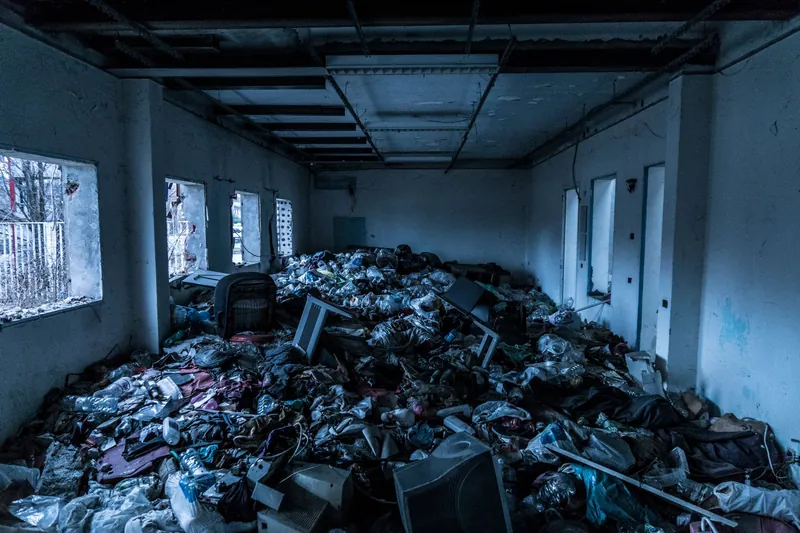
Respectful sorting, item removal and deep cleaning are included in hoarding cleanup.
See hoarding cleanup
Blood cleanup on carpet, hard floors, walls and furniture with safe disposal.
See blood cleanup
Raw sewage cleanup treats Category 3 black water and includes both drying and disinfection.
See raw sewage cleanup
Air scrubbers, hydroxyl and ozone treatment support death odor removal at its source.
See death odor removalSelecting a service opens its nearest location page, or the primary city page when there is no closer option.
For most people, this happens only once. Your health, claim and final cleanup cost are protected by the first actions you take.
Call (888) 351-0904Typical national pricing for biohazard cleanup runs $3,000 to $5,000 in the Fixr guide. The price moves with the type of job. Blood cleanup for minor jobs costs $500 to $2,500, while a sewage backup costs $2,000 to $10,000. The final price follows an on-site assessment.
Often, it does. Many renters and homeowners policies cover biohazard cleanup after a sudden crime, death or sewage backup, with the deductible remaining your responsibility.
The Illinois Attorney General's Crime Victim Services Division lists crime scene cleanup among the costs its compensation program can help offset, so victims of violent crime can ask about it. Insurance is usually checked first.
Coverage usually applies to sudden, accidental events. Insurance commonly excludes neglect over time and hoarding. Ask your insurer before work starts.
In rental units and common areas, the owner or property manager usually arranges and pays for cleanup.
The estate can often cover death cleanup expenses. A family member or the estate executor normally manages this task.
Call any hour. A cleanup specialist can walk you through the process.
The health hazards from biohazards are real. What is visible usually represents only part of the contamination.
Bleach and sprays clean the surface but leave fluids in carpet pad, subfloor and drywall. If contaminated matter is left behind, bacteria and odor return. Decontamination services remove that matter.
Hepatitis C and B, along with HIV, can survive in blood. The CDC says hepatitis B can survive on surfaces for at least seven days.
Hepatitis A, salmonella and E. coli travel in raw sewage, while materials left wet may develop mold in 24 to 48 hours.
Decomposition creates bacteria, gases and fluids that enter floors, then travel along the ventilation system into nearby rooms.
You and your family receive care during a difficult time, without judgment about neglect or hoarding. Items important to you, including photos and documents, are set apart.
Before removal begins, you learn the cleanup plan, every step and the factors that shape the price. Expect no pressure or surprises.
Calls for emergency service are taken around the clock, while unmarked vehicles keep the situation private from neighbors and building personnel.
Your insurance company, property owner or state victim program can receive the photos, waste paperwork and notes describing the scope.
The biohazard cleanup process uses a safe, set sequence for every job, from your first phone conversation to the closing inspection.
The caller describes what occurred. Technicians inspect the scene, photograph it and agree the scope with you.
To prevent contamination from moving elsewhere, the affected area is closed off using plastic sheeting.
Porous materials that absorbed infectious materials, such as carpet, pad and drywall, are cut out and sealed as medical waste so nothing is left behind.
Cleaning every surface is followed by treatment with hospital-grade, EPA-registered disinfectant.
Odor is treated at the source with air scrubbers, hydroxyl or ozone, and vents are checked.
A permitted medical waste treatment facility receives the sealed material along with its tracking documents.
Where needed, ATP testing helps check that the space has returned to a livable condition. You also get photographs and documentation for your claim.
A contractor you choose, or one used by your insurance company, can restore flooring and drywall that were removed.
Crews use unmarked vehicles and keep their work as quiet as building conditions permit. The property manager might need to give access to areas shared by residents.
For the rental unit or common area, the owner commonly coordinates cleanup. You can ask your insurer what your policy covers.
The initial reference is published cost ranges for the nation. After reviewing impacted rooms, materials and disposal requirements, the cleanup company determines the price.
A crew can begin after you agree on timing and after the property is released by the medical examiner or coroner, police or another authority.
Phone calls receive an answer 24 hours a day. The actual start time depends on scene release, access and crew scheduling.
You can reach someone by phone 24 hours a day, including during weekends and holidays.