Meth Lab Cleanup
Meth lab cleanup with residue testing, decontamination and clearance steps.
See meth lab cleanupGet mold, moisture damage, cultivation debris, chemical residue and odor assessed after indoor marijuana growing in Bridgeview. Cleanup starts after the property is released and safe to enter.

Marijuana grow house cleanup remediates a property used for indoor cultivation. The work addresses excessive moisture, mold, lingering odor, fertilizer or pesticide residue, abandoned equipment and construction materials harmed by the operation.
Contamination can persist beneath floors, within air pathways and behind walls even after a former grow house appears vacant. Humid conditions may encourage mold across insulation, framing and drywall, while leaking irrigation can harm both flooring and subfloor. Openings, dust and electrical alterations left by ducting, lights and fans require assessment by the appropriate trade.
Following a seizure, remediation cannot begin before the property is released by law enforcement or another authority. Technicians next map the affected area and document visible conditions. They also keep cleanup separate from repairs involving the structure, plumbing or electrical system. An inspection must find biological contamination, such as bodily fluids or needles, before the grow house work includes biohazard remediation. Unidentified chemicals should never be mixed or identified by guessing. If necessary, proper identification determines the suitable route for hazardous waste disposal.
The right team separates each cleaning process task from work for other trades and notes conditions that might change the planned scope before starting. Have every cleaning service explain the boundaries in plain terms.
Photos, room notes and removal records help the insurance company, property manager and repair trades understand what was completed.
Crews use unmarked vehicles and, where entry allows, can shield the work area from public view.
Fixtures, documents and personal property are sorted with you when safe, so removal decisions match ownership and condition.
Indoor cultivation can create conditions that cannot be corrected safely through ordinary housekeeping. Grow house cleaning services may be needed in those cases. Although every property differs, the examples below are common.
After release of the property, debris, growing gear and damaged materials are still present.
Preparing affected areas of a warehouse or other business property for repair requires removal of cultivation materials.
Visible growth or a musty smell now affects insulation, framing, carpet, ceilings or walls after leaks and humid conditions.
Unmarked containers, fuel, pesticides or fertilizers must be sorted carefully and sent through the correct waste route.
First, control entry to the property and verify who has authority over the site. Police, firefighters or the utility company must complete any emergency response before cleanup takes place. Take the following steps before technicians go inside.
Call (888) 351-0904There is not a grow-house cleanup range in the project's cost source. Published guides for general biohazard work can offer comparison figures only. Many residential projects are placed between $2,500 and $8,000 and a residential average falls between $1,800 and $4,500 while the typical national span is between $3,000 and $5,000 according to those guides. They do not represent grow-house pricing. Chemical disposal, reconstruction, testing, mold removal and electrical repairs may change the ultimate scope.
These ranges come from published national cost guides, not from a site visit. After an on-site assessment, the price for your property is determined and shared with you before cleanup begins.
Ask about cost: (888) 351-0904Coverage depends on the policy, the cause of damage, who operated the grow and any exclusions that apply. Only insurance companies decide whether a claim is covered. Insurance assistance for this work means organizing photos, scopes and invoices, not deciding coverage. Do not assume mold, illegal activity, tenant damage or gradual moisture is covered.
Save invoices, disposal documentation, cleanup details, room images and property release papers. The documentation can clarify completed work for an attorney, adjuster or property manager.
Tell the insurance company what you found, asking separately about water damage, mold, vandalism and contamination. Save the claim number and policy response.
The property owner commonly makes cleanup and access arrangements for a rental. The lease terms, policy outcome and any recovery pursued against a tenant can affect responsibility for expenses.
Request details on coverage triggers, any required pre-work inspection, the adjuster's record needs and category-specific repair limits.
What the inspection reveals determines the exact scope, although the remediation itself follows an ordered and controlled process. You should receive explanations at every stage, records of any changes and updates throughout the work from trained technicians. Electrical repair, chemical waste, mold work and restoration of the building can each call for a different trained professional.
Technicians check access and tour the site carefully, noting visible growth, moisture, smells, waste and damaged finishes without disturbing unknown substances.
Room records and photographs identify affected areas, salvageable items, removal needs and issues for a plumber, electrician or construction contractor.
Containment isolates each work space from surrounding areas. Protective equipment and air control are selected for the hazards found, not from one standard setup.
Sorting covers growing materials including lamps, plastic sheeting, tubing and containers. Regulated materials, unknown chemicals and sharp items are separated for the correct waste routes.
The source of dampness is corrected first, followed by contained removal of contaminated drywall, carpet, insulation or similarly unsalvageable materials.
Remaining hard surfaces are HEPA vacuumed and damp cleaned as appropriate. Dust and residue are removed from ledges, cabinets, framing and accessible air pathways.
Odor sources are removed ahead of air treatment. HEPA air scrubbers and carbon filtration can support particle and odor control while affected materials are cleaned.
The completed space receives a check against the scope that was agreed upon. Photos and removal records support the handoff to electrical, plumbing, HVAC and restoration services.

You can call anytime. A marijuana grow house cleanup specialist answers, explains the steps and agrees a start time with you.
The main risks after grow house use come from mold, damp conditions, unknown chemical residue, contaminated materials and unsafe changes made to the building. How serious the health concern is will depend on the conditions and substances present. Keep the property empty until it has been assessed.
In warm rooms with damp conditions, mold can grow inside concealed cavities and across porous materials. Moisture must be stopped first, since the EPA says mold may begin on wet materials within 24 to 48 hours.
Broken lamps, glass, blades, needles or chemical containers may be hidden in debris. Careful sorting paired with protective gear limits contact and puncture hazards.
Your lungs, skin and eyes may become irritated by fertilizers and pesticides. Because an unlabeled container could contain another substance, never smell, open, combine or empty it into a drain.
When a small blood spill is safe to clean yourself. After the site is released, ordinary debris can include empty, intact equipment and limited dry planting soil. If you find standing water, mold, damaged wiring, unknown substances, sharp items or widespread porous-surface residue, stop and call for professional cleanup.
Cleaning may be possible for a sound, non-porous item whose surfaces can all be reached. Deep odor, mold or water damage can make removal necessary for porous materials.
A property involved in an investigation should not be changed until the responsible authority confirms that it has been released. Evidence and official seals must remain untouched.
Keep fertilizer and pesticide products inside their original labeled containers. State and local rules may require an approved disposal route for hazardous materials or unidentified substances.
The EPA says mold can begin growing on wet materials within 24 to 48 hours. Before appearance repairs begin, moisture problems are corrected and impacted materials are removed.
Work on plumbing, the building structure, ventilation and electricity may require permits or inspection. Before restoring service or sealing walls, check with the local building department about the rules that apply.
The timing cannot be stated reliably with one standard schedule. A small room holding dry debris takes less time to address than a site where materials need removal and mold, altered utilities or unidentified chemicals are widespread.
The full marijuana grow house cleanup guide covers what is cleaned or removed, odor and air quality work, and the rules that apply in your state.
Read the full marijuana grow house cleanup guideLocal housing, population and access details can shape containment, access and cleanup planning.
Renters make up 34.4% of households in Bridgeview, so cleanup planning should work for both owner occupied and leased homes.
Because the median home dates to 1975, cleanup plans should distinguish washable surfaces from absorbent carpet, padding, and wallboard.
About 628 older residents live alone in Bridgeview, equal to 26.9% of seniors and still relevant to welfare planning.
Because 55.5% of housing is single-family, some calls involve one household while others require coordination around shared building areas.
Your phone conversation can include questions about service in nearby ZIP codes and communities.
Meth lab cleanup with residue testing, decontamination and clearance steps.
See meth lab cleanup
Hazmat cleanup uses the appropriate protective equipment for hazardous materials.
See hazmat cleanup
Toxic and chemical waste cleanup includes safe disposal.
See chemical and toxic waste cleanup
Cleanup removes drug residue, pipes and discarded needles from rentals and other properties.
See drug paraphernalia cleanup
After exposure to infectious or hazardous material, the air, room and surfaces are fully decontaminated.
See biohazard decontamination
Fentanyl is decontaminated from affected surfaces, interior spaces and vehicles after exposure.
See fentanyl decontamination
Commercial and industrial biohazard cleanup with minimal downtime.
See commercial and industrial biohazard cleanup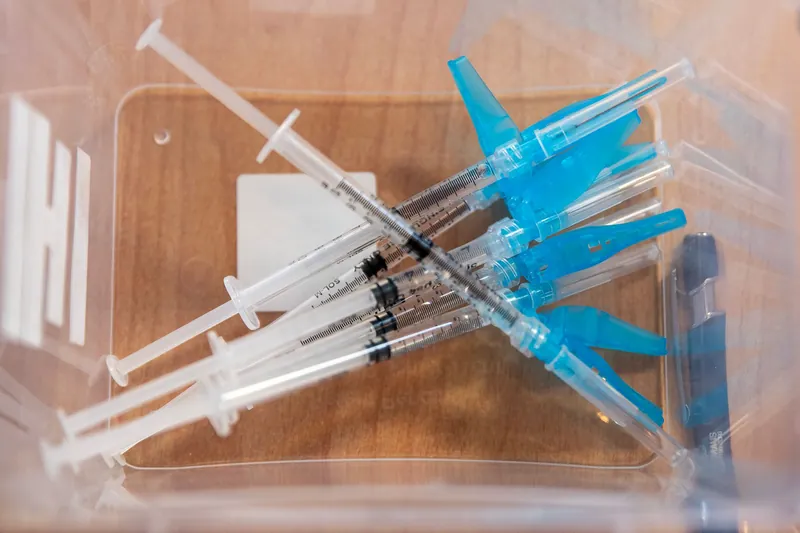
Needles and other sharps are cleaned from rentals, outdoor yards, encampments and parks.
See needle and sharps cleanupAfter indoor cultivation, marijuana grow house cleanup removes persistent smells, growing debris, chemical deposits and wet or moldy building materials. Containment, sorted disposal and HEPA cleaning may be part of the process. Electrical, structural, plumbing or HVAC corrections are separate from cleaning during the property's restoration.
Room count, hidden damage, moisture, growth, chemical waste and needs for testing or other trades all affect timing. A site assessment is needed before a useful schedule can be set. Cleaning can end while reconstruction, plumbing, HVAC or electrical work still remains.
The first odor removal step targets residue, wet soil, plants and affected absorbent materials. Next, clean remaining surfaces and reachable air pathways. HEPA equipment can filter particulates as carbon media helps reduce odors that remain. Adding fragrance is not an alternative to mold remediation, correction of dampness or removing the source.
The decision depends on ownership, item condition and legal release status. Ordinary equipment may be retained or discarded with the owner's direction. Separation comes first for pesticides, sharps, fertilizer, damaged lamps and unknown containers, with disposal following material-specific and applicable waste rules.
Mold remediation may be included when the agreed scope covers it. The process requires moisture correction, containment of affected areas and removal of materials beyond full cleaning. When growth is concealed or broad, more investigation may be required, with reconstruction following completed remediation and drying.
Keep people out, do not operate lights or fans and do not open unknown containers. If police are involved, wait for a formal property release. Contact the owner and the insurance company, and have safety assessed prior to moving grow gear or cleaning.
Crews offer discreet and respectful marijuana grow house cleanup, arrive in unmarked vehicles and take calls 24 hours a day.