
Biohazard Waste Disposal
Biohazard waste pickup and disposal in sealed, labeled containers.
See biohazard waste disposalArrange pickup of sharps, red bag waste and other accepted medical waste from a clinic, care setting, workplace or cleanup site in Westmont. Closed containers go through the appropriate treatment and disposal route.
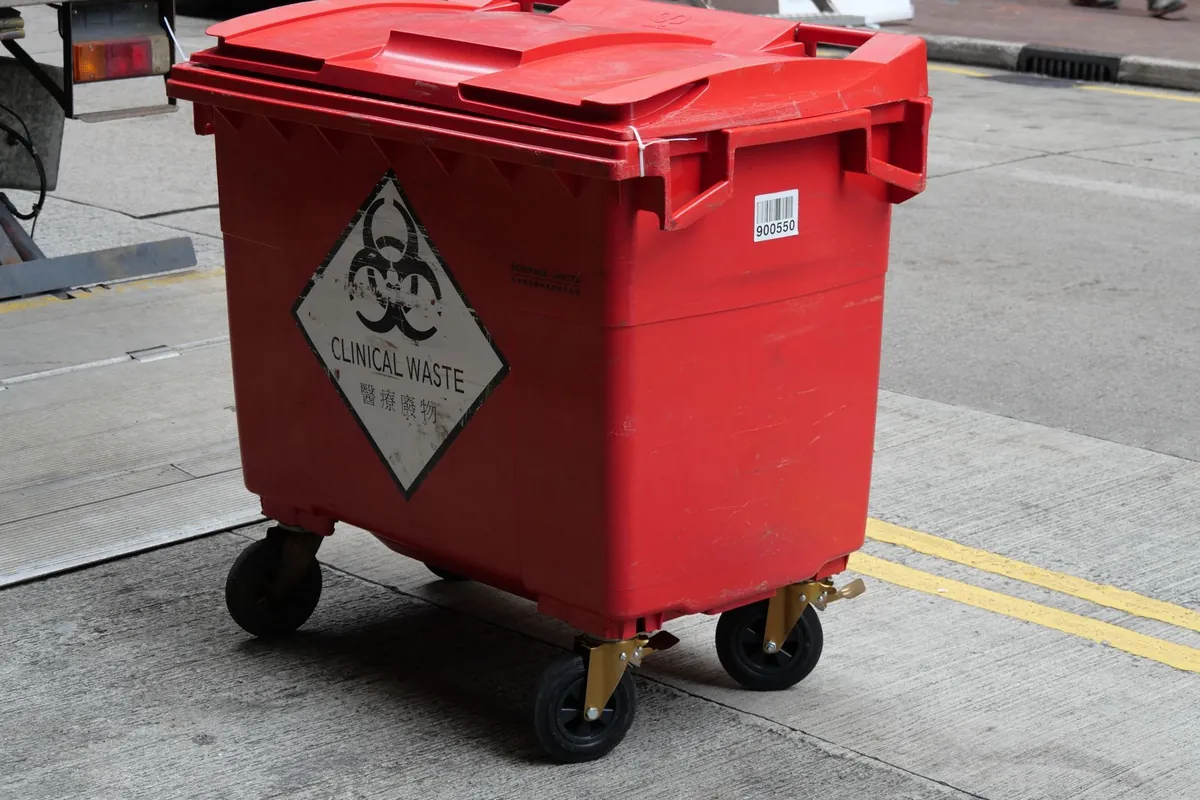
Medical waste removal is the controlled collection, transport and treatment of sharps, blood-contaminated items and other regulated waste that should not enter ordinary trash.
A biohazard pickup service can serve tattoo studios, laboratories, care settings, medical and dental offices, plus other workplaces where this waste is generated. Professional cleanup services can arrange pickup for sealed waste produced during blood cleanup or biohazard remediation as well. First, the material must be identified by type and each type placed in a container that is compatible with it.
Do not treat medical waste as a single type of material. A puncture-resistant, rigid sharps container is needed for sharps. Saturated soft items containing blood or bodily fluids usually require a red biohazard bag and a closable container around it. Chemical, pharmaceutical, radioactive and general hazardous materials may be governed differently. Without confirmation, they must never be combined with the contents of a medical waste container.
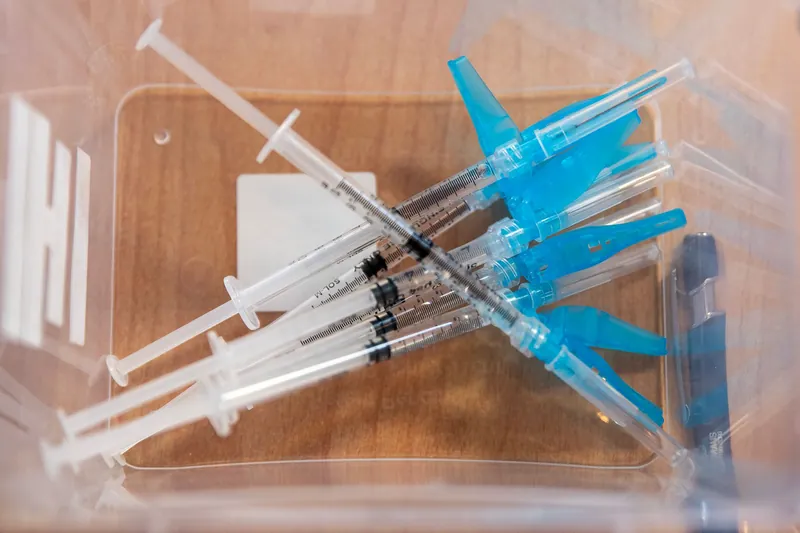
You should know which sharps, red bag waste, laboratory materials and other items are accepted before the collection date.
Pickup details, available tracking records and a clear schedule help you maintain your files and move forward with the next collection.
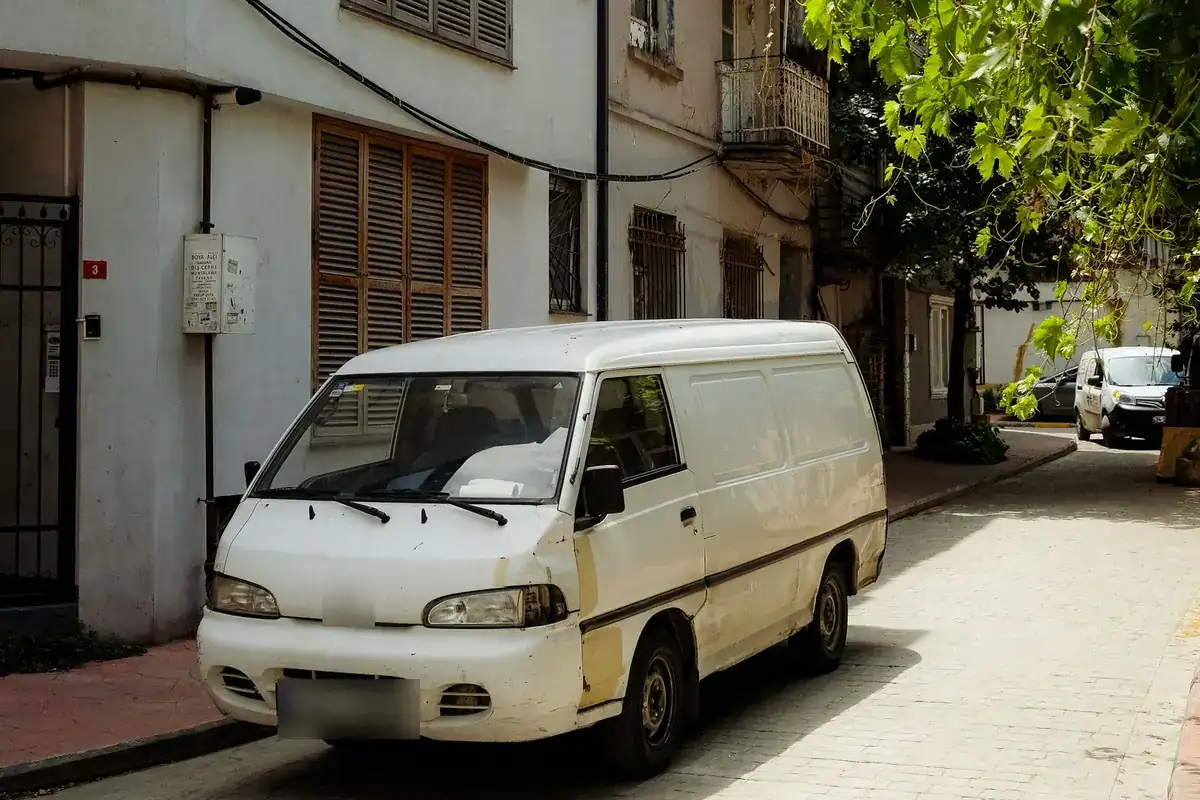
When discretion is important at your location, crews can use unmarked vehicles and carefully remove closed containers.
Trained professionals should use protective gear suited to the identified waste and avoid opening or compressing containers at your site.
A workplace or cleanup location needs medical waste pickup if its regulated waste cannot be discarded with everyday trash. These are common situations:
In affected areas, sealed containers or bags from biohazard waste cleanup may hold removed porous objects, disposable protective gear and absorbent materials that need approved disposal.
Laboratories may have to identify waste clearly and use separate containers before removing cultures, specimen materials or contaminated disposables.
Scheduled pickups can help care facilities keep full containers from accumulating in treatment, medication and utility spaces.
A property owner or business may need one collection after a cleanup, facility closure or discovery of sealed medical waste left behind.
Keep others clear of any loose waste, then check the container type. Begin every situation this way. These actions lower the chance of contact and help cleanup technicians organize the pickup:
Call (888) 351-0904Published cost guides show a per-pound charge of 30 to 80 cents for regulated medical waste and $2 to $20 for broader medical waste disposal by the pound. MedPro Disposal gives small physician practice figures ranging between $75 and $200 per month, plus a dental office range of $50 through $175 monthly. Weight, container needs, waste type, transport and how often pickup occurs determine your actual charge.
National cost guides that have been published supply these ranges, not a visit to the property. An on-site assessment determines your property's price, which is explained to you before the cleanup starts.
Ask about cost: (888) 351-0904Routine medical waste pickup is usually planned as a business operating expense, while waste created by a sudden covered event may be considered with the related cleanup claim. Coverage depends on the policy and cause.
If biohazard waste came from an abrupt incident, speak with your insurance company before disposal whenever you can do so safely. Check whether disposal, transport, container and cleanup expenses qualify under your claim.
Keep photos of the affected area when appropriate, the cleanup scope, pickup record, invoices and the claim number. Ask the insurance company which records are required before discarding claim documents.
A clinic, dental practice, laboratory or care setting generally arranges its own recurring pickup. Check with the facility's waste-account manager to learn how pickup costs enter the budget.
Responsibility for waste disposal at a leased business property may be stated in the lease. Check the lease and do not leave regulated waste in a shared trash area.
From initial assessment until approved treatment, medical waste cleanup keeps the contents contained and clearly identified. Biohazard remediation is not complete until its waste has entered an approved treatment route. Which route applies is determined by the material type and local requirements.
During emergency response or regular collection planning, staff confirm the type and amount of waste, container status and materials requiring separation into another stream.
Every container receives a check for proper labels and a firm closure. Containers that leak, are loose or exceed capacity require attention prior to transport.
At your site, trained technicians wear protective gear while moving sealed containers and do not compress, sort or open the contents.
Containers are kept upright and secured for transport so they do not tip, slide or release contaminated materials.
Available tracking paperwork and pickup details create an organized waste disposal file for whoever manages the event.
Accepted waste is treated at the receiving site through steam or another approved method appropriate for that material.
The facility sends treated waste through its approved disposal process. Sharps remain contained so workers are protected from punctures throughout the entire process.
For repeated service, your volume and waste categories determine whether the container supply and pickup schedule remain suitable. Every step with an impact on future collection is explained by the right team.
You can call anytime. A specialist in medical waste removal takes your call, walks you through the process and confirms when work can start.
Loose sharps, materials contaminated with blood and damaged containers that leak present serious health risks. Possible harm includes puncture wounds, bloodborne pathogen exposure and contamination of nearby surfaces.
Hepatitis B, hepatitis C and HIV may be carried in blood and bodily fluids. The CDC states that even apparently dry surface contamination can contain hepatitis B for at least seven days.
Radioactive materials, chemical waste and medication may belong in distinct waste streams. Never conclude that every item is suited to one treatment simply because it has a red bag or biohazard label.
Needles, lancets and blades can pierce a soft bag or an overfilled container. Do not touch an unsecured sharp with your hand or attempt to bend or recap it.
When a small blood spill is safe to clean yourself. Even a minor drip on a solid, non-porous surface requires gloves, visible-material removal and an EPA-registered disinfectant left for the complete label contact time. Professional cleanup is necessary for loose sharps, damaged containers, absorbent materials, unknown substances or spills of greater size.
Collection time depends on the number of containers, site access and whether the waste is correctly separated before arrival. Treatment and final disposal happen after the containers leave your site, so those steps follow a different timeline.
| Scene | Typical time on site |
|---|---|
| Small scheduled pickup | Often takes the least time when containers are prepared and shut |
| One-time pickup with several containers | Every container and material stream needs inspection, extending the visit |
| Loose, leaking or unknown waste | Requires evaluation and may need repacking prior to transportation |
A medical waste container may smell because its lid is open, its bag is damaged, moisture is present or the contents have been stored too long. Do not open it for an investigation or spray fragrance into it. Restrict access, examine the outside for signs of damage and request an assessment if the odor source is unclear.
Odor removal starts by correcting the source, not masking the air. Once leaking or contaminated materials are safely contained and removed, hard surfaces can be cleaned and treated with an EPA-registered disinfectant for the full label contact time. Air quality work may include ventilation or HEPA air cleaning, depending on what affected the room.
Requirements for worker instruction, protective equipment and safe practices during potential blood exposure come from 29 CFR 1910.1030, the OSHA Bloodborne Pathogens Standard.
Use the container and label required for the specific waste stream. Keep it closed, do not overfill it and confirm acceptance before it is moved off site.
Illinois treats soaked materials from a biohazard scene as potentially infectious medical waste (PIMW). Illinois EPA rules control how it is packed, transported and treated, so it cannot go in household trash.
In Cook County, the Cook County Medical Examiner's Office investigates sudden and unexplained deaths. Cleanup starts after police or the medical examiner release the scene.
Collection time depends on the number of containers, site access and whether the waste is correctly separated before arrival. Treatment and final disposal happen after the containers leave your site, so those steps follow a different timeline.
The full medical waste removal guide covers what is cleaned or removed, odor and air quality work, and the rules that apply in your state.
Read the full medical waste removal guide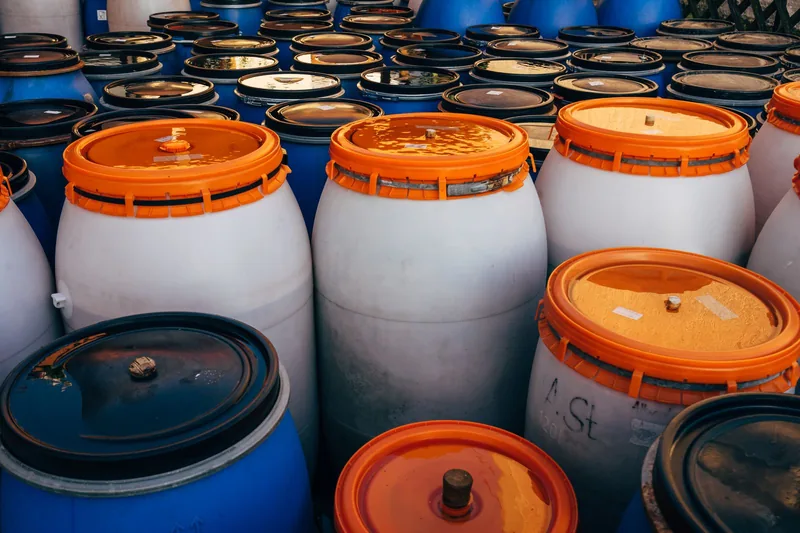
Planning for access, containment and cleanup can depend on local population, housing and entry conditions.
Renters make up 44.9% of households in Westmont, so cleanup planning should work for both owner occupied and leased homes.
In housing built around 1976, a moisture check can help define how far sewage or cleaning water traveled.
The local count of seniors living alone is 2,065, so a cleanup plan may need input from someone managing the home remotely.
A 49.2% single-family share makes property type an early question when setting containment and equipment routes.
Your phone conversation can include questions about service in nearby ZIP codes and communities.
Biohazard waste pickup and disposal in sealed, labeled containers.
See biohazard waste disposal
Yards, encampments, parks and rental properties receive needle and sharps cleanup.
See needle and sharps cleanup
Biohazard cleanup addresses care homes, medical clinics and healthcare settings.
See hospital and healthcare biohazard cleanup
Commercial and industrial sites receive biohazard cleanup with minimal downtime.
See commercial and industrial biohazard cleanup
Cleanup that controls hepatitis B, hepatitis C and HIV exposure from blood.
See bloodborne pathogen cleanup
Walls, carpets, furnishings and hard floors receive blood cleanup, with safe disposal afterward.
See blood cleanup
Bodily fluid cleanup and disinfection for homes, care settings and businesses.
See bodily fluid cleanup
Infectious disease disinfection with EPA-registered products and full surface coverage.
See infectious disease disinfectionBiohazards are first separated by type and placed in the correct closed container. An approved treatment location receives accepted waste transported by a biohazard pickup service. The treatment method depends on the material and may include steam treatment or another approved process before final disposal.
A rigid sharps container is required for needles, and accepted soft waste needs the proper closed container with a label. Ordinary waste is not suitable for either item unless the governing rules clearly allow it. Before collection, confirm the state's present rules about treatment methods, transportation and proper containers.
Human waste can contain microorganisms and may need biohazard precautions when it is outside the body, especially when blood is present or a person could contact it. Material type, location and applicable local requirements determine the disposal path. Confirm the material first instead of putting unidentified contaminated waste in a medical container.
Your initial step is to identify the material as a sharp, lab waste, medication, chemical, blood-contaminated soft waste or something else. Maintain separation between waste categories. Prior to moving any container, confirm accepted materials and applicable state or local requirements with the collection service.
Proper disposal means identifying the material, separating incompatible waste, using the correct closed and labeled container, keeping a clear record and sending it through an accepted transport and treatment route. Do not assume needles, soft clinical material, medication and chemicals belong together.
Bring the material only to a disposal site that explicitly serves your user category and accepts that waste type. Household needles may be eligible at a site that does not receive medicines, liquid material or business waste. Contact the site beforehand, transport the container securely closed and obey its instructions.
Respectful, discreet medical waste removal is available 24 hours a day, and crews arrive in unmarked vehicles.