
Biohazard Waste Disposal
Biohazard waste is collected in labeled, sealed containers and taken for disposal.
See biohazard waste disposalArrange pickup of sharps, red bag waste and other accepted medical waste from a clinic, care setting, workplace or cleanup site in Oak Brook. Closed containers go through the appropriate treatment and disposal route.
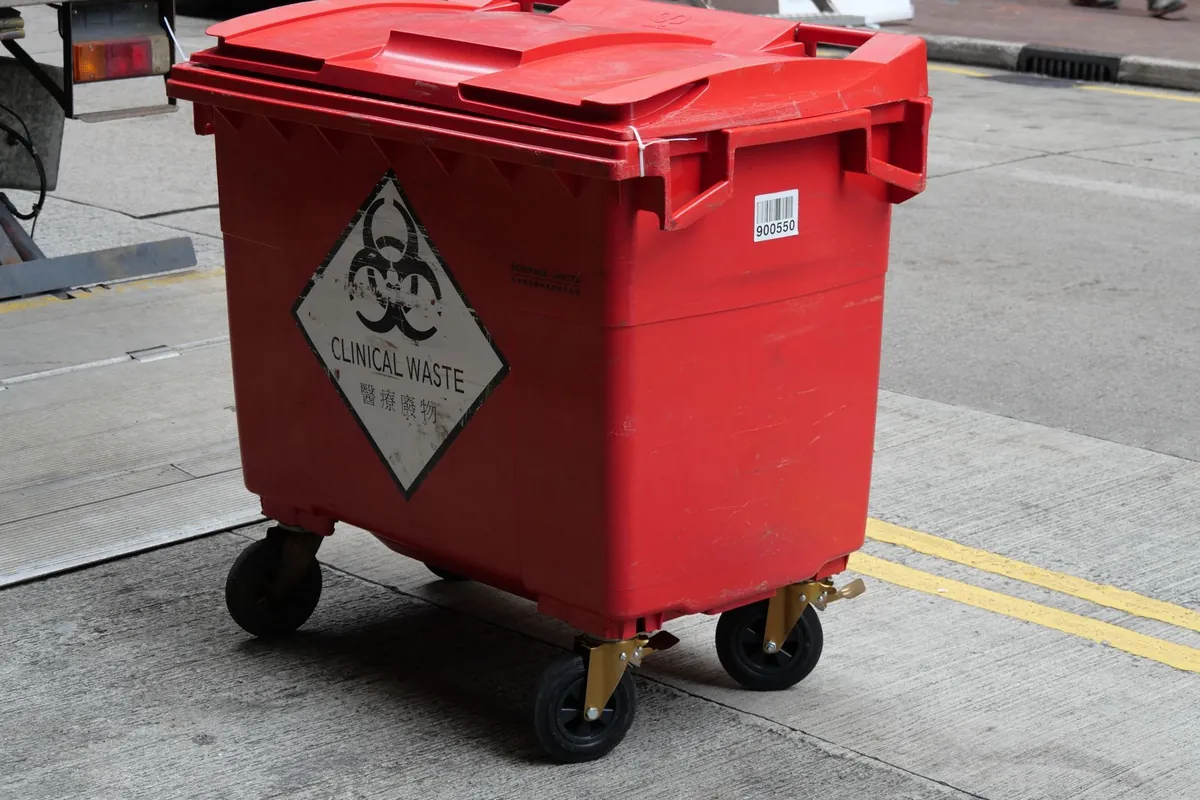
Medical waste removal is a controlled process that keeps regulated materials such as blood-contaminated items and sharps out of ordinary trash through collection, transport and treatment.
A biohazard pickup service can collect waste from medical and dental offices, laboratories, care settings, tattoo studios and other workplaces that generate it. A professional cleanup service can also arrange collection of sealed waste left after blood cleanup or biohazard remediation. The service begins after each waste type has been identified and placed in a compatible container.
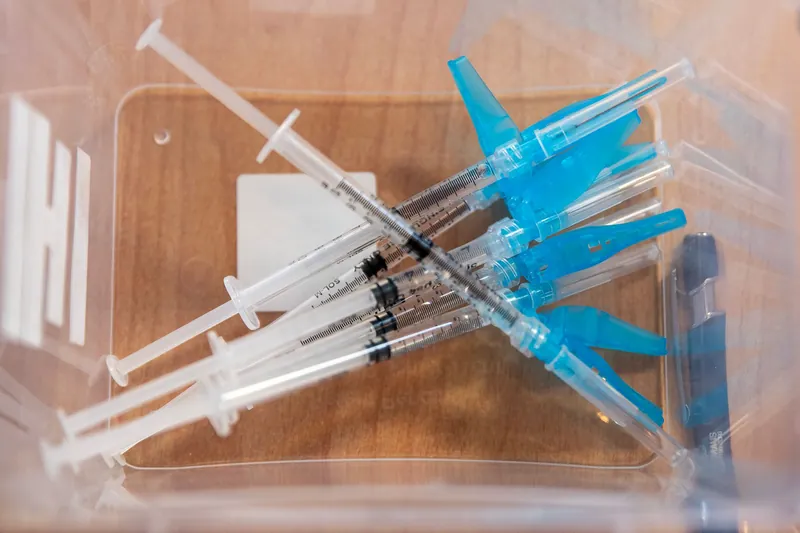
Medical waste is not one single material. Sharps need a rigid, puncture-resistant sharps container. Soft items saturated with blood or bodily fluids usually go into a red biohazard bag inside a closable outer container. Pharmaceutical, chemical, radioactive and general hazardous waste may follow different rules and should never be mixed into a medical waste container without confirmation.
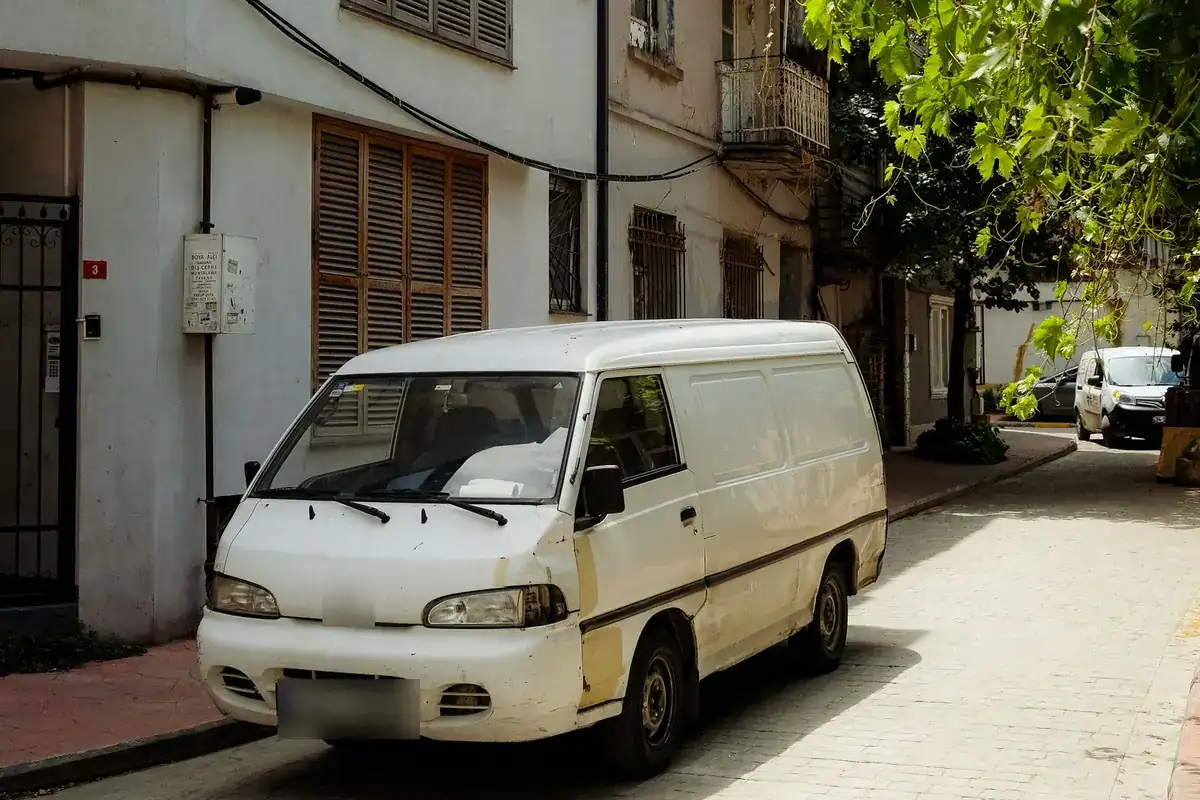
For privacy at your property, crews may arrive in unmarked vehicles and move sealed containers carefully.
Available tracking documents, pickup information and a defined schedule help you maintain files and move forward with future collection.
Trained professionals should select suitable protective gear for the waste while keeping every container unopened and uncompacted on site.
Your preparation should include checking acceptance of sharps, laboratory material, red bag contents and other waste ahead of collection.
A workplace or cleanup location needs medical waste pickup if its regulated waste cannot be discarded with everyday trash. These are common situations:
Biohazard waste cleanup in affected areas may produce sealed bags or containers of absorbent materials, disposable protective gear and removed porous items that require approved disposal.
Physician practices and outpatient offices may need recurring collection for used sharps, saturated dressings, disposable protective equipment and other regulated items.
To avoid a buildup of full containers near treatment, medication or utility areas, care settings may arrange regular collection.
Cultures, specimen material and contaminated single-use items may not leave the laboratory until the waste is identified and separated into suitable containers.
Every situation starts with keeping people away from loose waste and checking the container type. These steps reduce contact and help cleanup technicians keep the pickup orderly:
Call (888) 351-0904Published cost guides put the per-pound rate for broader medical waste disposal between $2 and $20 per pound. For regulated medical waste, the listed rate per pound is 30 to 80 cents. MedPro Disposal reports dental office monthly costs between $50 and $175 per month, compared with $75 through $200 each month for small physician practice pickup. Your actual charge varies based on containers, transport, pickup frequency, waste type and weight.
The figures shown are national ranges from published cost guides and are not based on an on-site visit. After an on-site assessment, the price for your property is determined and shared with you before cleanup begins.
Ask about cost: (888) 351-0904Routine medical waste collection is usually a planned operating cost for the business. If the waste came from an abrupt event that is covered, consideration may occur through the related cleanup claim. Coverage varies according to the cause and the policy.
A lease may say who arranges waste disposal in a rented business space. Never place regulated waste in shared trash, and read the lease for disposal responsibilities.
Regular pickup is generally arranged directly by the dental practice, lab, clinic or care setting that needs it. The person responsible for your facility's waste account can explain the collection budget.
Keep photos of the affected area when appropriate, the cleanup scope, pickup record, invoices and the claim number. Find out which records the insurance company requires before discarding claim documents.
If biohazard waste came from an abrupt incident, speak with your insurance company before disposal whenever you can do so safely. Check whether disposal, transport, container and cleanup expenses qualify under your claim.
Medical waste remains identified and contained throughout cleanup, beginning at assessment and continuing through treatment at an approved destination. If the material resulted from biohazard remediation, that work ends only when the waste follows an approved treatment route. Local requirements and the waste type determine the exact route.
During routine pickup planning or emergency response, staff check what waste is present, how much there is, whether containers are sound and which items need separation.
Each container is checked for a secure closure and the required markings. Transport cannot begin until overfilled, unsealed or leaking containers are corrected.
Trained technicians use protective gear and move closed containers without opening, sorting or compressing their contents at your site.
To prevent contaminated materials from being released, containers stay secured and upright during transport without sliding or tipping.
Collection details and available tracking records give the person in charge a clear file for the waste disposal event.
The facility receiving the waste selects an appropriate approved process for it, including steam treatment when suitable.
The facility sends treated waste through its approved disposal process. During the entire process, workers receive puncture protection because sharp items remain contained.
Recurring service includes reviewing how much waste your location generates, what kind it is and whether container supplies and collection frequency fit those needs. The right team clearly explains every step affecting your upcoming pickup.
Phone support stays available. Your medical waste removal specialist answers the phone, describes what happens next and works with you on a start time.
Loose sharps, materials contaminated with blood and damaged containers that leak present serious health risks. Possible harm includes puncture wounds, bloodborne pathogen exposure and contamination of nearby surfaces.
Surrounding areas, including shelving and floors, can be contaminated by damaged containers or ripped bags. Isolate it instead of transferring the contents without protective equipment.
Medicines, chemicals or radioactive items can require another waste category. Never conclude that every item is suited to one treatment simply because it has a red bag or biohazard label.
Exposure to bodily fluids or blood may involve hepatitis B, hepatitis C or HIV. According to the CDC, hepatitis B remains viable on surfaces for at least seven days, including when the contamination looks dry.
When a small blood spill is safe to clean yourself. Minor liquid on hard non-porous material still requires gloves and removal of visible soil, followed by full label contact time for the chosen EPA-registered disinfectant. Call for professional cleanup when loose sharps, broken containers, porous materials, a larger spill or an unknown substance is involved.
Cleaning and removal are two different parts of biohazard waste work. The facility receiving an item and its assigned waste stream determine acceptance. Every material needs identification before pickup because some things bearing hazard warnings do not belong in red bags.
How long collection takes depends on site access, the container count and proper waste separation before arrival. Only after the containers leave do treatment and final disposal occur, so their timeline differs from the pickup visit.
| Scene | Typical time on site |
|---|---|
| Small scheduled pickup | Usually the shortest visit when containers are closed and ready |
| One-time pickup with several containers | Takes longer because each container and waste stream must be checked |
| Loose, leaking or unknown waste | May require new packaging following assessment before being transported |
A medical waste container may smell because its lid is open, its bag is damaged, moisture is present or the contents have been stored too long. Do not open it for an investigation or spray fragrance into it. Restrict access, examine the outside for signs of damage and request an assessment if the odor source is unclear.
Odor removal starts by correcting the source, not masking the air. Once leaking or contaminated materials are safely contained and removed, hard surfaces can be cleaned and treated with an EPA-registered disinfectant for the full label contact time. Air quality work may include ventilation or HEPA air cleaning, depending on what affected the room.
How long collection takes depends on site access, the container count and proper waste separation before arrival. Only after the containers leave do treatment and final disposal occur, so their timeline differs from the pickup visit.
The full medical waste removal guide covers what is cleaned or removed, odor and air quality work, and the rules that apply in your state.
Read the full medical waste removal guideLocal population patterns, housing and site access may affect how containment and cleanup are planned.
Only 8.9% of homes in Oak Brook are renter occupied, so many cleanup decisions may rest directly with resident owners.
The 1979 median year matters during odor work because cabinets, wall cavities, and floor layers can hold the source.
Although the share is 16.7%, seniors living alone can still face delayed discovery after an illness, injury, or death.
The local 87.8% single-family share makes household level privacy practical while affected rooms are isolated and treated.
Ask on the call about cleanup options for neighboring communities and ZIP codes.
Biohazard waste is collected in labeled, sealed containers and taken for disposal.
See biohazard waste disposal
Needles and other sharps are cleaned from rentals, outdoor yards, encampments and parks.
See needle and sharps cleanup
Clinics, healthcare facilities and care homes receive biohazard cleanup.
See hospital and healthcare biohazard cleanup
Commercial and industrial sites receive biohazard cleanup with minimal downtime.
See commercial and industrial biohazard cleanup
Cleanup controls the risk of blood exposure involving HIV, hepatitis C and hepatitis B.
See bloodborne pathogen cleanup
Blood cleanup on carpet, hard floors, walls and furniture with safe disposal.
See blood cleanup
Bodily fluid cleanup removes fluids and disinfects affected areas in businesses, homes and care settings.
See bodily fluid cleanup
EPA-registered products are applied across all surfaces during infectious disease disinfection.
See infectious disease disinfectionA rigid sharps container is required for needles, and accepted soft waste needs the proper closed container with a label. Do not put either in ordinary trash unless an applicable rule specifically allows it. Before collection, confirm the state's present rules about treatment methods, transportation and proper containers.
Published guides list broad ranges that depend on the waste and setting. Guides price regulated medical waste at 30 to 80 cents per pound and medical waste disposal at $2 to $20 per pound. Container needs, transport, pickup timing, waste type and total weight all affect the charge.
Your initial step is to identify the material as a sharp, lab waste, medication, chemical, blood-contaminated soft waste or something else. Separate every waste stream. The pickup company can explain acceptance limits and relevant local or state rules that you should check before container movement.
Human waste can contain microorganisms and may need biohazard precautions when it is outside the body, especially when blood is present or a person could contact it. The disposal route depends on the material, setting and local rules. Do not place unknown contaminated waste into a medical waste container without checking.
A service can collect it if the packaging is correct and that kind of waste is accepted. Tell the service whether an accident, medical setting, blood cleanup or another affected area produced the waste. Collection planning must account for any uncontained sharps, liquids, damaged packaging and materials you cannot identify.
Your policy terms and the contamination's cause determine whether coverage applies. Scheduled waste collection and cleanup from an abrupt event are separate services. Ask your insurance company about claim eligibility for disposal, transport, container costs and cleanup after describing what occurred.
You can request respectful, discreet medical waste removal 24 hours a day, and crews use unmarked vehicles.