
Blood Cleanup
Walls, carpets, furnishings and hard floors receive blood cleanup, with safe disposal afterward.
See blood cleanupGet blood and potentially infectious material cleaned from a home, rental, vehicle or workplace in Marquette Manor. The work can include containment, porous material removal, disinfection and controlled waste packaging.

Bloodborne pathogen cleanup means removing blood and certain body fluids in a controlled way, then disinfecting areas where disease-causing microorganisms may be present.
Viruses classified as bloodborne pathogens include hepatitis B and hepatitis C, along with HIV. Contaminated blood may expose someone by touching broken skin, the eyes, the nose or the mouth. Exposure can also occur through a needlestick or other sharp object that enters the body. Because a stain can continue below the visible surface, the entire affected area is more important than the view from an entrance.
Professional biohazard cleanup establishes a boundary between clean areas and the active remediation zone. For the work involved, technicians choose the personal protective equipment, along with protective gear, to match the task. The cleanup takes away absorbent materials when complete disinfection is not possible, clears soil from hard surfaces and uses a disinfectant that is EPA-registered, observing its label contact time. Disposal follows the rules applying to the property's location after contaminated waste has been packaged.

The right team discusses possible material removal, surfaces that can be treated and cost factors with you in advance.
Assessment of your belongings considers their construction and degree of contamination. When an item cannot be cleaned, you can discuss that decision before it is removed whenever conditions allow.
Calls are answered day and night, and crews arrive in unmarked vehicles. Privacy during your call can help keep activity less noticeable near the house, rental or place of work.
Once cleanup ends, you can move forward with workplace management, the building owner or insurance company using photographs, work notes and waste documents that record the affected area.
Bloodborne pathogen cleaning services are appropriate when blood or potentially infectious hazardous materials extend beyond a small, controlled spot on a hard surface. Every situation is different, but this cleaning service addresses several common needs:
Blood can enter seat fabric, carpet, trim seams and ventilation openings. Since wiping exposed surfaces may leave deeper contamination untouched, interior components must be checked one at a time.
An injury in an office, store, warehouse or job site can create an exposure area. Once emergency response ends, restrict the area while blood and contaminated materials are taken out and hard surfaces receive disinfection.
Flooring, walls, furniture and nearby possessions can be affected by blood after a medical event, fall or cut. Workers must track the liquid through its entire course, cleaning along gaps and seams as well as visible areas.
Several surfaces or spaces can be affected by blood after an accident. Avoid moving affected objects or entering the space on foot, since traffic can extend contamination to clean areas.
Start by preventing contact and keeping the spill from spreading. If law enforcement is involved, wait until the area is released before entering. These steps protect you and preserve a clear picture of the work:
Call (888) 351-0904Approved cost data contain no standalone published range specific to bloodborne pathogen cleanup. In the most closely related blood cleanup guides, minor work appears from $500 to $2,500 and small cleanup from $1,500 to $3,000 as reference ranges. The broader spans are $300 to $4,000; another runs from $500 to $5,000. None sets the cost for your property. Affected materials and area size shape the actual scope.
These ranges come from published national cost guides, not from a site visit. You learn what your property will cost after the on-site assessment and before any work begins.
Ask about cost: (888) 351-0904Who pays depends on the location of the event, the property owners who control the area and the conditions stated in a workplace plan, lease or insurance policy. An insurance company makes its coverage decision by applying the individual policy.
Some homeowners or renters policies may cover cleanup tied to a sudden covered event. Describe the incident to the insurance company and ask about biohazard cleanup while retaining requested paperwork and your claim identifier.
A work-related event should be reported to the manager in charge of the exposure plan. The relevant terms allow the workplace, property management and insurer to establish approval, recordkeeping and financial responsibility.
Payment duties for a rental can change with the cause, governing requirements and the terms of the lease. The renter and owner should discuss cleanup and record the affected area before anyone moves contaminated materials.
Organized records come first for insurance assistance. Find out which photos, inventories, work notes and waste documents your adjuster requires. When conditions allow a delay, do not throw away covered property before instructions arrive, and keep a copy of every claim message.
The bloodborne pathogen cleanup process moves from exposure control to removal, cleaning, disinfection and verification. Cleanup involves a clear order, and every step changes with the spill, the materials it reached and the hazardous waste that must leave the property.
Workers check which rooms and materials are affected, where contamination may have traveled and whether sharps are present. They document visible conditions and explain which items may be cleaned or removed.
The cleanup zone is isolated from unaffected rooms. Workers limit entry, choose protective equipment suited to the job and establish one controlled course for moving tools and discarded material.
Carpet pad, unfinished wood, drywall, insulation or upholstered filling may need removal when blood has soaked beyond a cleanable surface. Workers package taken-out materials before they leave the controlled area.
Before disinfection, hard sealed surfaces are cleaned of visible soil. Disinfectant needs direct surface contact, which is why cleaning away organic material must come first.
Cleanable surfaces are treated with an EPA-registered disinfectant suited to the target organisms. Workers keep the surface wet throughout the entire labeled contact period.
Appropriate containers are used separately for sharps, affected porous material and contaminated single-use items. Once packaged, the waste is moved and treated according to relevant medical waste requirements.
Technicians inspect the work zone, check edges and hidden transitions, and document the completed scope. Any remaining building repairs are listed separately from biohazard cleaning.
Once cleaning is complete, removed carpet, drywall, baseboards or other finishes can be replaced. You can plan separate restoration services with the person overseeing the property or a contractor once biohazard cleanup is finished.

Call at any time. Your bloodborne pathogen cleanup specialist answers the phone, describes what happens next and works with you on a start time.
Blood presents a serious health risk when infectious material touches cuts or mucous membranes, or enters through a puncture. A stain that looks dry can still create that risk.
Bloodborne viruses include HIV, hepatitis C and hepatitis B. The CDC reports a surface survival period of at least seven days for hepatitis B, making it important to treat even dried blood as a possible infection hazard.
Padding below carpet, unsealed wood, seams in a floor and spaces behind baseboards can all hold blood that traveled past the surface. Treating what you can see may not remove affected matter in lower layers.
A sharp fragment or needle may pierce your skin, allowing direct exposure. Sharps need rigid, puncture-resistant containment rather than a soft household trash bag.
When a small blood spill is safe to clean yourself. You may be able to manage several fresh drops on a non-porous, even surface at home when you can prevent contact and follow disinfectant directions. Seek assistance if blood enters drywall, bare wood, upholstered material, carpet or an air vent, if sharp objects are involved, or if the affected limits are unknown.
Part of a day may be enough for a surface spill that stays contained. Blood reaching porous materials or more than one room can extend cleanup to one or more workdays, followed by a separate period for repairs.
| Scene | Typical time on site |
|---|---|
| A small affected area across reachable non-porous surfaces | Often completed within one workday |
| A single room requiring some absorbent material removal | Often one to two workdays |
| Several areas or hidden material removal | May extend across multiple workdays, followed by restoration |
To address odor, first locate and take out the contaminated source. A surface spray or fragrance will not solve blood left in unfinished wood, carpet padding, furniture filling or wall cavities. Each such material needs to be exposed and evaluated, then cleaned or removed where the contamination began.
To keep dust and particles released by material removal from entering clean rooms, air movement is carefully managed. HEPA-filtered equipment may be part of the work. Nearby vents also receive attention if contamination may have reached them. The space is inspected after cleaning and source removal, before regular use begins again.

When employees may encounter blood on the job, OSHA standard 29 CFR 1910.1030 requires workplace safeguards that include protective equipment, training and an exposure control plan.
A disinfectant used for bloodborne pathogen work should be EPA-registered for the intended use. The surface must remain wet for the full contact time on the product label.
Illinois treats soaked materials from a biohazard scene as potentially infectious medical waste (PIMW). Illinois EPA rules control how it is packed, transported and treated, so it cannot go in household trash.
In Cook County, the Cook County Medical Examiner's Office investigates sudden and unexplained deaths. Cleanup starts after police or the medical examiner release the scene.
Part of a day may be enough for a surface spill that stays contained. Blood reaching porous materials or more than one room can extend cleanup to one or more workdays, followed by a separate period for repairs.
The full bloodborne pathogen cleanup guide covers what is cleaned or removed, odor and air quality work, and the rules that apply in your state.
Read the full bloodborne pathogen cleanup guide
Planning for access, containment and cleanup can depend on local population, housing and entry conditions.
At roughly 1.1 miles away, Holy Cross Hospital is the closest listed hospital for urgent care after a cut, puncture, or exposure.
Local records list Holy Cross Hospital nearest at 1.1 miles and also name St Bernard Hospital, giving two references after an exposure.
The location sits near Gage Park, Garfield Manor, and Chicago Lawn, making local landmarks helpful when a property entrance is hard to find.
Because this is a neighborhood within Chicago, cleanup access may depend on local parking, common entrances, or building management rules.
Ask on the call about cleanup options for neighboring communities and ZIP codes.
Walls, carpets, furnishings and hard floors receive blood cleanup, with safe disposal afterward.
See blood cleanup
Blood spill cleanup addresses fresh or dried blood spills of every size.
See blood spill cleanup
Bodily fluid cleanup removes fluids and disinfects affected areas in businesses, homes and care settings.
See bodily fluid cleanup
Rooms, surfaces and air receive complete decontamination following infectious or hazardous exposure.
See biohazard decontamination
Sealed containers with labels hold biohazard waste during collection and disposal.
See biohazard waste disposal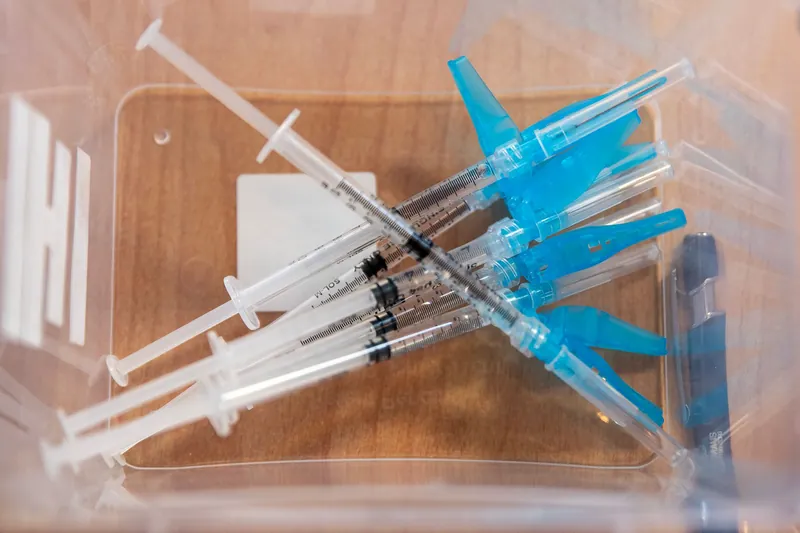
Needles and other sharps are cleaned from rentals, outdoor yards, encampments and parks.
See needle and sharps cleanup
Disinfection for infectious disease uses EPA-registered products with complete coverage of surfaces.
See infectious disease disinfection
After exposure or injury, workplace biohazard cleanup covers offices and other work sites.
See office and workplace biohazard cleanupFor jobs involving possible occupational contact with blood, OSHA standard 29 CFR 1910.1030 defines the requirements an employer must follow. An exposure control plan, appropriate training and protective equipment are among the topics it addresses. The circumstances and the employer's safe cleaning arrangements determine whether an outside cleanup company is needed.
A few drops on a smooth, non-porous household surface may be manageable if you can avoid contact and follow the disinfectant label. Seek professional assistance if blood entered wallboard, bare wood, upholstered material or carpeting, if sharp objects are involved, or if you cannot identify the affected limits.
The term describes controlled disinfection and cleaning of blood or particular body fluids with the potential to contain infectious microorganisms. Cleanup combines access restrictions and suitable protective equipment with disposal of uncleanable matter, EPA-registered disinfection for reachable solid surfaces and packaging that follows waste rules.
The disinfectant needs to be registered by the EPA for that surface and those organisms. Remove soil through cleaning before it can interfere with disinfection. Next, keep the surface visibly wet throughout the entire contact period listed on the product. Dangerous vapors can result when cleaning products are mixed, making exact compliance with each label important.
Your event and specific insurance terms affect possible coverage. Some homeowners or renters policies may cover biohazard cleanup tied to a sudden covered loss. Describe the event to the insurance company and ask about blood or biohazard cleanup, then retain your claim number and request the adjuster's list of needed photos, inventories and waste records.
Each material is evaluated for full access to contamination throughout its layers. When blood penetrates the interior, porous parts such as carpet pad and furniture filling often need to come out. When it is practical to wait, you may take part in decisions about saving individually reviewed belongings prior to their disposal.
You can request respectful, discreet bloodborne pathogen cleanup 24 hours a day, and crews use unmarked vehicles.