
Biohazard Cleanup
Any property can be cleared of blood, bodily fluids and other infectious material, then disinfected.
See biohazard cleanupKeep people away from the affected area and get guidance before touching contaminated materials. Biohazard decontamination removes unsafe material, cleans salvageable surfaces, applies the right disinfectant and addresses waste, odor and air quality so you can plan the next step with clear information.

Biohazard remediation is a controlled process for taking biological contamination out of a property. It continues with cleanup, disinfection and proper disposal, followed by a close inspection before the affected area returns to ordinary use.
The work may follow blood or bodily fluid exposure, an unattended death, a trauma scene, sewage backup, infectious illness or severe hoarding conditions. Ordinary cleaning focuses on visible dirt. Biological remediation follows the path contamination took, including seams, cracks, porous materials and surrounding areas that may have been reached by shoes, tools or airflow.
For a complete cleanup, clean rooms are kept separate from the work zone. Wearing protective equipment, trained technicians take out hazardous items that cannot be disinfected. They remove visible soil, then keep an EPA-registered disinfectant on the surface for its full labeled contact time. Every stage should be explained by the biohazard remediation company. Work may also cover sorting personal belongings, filtering air, removing odor, packaging hazardous waste and preparing records for the property owner or insurance company.

Your comparison of biohazard remediation companies should include whether trained professionals contain the affected area, arrive in unmarked vehicles and reduce unnecessary notice.
The pre-work meeting can explain which spaces are included, what can be cleaned, what might be taken out and why the scope could change.
Before deciding what to remove, crews can set aside photographs, papers, mementos and other meaningful personal property for a conversation with you.
Organized images, inventories, scope notes and waste documents can support the property file, your adjuster or landlord as you move forward with restoration services.
When routine cleaning cannot resolve a health concern created by biological material, the situation may call for emergency response cleanup service. Each case requires its own cleaning approach. Examples commonly include:
Law enforcement must release a trauma scene or crime scene before an assessment of residue and contaminated materials can proceed without interfering with the investigation.
Cleanup after an unattended death may involve odor treatment, disinfection and removal when the air, contents or finishes are affected.
Blood cleanup can extend past a visible mark if fluid has entered wall gaps, furniture seams, bare wood, grout or carpet padding.
Sewage is Category 3 black water. Cleanup can include extraction, removal of porous materials, cleaning, disinfection and drying.
Your first safety step is to keep all traffic out of the affected area. A small number of simple actions can help limit exposure and retain helpful details for planning cleanup:
Call (888) 351-0904Published guides for biohazard cleanup place the national cost between $3,000 and $5,000 for a typical project, with the average residential range at $1,800 to $4,500. One separate company pricing guide shows a broader span, from $1,000 to $15,000. Use these figures only for planning, not as a quote. The contaminant, size of the space, affected surfaces, disposal needs and any post-cleaning testing all influence your price.
The figures shown are national ranges from published cost guides and are not based on an on-site visit. After an on-site assessment, the price for your property is determined and shared with you before cleanup begins.
Ask about cost: (888) 351-0904Insurance coverage for biohazard cleanup is possible when the policy includes the incident's cause. Each event and policy can differ in what is covered, the deductible and necessary records.
The cause and location of the contamination, together with the lease, can affect responsibility. Property owners need to read the policy and record existing conditions prior to approving restoration work that can wait.
Find out which images, inventories, work notes, bills and disposal records the adjuster wants. Store your claim identifier with the relevant contact information.
Victims of violent crime can ask the Illinois Attorney General's Crime Victim Services Division whether cleanup costs can be included in a compensation claim. Insurance is usually checked first.
Tell the insurance company what happened, when it was discovered and which areas are affected. Ask whether mitigation, removal, cleaning and restoration are separate parts of the claim.
The full process begins with an assessment, moves through source removal and thorough cleaning, and ends with inspection. The plan for biohazard cleanup changes with the contaminant, the type of surface and the property's condition. Before technicians go into the work zone, the appropriate team explains each stage.
Technicians identify the source, affected areas, travel paths, porous materials and safety concerns, then explain the proposed scope to you.
The cleanup area is contained away from clean rooms, entry is restricted and the known dangers guide the choice of personal protective equipment.
Materials that cannot be thoroughly cleaned, including carpet, padding, insulation, drywall or possessions, are cautiously removed, packed and identified.
Workers first clean away visible matter so the disinfectant can touch the surface directly and perform according to its label.
Salvageable surfaces are treated with an EPA-registered disinfectant that is suitable for the material and left wet for the listed contact time.
The process begins with source removal. HEPA air filtration and other odor methods may then address airborne particles and odor that remains in the work zone.
Packaged hazardous waste follows applicable transport and disposal rules, while photos and scope records can support property and insurance files.
Crews inspect the cleaned space, explain available verification options and document removed drywall, floor material and finishes that restoration may need to replace.

You can call anytime. A biohazard decontamination specialist answers, explains the steps and agrees a start time with you.
Biological contamination can create serious health risks through broken skin, the eyes, nose or mouth, and the visible area may not show its full path.
Needles, broken glass and contaminated debris can cause punctures. Applicable rules for each material govern how the waste is sorted, packed and managed.
Porous materials such as drywall, raw wood, upholstery, carpet and pad can hold liquid under their surfaces. Cleaning only the surface leaves trapped material untouched.
You may find it deeply difficult to enter a trauma scene or the room of someone you love. You may leave the area while cleanup workers record belongings and seek your approval before removing personal property.
When a small blood spill is safe to clean yourself. You may be able to address a small spill on a solid, non-porous surface only if you recognize the material, have appropriate gloves and follow every label instruction for an EPA-registered disinfectant. Stay away and request professional cleanup guidance when you cannot identify the source or affected area, a sharp is involved or liquid has entered porous material.
A surface stays when it can be reached, cleaned and disinfected as required. Material is removed when contamination soaked inside it or safe access is not possible.

When a job may involve blood, the OSHA Bloodborne Pathogens Standard, 29 CFR 1910.1030, establishes requirements for employee training, protective measures and exposure control.
Use an EPA-registered disinfectant labeled for the relevant surface and target organism. Disinfection can be interrupted by early wiping, so the contact time listed on the product label is important.
Illinois treats soaked materials from a biohazard scene as potentially infectious medical waste (PIMW). Illinois EPA rules control how it is packed, transported and treated, so it cannot go in household trash.
In Cook County, the Cook County Medical Examiner's Office investigates sudden and unexplained deaths. Cleanup starts after police or the medical examiner release the scene.
Biohazard cleanup time cannot be set from the event name alone. The affected area, materials, waste volume, access, drying needs and any verification work determine the schedule after assessment.
The full biohazard decontamination guide covers what is cleaned or removed, odor and air quality work, and the rules that apply in Illinois and Cook County.
Read the full biohazard decontamination guidePlanning for access, containment and cleanup can depend on local population, housing and entry conditions.
At roughly 1.1 miles away, Holy Cross Hospital is the closest listed hospital for urgent care after a cut, puncture, or exposure.
Local records list Holy Cross Hospital nearest at 1.1 miles and also name St Bernard Hospital, giving two references after an exposure.
The location sits near Gage Park, Garfield Manor, and Chicago Lawn, making local landmarks helpful when a property entrance is hard to find.
Because this is a neighborhood within Chicago, cleanup access may depend on local parking, common entrances, or building management rules.
During your call, ask whether cleanup is available in surrounding communities and ZIP codes.
Any property can be cleared of blood, bodily fluids and other infectious material, then disinfected.
See biohazard cleanup
Biological remediation removes contamination so the space can be safely used again.
See biohazard remediation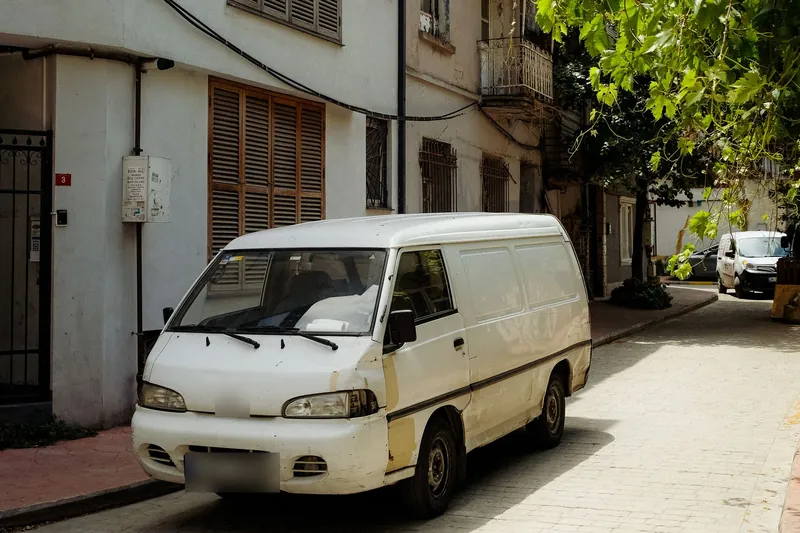
Once a scene is released, biohazard cleanup can start at any hour.
See emergency 24/7 biohazard cleanup
Blood cleanup controls exposure to HIV as well as hepatitis B and hepatitis C.
See bloodborne pathogen cleanup
Bodily fluid cleanup removes fluids and disinfects affected areas in businesses, homes and care settings.
See bodily fluid cleanup
Disinfection for infectious disease uses EPA-registered products with complete coverage of surfaces.
See infectious disease disinfection
Sealed containers with labels hold biohazard waste during collection and disposal.
See biohazard waste disposal
Disinfection and drying follow sewage cleanup of Category 3 black water from raw sewage.
See raw sewage cleanupNo. Biohazard remediation focuses on sewage, blood, bodily fluids and similar biological matter. Tear gas and pepper spray instead irritate through chemicals. A property can involve both types after law enforcement activity, but the protective equipment, cleaning agents, waste decisions and ventilation plan must match each contaminant rather than treating them as one problem.
Cost guides show broad differences because a job may involve one contained surface or require removing materials throughout multiple rooms. Pricing reflects what was contaminated, how much space is involved, which surfaces are affected, waste disposal and testing. Defining the work scope requires an on-site assessment of your property. For planning, refer to the sourced ranges above without treating them as a property-specific price quote.
Biological hazards are materials with the potential to expose people to organisms that cause harm or to their byproducts. On a property, examples can include materials contaminated in certain infectious disease events, bodily fluids, animal waste, human waste, blood and sewage. Risk is based on where the material came from, the possible exposure route and the surfaces affected.
Removal may be necessary if contamination penetrated porous material beyond the reach of cleaning and disinfecting. This can include wallboard, insulation, carpet cushion, unsealed wood, mattresses and particular upholstery. A non-porous, sealed surface can usually remain when undamaged and suitable for the required disinfectant and cleaning process.
It may, depending on the cause of the contamination and the terms of your policy. Contact your insurance company promptly, explain the event and ask about mitigation, cleanup, removal and restoration coverage. Also ask which photos, records and approvals are required. Your out-of-pocket cost may depend on the deductible and policy limits.
The managed removal and cleaning of blood, sewage, infectious substances, bodily fluids or similar biological material is biohazard remediation. The process covers assessment of the affected area, containment, removal of materials beyond disinfection, visible soil cleaning, use of an appropriate EPA-registered disinfectant, waste packaging and a final check before normal use resumes.
You can request respectful, discreet biohazard decontamination 24 hours a day, and crews use unmarked vehicles.