COVID-19 and Virus Disinfection
Virus disinfection after outbreaks is available for offices, residential properties and shared areas.
See covid-19 and virus disinfectionGet infectious disease cleanup for a home, office, school, rental or shared space in Marengo. The process covers cleaning, EPA-registered disinfectants, label contact time and a final check of treated surfaces.
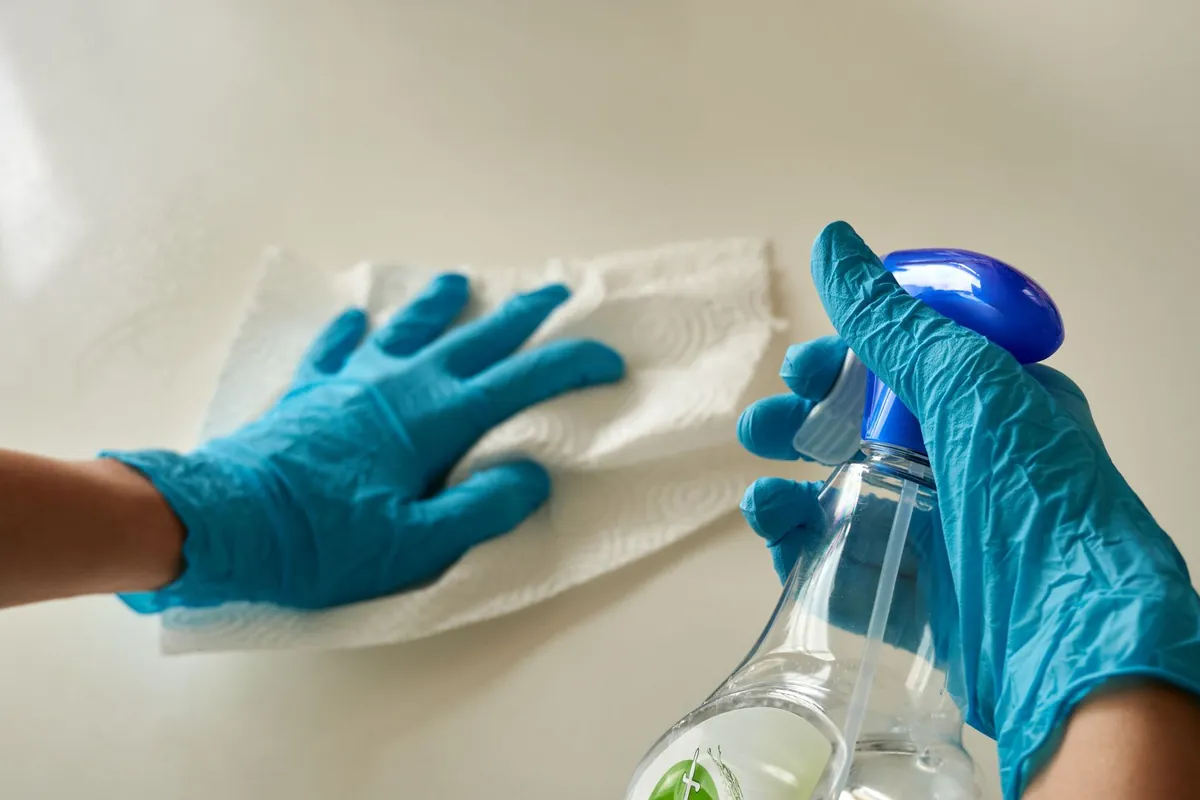
Infectious disease cleanup is the planned disinfection and cleaning of areas that may contain a disease-causing germ, including a bacterium or virus. It addresses the area involved as well as frequently touched items and nearby surfaces.
The use of the room, the possible contaminant and the compatibility of each material guide the cleaning plan. Any visible soil comes off before disinfection. An EPA-registered disinfectant is applied next, following all label directions. For the product to work as directed, treated surfaces need to remain wet during the entire contact time shown on that label.
This type of service applies in many places, including a home, office, rental property, school, restaurant, healthcare environment or shared vehicle. Its scope responds to a confirmed or suspected disease concern, rather than routine cleaning needs. Contamination involving blood or bodily fluids, as well as hazardous materials, is a different form of biohazard remediation that may involve taking out materials, disposing of waste and using additional protective equipment.

You should receive details on each stage, all covered surfaces, objects and rooms, and anything excluded from the work.
You should get a clear explanation of product choice, mixing, compatible materials and contact time, without claims that brief spraying will work.
Before cleanup starts, you can point out delicate belongings and decide what can be moved, cleaned or not disturbed.
By using unmarked vehicles and limiting work to affected areas, crews help you move forward without unwanted attention.
A contamination incident, confirmed illness or suspected exposure may call for more than standard janitorial work. Infectious disease cleaning can be appropriate in situations such as these:
A reported exposure or illness can call for specific disinfection and cleaning in your home, workplace or communal facility.
Focused work in bedrooms, bathrooms, kitchens and shared living areas when your household needs added help.
Visible residue is removed first, and suitable surfaces are then disinfected in the rooms the ill person used.
The scope is established for shared rooms and fixtures in schools, rental properties, offices and similar places.
Your first steps should limit contact with the affected area and give the cleanup technicians clear facts about the situation. Before work begins:
Call (888) 351-0904Published cost guides list virus decontamination at $1,500 to $3,500 per job and infectious disease decontamination at $1,000 to $8,000 or $2,000 to $8,000 per job. Another biohazard cleanup cost guide lists infectious disease disinfection at $1,500 to $10,000 per job. Your price depends on the space, germ, surface count, air system work and whether testing is needed.
The figures shown are national ranges from published cost guides and are not based on an on-site visit. The price for your property is set after the on-site assessment, and you hear it before work starts.
Ask about cost: (888) 351-0904Coverage is determined by the policy language, the reason contamination occurred and the kind of property involved. Do not count on coverage for prevention-focused cleaning or routine disinfection. Before cleanup begins, contact your insurance company about the specific incident if you are able to wait.
Your lease and the specific area involved may decide who bears responsibility. Examine the relevant documents before you determine who can approve the work.
You can ask the insurer if cleanup is covered, which deductible applies and whether records such as photos or a work scope are required.
Insurance assistance can include organizing the service scope, affected-area photos when appropriate, invoices and a list of surfaces treated for your claim file.
A business policy may treat cleanup costs differently from a home policy. The policy wording and cause of loss control the decision.
The remediation process is built around the suspected germ, the affected areas and the disinfectant label. Every step has a purpose, from controlling entry to checking that the full scope is complete.
Cleanup involves identifying the rooms, high-touch surfaces, sensitive materials and any bodily fluids or waste that may change the work plan.
A controlled entry and an established clean-to-dirty route keep tools and foot traffic from affecting nearby areas.
Protective equipment, including gloves, is chosen to match the scope's product, task and type of exposure.
Dust, dirt and visible residue are removed with methods suited to each surface before disinfection begins.
Compatible materials receive an EPA-registered disinfectant mixed at the label dilution, and they remain wet throughout the listed contact time.
Focused application reaches switches, door fittings, bathroom fixtures, counters and commonly used equipment, not merely a general spray.
Hazardous waste is set apart for suitable disposal, used materials are contained and reusable tools are cleaned.
Checks at the end of the entire process match completed spaces to the scope, then you receive a clear record of treated rooms and surfaces.
Call any hour. Your infectious disease disinfection specialist answers the phone, describes what happens next and works with you on a start time.
The biggest concerns are contamination exposure, improper use of a product and surfaces being missed where people make contact. A thorough process reduces these risks with more than a brief spray.
Tools, cloths, footwear and gloves can carry contaminants to a different surface. An established work zone and planned direction of travel help limit that risk.
Bacteria and viruses do not spread the same way or remain viable for the same length of time. Disinfection planning depends on the setting, surface and germ that may be present.
Avoidable contact with contaminated materials presents serious health risks, and the material can block disinfectant from reaching germs. First remove material you can see, then apply the proper product and observe the complete contact period.
When a small blood spill is safe to clean yourself. When no exposure is known and neither hazardous waste nor bodily fluid is present, normal cleaning may suffice. When multiple rooms are involved, someone vulnerable occupies the property or the affected area has unclear limits, professional cleanup offers you a consistent process with documentation.
Cleanup time varies with the affected area's size, the quantity of surfaces, required contact time for the product and the ability to divide treatment into sections. A reliable schedule can only be determined after the site is assessed.
| Scene | Typical time on site |
|---|---|
| Focused area in a home | Frequently finished during a single work period |
| Several affected spaces or a shared work setting | Can call for more time or work arranged by section |
| A complex group of surfaces or large facility | Could take multiple scheduled periods of work |
An infectious disease disinfection job does not always include odor removal. A smell that remains may originate with bodily fluids, an animal, moisture, spoiled food, sewage or some other condition needing its own cleanup. Hiding the odor will not take away its source, and adding fragrance is no alternative to proper disinfection and cleaning.
The event determines whether air quality work is needed. Ventilation, wiping surfaces and treating an air system each involve separate work. Any treatment of air or HVAC components should follow occupied-space instructions and suit the building. Fogging or spraying cannot substitute for cleaning frequently touched surfaces, covering them fully with product and observing the contact time on its label.

Requirements apply under OSHA Bloodborne Pathogens Standard 29 CFR 1910.1030 when employees can encounter blood or potentially infectious materials.
On compatible materials, apply the product as its EPA label states for mixing, method and the entire contact time.
Illinois treats soaked materials from a biohazard scene as potentially infectious medical waste (PIMW). Illinois EPA rules control how it is packed, transported and treated, so it cannot go in household trash. Because everyday cleanup waste and regulated medical waste can require different disposal methods, determine the material type before proceeding.
Healthcare settings, schools, food areas and other facilities may have added cleaning protocols. Planning must continue to account for your facility rules and current public health guidance.
Cleanup time varies with the affected area's size, the quantity of surfaces, required contact time for the product and the ability to divide treatment into sections. A reliable schedule can only be determined after the site is assessed.
The full infectious disease disinfection guide covers what is cleaned or removed, odor and air quality work, and the rules that apply in McHenry County.
Read the full infectious disease disinfection guide
Containment, entry and cleanup plans can be influenced by local housing, population and access details.
Because 36.9% of households rent, crews may need building approval before removing contaminated carpet, drywall, or other fixed materials.
Homes with a median construction year of 1974 may contain layered renovations that hide affected materials beneath newer finishes.
With 45.6% of seniors living alone, an unattended illness or death may go unnoticed, increasing the area affected by fluids and odor.
Housing at 69.7% single-family occupancy calls for flexible cleanup planning rather than assumptions based on one building type.
You can ask about cleanup in nearby communities and ZIP codes during the call.
Virus disinfection after outbreaks is available for offices, residential properties and shared areas.
See covid-19 and virus disinfection
Cleanup for C. diff, norovirus and MRSA is available in gyms, residences and care settings.
See mrsa, c. diff and norovirus cleanup
Full decontamination of rooms, surfaces and air after infectious or hazardous exposure.
See biohazard decontamination
Contamination is cleared through biological remediation, returning the space to safe use.
See biohazard remediation
Commercial and industrial sites receive biohazard cleanup with minimal downtime.
See commercial and industrial biohazard cleanup
Clinics, healthcare facilities and care homes receive biohazard cleanup.
See hospital and healthcare biohazard cleanup
Office injuries and workplace exposures may require workplace biohazard cleanup.
See office and workplace biohazard cleanup
Biohazard cleanup for daycares and schools takes place outside classroom hours.
See school and daycare biohazard cleanupSome bacteria can be biological hazards because they can cause disease, while many bacteria do not cause harm. The organism involved, where contact occurs and how exposure happens determine the degree of concern. If contamination includes blood, bodily fluids, sewage or medical waste, it may require biohazard cleanup beyond ordinary surface disinfection.
Although certain registered disinfectant products use alcohol, the ingredient by itself does not show whether it works for the intended germ and material. Make sure the intended purpose appears on the label and comply with its directions, including contact time. Do not rely on drinking alcohol, homemade mixtures or an unlabeled container for disinfection.
Begin by clearing people from the affected area and cleaning any soil you can see on compatible materials. Follow the EPA-registered disinfectant label precisely, including its dilution instructions and stated contact time. Give common touchpoints special attention, and keep different products separate. For the latest medical, isolation or testing guidance, consult the public health authority or your healthcare professional.
Begin by identifying whether the wood has a seal, is raw or carries a different finish. Use only a cleaner and EPA-registered disinfectant that are compatible with that surface, and follow the label. If needed, perform a test in an inconspicuous section first. Because damaged and unsealed wood absorbs material, its treatment may differ from the method for sealed furnishings.
One environmental step cannot suit each setting and every disease. Hand hygiene, appropriate cleaning and disinfection, ventilation, protective equipment and staying away from others when advised can each matter. Follow current guidance for the specific illness. Essential surface steps include removing soil first and allowing the disinfectant to remain for its labeled contact time.
Clean visible dirt and residue first, then disinfect compatible high-touch surfaces with an EPA-registered product. Follow the label for application, ventilation, protective gear and the time the surface must remain wet. Contain items meant for disposal, wash reusable cleaning equipment properly and do not take contaminated gloves or cloths into surrounding areas.
Discreet, respectful infectious disease disinfection, 24 hours a day, with crews in unmarked vehicles.