Crime Scene Cleanup
After police release the property, crime scene cleaning addresses blood and odor.
See crime scene cleanupYou can call for crime scene, death, hoarding, blood, sewage and other biohazard cleanup in ZIP 60194.

After crimes, deaths, accidents, a sewage backup or hoarding situations, biohazard cleanup means safe removal, disinfection and disposal of tissue, blood, bodily fluids and infectious or hazardous materials.
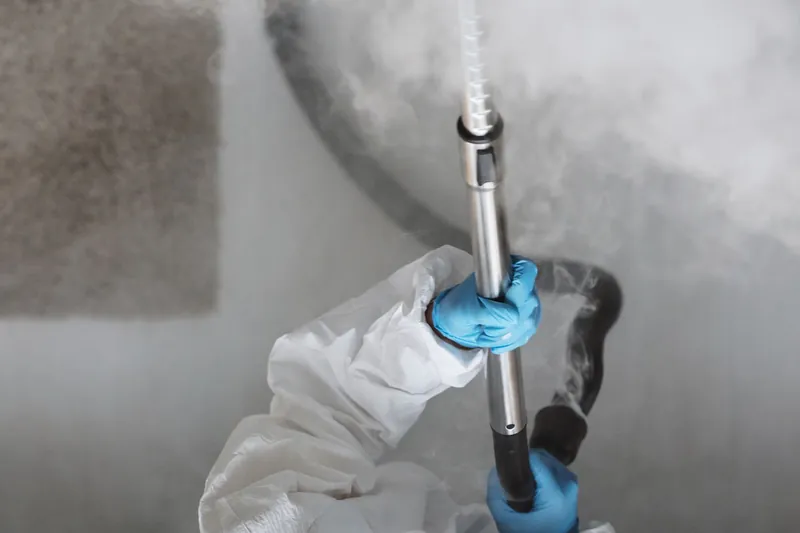
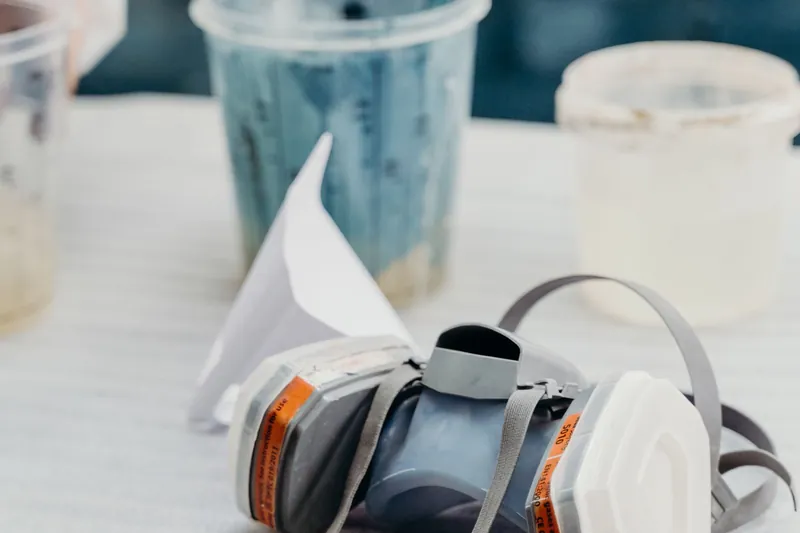
It is also called bio hazard cleaning, biohazard remediation, trauma cleanup or bio cleanup. Professional biohazard cleanup goes beyond ordinary deep cleaning. Using personal protective equipment, technicians trace every place contamination reached, remove porous items beyond disinfection, then restore affected areas to a livable condition.
Containment, entry and cleanup plans can be influenced by local housing, population and access details.
A local renter share of 26.6% means many properties may have one owner making decisions about access, drying, and material removal.
A 1979 median build year points to varied interior finishes, so each affected material needs its own cleaning or removal decision.
With 32.2% of seniors living alone, an unattended illness or death may go unnoticed, increasing the area affected by fluids and odor.
In this housing mix, fluids may affect a private subfloor or cross into a shared wall cavity, depending on the building.
Select a service below, or call for guidance when the right page for your needs is unclear.
After police release the property, crime scene cleaning addresses blood and odor.
See crime scene cleanup
Cleanup after an undiscovered death includes odor control and the effects of days of decomposition.
See unattended death cleanup
Respectful sorting, item removal and deep cleaning are included in hoarding cleanup.
See hoarding cleanup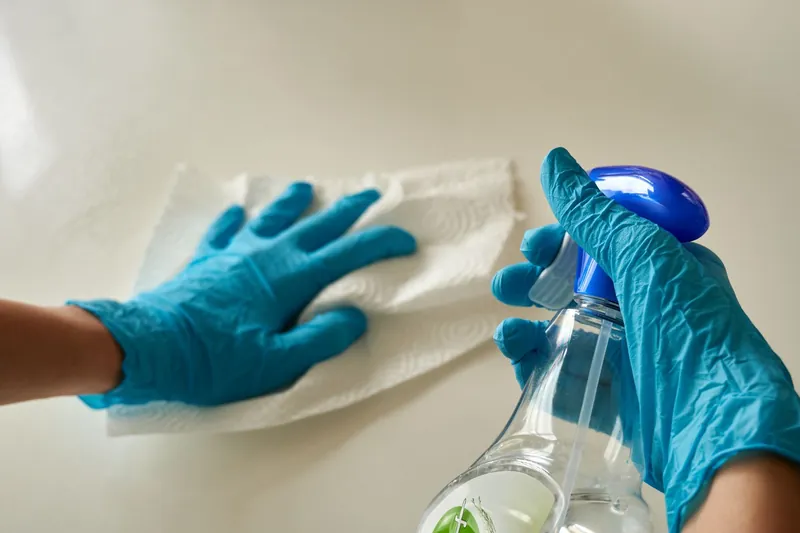
Carpet, solid floors, walls and furnishings receive blood cleanup that includes safe disposal.
See blood cleanup
Raw sewage cleanup treats Category 3 black water and includes both drying and disinfection.
See raw sewage cleanup
At the source, death odor removal uses air scrubbers plus hydroxyl and ozone treatment.
See death odor removalSelecting a service opens its nearest location page, or the primary city page when there is no closer option.
This is a one-time experience for most people. These first steps protect your health, your insurance claim and the final cleanup cost.
Call (888) 351-0904Fixr lists $3,000 to $5,000 as a typical national range for biohazard cleanup. The type of job changes the price. Guides put minor blood cleanup at $500 to $2,500, with sewage backup work at $2,000 to $10,000. Your actual cost is established after the on-site assessment.
Yes, often. Biohazard cleanup following a sudden incident, including a death, sewage backup or crime, is commonly covered by renters and homeowners policies, less your deductible.
The Illinois Attorney General's Crime Victim Services Division lists crime scene cleanup among the costs its compensation program can help offset, so victims of violent crime can ask about it. Insurance is usually checked first.
Coverage usually applies to sudden, accidental events. Coverage usually does not apply to hoarding or ongoing neglect. Speak with your insurance company before cleanup begins.
Death cleanup costs can often be covered by the estate. The executor or a family member usually takes care of this.
For common spaces and rental properties, cleanup is typically arranged and paid for by the property owner or manager.
Call at any time. A cleanup specialist can explain the next steps.
The health hazards from biohazards are real. What is visible usually represents only part of the contamination.
During decomposition, released bacteria, liquids and gases soak through floors and spread to other areas by way of vents.
Raw sewage carries E. coli, salmonella and hepatitis A, and wet materials can grow mold within 24 to 48 hours.
Hepatitis B, hepatitis C and HIV can live in blood. According to the CDC, hepatitis B remains viable on surfaces for at least seven days.
Surface cleaning with sprays or bleach misses fluids that have entered carpet padding, drywall and the subfloor. What is left behind brings odor and bacteria back, which is why decontamination services remove it.
Before removal begins, you learn the cleanup plan, every step and the factors that shape the price. No pressure and no surprises.
Hoarding and neglect are met without judgment, with respect for you and your loved ones through a difficult time. Your photos, important papers and keepsakes are placed aside.
You can call for emergency service at any hour, and crews come in unmarked vehicles so nearby residents and building staff are not told what occurred.
Photos of the work, notes on its scope and disposal records are prepared for your landlord, insurance company or the state victim program.
The biohazard cleanup process follows the same safe order for every job, from the first call to the final inspection.
The caller describes what occurred. Technicians inspect the scene, photograph it and agree the scope with you.
Technicians enclose the affected area in plastic so other parts of the property stay separated.
To keep affected material from being left behind, technicians cut out carpet, pad, drywall and other porous items that absorbed infectious materials, then seal them as medical waste.
Each surface receives cleaning and an EPA-registered disinfectant made for hospital use.
The odor source is treated using ozone, hydroxyl or air scrubbers, and the vents are also examined.
Tracking paperwork follows sealed waste to a permitted facility where medical waste is treated.
Where needed, ATP testing helps check that the space has returned to a livable condition. You also get photographs and documentation for your claim.
Your own contractor or a vendor working with your insurer can replace any removed drywall or flooring.
Crews use unmarked vehicles and keep their work as quiet as building conditions permit. A property manager may need to arrange access to shared areas.
Cleanup of a unit or shared space is often arranged by the owner. Your insurer can tell you which costs your policy may cover.
The initial reference is published cost ranges for the nation. Your price is determined by the cleanup company once affected materials, rooms and disposal needs have been assessed.
Once an authority releases the property, whether police, the medical examiner, coroner or another official, you can agree on a cleanup start time with the crew.
You can reach someone by phone 24 hours a day. Your cleanup start time is based on access, release of the scene and crew availability.
Someone answers your call 24 hours a day, on weekends and holidays too.