Crime Scene Cleanup
Crime scene cleaning after police release the property, from blood to odor.
See crime scene cleanupBiohazard cleanup is available by phone in ZIP 46410 for blood, crime scene, sewage, hoarding, death and other situations.
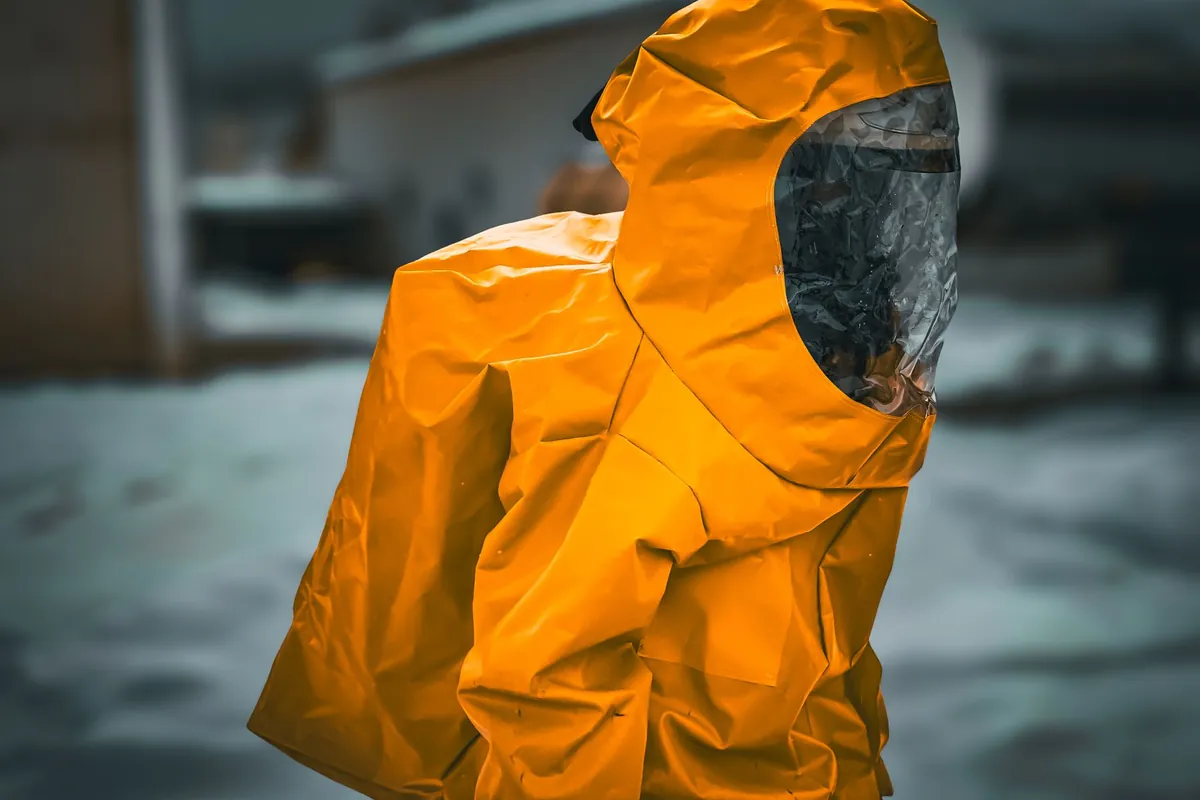
The safe disposal, removal and disinfection of bodily fluids, blood, tissue and other hazardous materials after an accident, crime, death, sewage backup or hoarding situation is biohazard cleanup.
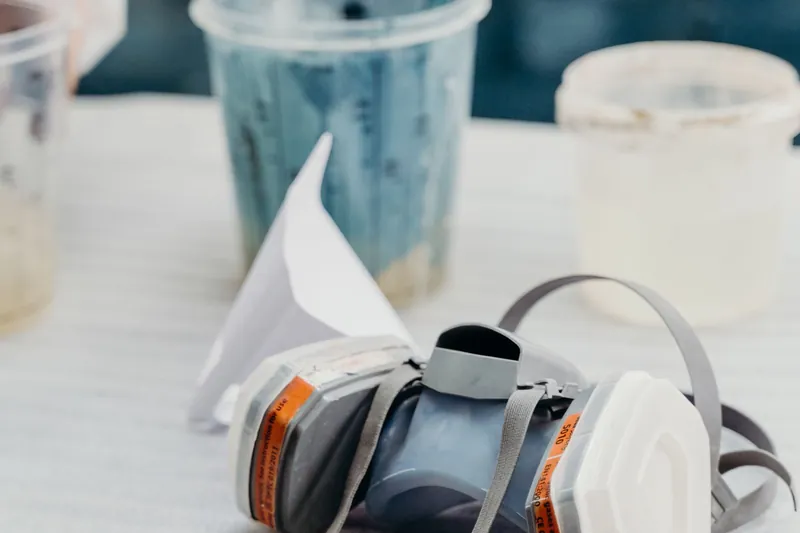
It is also called bio hazard cleaning, biohazard remediation, trauma cleanup or bio cleanup. Professional biohazard cleanup goes beyond ordinary deep cleaning. Using personal protective equipment, technicians trace every place contamination reached, remove porous items beyond disinfection, then restore affected areas to a livable condition.
Local population patterns, housing and site access may affect how containment and cleanup are planned.
The local mix includes 34.0% renter occupied homes, making it useful to establish who controls repairs before cleanup begins.
The median home in 46410 was built in 1979, so cleanup may involve common drywall, carpet, and sheet flooring assemblies.
There are 3,089 seniors living alone locally, so cleanup communication should be calm, clear, and accessible to distant family members.
The local mix includes 65.3% single-family homes, so privacy measures should reflect both detached and multi-unit settings.
If you cannot tell which page matches your circumstances, call or choose one of the services below.
Crime scene cleaning after police release the property, from blood to odor.
See crime scene cleanup
Cleanup after an undiscovered death includes odor control and the effects of days of decomposition.
See unattended death cleanup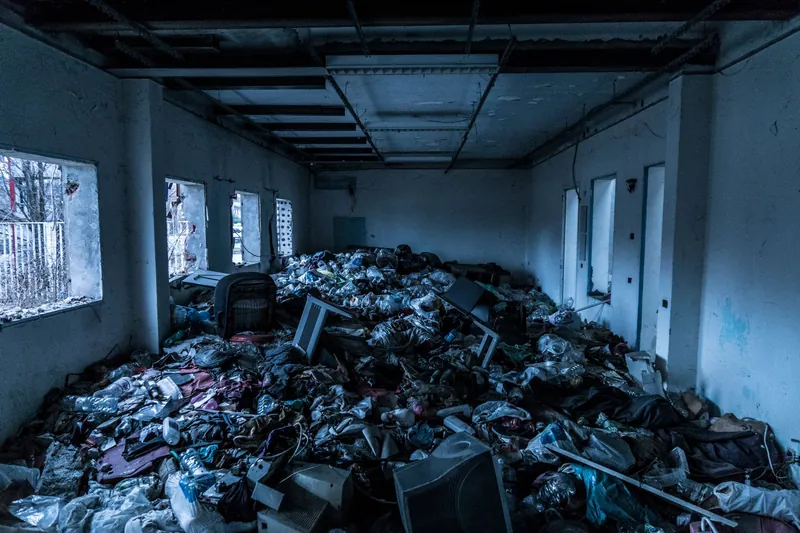
Hoarding cleanup with respectful sorting, removal and deep cleaning.
See hoarding cleanup
Walls, carpets, furnishings and hard floors receive blood cleanup, with safe disposal afterward.
See blood cleanup
Sewage cleanup removes Category 3 black water from raw sewage, then disinfects and dries the area.
See raw sewage cleanup
Death odor removal at the source with air scrubbers, hydroxyl and ozone treatment.
See death odor removalA service link takes you to the nearest location page, with the main city page used if none is closer.
For most people, this happens only once. Following the right opening steps helps protect your health while preserving your claim and cleanup cost.
Call (888) 351-0904For biohazard cleanup, a typical national range is $3,000 to $5,000 according to Fixr. Your price depends on the kind of job. Guides put minor blood cleanup at $500 to $2,500, with sewage backup work at $2,000 to $10,000. Your actual cost is established after the on-site assessment.
Often, yes. Biohazard cleanup following a sudden incident, including a death, sewage backup or crime, is commonly covered by renters and homeowners policies, less your deductible.
Owners or property managers usually pay for and organize cleanup inside rental units and shared areas.
Insurance generally covers events that are both sudden and accidental. Hoarding and long-term neglect usually are not. Ask your insurer before work starts.
After a death, cleanup costs can often be paid by the estate. This is generally managed by the executor or a family member.
Victims of violent crime can ask the Indiana Violent Crime Victim Compensation Program, run by the Indiana Criminal Justice Institute, about cleanup. The program lists crime scene cleanup as an eligible expense for crimes after July 1, 2022. Insurance is usually checked first.
Call at any time. A cleanup specialist can walk you through the process.
People can become seriously ill because biohazards are health hazards, and contamination often extends beyond the areas you can see.
Raw sewage carries E. coli, salmonella and hepatitis A, and wet materials can grow mold within 24 to 48 hours.
Bleach and sprays clean the surface but leave fluids in carpet pad, subfloor and drywall. What is left behind brings odor and bacteria back, which is why decontamination services remove it.
Decomposition releases fluids, bacteria and gases that soak into floors and travel through vents to other rooms.
HIV, hepatitis B and hepatitis C can live in blood. Hepatitis B may survive on a surface for at least seven days, according to the CDC.
There is no judgment around neglect or hoarding, only consideration for your family during a difficult time. Your photos, important papers and keepsakes are placed aside.
The process, every step of cleanup and all price factors are explained to you before anything gets removed. You face neither pressure nor surprises.
Photos of the work, notes on its scope and disposal records are prepared for your landlord, insurance company or the state victim program.
You can call for emergency service at any hour, and crews come in unmarked vehicles so nearby residents and building staff are not told what occurred.
The biohazard cleanup process follows the same safe order for every job, from the first call to the final inspection.
You start by describing the situation. Technicians examine and photograph the area, then confirm the work scope with you.
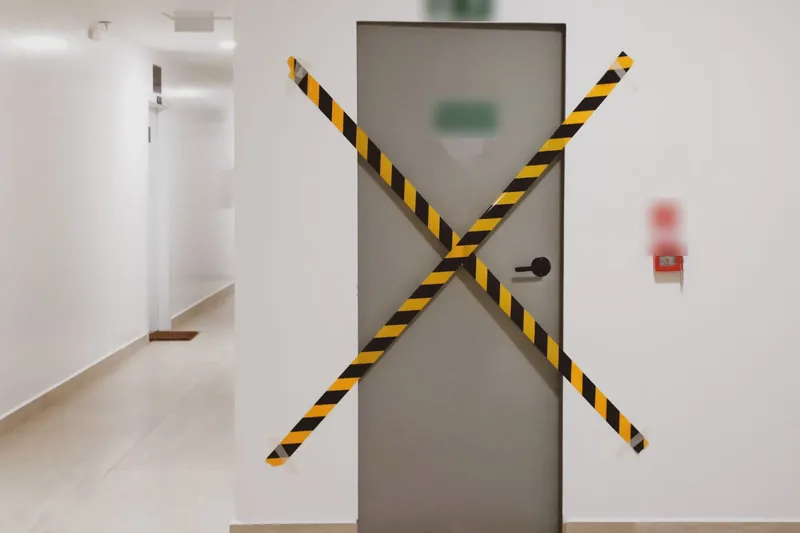
The affected area is sealed off with plastic sheeting so contamination does not spread to other rooms.
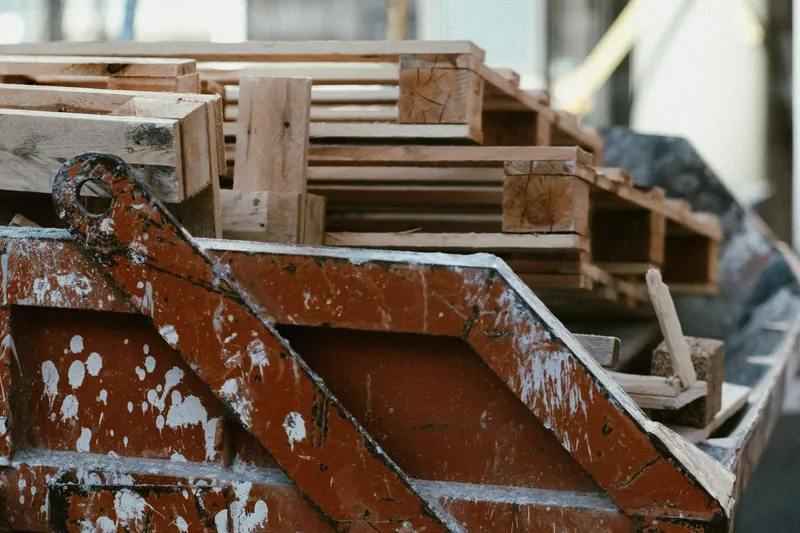
When infectious materials enter porous items such as drywall, carpet or pad, those items are cut away and contained as medical waste, with nothing left behind.
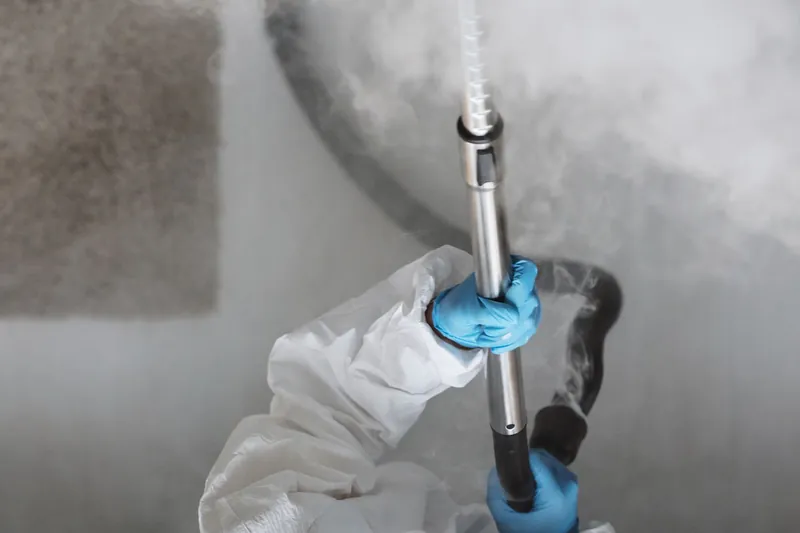
Every surface is cleaned and treated with EPA-registered, hospital-grade disinfectant.
The odor source is treated using ozone, hydroxyl or air scrubbers, and the vents are also examined.
Tracking paperwork follows sealed waste to a permitted facility where medical waste is treated.
Where needed, ATP testing helps check that the space has returned to a livable condition. You also get photographs and documentation for your claim.
Your own contractor or a vendor working with your insurer can replace any removed drywall or flooring.
For privacy, crews come in unmarked vehicles and limit noise as much as the building allows. A property manager may need to arrange access to shared areas.
For the rental unit or common area, the owner commonly coordinates cleanup. You can ask your insurer what your policy covers.
The initial reference is published cost ranges for the nation. The cleanup company sets the price after assessing the affected rooms, materials and disposal needs.
Cleanup can begin after police, the medical examiner, coroner or another authority releases the property and a crew agrees a start time with you.
You can reach someone by phone 24 hours a day. The actual start time depends on scene release, access and crew scheduling.
Your call is answered 24 hours a day, including weekends and holidays.