
Medical Waste Removal
Approved treatment facilities receive materials for disposal following medical waste removal.
See medical waste removalGet blood, bodily fluids and contaminated materials cleaned from a hospital, clinic, dental office, laboratory or care facility in Woodridge. The affected area is contained, cleaned, disinfected and documented.
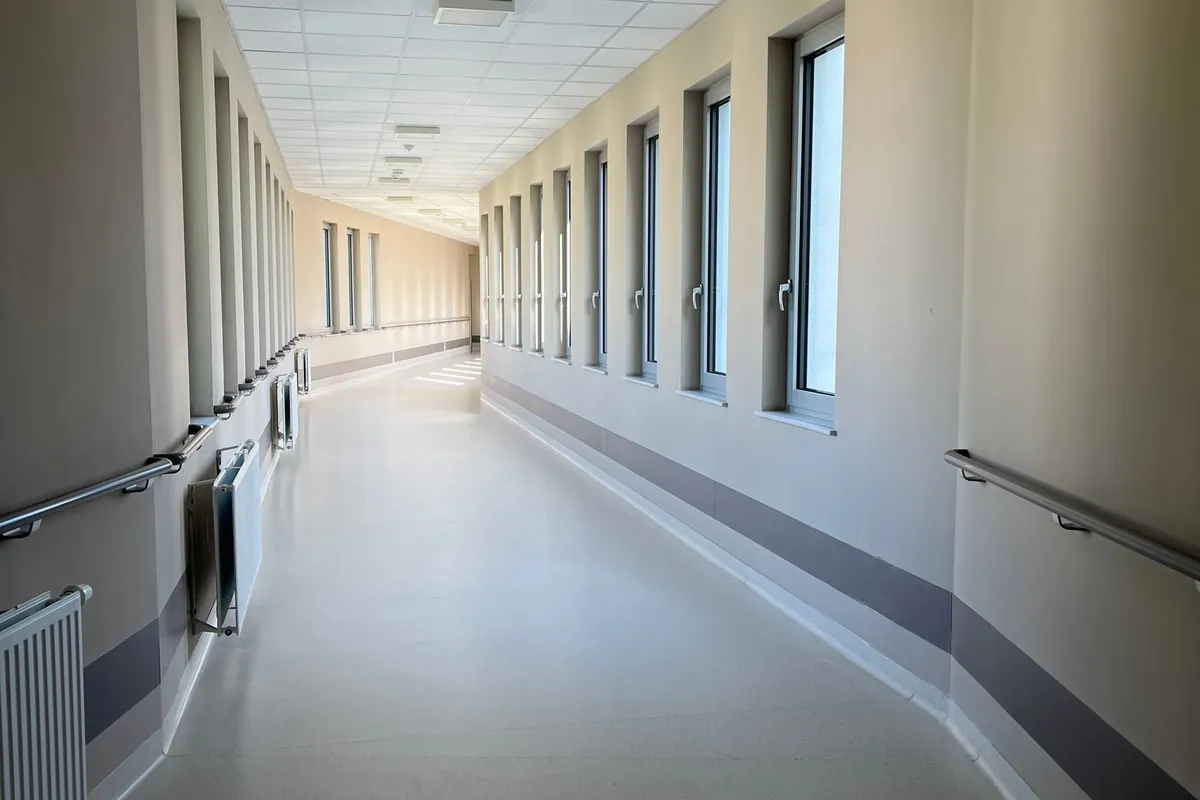
In medical settings, hospital and healthcare biohazard cleanup means controlled removal of contaminated materials, including blood and bodily fluids. Cleaning and disinfection follow throughout the affected area.
Professional cleaning services are used when a spill or emergency response is beyond routine environmental services. This work can take place in a hospital room, clinic, urgent care center, dental office, laboratory, dialysis center, nursing home or other care setting. The goal is to control access, remove visible material, disinfect cleanable surfaces and package waste through the proper route.
First, a cleanup team maps the affected space and notes every surface involved. It then divides salvageable surfaces from materials that must be removed. Hard, non-porous items can often undergo cleaning and disinfection, while soaked wallboard, carpet, unfinished wood, ceiling tile and similar porous materials may not be salvageable. Medicines, sharps, soft contaminated waste and hazardous materials each remain in separate waste streams.

Your administrator, insurance company or property contact can examine the work using organized scope notes, approved photographs and available waste documentation.
Crews can arrive in unmarked vehicles and carry equipment by an agreed route to avoid unwanted notice in areas still in use.
During your cleaning service comparison, have trained professionals outline what may stay or be removed, each cost-related step and the affected area. You receive straightforward answers from the right team.
Before returning the space, crews discuss containment, protective gear, cleanup, disinfectant contact time and separated waste with your facility contact.
When blood or material that may be infectious escapes its intended containment and affects a surface, item or room, hospital biohazard cleaning is needed. You may encounter situations such as:
Waiting areas, exam rooms, staff spaces and restrooms can be affected by urine, vomit, feces or other bodily fluids.
Restrict access around loose needles or contaminated broken glass, and use an appropriate puncture-resistant container for the sharps.
A spill, broken waste container or unplanned event can create cleanup needs in dental practices, labs, outpatient facilities and other medical areas.
Careful removal is required when blood affects equipment exteriors, bed frames, walls or flooring, followed by the product's complete disinfection contact time.
Start by protecting everyone near the hospital or healthcare spill and following your facility's exposure control plan before blood cleanup. If the scene involves law enforcement, cleanup must wait for release of the area. Take these actions first:
Call (888) 351-0904There is no published hospital-specific figure in the guides available. Typical national costs for general biohazard cleanup run $3,000 to $5,000. Residential averages are reported at $1,800 to $4,500. Published amounts more broadly span $1,500 to $25,000. Use these as general context, not a hospital quote. Actual cost varies with materials, waste, access requirements and the area affected.
These ranges come from published national cost guides, not from a site visit. The price for your property is set after the on-site assessment, and you hear it before work starts.
Ask about cost: (888) 351-0904Coverage depends on the cause of the contamination, the facility's policy and any contract that assigns responsibility. Routine cleaning is different from cleanup after a sudden event. Insurance assistance starts with clear records that help insurance companies assess the loss so you can move forward.
Scheduled medical waste collection and routine environmental cleaning are usually treated as expected facility costs. The appropriate internal account can be verified by your facilities contact or administrator.
Cleanup obligations or repair duties for the building can be assigned to either the tenant or owner through a clinic lease. Read the lease terms and alert the property representative before removal affects structural material.
Confirm policy eligibility with the insurance company for cleanup, removed items, waste disposal and any associated restoration. Record the claim number and document the cause.
Save invoices, the cleanup scope, any allowed photographs and available waste documentation. Check documentation requirements with the adjuster before discarded materials or repairs modify the affected area.
Hospital cleanup moves in a controlled order from assessment and containment to disinfection, waste packaging and a last check. This structure protects nearby areas and makes the work understandable to facility staff. The particular materials, affected surfaces and internal facility procedures shape the final scope.
Before work begins, cleanup technicians confirm the event, map the affected area and locate blood, bodily fluids, chemicals, sharps and porous items.
To keep unnecessary traffic away from surrounding rooms or equipment, the area is restricted and a clean entry route is planned.
The identified exposure determines the choice of protective gloves, garments, eye protection and respiratory equipment rather than one setup for every situation.
Any material that can be seen is absorbed before removal. Work moves inward from the outer boundary so liquid is not carried into floor joints or surrounding surfaces.
An EPA-registered disinfectant is applied after washable surfaces are cleaned, and the treatment remains wet as long as its label requires.
Crews carefully take out absorbent items when full cleaning is not possible. Chemicals and medicines are kept apart from sharps and soft waste so each follows its proper disposal route.
Without pressing bags down or mixing materials that conflict, hazardous waste goes into its correct closed container. An exterior check occurs prior to taking it out of the work space.
After your facility contact examines the work area, available records for waste, project scope and photos are prepared for the facility's files.
You can call anytime. You speak with a hospital and healthcare biohazard cleanup specialist who outlines the process and schedules a start time with you.
Blood, bodily fluids, loose sharps and hidden contamination can create serious health risks when the wrong tools or cleaning order are used.
Liquid can run beneath furniture, under wall trim or into floor seams. Treating just the central area you can see may leave contaminated material in place.
Ordinary bags can be pierced by needles or contaminated glass, putting anyone who hand-collects the item or presses the waste at risk of injury.
Care can be interrupted when an unrestricted cleanup area draws attention. To reduce unnecessary foot traffic and help safeguard patients, loved ones and personal property, keep boundaries clear and move supplies discreetly.
When a small blood spill is safe to clean yourself. Under your facility's blood spill procedure, prepared and assigned staff may address a small spill affecting a non-porous hard surface. When a spill exceeds facility capabilities, reaches absorbent material, contains loose sharps or has unknown limits, close off the area and request professional cleanup.
Hospital biohazard cleanup does not follow one fixed timetable. Contamination beneath porous flooring or across multiple rooms is likely to take longer than a contained hard-surface spill, and access conditions at the facility can affect the schedule.
| Scene | Typical time on site |
|---|---|
| Contained spill on cleanable surfaces | Finish time depends on assessment, removal of materials, cleaning, required contact time and the final inspection |
| One room with porous materials | Removal, waste packaging and coordination with repairs or restoration services add time |
| More than one area or waste stream | Staged cleanup, access coordination and containment can extend the schedule |
Odor after a spill can mean contaminated material remains in a seam, porous surface, waste container or nearby item. Odor removal starts with finding and removing that source. Fragrance does not clean it. Keep people away from the affected area before treating the air.
Source removal precedes hard-surface cleaning and disinfection, which must include the full contact time stated on the disinfectant label. During controlled work, HEPA equipment may capture airborne particles, yet it does not clean surfaces. If odor traveled farther, check HVAC returns and rooms near the original area.

When employees may encounter blood, the OSHA Bloodborne Pathogens Standard, 29 CFR 1910.1030, requires measures for training, protective equipment, exposure control and work practices.
Apply a disinfectant registered by the EPA for use on the specific surface and target organism. The product label gives a complete contact time during which surface wetness must be maintained.
Illinois treats soaked materials from a biohazard scene as potentially infectious medical waste (PIMW). Illinois EPA rules control how it is packed, transported and treated, so it cannot go in household trash.
In Cook County, the Cook County Medical Examiner's Office investigates sudden and unexplained deaths. Cleanup starts after police or the medical examiner release the scene.
Hospital biohazard cleanup does not follow one fixed timetable. Contamination beneath porous flooring or across multiple rooms is likely to take longer than a contained hard-surface spill, and access conditions at the facility can affect the schedule.
The full hospital and healthcare biohazard cleanup guide covers what is cleaned or removed, odor and air quality work, and the rules that apply in Illinois and DuPage County.
Read the full hospital and healthcare biohazard cleanup guideContainment, entry and cleanup plans can be influenced by local housing, population and access details.
With a 32.0% renter share, some cleanup calls require a tenant and property owner to agree on access and material removal.
Because the median home dates to 1982, cleanup plans should distinguish washable surfaces from absorbent carpet, padding, and wallboard.
In Woodridge, 1,149 older adults live alone, so relatives may need clear photos and records when managing cleanup from afar.
Single-family homes represent 56.5% of housing in Woodridge, creating a mix of detached properties and buildings with shared spaces.
You can ask about cleanup in nearby communities and ZIP codes during the call.
Approved treatment facilities receive materials for disposal following medical waste removal.
See medical waste removal
Pickup and disposal of biohazard waste use containers that are sealed and labeled.
See biohazard waste disposal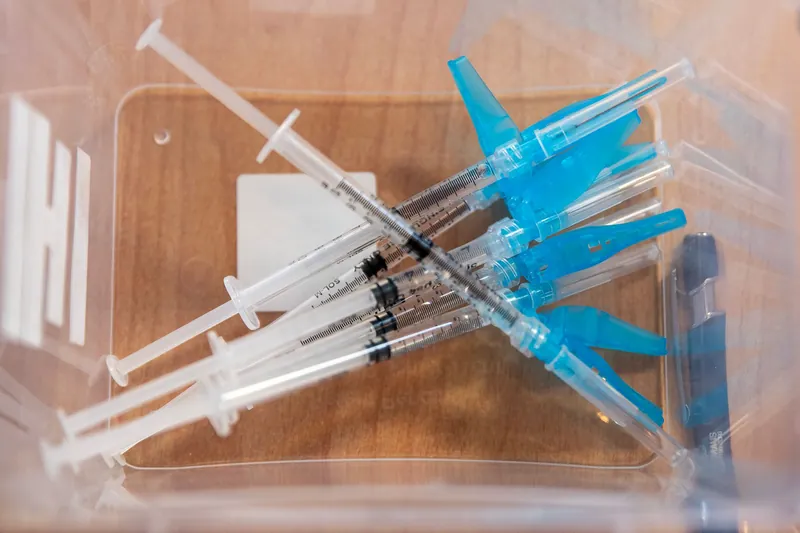
Cleanup removes sharps and needles from parks, rental sites, yards and encampments.
See needle and sharps cleanup
Blood spill cleanup removes spills of any size, including fresh and dried blood.
See blood spill cleanup
Cleanup that controls hepatitis B, hepatitis C and HIV exposure from blood.
See bloodborne pathogen cleanup
Across care settings, commercial spaces and homes, bodily fluid cleanup includes disinfection.
See bodily fluid cleanup
EPA-registered products are applied across all surfaces during infectious disease disinfection.
See infectious disease disinfection
Commercial and industrial sites receive biohazard cleanup with minimal downtime.
See commercial and industrial biohazard cleanupThe event's cause, your facility policy and any lease or service agreement determine coverage. Insurance may treat cleanup for an unexpected covered event differently than regular environmental cleaning or planned waste collection. Keep your claim number when you report the event, then find out which disposal, cleanup and repair records the insurance company requests.
Yes, continue using bloodborne pathogen precautions after blood has dried. The CDC says hepatitis B can survive on surfaces for at least seven days. Do not scrape or brush dried material, which can spread particles. Close off the space and follow clinic procedures covering exposure control, blood spill removal, surface cleaning and disinfection.
Hospital staff use established waste and exposure control procedures. Required closed waste containers hold absorbed blood and affected disposable items, while puncture-resistant sharps containers receive needles and other sharp objects. Medicines do not get combined with chemicals. Applicable rules from the facility, locality and state determine the final route for treatment and transport.
The available pricing data does not contain a range specific to hospitals. Ranges in general biohazard cost guides include $1,800 to $4,500 and $3,000 to $5,000, and the broadest published figures run from $1,500 to $25,000. Treat these figures only as context. Area size, materials, waste streams and access determine the actual cost.
Only a person assigned under the facility's procedure and prepared for blood exposure should enter the spill area. Notify the named facility contact, then have staff follow the plan for controlling exposure. Professional biohazard cleanup is appropriate when contamination is extensive, hidden, mixed with sharps or absorbed into porous building materials.
Timing is shaped by the affected area's size, surface materials, waste routes, facility access and any need to remove structural components. Contamination that reaches under a floor or into several rooms requires more work than a limited hard-surface spill. The cleanup team should define the work stages and access limits after assessment.
You can request respectful, discreet hospital and healthcare biohazard cleanup 24 hours a day, and crews use unmarked vehicles.