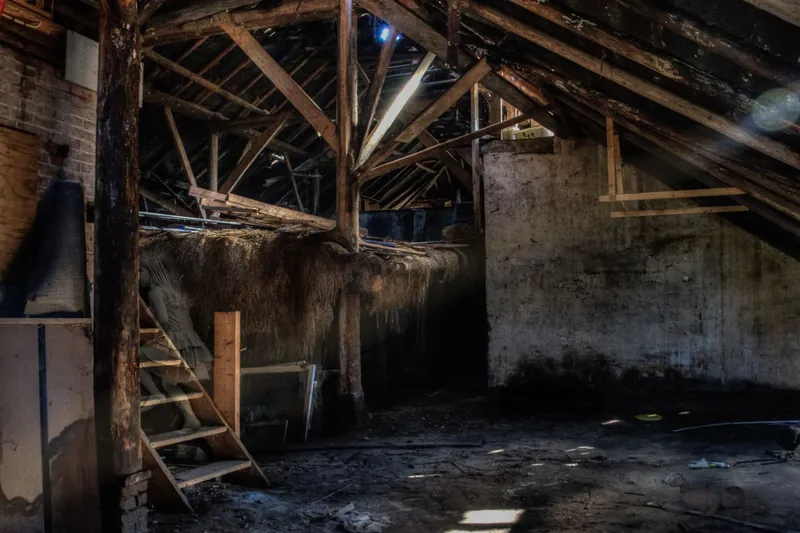
Bird and Bat Guano Cleanup
Bird and bat guano cleanup and disinfection in attics and structures.
See bird and bat guano cleanupGet mouse and rat droppings, urine, nests and soiled insulation removed from an attic, crawl space, garage or home in Willowbrook. Dry waste is wetted before removal to keep particles from spreading.
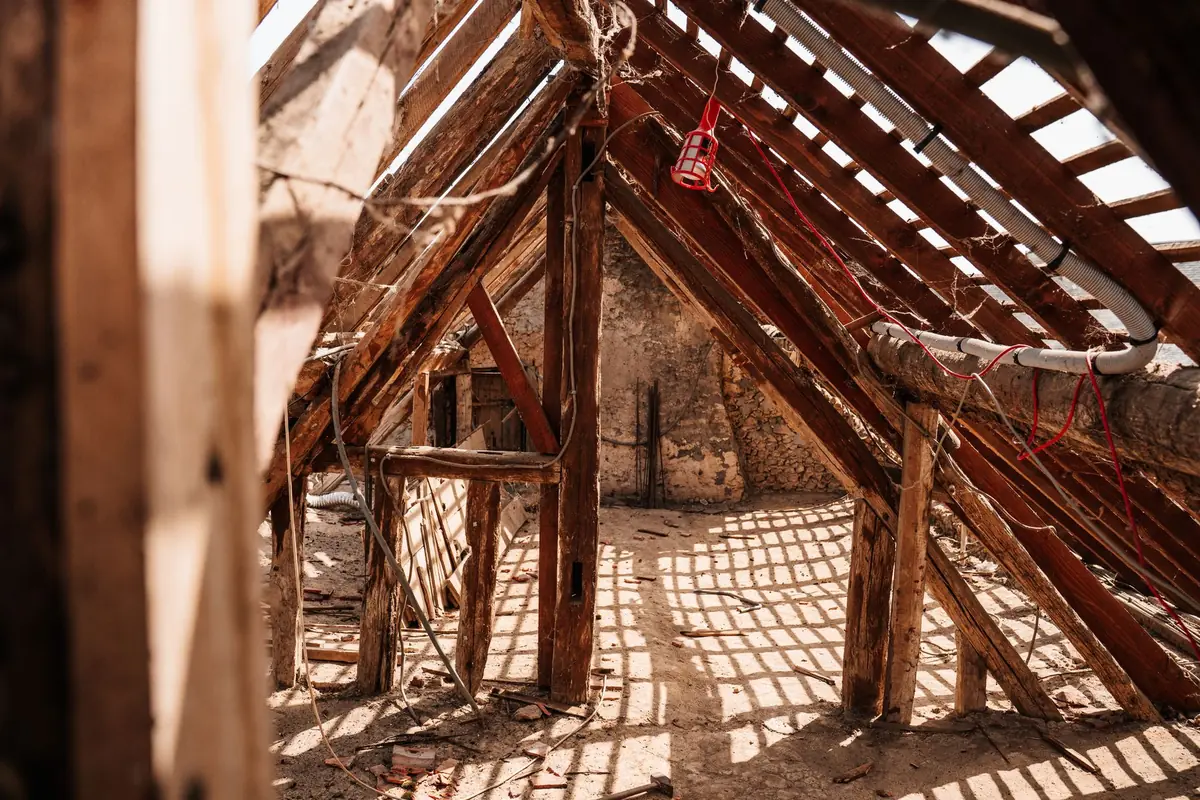
A rodent droppings cleanup uses controlled wet removal for mouse and rat waste, nests, urine and contaminated materials. It continues with surface cleaning, disinfection and odor treatment, then ends with an inspection of the affected space.
The affected space could be a shed, cabin, pantry, basement, attic, garage, storage room, crawl space or part of the living area. A technician checks areas beyond visible waste, including wall edges, the space below insulation and spots behind stored boxes where urine, debris or nests may remain. The biohazard work centers on residue left by rodents.
Conditions differ from one cleanup to another. Still, dry nests or droppings must not be blown, brushed or vacuumed, and a broom is not appropriate. The material is soaked using an appropriate disinfectant. After the entire label contact time, disposable tools are used to lift it. Hard surfaces undergo both cleaning and disinfection, and porous items with contamination are considered for removal. Separate pest control and entry-hole sealing can reduce the chance of infestation returning.
Condition and material type guide how personal property is evaluated. Items are not treated as waste simply because they were stored near the affected area.
You can call at any hour, and crews may arrive discreetly in unmarked vehicles. You can explain the situation without judgment and keep the work private.
The right team gives you a clear explanation of spaces to treat, materials that may be removed and factors affecting scope before cleanup begins.
Insurance companies, landlords and property owners may ask for photographs, an organized work scope and an inventory of materials taken away.
When access is difficult, contamination is widespread or absorbent materials are soaked, professional cleanup can make sense. Common examples are:
Shelves, packages and nearby food-contact areas may be affected when urine or droppings appear in storage spaces or cupboards.
A closed storage space can hold dry droppings, damaged boxes, nesting material and residue on tools, shelves and concrete.
Restricted height, uncovered ground, plumbing and weak ventilation add difficulty to safe access and damp waste removal.
Mouse waste and nests can reach belongings, insulation and rafters, including cramped sections that are hard to enter safely.
Until the cleanup team arrives, avoid disturbing dry material or carrying it beyond the affected space. These actions can protect clean rooms:
Call (888) 351-0904Rodent cleanup has a $150 to $600 benchmark according to HazardPros, and waste removal with disinfection has one of $600 to $1,000. The planning range for attic cleaning with new insulation is $2,200 to $6,200. None of these figures is a fixed quote. Pricing ultimately varies with area size, ease of access, insulation, odors and the quantity of waste.
National cost guides that have been published supply these ranges, not a visit to the property. After an on-site assessment, the price for your property is determined and shared with you before cleanup begins.
Ask about cost: (888) 351-0904Your policy, damage source and the insurer's classification determine coverage. The insurer may view the condition as damage that developed from pests over time, or as a covered event.
Report the contamination promptly to whoever manages the property. Who arranges and pays for cleaning can depend on the cause, the lease, building conditions and applicable local rules.
Photos, an itemized work scope, a list of removed materials and receipts may support a claim. Ask the insurer what records it wants before work begins when practical. Good documentation may let you move forward through the claims process.
Contact your insurance company to ask separately about coverage for cleanup, restoration and disposal of contaminated insulation. Pest damage that developed over time may be excluded, but policy wording differs.
Check your company's property insurance together with the rental agreement. Keep employees and customers outside the affected area while cleanup and insurance coverage are assessed.
A controlled sequence helps prevent dry rodent debris from spreading to adjacent areas. Rodent cleanup moves from assessment to wet treatment, removal and disinfection, and it concludes with a final inspection. Every stage and the complete scope are explained to you in advance.
Trained professionals inspect the rooms, attic or crawl space, note safe access and identify droppings, urine, nests, insulation, vents and personal property that may be affected.
Barriers divide the cleanup space from unaffected sections. Protective equipment is selected for the space, while a controlled access route limits tracking across the property.
Fresh air is introduced to closed spaces wherever doing so is safe. Fans are not directed through contaminated dust, and unprotected people stay outside the work zone.
Nesting debris and rodent waste are soaked using an appropriate disinfecting product. The surface stays wet for the contact time on the product label before removal.
Disposable tools pick up the moist material, which is sealed before cleanup advances to another section. It is not swept, shaken or dragged across clean floors.
You approve the removal scope before crews bag insulation, cloth, boxes or other porous contents that cannot be completely cleaned.
Crews first clean accessible nonporous areas, then use an EPA-registered disinfectant and leave it on for the entire contact time. Source material is taken away before work on air quality and odors begins.
The area is checked for missed debris, residue and odor. Your cleanup summary helps you plan any needed pest exclusion and restoration services as separate work.

You can call anytime. You speak with a rodent droppings and hantavirus cleanup specialist who outlines the process and schedules a start time with you.
Health risks can be serious when rodent contamination is heavy, especially where a space is dusty or enclosed. Droppings, nesting material and urine may carry germs, while disturbing them dry can make contaminated particles airborne and expose you through breathing.
Inside a confined room, fans and common cleaning equipment can push small dust particles into other areas. More dust may accumulate when cabins, attics or sheds remain shut.
Urine can soak into insulation, cardboard, fabric and unfinished wood. Removing what you can see may not address odors or contamination absorbed beneath porous surfaces.
Some wild rodents carry hantaviruses. People can be exposed when contaminated droppings, urine or nesting material are stirred into the air, which is why dry sweeping and vacuuming are avoided.
When a small blood spill is safe to clean yourself. You may be able to address a small number of droppings in an accessible spot by using protective gear and wet cleaning. Use gloves and safe ventilation, thoroughly wet the feces with disinfectant and leave the product for its label contact time before wiping and containing the debris. Do not vacuum or sweep dry material. Seek professional cleanup if rodent waste is heavy, widespread, dusty, difficult to reach or spread through insulation and stored belongings.
Cleanup can often preserve materials that are hard and sealed. By contrast, porous material may have to be removed when it absorbs droppings, urine or nest debris below its surface.

A small, accessible rodent cleanup may take a few hours. A full attic or crawl space often takes one to two workdays, while heavy contamination, difficult access or extensive insulation removal can take longer.
| Scene | Typical time on site |
|---|---|
| Compact garage or outbuilding with nonporous surfaces | Often completed in a few hours |
| A crawl space or attic requiring only some material disposal | Often one to two workdays |
| Extensive removal of insulation after a heavy infestation | More than two workdays could be necessary |
Rodent odor removal starts by finding the source. Urine, nests, dead rodents and soiled insulation can sit beneath stored items, beside ducts, along wall edges or inside building cavities. Fragrance may cover the smell for a short time, but it does not remove contaminated materials or clean the surface below them.
Reachable hard surfaces are disinfected and cleaned after removal of waste and affected absorbent materials. HEPA air scrubbers may help the air quality portion of extensive professional work, but cannot take the place of removing the odor source. When a smell reappears, hidden debris or an active infestation may remain, or an entry location may still require pest treatment and repair.

A small, accessible rodent cleanup may take a few hours. A full attic or crawl space often takes one to two workdays, while heavy contamination, difficult access or extensive insulation removal can take longer.
The full rodent droppings and hantavirus cleanup guide covers what is cleaned or removed, odor and air quality work, and the rules that apply in Illinois and DuPage County.
Read the full rodent droppings and hantavirus cleanup guideContainment, entry and cleanup plans can be influenced by local housing, population and access details.
In an area with 27.4% renter occupancy, direct homeowner approval can simplify choices about opening walls or replacing affected finishes.
Local housing centers on 1980, making inspection beneath finished surfaces important when contamination extends past the visible area.
Even at 28.2%, seniors living alone can benefit from regular contact that shortens the time before an emergency is noticed.
Single-family homes represent 40.9% of housing in Willowbrook, creating a mix of detached properties and buildings with shared spaces.
You can ask about cleanup in nearby communities and ZIP codes during the call.
Bird and bat guano cleanup and disinfection in attics and structures.
See bird and bat guano cleanup
Odors and dead animals are cleared out of wall cavities, vents and crawl spaces.
See dead animal removal and cleanup
Waste and urine-soaked items are removed and ammonia odor is treated during animal hoarding cleanup.
See animal hoarding cleanup
Complete decontamination treats the room, its surfaces and the air after a hazardous or infectious exposure.
See biohazard decontamination
Disinfection for infectious disease uses EPA-registered products with complete coverage of surfaces.
See infectious disease disinfection
Cleanup addresses severe filth and squalor when a home has become unsafe to live in.
See filth and squalor cleanup
Biohazard waste pickup and disposal in sealed, labeled containers.
See biohazard waste disposal
Crawl space sewage cleanup, including soaked insulation and soil.
See crawl space sewage cleanupA few droppings in an easy-to-reach, ventilated area may be manageable. Wear gloves, wet the material with an appropriate disinfectant, follow the full label contact time, wipe it up and seal the waste. Avoid using either a vacuum or broom. Professional cleanup is appropriate for large amounts, confined areas, contaminated insulation and medical concerns.
Hantaviruses occur among particular types of wild rodents. When contaminated urine, feces or nesting debris becomes airborne, breathing the particles can lead to exposure. Hantavirus illness does not occur often, but it may become serious. If you feel ill after a rodent exposure, tell a medical professional when and where the contact occurred.
According to HazardPros, the rodent cleanup benchmark runs from $150 to $600 while waste removal and disinfection run from $600 to $1,000 and attic cleaning with insulation replacement runs from $2,200 to $6,200 overall. The final price reflects how much material is taken out, where contamination occurred, entry difficulty, odor and insulation conditions.
No. Dry particles can circulate throughout a room when you sweep them or use a household vacuum. Keep others and animals outside the area. If ventilation is safe, air it out, then apply a suitable disinfectant and allow its full contact period before picking up debris with throwaway towels or tools.
A rodent droppings cleanup service can remove waste, nests and contaminated insulation from an attic. Live animals and openings are addressed by pest control. A separate cleanup service treats droppings, nests and residue left behind. Your questions should cover work-zone separation, removal methods and any restoration that must be arranged independently.
Cleaning and disinfection may save objects with solid surfaces such as glass, metal and hard plastic. Exterior surfaces on sealed plastic containers are usually suitable for treatment. Porous materials, including cloth, cardboard, insulation and nesting debris, may require disposal after urine contamination. Personal property needs an item-by-item assessment before anything is thrown away.
Discreet, respectful rodent droppings and hantavirus cleanup, 24 hours a day, with crews in unmarked vehicles.