Human Feces Cleanup
Human feces cleanup includes disinfection in homes, public restrooms and rental properties.
See human feces cleanupGet feces, urine, vomit, blood and other bodily fluids removed from a home, rental, care setting or workplace in Wildwood Community. The affected area is cleaned, disinfected and checked before it is used again.

Bodily fluid cleanup is a safe process for clearing other human waste along with feces, urine, vomit and blood. After removal, the affected area is cleaned, treated for odor and disinfected.
This work is different from ordinary housekeeping. A spill may reach carpet pad, seams, grout, unfinished wood or wall cavities. Cleanup technicians identify the full affected area and surrounding areas, protect unaffected rooms and decide which materials can be disinfected. For a larger biohazard remediation job, the entire process may also include containment, safe packaging, waste disposal and odor removal.
A home, school, hotel, apartment, restroom, workplace or care setting may require vomit cleanup, human feces cleanup, or combined urine and feces cleanup. Bodily fluid cleaning services apply to recent spills and contamination that happened repeatedly. Work focuses on source removal, a suitable product for every surface and preparing the space for its next use.

Cleanable belongings and keepsakes are separated from disposable materials. A conversation with you comes before an item removal choice whenever the conditions permit.
The right team outlines affected items, what stays and possible removals before work starts, then explains how the cleaning process can move forward.
Calls receive answers during daytime and nighttime, while unmarked vehicles are used for crew arrivals. Your needs are reviewed with care, and the opening is restricted to the necessary area.
For managers and property owners, available waste paperwork, photographs and a clear scope may be organized for evaluation by the insurance company.
Professional cleanup is appropriate when bodily fluids cover a broad area, enter porous materials or create a health concern that ordinary cleaning cannot resolve. Every situation is different, but common needs include:
Persistent odor and contamination can follow repeated accidents that penetrate carpet, subfloor, baseboards and mattresses, which may call for feces and urine cleanup.
Human or animal waste may be found during a move-out, welfare check or cleanup of a heavily neglected property.
In a workplace or residence, blood and additional fluids from an injury may contact furniture, flooring, equipment and walls.
Professional human feces clean up may be needed when a toilet accident, illness or loss of mobility leaves fecal matter on flooring, bedding, walls and nearby belongings.
Protect people first and avoid spreading material beyond the original spot. If this is an emergency response or law enforcement is involved, wait until the area is released to you. Take these steps while arranging a cleaning service:
Call (888) 351-0904For cleanup of a small fluid or blood incident, published guides list $500 to $2,500. A wider figure comes from one blood cleanup pricing guide, which gives $300 to $4,000. The figures support comparison rather than setting one charge for every job. Actual bodily fluid cleanup cost varies with the fluid, affected space, surface types, disposal of waste and necessary odor treatment.
National cost guides that have been published supply these ranges, not a visit to the property. You learn what your property will cost after the on-site assessment and before any work begins.
Ask about cost: (888) 351-0904Whether coverage applies depends on how the contamination occurred, along with policy limits, terms and your deductible. For work without immediate urgency, discuss biohazard cleanup with the insurance company before giving authorization.
Save your photographs, claim number, invoices, disposal documentation and work scope. Records from cleanup do not ensure payment since coverage is decided by insurance companies.
Victims of violent crime can ask the Illinois Attorney General's Crime Victim Services Division whether cleanup costs can be included in a compensation claim. Insurance is usually checked first.
A policy may cover cleanup tied to a covered sudden event, but routine sanitation, neglect and maintenance are commonly treated differently. Check the terms in your policy.
Property owners and business managers can ask whether the building policy applies and what records the adjuster needs before damaged materials are removed.
This bodily fluid remediation process covers every stage between the opening assessment and final check. To protect clean rooms from transferred contamination, trained technicians and trained professionals work in a controlled sequence. The particular fluid, distance traveled and affected materials shape their approach.
The team identifies the source, affected areas, nearby surfaces, porous materials and any sharp or hazardous materials that need special care.
The work area is separated from clean rooms. Protective gear, including clothing, gloves and eye protection, is chosen to suit the exposure.
Before moisture-based cleaning starts, careful collection of pooled fluids and solids helps keep material from splashing or reaching surrounding areas.
When liquids penetrate beyond complete cleaning, removal may be necessary for carpet padding, upholstered furniture, unfinished timber or damaged drywall.
Remaining surfaces are cleaned first, then treated with an EPA-registered disinfectant for the full contact time stated on its label.
The team checks and cleans door knobs, fixtures, switches and surrounding surfaces wherever hands, equipment or shoes might have transferred material.
Discarded items are contained and routed in line with the waste rules that apply. Treatment for smells starts after removal of the contamination source.
The work area is checked for remaining soil and odor. Photos, disposal documentation and the work scope may help with property records and insurance assistance.

Phone support stays available. A bodily fluid cleanup specialist answers, explains the steps and agrees a start time with you.
Bodily fluids may carry germs or combine with infectious material. Contamination can also remain beneath the visible surface when porous materials absorb it.
Liquid can soak into drywall, unfinished wood, mattresses, carpet and its padding. A wiped surface may still hide contamination and odor beneath it.
People with weakened immunity, older adults and children can experience greater harm after exposure. The affected area should remain off limits to them as an initial precaution.
Bacteria, parasites and viruses capable of causing illness can exist in feces. Touching it or transferring it to food, hands and high-touch surfaces can spread illness.
When a small blood spill is safe to clean yourself. A small, fresh spill on a hard, non-porous surface may be manageable with disposable gloves, careful removal and an EPA-registered disinfectant used for the full label contact time. Seek professional cleanup if you do not know the source, blood or sharps are present, the waste is widespread or liquid soaked into wood, carpet, furniture or drywall.
Whether a material stays depends on its condition and absorbency. Thorough disinfection and cleaning often allow hard, intact items to remain, while materials with unreachable contaminated layers may require removal. When this work reveals damage, restoration services can repair walls, flooring and other parts of the building afterward.

Cleanup time varies with affected-area size, depth of fluid absorption and any need to take materials out. A new spill limited to the surface involves less work than contamination repeated throughout multiple rooms.
| Scene | Typical time on site |
|---|---|
| Minor fluid spill on one non-porous area | Cleaning, disinfection and contact time |
| One room with porous materials | Material removal followed by cleaning, disinfection and odor inspection |
| Several rooms or repeated contamination | A longer schedule with cleaning and removal completed in stages |
Odor treatment must begin at its source, which needs to be located and removed. A fragrance can temporarily hide feces, urine or vomit odor, yet it leaves fluid untouched when it is behind a baseboard, under flooring or inside furniture.
Drying and ventilation follow once surfaces have been cleaned and contaminated material has been taken out. HEPA air scrubbers can help collect particles from the air while work is underway. Persistent odor may point to fluid retained in porous material, so seams, neighboring contents, floor edges and wall bases belong in the final inspection.

Cleanup time varies with affected-area size, depth of fluid absorption and any need to take materials out. A new spill limited to the surface involves less work than contamination repeated throughout multiple rooms.
The full bodily fluid cleanup guide covers what is cleaned or removed, odor and air quality work, and the rules that apply in your state.
Read the full bodily fluid cleanup guidePlanning for access, containment and cleanup can depend on local population, housing and entry conditions.
Wildwood Community is listed about 1.7 miles from Amita Health Resurrection Medical Center, a relevant distance when prompt evaluation follows a biohazard exposure.
Amita Health Resurrection Medical Center, about 1.7 miles away, is the nearest listed hospital, while Advocate Lutheran General Hospital is another emergency care option.
Wildwood, North Edgebrook, and Edgebrook Manor are nearby, which helps define practical routes for crews, equipment, and sealed waste containers.
In the area, identifying the correct building entrance can reduce unnecessary movement through shared spaces during a sensitive cleanup.
Your phone conversation can include questions about service in nearby ZIP codes and communities.
Human feces cleanup includes disinfection in homes, public restrooms and rental properties.
See human feces cleanup
Urine cleanup and odor removal address furniture, floors and subfloors.
See urine cleanup
Vomit is cleaned and the area disinfected to stop the spread of norovirus and other germs.
See vomit cleanup
Blood cleanup on carpet, hard floors, walls and furniture with safe disposal.
See blood cleanup
Blood spill cleanup removes spills of any size, including fresh and dried blood.
See blood spill cleanup
Cleanup controls the risk of blood exposure involving HIV, hepatitis C and hepatitis B.
See bloodborne pathogen cleanup
After exposure to infectious or hazardous material, the air, room and surfaces are fully decontaminated.
See biohazard decontamination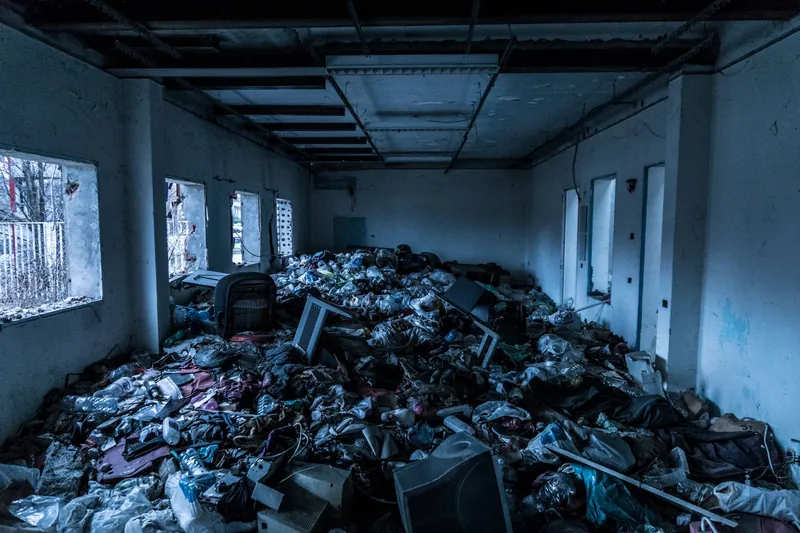
Deep cleaning, respectful sorting and removal are all part of hoarding cleanup.
See hoarding cleanupIndeed. Vomit counts as bodily fluid and might carry organisms that pass illness to others. Cleanup should remove the material without splashing, clean visible soil and then use an appropriate EPA-registered disinfectant for its full label contact time. Clean surrounding high-touch areas as well when footwear, hands or equipment may have transferred contamination.
It may, depending on the cause of the loss and your policy. A sudden covered event may be treated differently from routine cleaning, long-term neglect or maintenance. Before starting non-urgent removal, tell your insurance company what occurred and ask about biohazard cleanup, approval, documentation and deductible requirements.
The right cleaner depends on the surface and the product label. Remove the fecal material first, then clean all visible soil. The EPA-registered disinfectant must be labeled for your surface and organism concern, with its directions for dilution, contact time and safety followed. Mixing cleaning chemicals can produce hazardous fumes, so always keep them separate.
Not always. A small, fresh spill with known contents on an intact, non-porous surface may be manageable with gloves, careful cleaning and a suitable disinfectant. Call for professional cleanup when blood or sharp objects are involved, the source is unknown, fluid entered porous materials or the affected area is too large to control safely.
Human feces can contain bacteria, viruses and parasites that cause illness, so it should be treated as biological contamination. Keep people and pets away, avoid creating dust or splashes, and wash hands after any possible contact. Broad contamination and fecal matter in carpet, wood or furniture call for controlled removal and disinfection.
A small cleanup involving blood or fluid is listed in comparison data at $500 to $2,500. A separate blood cleanup pricing guide places the range at $300 to $4,000. The amount you pay is affected by the liquid involved, extent, material, disposal needs and odor work. You need an evaluation since those published costs do not fit every property.
Crews offer discreet and respectful bodily fluid cleanup, arrive in unmarked vehicles and take calls 24 hours a day.