Fentanyl Decontamination
Fentanyl decontamination of surfaces, vehicles and rooms after exposure.
See fentanyl decontaminationGet meth residue testing, decontamination, material removal and clearance steps for a home, rental, business or vehicle in Western Springs. Keep people out of affected areas until the property has been assessed.
Meth lab cleanup tests for contamination and removes or cleans it after methamphetamine residue or chemicals from drug production affect a residence, rental property, workplace or vehicle.
A clean appearance does not rule out contamination. Smoke produced by meth use can leave residue on floors, personal property, cabinets, walls, appliances and ceilings. Acids, fuels, unknown chemical mixtures, salts and solvents can be found at a production location. A careful assessment of these hazards must happen before ordinary cleaning starts or anyone shifts a container.
The biohazard remediation process should follow the testing results and the rules for the property location. Cleanup technicians isolate the affected area, use protective equipment, remove materials that cannot be cleaned, wash remaining surfaces and address the air system when needed. Post-remediation samples then show whether the tested areas meet the applicable clearance level.
An item-by-item assessment of materials and physical condition identifies belongings that might be cleaned and those that may need discarding.
The right team should give you details about sampling, affected areas, decontamination techniques, removal choices and final clearance before work starts.
Your property's other rooms face less transfer of contaminated materials, residue and tools when crews establish controlled zones and clean access paths.
A cleaning service can keep images, scope records, test findings and disposal documents together, giving you useful documentation to move forward once the property clears.
Testing or a trustworthy property history may indicate contamination caused by meth production or use. In that case, the property needs meth decontamination cleaning services. Its history and test findings guide each situation. Examples include:
Suspected drug use comes to a property manager's or landlord's attention once the tenant leaves, requiring testing ahead of renovations or reletting.
Inside cars, trucks and recreational vehicles, residue can remain on carpet, seats, vents and trim.
After law enforcement releases a former meth production property, multiple rooms may still contain chemicals, residue or stained materials.
Work pauses when contractors encounter unusual containers, evidence of chemical staining or an old notice, before contaminated dust can spread.
Start by limiting exposure and stopping residue from spreading. Before a professional cleanup starts, take the following steps:
Call (888) 351-0904Published figures from PushLeads set the typical cleanup average at $15,000 to $20,000. Its broader meth lab cleanup range begins at $5,000 and reaches $120,000 depending on the scope. Repeated smoking confined to one space is unlike chemical production affecting a whole property. Material removal, testing, local clearance requirements and work on the air system also affect the final scope.
The figures shown are national ranges from published cost guides and are not based on an on-site visit. After an on-site assessment, the price for your property is determined and shared with you before cleanup begins.
Ask about cost: (888) 351-0904Coverage for meth contamination depends on both the cause and insurance policy, which may exclude pollution, vacancy, criminal acts or contamination. Promptly report what was found and ask about available insurance assistance. Before approving work that is not an emergency, request the coverage decision in written form.
Store law enforcement clearance, lab findings, photos, the cleanup plan, waste documents, bills and the final clearance record in one place.
Securing evidence and clearing the property may fall to law enforcement, but arranging subsequent testing and decontamination generally falls to the owner.
Let the insurance company know what revealed the contamination. Ask the insurer if benefits apply to tests, decontamination, material removal and loss of use.
For rental properties, property owners often set up testing and cleanup. You must address property safety separately from trying to collect expenses from a tenant.
A measured sequence is used for the meth lab cleaning process. Each part must align with the property's assessment, its plan for testing and the local clearance rules that apply.
Ask if trained technicians will evaluate the police release, property background, visible risks, interior layout, air system and likely contamination pathways ahead of cleanup.
Sampling surfaces helps locate affected areas and set an initial benchmark. Sampling locations and methods should follow the applicable local protocol.
Containment, material disposal, surface cleaning, contents treatment and closing clearance work are defined in the written scope.
The affected workspace is contained away from clean areas. Cleanup technicians wear protective gear selected for the site's chemical dangers, contaminated dust and residue.
Items that cannot meet the necessary standard after cleaning, such as carpet, underlay, insulation, upholstered furnishings and harmed building materials, may be taken out for waste disposal.
Material-specific methods are used in a controlled sequence to clean the remaining walls, ceilings, floors, fixtures and cabinetry.
Separate assessments cover portable possessions and building ventilation. Each item's condition and sampling findings guide the choice to clean, isolate or discard it.
When the cleaned area is prepared for testing, clearance samples establish whether additional work must occur ahead of reoccupation.

Phone support stays available. A meth lab cleanup specialist answers, explains the steps and agrees a start time with you.
A property previously associated with meth can pose serious health hazards despite having no powerful odor. The risks include contact through your skin, contaminated dust and production chemicals that remain.
Residue can settle on counters, walls, floors, toys and other frequently touched items. You cannot determine clearance compliance from a surface's appearance alone.
Unknown liquids, powders and unmarked vessels can react, burn or cause corrosion. Keep them closed, never smell or mix them, and keep them out of ordinary trash.
Tearing out drywall or carpeting ahead of testing may create dust that transfers residue to tools, clothes and unaffected spaces.
When a small blood spill is safe to clean yourself. Do not treat suspected meth contamination as a small household spill. Ordinary cleaning supplies do not reveal how widely residue spread or prove compliance with local clearance requirements. The safer approach starts with tests and a plan specific to meth remediation.
Meth lab cleanup can take several workdays for a limited area and several weeks for a larger production site. Testing turnaround, material removal, repeated cleaning and clearance sampling control the schedule more than room count alone.
| Scene | Typical time on site |
|---|---|
| Restricted residue affecting little space | Several days of work, plus time for laboratory processing |
| Several rooms or HVAC involvement | Often one to several weeks |
| Former production site with chemical damage | May extend across several weeks and require another round of clearance |
Odor is not a reliable meth test. A sharp chemical smell can warn you to leave, but a property can have surface residue with little or no noticeable odor. Do not enter to investigate a smell or use fragrance to cover it.
Odor removal and air quality work begin with source control. Production chemicals, contaminated porous materials and settled dust must be addressed before air cleaning can help. The assessment may include the HVAC system, filters, ducts and connected rooms. Clearance decisions should rely on the required sampling, not on whether the space smells clean.

Clearance standards and rules vary across state and local jurisdictions. Before starting remediation, check the applicable standard with the relevant health, building or environmental authority.
A local protocol might set requirements for sampling design, laboratory analysis and final clearance reports. Keep records because owners, buyers, tenants or officials may request them.
Unknown chemicals and contaminated debris cannot automatically go into household trash. Local regulations and site findings guide both disposal and waste classification.
Manage needles or infectious waste apart from any associated drug-related materials. (Illinois treats soaked materials from a biohazard scene as potentially infectious medical waste (PIMW). Illinois EPA rules control how it is packed, transported and treated, so it cannot go in household trash.)
Meth lab cleanup can take several workdays for a limited area and several weeks for a larger production site. Testing turnaround, material removal, repeated cleaning and clearance sampling control the schedule more than room count alone.
The full meth lab cleanup guide covers what is cleaned or removed, odor and air quality work, and the rules that apply in Illinois and Cook County.
Read the full meth lab cleanup guide
Local housing, population and access details can shape containment, access and cleanup planning.
Because renter occupancy is 4.4%, cleanup discussions often can focus on the household without a separate property manager involved.
The local median home dates to 1961, making a room by room material assessment more useful than one cleaning method everywhere.
In Western Springs, 389 older adults live alone, so relatives may need clear photos and records when managing cleanup from afar.
In an area with 93.7% single-family housing, sewage or fluids may reach lower levels through stairs, drains, and utility openings.
During your call, ask whether cleanup is available in surrounding communities and ZIP codes.
Fentanyl decontamination of surfaces, vehicles and rooms after exposure.
See fentanyl decontamination
Removal of needles, pipes and drug residue from rentals and properties.
See drug paraphernalia cleanup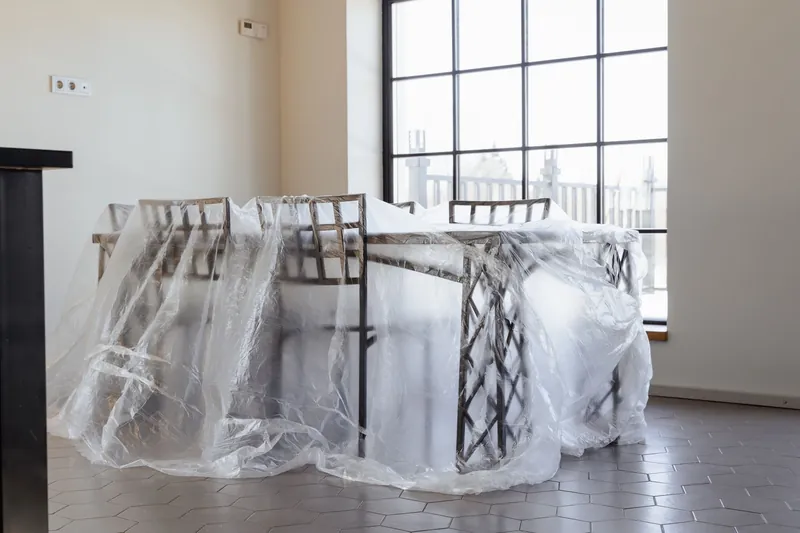
Cleanup of a grow house addresses mold, chemicals and harm caused by indoor cultivation.
See marijuana grow house cleanup
Hazmat cleanup uses suitable protective equipment when addressing hazardous materials.
See hazmat cleanup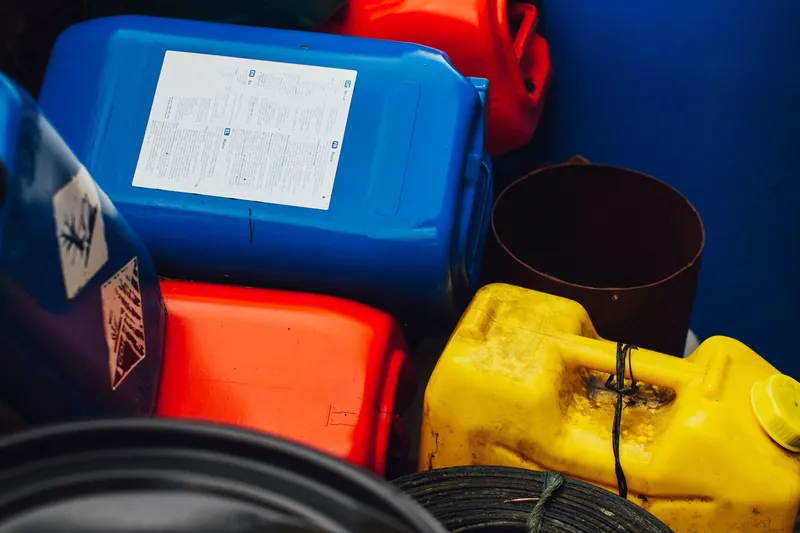
Waste cleanup removes toxic and chemical material for safe disposal.
See chemical and toxic waste cleanup
After exposure to infectious or hazardous material, the air, room and surfaces are fully decontaminated.
See biohazard decontamination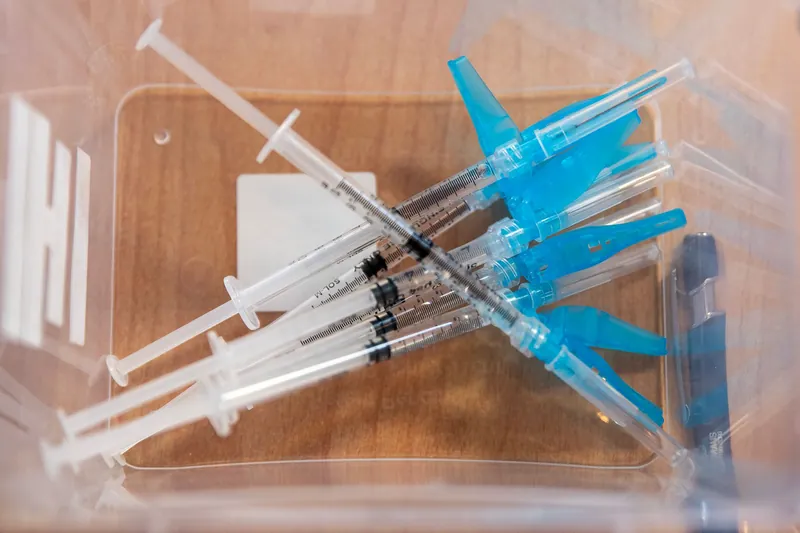
Needles and other sharps are cleaned from rentals, outdoor yards, encampments and parks.
See needle and sharps cleanup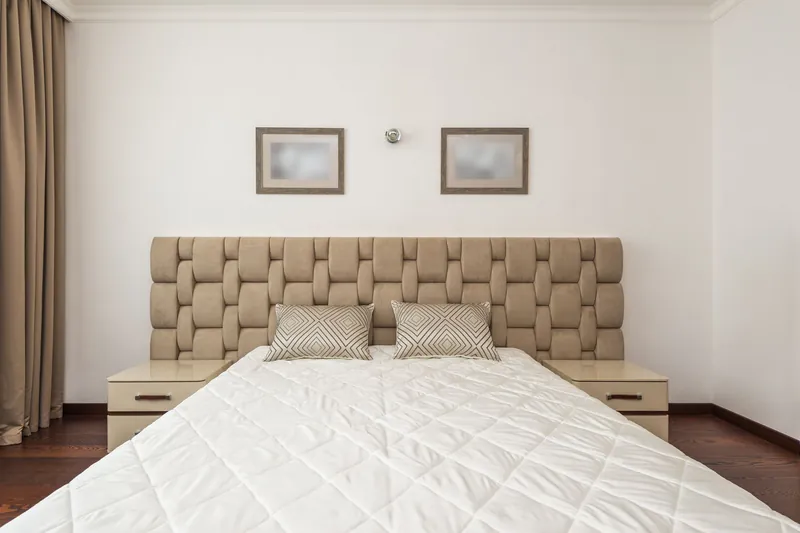
Rental property biohazard cleanup covers hotels and Airbnb units as well as rentals.
See hotel, airbnb and rental biohazard cleanupAssess every possession according to its construction, physical state, worth and degree of contamination. Cleaning may be possible for certain solid, washable items. Carpet, upholstery, books and other porous items can be difficult to remediate. Decisions to clean, set aside, sample or discard possessions should appear in the work plan.
A controlled remediation process addresses a meth lab property affected by meth residue or manufacturing chemicals. Under applicable property rules, cleanup involves evaluation, surface sampling, containment, disposal of uncleanable materials, treatment of retained surfaces and clearance testing after remediation.
Payment depends on policy language, the contamination's origin and any vacancy, criminal-act, pollution or contamination exclusion. Promptly tell the insurance company how you found the problem, then ask about benefits for testing, decontamination, material removal, alternate housing and final sampling.
A meth clearance test is different from disinfection with bleach. Bleach use cannot reveal the remaining residue level, while combining cleaners near unidentified laboratory chemicals may create danger. The cleaning method should come from the remediation plan and suit the wall finish, contamination level and local requirements.
You may need tests when police have recognized a past lab, reliable property history confirms production or credible proof indicates ongoing meth use. Chemical staining, unusual containers and strong odors are warning signs, but appearance and smell cannot confirm that a property is clear.
PushLeads publishes $5,000 to $120,000 as the broad range and reports a typical average of $15,000 to $20,000. Your price varies based on square footage, smoked or manufactured meth, ventilation impacts, testing, discarded materials and the total cleaning and clearance rounds required.
Respectful, discreet meth lab cleanup is available 24 hours a day, and crews arrive in unmarked vehicles.