
Biohazard Cleanup
Cleanup removes infectious material, including blood and body fluids, and disinfects the property.
See biohazard cleanupStart by keeping everyone out of the affected space and ask for guidance before you touch any contaminated item. Decontamination includes removing unsafe material, cleaning surfaces that can be saved and using an appropriate disinfectant. It also deals with waste, air quality and odor, giving you clear details for deciding what comes next.

Biohazard remediation is a controlled process for taking biological contamination out of a property. It continues with cleanup, disinfection and proper disposal, followed by a close inspection before the affected area returns to ordinary use.
Events that may require the work include an unattended death, blood or other bodily fluid exposure, sewage backup, a trauma scene, serious hoarding conditions and infectious illness. Unlike ordinary cleaning of visible dirt, biological remediation tracks possible contamination into porous materials and narrow gaps, and into surrounding spaces through airflow, tools or footwear.
Separating clean rooms from the active work zone is part of a complete process. Trained technicians put on protective equipment and remove hazardous materials when disinfection is not possible. Visible soil is cleaned away before an EPA-registered disinfectant stays in place for the entire contact time stated on its label. You should receive an explanation of each step from the biohazard remediation company. The scope may extend to belongings, odor treatment, air filtration, hazardous waste packaging, and insurance company or property owner records.

You can discuss the areas covered, materials to be cleaned or removed and any conditions that may affect the plan before authorizing work.
Meaningful personal property such as keepsakes, documents and photos may be separated so you can discuss it prior to any removal choice.
As you evaluate biohazard remediation companies, find out whether trained professionals use unmarked vehicles, contain the work zone and avoid drawing needless attention.
Organized images, inventories, scope notes and waste documents can support the property file, your adjuster or landlord as you move forward with restoration services.
Biological material can create a health concern that calls for an emergency response cleanup service instead of routine cleaning. Because every situation needs a suitable cleaning approach, there is no single service for all cases. Common situations include:
Following release by law enforcement, contaminated materials and residue at the crime scene or trauma scene may be assessed without disrupting the active investigation.
Hoarding cleanup may involve biohazard work when a property contains human waste or animal waste, sewage, sharps, spoiled matter or bodily fluids.
Sewage is Category 3 black water. Extraction, porous material removal, surface cleaning, disinfection and drying may all be part of cleanup.
Blood cleanup can extend past a visible mark if fluid has entered wall gaps, furniture seams, bare wood, grout or carpet padding.
Stopping traffic into the affected area is the safest place to begin. You can lower the chance of exposure and keep useful cleanup details intact by taking these simple steps:
Call (888) 351-0904Published biohazard cleanup guides show a typical national range of $3,000 to $5,000 and a residential average range of $1,800 to $4,500. A separate company pricing guide lists a wider published span of $1,000 to $15,000. These are planning figures, not a quote. Your price depends on the contaminant, space, surfaces, waste and any testing needed after cleaning.
National cost guides that have been published supply these ranges, not a visit to the property. The price for your property is set after the on-site assessment, and you hear it before work starts.
Ask about cost: (888) 351-0904Insurance may cover biohazard cleanup when the cause is included in your policy, but coverage, deductibles and required records vary by policy and event.
Who bears responsibility may vary based on the cause, where contamination occurred and what the lease says. Property owners should photograph and document conditions, then examine insurance terms before they authorize non-urgent restoration.
Give the insurance company details about what occurred, the discovery time and the spaces involved. Ask whether mitigation, removal, cleaning and restoration are separate parts of the claim.
Find out which images, inventories, work notes, bills and disposal records the adjuster wants. Keep your claim number and contact details together.
Victims of violent crime can ask the Illinois Attorney General's Crime Victim Services Division whether cleanup costs can be included in a compensation claim. Insurance is usually checked first.
The full process begins with an assessment, moves through source removal and thorough cleaning, and ends with inspection. The plan for biohazard cleanup changes with the contaminant, the type of surface and the property's condition. Before technicians go into the work zone, the appropriate team explains each stage.
Technicians identify the source, affected areas, travel paths, porous materials and safety concerns, then explain the proposed scope to you.
Crews isolate the work area from unaffected rooms, restrict entry and choose personal protective equipment suited to the identified hazards.
Contaminated carpet, padding, drywall, insulation or contents that cannot be fully cleaned are carefully removed, packaged and labeled.
Because a disinfectant must make direct surface contact to work as labeled, any visible soil is cleaned off beforehand.
An appropriate EPA-registered disinfectant is applied to surfaces that can remain, with the area kept wet for the specified contact period.
First, the source must be removed. Remaining odor and particles in the work space may then be addressed through HEPA air filtration and other treatment methods.
Hazardous waste is packaged and managed under relevant disposal and transport requirements, and photographs plus scope documents can help with insurance or property records.
Crews inspect the cleaned space, explain available verification options and document removed drywall, floor material and finishes that restoration may need to replace.

Call any hour. You speak with a biohazard decontamination specialist who outlines the process and schedules a start time with you.
Biological contamination can create serious health risks through broken skin, the eyes, nose or mouth, and the visible area may not show its full path.
Going into a loved one's room or trauma scene may cause profound distress. You may leave the area while cleanup workers record belongings and seek your approval before removing personal property.
Some blood contains disease-causing bloodborne pathogens. Hepatitis B can live on surfaces for at least seven days, the CDC says, so you should still treat dried matter carefully.
Fluids may soak beneath the face of upholstery, carpet, padding, drywall and bare wood. Cleaning only the surface leaves trapped material untouched.
When a small blood spill is safe to clean yourself. A small amount on a hard, non-porous surface may be manageable only when you know the material, have suitable gloves and can follow the full label directions for an EPA-registered disinfectant. Seek professional cleanup guidance without contact if the source or affected area is uncertain, fluid soaked into something porous or any sharp is present.
Materials stay in place only when they are safely reachable and meet the necessary cleaning and disinfection conditions. If contamination has soaked into an item or access is unsafe, that material is removed.

Biohazard cleanup duration depends on more than the type of event. After the assessment, the schedule reflects the size of the affected area, involved materials, waste amount, site access, necessary drying and any verification work.
| Scene | Typical time on site |
|---|---|
| Contained surface contamination | Often takes less time if the source is identified and porous materials remain unaffected |
| One or more rooms with porous materials | The schedule grows to allow for work-zone isolation, selective material removal, thorough cleaning and waste containment |
| Widespread or hidden contamination | More time may be required when the job includes odor, sewage, restoration, personal property, floors or spaces inside walls |
Odor treatment starts at its source, which means contaminated material must be found and removed. Fragrance and sprays applied to surfaces only cover smells temporarily. They cannot clean residue that is under carpet, held in absorbent items or lodged inside wall gaps. Addressing hidden material comes before any lasting improvement from air treatment.
After source removal and cleaning, HEPA air scrubbers can capture airborne particles in the contained area. Other odor methods may be considered for remaining conditions, but they do not replace cleaning or disinfection. HVAC registers and nearby rooms should be included in the assessment when odor or particles may have moved beyond the original space.

Biohazard cleanup duration depends on more than the type of event. After the assessment, the schedule reflects the size of the affected area, involved materials, waste amount, site access, necessary drying and any verification work.
The full biohazard decontamination guide covers what is cleaned or removed, odor and air quality work, and the rules that apply in Illinois and Cook County.
Read the full biohazard decontamination guideLocal housing, population and access details can shape containment, access and cleanup planning.
The approximately 0.4 mile trip to Swedish Hospital matters when an injury must be assessed before anyone returns to the affected space.
The hospital list for West Ravenswood starts with Swedish Hospital around 0.4 miles away and includes Louis A Weiss Memorial Hospital as another option.
Connections to Lincoln Square, Ravenswood Gardens, and Ravenswood Manor make a precise address important for coordinating cleanup access without unnecessary neighborhood attention.
The neighborhood setting makes privacy especially important when equipment must pass through sidewalks, lobbies, or other visible common areas.
During your call, ask whether cleanup is available in surrounding communities and ZIP codes.
Cleanup removes infectious material, including blood and body fluids, and disinfects the property.
See biohazard cleanup
Biological remediation that removes contamination and returns a space to safe use.
See biohazard remediation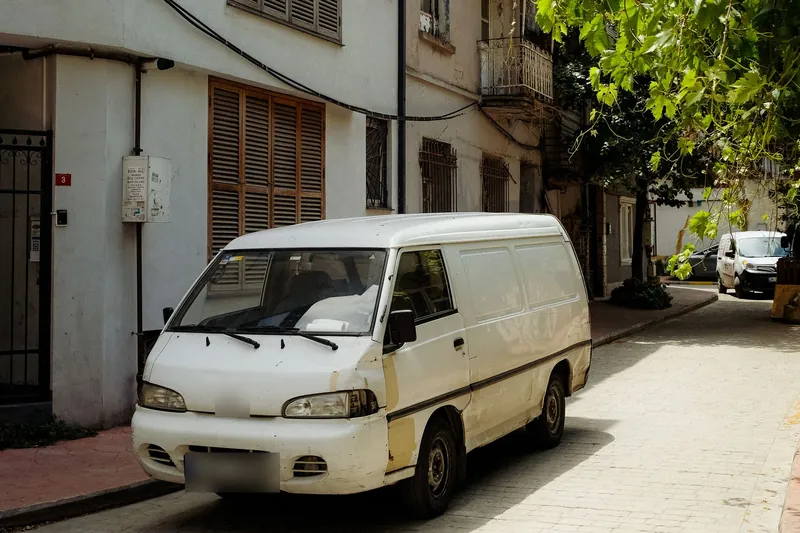
Once a scene is released, biohazard cleanup can start at any hour.
See emergency 24/7 biohazard cleanup
During cleanup, blood exposure involving hepatitis C, HIV and hepatitis B is controlled.
See bloodborne pathogen cleanup
Bodily fluid cleanup and disinfection for homes, care settings and businesses.
See bodily fluid cleanup
Disinfection for infectious disease uses EPA-registered products with complete coverage of surfaces.
See infectious disease disinfection
Biohazard waste is collected in labeled, sealed containers and taken for disposal.
See biohazard waste disposal
Raw sewage cleanup treats Category 3 black water and includes both drying and disinfection.
See raw sewage cleanupPorous items may require removal when absorbed contamination is inaccessible to the cleaning and disinfection process. Examples include carpet pad, drywall, insulation, unfinished wood, mattresses and some upholstery. A non-porous, sealed surface can usually remain when undamaged and suitable for the required disinfectant and cleaning process.
Whether staying is possible depends on the affected area's position and extent. Stay outside the area that has been contained for work. Other spaces may stay separated when one small room is isolated, although sewage, odors, shared ventilation or contamination along travel routes may mean you need to leave. Observe all safety directions given for your particular property.
Material that could expose you to dangerous organisms or substances they produce is a biological hazard. Within a building, examples may include sewage, blood, some bodily fluids, human or animal waste and materials affected in certain infectious disease incidents. The source, exposure pathway and affected surfaces determine the level of risk.
Coverage may apply based on what caused the contamination and what your policy says. Tell your insurance company about the event promptly, then find out about coverage for cleanup, mitigation, restoration and removing affected materials. Check which approvals, photos and documents the insurer expects. Your deductible and coverage limits can affect what you pay.
Controlled cleaning of sewage, blood, bodily fluids, infectious matter and other biological contaminants is known as biohazard remediation. After assessing and containing the affected area, workers remove material beyond disinfection, clean away visible soil, use an EPA-registered disinfectant suited to the surface, package waste and inspect before normal use.
No. Chemical irritants include pepper spray and tear gas. Biohazard remediation instead treats sewage, blood, bodily fluids and other biological contamination. Both may be present after law enforcement activity, but each contaminant requires its own matching ventilation approach, protective equipment, cleaning products and waste choices instead of one combined treatment.
Respectful, discreet biohazard decontamination is available 24 hours a day, and crews arrive in unmarked vehicles.