Raw Sewage Cleanup
Disinfection and drying follow sewage cleanup of Category 3 black water from raw sewage.
See raw sewage cleanupGet Category 3 sewage removed after a backup in a basement, shower, floor drain or lower level in West Lawn. The work includes contaminated-material removal, cleaning, disinfection, structural drying and odor control.
Sewer backup cleanup is a safe process for taking out sewage solids and wastewater when a toilet, sewer line or drain overflows. The process continues with disinfection, cleaning, odor control and drying wherever the overflow reached.
A toilet, utility sink, shower or basement floor drain can become the entry point for a sewer backup. From there, water can reach nearby rooms and move behind baseboards or below appliances. Treat sewage as Category 3 black water and do not touch it, including when surfaces appear dry or the water seems diluted.
This work requires a different process than an ordinary water damage job. Wearing protective equipment, cleanup technicians contain the area, remove the sewage and take out materials too contaminated for complete cleaning. They wash hard surfaces, then apply an EPA-registered disinfectant and leave it for the label contact time. The work also covers structural drying, moisture checks and documentation from each stage.
For conversations with your property manager or adjuster, you can use documentation such as photographs, moisture information and affected-item lists.
Technicians separate the work zone from clean spaces and wear protective equipment for sewage extraction and movement of contaminated materials.
Your belongings are sorted by whether they can be cleaned, need specialist attention or cannot be recovered, with important items discussed before removal.
You hear which rooms and materials are affected, what can be cleaned, what may need removal and how drying will be checked, so you can move forward with a clear scope.
You need sewer cleanup when wastewater escapes from plumbing into a room used for living, work or storage. These are common examples:
Sewage may enter a shower or tub when a toilet or main line is blocked, contaminating nearby floors, grout and tile.
When sewage enters an office, restroom, shop or storage space, access and surrounding areas require control.
Wastewater rises through a floor drain and spreads across concrete, finished flooring, stored belongings or the base of walls.
Correcting the plumbing fault does not remove contaminated water, moisture-damaged building materials or smells from the property.
Every situation is different, but your first steps should limit exposure and stop more wastewater from entering the space. During a larger emergency response, follow access restrictions from utilities, firefighters or law enforcement. Take these actions before sewer backup cleaning begins:
Call (888) 351-0904The nearest published cost information for this service covers sewage biohazard cleanup. Cited sources put most homeowner work in a range starting at $2,000 and ending at $10,000. One other published pricing source starts its wider span at $1,500 and ends it at $8,000. Final sewer backup cleanup cost varies with the size of the affected space, sewage absorption, disposal needs and the drying required.
These ranges come from published national cost guides, not from a site visit. The price for your property is set after the on-site assessment, and you hear it before work starts.
Ask about cost: (888) 351-0904Your exact policy and the backup's cause determine whether coverage applies. Without an added sewer backup endorsement, standard property insurance may exclude water that comes into the property through drains or a sewer.
Ask whether prior approval is required, what records the adjuster needs, whether emergency response and mitigation are covered and how to document materials removed for health reasons.
Retain cleanup records and the plumber's report along with pictures, an item list and moisture measurements. Do not enter an unsafe area just to take pictures.
Ask your insurance company if the policy covers drain or sewer backups, the applicable deductible, damaged contents and cleanup services.
The building owner may deal with structure and plumbing, while renter coverage could apply to personal property. Who is responsible and what is covered depend on the policies, lease and cause.
After the ongoing flow is stopped, sewer backup restoration services begin in a controlled order. This approach limits the chance of dirty water moving into clean portions of the property. The team should describe the full process to you before beginning the cleanup.
The right team begins by mapping visible limits, inspecting surrounding spaces and measuring moisture beneath and behind surfaces.
Clean rooms are isolated from the affected area. For every situation, protective equipment must suit sewage water, splashing and contaminated debris.
Dedicated contaminated-water equipment extracts pooled sewage and solid waste. Before the detailed cleaning process begins, confine debris and tools to the controlled work area at every step.
Carpet, pad, wet insulation, swollen drywall and other porous materials that cannot be fully disinfected are carefully removed and contained. Other hazardous materials need independent evaluation and a fitting disposal path.
The next stage in the remediation process washes soil from hard surfaces that remain. An EPA-registered product is applied afterward and left for the full label contact time.
This part of the cleanup involves air movers and dehumidifiers that dry the structure. Equipment is placed according to moisture checks, which also reveal hidden materials needing added attention.
First, eliminate the odor source. Targeted treatment and air filtration can then reduce odors left in nearby materials and the affected area.
The cleaned area is checked for visible soil, remaining moisture and odor. Insurance companies and property owners can use records of the entire process to see removed materials and items left behind.

Call at any time. A sewer backup cleanup specialist answers, explains the steps and agrees a start time with you.
Raw sewage can contain harmful microorganisms, bodily fluids and contaminated debris, so skin contact, splashes and tracked wastewater can create serious health risks.
According to the EPA, wet materials may start growing mold within 24 to 48 hours. Stopping the plumbing problem leaves sewage removal and structural drying as important remaining steps.
Wastewater can move beneath floating floors, behind baseboards and into wall cavities. Cleaning only the visible floor can leave contaminated materials and trapped moisture behind.
Because sewage may carry organisms that cause illness, it is classified as Category 3 black water. Wearing gloves does not prevent exposure from splashing, soaked clothes or contaminated shoes.
When a small blood spill is safe to clean yourself. Only consider cleaning a very limited non-porous area when you have protective gear and can rule out electrical danger and exposure to anyone vulnerable. When the affected limits are hidden or sewage reaches drywall, carpet, insulation, wood or a wall cavity, professional sewage cleanup is safer.
Keeping a non-porous, hard material may be possible when every side is reachable and can be both cleaned and disinfected. Removal is often required for porous materials that have soaked up sewage. Any separate hazardous material in the work area must be assessed independently and kept out of the sewage debris.

Raw sewage is Category 3 black water. Control the work zone, select protective gear for the exposure and contain contaminated materials during removal. Check with your local waste authority about managing sewage debris and other hazardous waste separately.
Heavy soil prevents a disinfectant from working. Cleaning comes before applying an EPA-registered product for every minute of contact time listed on its label.
Illinois treats soaked materials from a biohazard scene as potentially infectious medical waste (PIMW). Illinois EPA rules control how it is packed, transported and treated, so it cannot go in household trash.
Local plumbing or wastewater authorities can explain public-line reporting, while the property owner or plumber determines whether the blockage is on private property.
Sewer backup restoration continues until all sewage is gone, contaminated materials have been dealt with and acceptable moisture conditions are reached in the remaining structure. Once the cleaned structure is dry, repairs or additional restoration services may begin. Hidden water, affected material types and the backup's size influence the schedule more than the number of rooms.
The full sewer backup cleanup guide covers what is cleaned or removed, odor and air quality work, and the rules that apply in Cook County.
Read the full sewer backup cleanup guideLocal housing, population and access details can shape containment, access and cleanup planning.
If direct exposure occurs, the closest listed emergency option is Holy Cross Hospital, about 0.9 miles away, not the cleanup site.
For planning after exposure, note Holy Cross Hospital at approximately 0.9 miles and the additional listed facility, Osf Little Company Of Mary Medical Center.
Nearby communities include Chicago Lawn, Elsdon, and West Elsdon, useful geographic references when explaining a property location to a cleanup crew.
A cleanup plan for this neighborhood should account for adjacent homes or units when setting odor control and containment boundaries.
Ask on the call about cleanup options for neighboring communities and ZIP codes.
Disinfection and drying follow sewage cleanup of Category 3 black water from raw sewage.
See raw sewage cleanup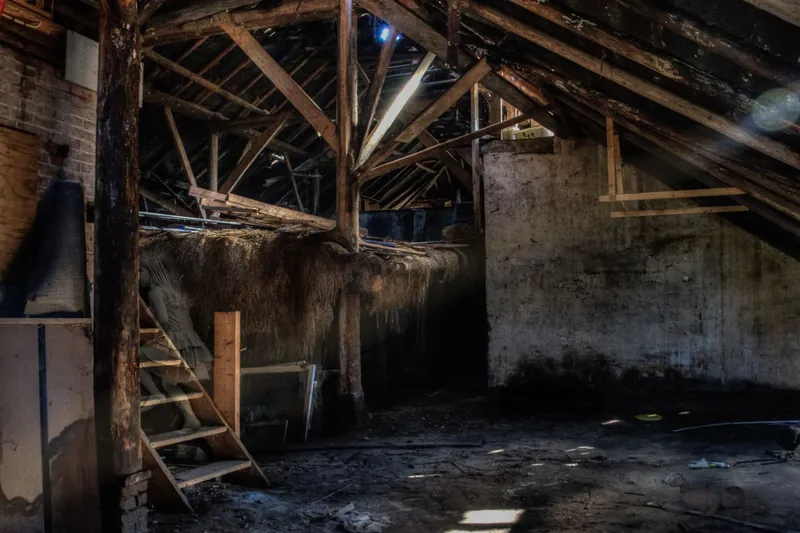
Crawl space sewage cleanup addresses wet insulation and affected soil.
See crawl space sewage cleanup
Cleanup removes infectious material, including blood and body fluids, and disinfects the property.
See biohazard cleanup
Full decontamination of rooms, surfaces and air after infectious or hazardous exposure.
See biohazard decontamination
Contamination is cleared through biological remediation, returning the space to safe use.
See biohazard remediation
Human feces cleanup includes disinfection in homes, public restrooms and rental properties.
See human feces cleanup
All surfaces receive full coverage with EPA-registered products for infectious disease disinfection.
See infectious disease disinfection
Once a scene is released, biohazard cleanup can start at any hour.
See emergency 24/7 biohazard cleanupTo locate and correct the source, call an appropriate sewer authority or plumber. For the property, seek sewage cleanup services that describe containment, material removal, disinfection, documentation and drying. If electrical equipment is affected, stay out and contact the utility or a qualified electrician before anyone enters the water.
Correct. Raw sewage is treated as Category 3 black water because it may contain harmful microorganisms and contaminated debris. Close the area, prevent skin contact and avoid ordinary household vacuuming. Cleaning also covers odor, waste disposal, moisture, absorbed contamination, visible wastewater and surrounding surfaces crossed by people.
The nearest published guides for sewage biohazard costs show most or typical residential projects ranging from $2,000 to $10,000. The range expands to $1,500 to $8,000 in another published pricing guide. Category 3 water spread, area size, material removal, accessibility, drying time and waste disposal determine the final cost.
Absorbent items such as cardboard, carpet pad, wet insulation and swollen drywall often cannot receive full disinfection after absorbing sewage. Some non-porous, solid possessions can be cleaned. Before throwing away valuable belongings, record them and confirm what your insurer requires. Wastewater should not spread through clean rooms while materials are being removed.
Sewage cleanup is separate from pipe repair, even if certain plumbers extract a small amount of standing water. Ask exactly what is included. A complete cleaning service manages contaminated materials, extracts wastewater, disinfects surfaces, dries the structure, performs odor removal and creates records. The plumber's findings are still useful because they explain what caused the backup.
The answer can be yes, although policy language and the cause are decisive. Standard insurance may not cover sewer or drain water unless the policy includes a backup endorsement. Before treating the damage as covered, ask your insurer about the deductible, cleanup, personal property, damaged building materials and required records.
You can request respectful, discreet sewer backup cleanup 24 hours a day, and crews use unmarked vehicles.