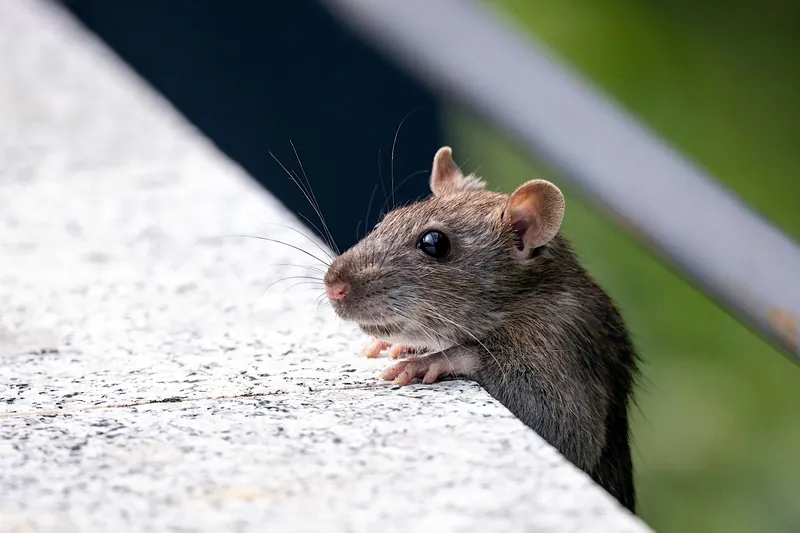
Rodent Droppings and Hantavirus Cleanup
Cleanup addresses hantavirus and droppings from rodents in basements, attics and crawl spaces.
See rodent droppings and hantavirus cleanupGet a dead animal located and removed from a wall, attic, vent, crawl space, home or business in Warrenville, followed by cleaning and odor treatment at the source.
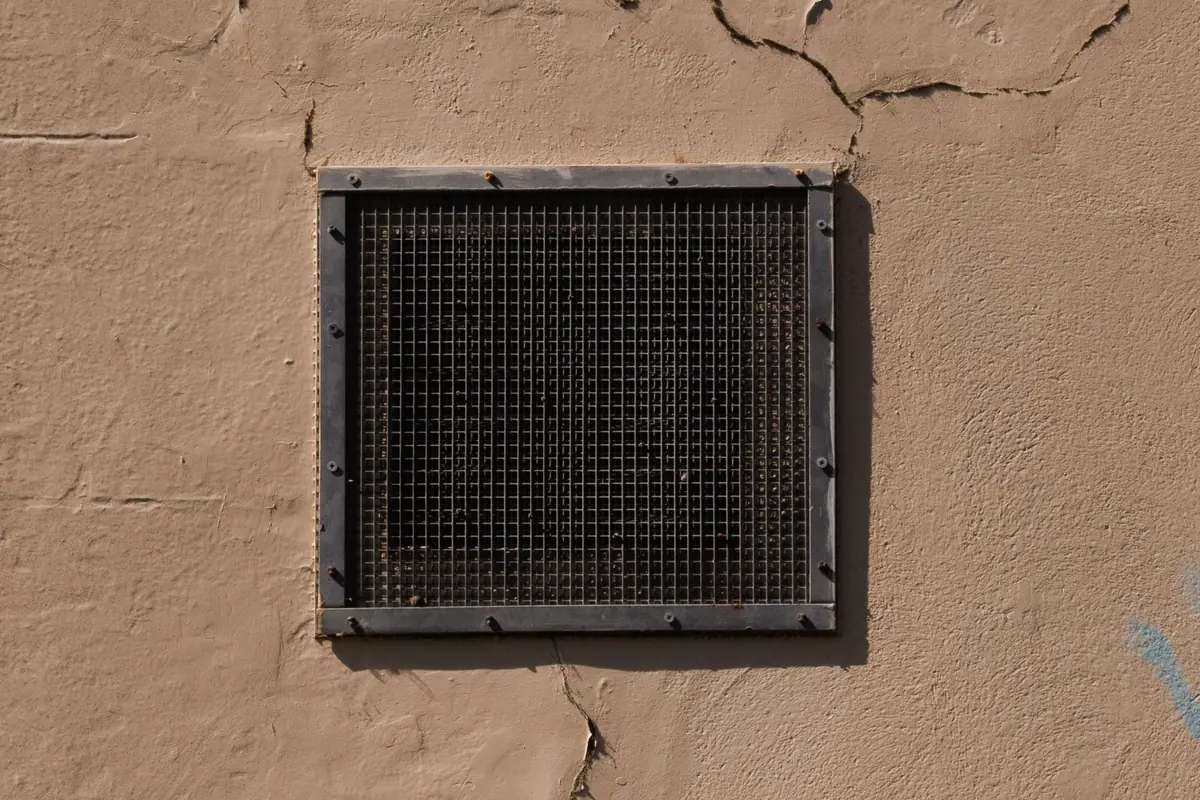
Dead animal removal and cleanup is the process of finding and reaching the animal, taking it out, cleaning contamination and treating the source of the odor.
An animal can lie openly in the yard or a room, or remain out of sight inside ductwork, below a floor, behind drywall or under insulation. Before making an opening, the search focuses on the smallest likely area. Some locations are directly accessible. Others call for opening a modest portion of the ceiling, a cabinet or the wall.
The job does not always end when the remains are gone. Decomposition fluid may have entered wood, insulation or another porous surface, and leftover residue must be checked. Some affected material may need disposal. An EPA-registered disinfectant is used on cleanable hard surfaces and left for the complete contact time stated on its label. Odor work follows removal of the source, cleaning and drying.
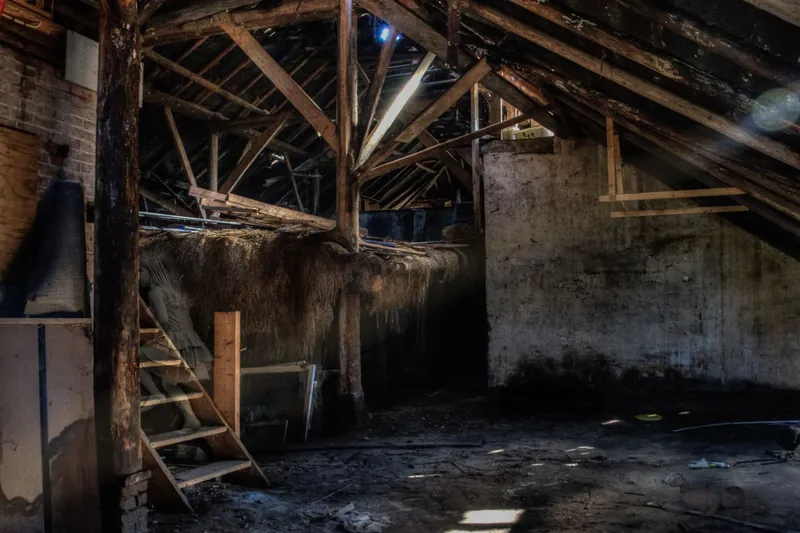
Calls receive an answer day and night, while unmarked vehicles help keep the visit private at your home, business or rental.
Personal property is moved or covered, and any needed opening is kept as limited as practical for the removal.
Every step is explained before cleanup moves forward, including the search for the animal, possible access openings and materials that could require removal.
Photos and notes can show the affected area, contaminated material removed and repairs left for your restoration contractor or insurance company.
You may need dead animal cleaning when persistent odor, insects or stains point to an area you cannot reach or clean safely. Because each location affects access and cleanup, the plan must fit the situation. Common examples include:
Because odor can move through HVAC ducts, its source might be far from the room where you detect it.
Low clearance along with soil and insulation can complicate safe entry to the area under the home where the animal lies.
An animal may be hidden in a wall cavity when you notice odor or staining, so a limited opening could be needed.
A garage, utility area or shed may contain a carcass along with nesting debris or contaminated items in storage.
Your immediate steps can prevent contact and help keep odor in the affected space. Before technicians arrive for cleanup:
Call (888) 351-0904Bob Vila and HomeAdvisor describe the typical dead animal removal range as $150 to $250. Removal is what that figure covers. Wall access, disposal of contaminated material and odor treatment can add to the job, while the affected area and ease of access determine its final price.
National cost guides that have been published supply these ranges, not a visit to the property. You learn what your property will cost after the on-site assessment and before any work begins.
Ask about cost: (888) 351-0904Coverage depends on the policy and what caused the loss. An insurance company may evaluate removal of the animal, odor treatment and damage to building materials as separate parts, so ask about all of them before work starts when you can.
Your landlord often coordinates cleanup in an attic, wall, shared area or building system, while the lease and local regulations determine responsibility.
While certain policies do not cover damage from animals or pests, they might treat a covered opening or sudden incident another way. Discuss each portion of cleanup separately.
The property owner commonly pays when insurance does not apply. If structural access may be needed, report the problem to your landlord before authorizing it.
Your insurance company can identify required records and photos, then explain whether restoration services and work on odor, access, contaminated insulation and carcass removal are covered.
The dead animal remediation process follows a practical order: locate the source, create safe access, remove the animal and affected materials, clean the space, treat odor and document every step.
Technicians first examine where odor is strongest and look at stains, insect activity, likely entrances, vents and surrounding voids before making an opening.
Crews choose gloves, clothing and respiratory protection for the affected area before covering or relocating nearby belongings.
A concealed source might be reached by taking off a vent cover or creating a limited opening in the ceiling, wall or cabinetry.
The animal is contained for disposal, moved with minimal handling and kept away from unaffected surfaces as it leaves the property.
Materials that can be cleaned and left in place are separated from soiled insulation or padding, affected cardboard and damaged drywall.
Cleaning comes first on hard surfaces, followed by application of an EPA-registered disinfectant for every minute of contact time stated on its label.
Air movement, HEPA filtration and an appropriate odor treatment are used after the source and soiled material are gone.
Before you move forward, the space is reviewed for remaining residue or odor and you receive documentation of unfinished repairs to walls, insulation or finishes.

Call at any time. A dead animal removal and cleanup specialist answers, explains the steps and agrees a start time with you.
Direct contact and sweeping dry material should be avoided because a dead animal can leave strong odor, insects, bacteria and bodily fluids nearby.
Flies and other insects can gather near the source, then enter surrounding areas. Cleanup and source removal eliminate what is drawing the insects.
Protect your eyes, mouth and broken skin so they do not contact contaminated liquid or animal remains. Clean any exposed skin and get medical advice after a bite, scratch or direct contact.
Body fluids can soak into insulation, unfinished wood, drywall or soil. Cleaning only the visible surface can leave contaminated materials and odor behind.
When a small blood spill is safe to clean yourself. When you can reach a small animal outside without entering any confined space, prevent pet access and use the directions issued by local animal control or sanitation. Seek professional cleanup if you cannot identify the species, the animal is concealed, porous surfaces absorbed fluid or direct exposure cannot be prevented.
An accessible animal may be removed and the area cleaned in a single visit. Hidden animals take longer when the location is uncertain, a wall must be opened or odor remains in porous material.
| Scene | Typical time on site |
|---|---|
| Accessible area with the animal in view | Often completed in one visit |
| Animal inside a wall, attic or crawl space | Varies by location and safe entry |
| Contamination with building material removal | Could require cleaning followed by a separate repair appointment |
Finding the animal and taking it out is the starting point for dead animal odor removal. An air freshener, room fragrance or bleach may briefly hide the smell. It cannot clean contamination beneath insulation or inside a wall.
Once contaminated material and the animal have been removed, the space is dried and hard surfaces are cleaned. Targeted odor treatment along with HEPA air filtration can help the air. Persistent odor calls for another check of the wall cavity, vent or crawl space, since overlooked soiled material may continue releasing smells.

The animal species and your location can change the disposal rules. The proper choice depends on guidance from local public health, sanitation or animal control officials.
A disinfectant should be registered by the EPA for its intended use and remain wet for the full contact time on the product label.
Illinois treats soaked materials from a biohazard scene as potentially infectious medical waste (PIMW). Illinois EPA rules control how it is packed, transported and treated, so it cannot go in household trash.
In Cook County, the Cook County Medical Examiner's Office investigates sudden and unexplained deaths. Cleanup starts after police or the medical examiner release the scene.
An accessible animal may be removed and the area cleaned in a single visit. Hidden animals take longer when the location is uncertain, a wall must be opened or odor remains in porous material.
The full dead animal removal and cleanup guide covers what is cleaned or removed, odor and air quality work, and the rules that apply in Illinois and DuPage County.
Read the full dead animal removal and cleanup guide
Planning for access, containment and cleanup can depend on local population, housing and entry conditions.
With renters in 25.4% of local homes, owner occupied properties form most of the housing context for cleanup planning.
The local median home dates to 1982, making a room by room material assessment more useful than one cleaning method everywhere.
With 27.3% of seniors living alone, private cleanup communication may need to include a relative who lives somewhere else.
In an area with 70.2% single-family housing, sewage or fluids may reach lower levels through stairs, drains, and utility openings.
Ask on the call about cleanup options for neighboring communities and ZIP codes.
Cleanup addresses hantavirus and droppings from rodents in basements, attics and crawl spaces.
See rodent droppings and hantavirus cleanup
Bird and bat droppings are cleaned from structures and attics, followed by disinfection.
See bird and bat guano cleanup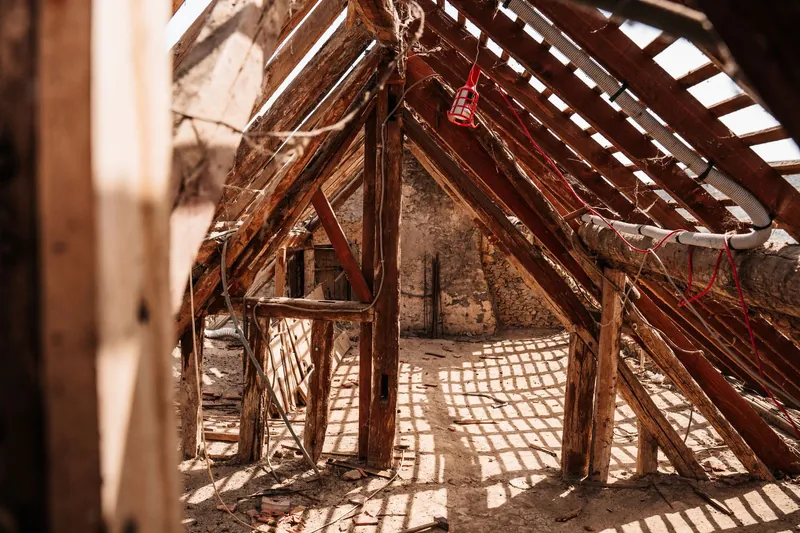
Waste and urine-soaked items are removed and ammonia odor is treated during animal hoarding cleanup.
See animal hoarding cleanup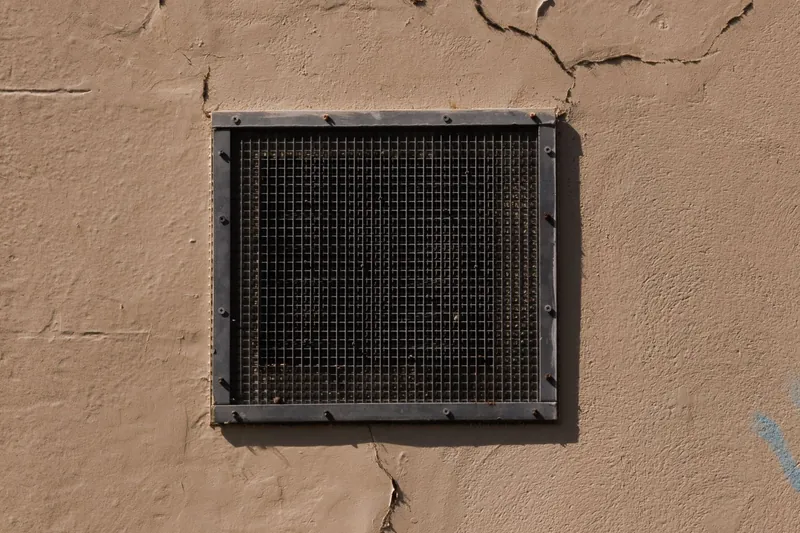
At the source, death odor removal uses air scrubbers plus hydroxyl and ozone treatment.
See death odor removal
Any property can be cleared of blood, bodily fluids and other infectious material, then disinfected.
See biohazard cleanup
Biological remediation removes contamination so the space can be safely used again.
See biohazard remediation
Crawl space sewage cleanup addresses wet insulation and affected soil.
See crawl space sewage cleanup
Rental property biohazard cleanup covers hotels and Airbnb units as well as rentals.
See hotel, airbnb and rental biohazard cleanupBefore air circulation moves odor elsewhere, an inspection should identify where the remains are in the system. Removal and cleanup might require opening a duct section or vent cover that can be safely reached. Some HVAC components may need a heating and cooling contractor if they cannot be safely accessed or cleaned as part of the removal.
The risks change when the animal lies well inside the wall instead of near an accessible opening. Keep your hands out of hidden spaces near soiled insulation, electrical wiring and metal edges. Consider professional cleanup to limit exposure and unnecessary property damage if the remains are decayed, hidden in an unknown spot or behind a surface that must be opened.
Coverage depends on your policy and what caused the problem. While certain insurance policies leave out pest or animal damage, they may address resulting building damage another way. Keep cleanup notes and photos while asking the insurance company which costs apply for carcass removal, structural access, soiled insulation, odor treatment and repair work.
Restoration and cleanup are commonly treated as different phases. Crews can open only the area necessary for access, remove contaminated items and record what work was done. Find out if a separate contractor is needed for painting, replacing insulation, repairing HVAC parts or closing the drywall opening.
Germs may be present in animal waste, while vacuuming or sweeping dry droppings and nest material can release particles into the air. Without the right protective equipment, leave it undisturbed. To reduce dust and protect unaffected rooms, crews use damp cleanup techniques, careful removal and closed containers for disposal.
A biohazard may develop when bacteria, animal waste, insects or decomposition fluids affect the area around the remains. Unknown species, advanced decay, affected absorbent materials and unavoidable direct exposure all make the situation more hazardous. Keep people and pets away until the area is assessed.
You can request respectful, discreet dead animal removal and cleanup 24 hours a day, and crews use unmarked vehicles.