Raw Sewage Cleanup
Disinfection and drying follow sewage cleanup of Category 3 black water from raw sewage.
See raw sewage cleanupGet Category 3 sewage removed after a backup in a basement, shower, floor drain or lower level in Villa Park. The work includes contaminated-material removal, cleaning, disinfection, structural drying and odor control.
Sewer backup cleanup safely clears wastewater and sewage solids left by an overflowing drain, toilet or sewer line. Cleaning and disinfection follow throughout the affected space, along with drying and odor control.
Wastewater from a sewer backup may come up through the toilet, shower, utility sink or a basement floor drain. It can travel behind baseboards, beneath appliances and onward to adjoining rooms. Category 3 black water is how sewage is classified, so avoid direct contact even if it seems diluted or a surface looks dry.
Sewage cleanup goes beyond typical water damage work. Cleanup technicians in protective equipment contain the work area. They extract the wastewater and take out contaminated material that cannot be cleaned fully. Washable hard surfaces are cleaned before an EPA-registered disinfectant is applied for the contact time listed on its label. Each stage is recorded, including moisture checks and drying.
With a clear scope covering what was affected, what may stay or go and how drying will be checked, you can move forward.
The work area is separated from clean rooms, and technicians use protective equipment while extracting sewage and moving contaminated materials.
Your discussion with an adjuster or property manager can be supported by pictures, material inventories, moisture data and job documentation.
Before removal, important items are discussed while your possessions are grouped by cleaning potential, need for specialist care or inability to be recovered.
You need sewer cleanup when wastewater escapes from plumbing into a room used for living, work or storage. These are common examples:
Materials affected by an earlier event get wet again, so thorough moisture mapping and careful removal matter even more.
Wastewater spreads beyond the drain into a laundry room, garden unit or another space located below grade.
After wastewater enters a storage area, office, restroom or retail space, restrict access and surrounding areas.
A toilet or main line blockage forces sewage into a shower or tub, leaving contaminated water on tile, grout and nearby flooring.
Every situation is different, but your first steps should limit exposure and stop more wastewater from entering the space. During a larger emergency response, follow access restrictions from utilities, firefighters or law enforcement. Take these actions before sewer backup cleaning begins:
Call (888) 351-0904Published sewage biohazard cleanup data is the closest basis for this service. In the cited guides, most homeowner jobs or a typical project fall between $2,000 and $10,000. A separate published pricing guide lists a broader range from $1,500 to $8,000. Your sewer backup cleanup cost is shaped by the area reached, absorbed sewage in materials, required drying and waste disposal.
These ranges come from published national cost guides, not from a site visit. The price for your property is set after the on-site assessment, and you hear it before work starts.
Ask about cost: (888) 351-0904Whether insurance applies depends on the specific policy and the reason for the backup. A standard property policy might exclude water entering from a sewer or drain if you did not add a sewer backup endorsement.
Ask the insurance company whether your policy includes sewer or drain backup coverage, what deductible applies and whether damaged contents and cleanup services are included.
Keep photos, moisture readings, the plumber's findings, an item list and cleanup records. Stay out if taking photos would require unsafe entry.
Ask whether prior approval is required, what records the adjuster needs, whether emergency response and mitigation are covered and how to document materials removed for health reasons.
Personal property may fall under a renter's policy as the building owner addresses plumbing and structural damage. The cause, insurance policies and lease determine responsibility and coverage.
The active flow must stop before sewer backup restoration services start. A careful sequence keeps contaminated water from being carried into unaffected parts of the building. You should receive an explanation of every stage from the team before any work begins.
Using moisture readings, the right team finds water behind or below surfaces while checking nearby rooms and marking visible limits.
The affected area remains separate from clean spaces. In every situation, protective equipment must match exposure to wastewater, contaminated debris and splashes.
Dedicated contaminated-water equipment extracts pooled sewage and solid waste. Throughout every step, keep equipment and waste within the contained zone so the detailed cleaning process can follow.
Careful removal and containment apply to carpet, pad, swollen drywall, wet insulation and any other absorbent materials beyond full disinfection. Unrelated hazardous materials require their own evaluation and an appropriate disposal route.
The next stage in the remediation process washes soil from hard surfaces that remain. Application of an EPA-registered disinfectant follows, using the complete contact time on its label.
To dry the structure, the cleanup involves dehumidifiers and equipment that moves air. Moisture readings guide equipment placement and show when hidden materials need more attention.
First, eliminate the odor source. Smells remaining in the affected area and surrounding materials can then be addressed through focused odor control and air filtration.
A final check looks for odor, residual moisture and any visible dirt in the cleaned space. Insurance companies and property owners can use records of the entire process to see removed materials and items left behind.

You can call anytime. You speak with a sewer backup cleanup specialist who outlines the process and schedules a start time with you.
Raw sewage can pose serious health risks because it may contain bodily fluids, harmful microorganisms and contaminated debris. Exposure can result from skin contact, splashes or wastewater carried on footwear.
Sewage is treated as Category 3 black water because it may contain disease-causing organisms. Gloves alone do not control splashes, wet clothing or contamination carried on footwear.
Mold growth on damp materials can start within 24 to 48 hours, the EPA says. Once the source is stopped, sewage removal must accompany drying of the structural materials.
Water from sewage can reach wall cavities and hide behind baseboards or beneath floating floors. Surface-only cleaning may leave moisture and contaminated materials beneath the visible floor.
When a small blood spill is safe to clean yourself. Managing a minimal amount on non-porous material may be reasonable when you have suitable protective gear, vulnerable people have no exposure and there is no electrical hazard. Choose professional sewage cleanup if sewage affected porous materials such as wood, carpet, drywall or insulation, entered a cavity, or spread beyond visible edges.
Sewer backup restoration takes as long as needed to remove sewage, address contaminated materials and bring the remaining structure to acceptable moisture conditions. Other restoration services or repairs come afterward, when the cleaned structure has dried. Room count alone matters less than backup size, the affected materials and water hidden from view.
| Scene | Typical time on site |
|---|---|
| Small hard-surface area | Extraction and cleaning may conclude after moisture checks without drying the structure |
| Finished room with porous materials | Moisture measurements determine when ongoing removal, drying and disinfection can end |
| Several rooms or hidden cavities | Opening and drying cabinets, insulation, flooring or walls adds time to the project |
Sewer odor removal begins with sewage removal. Fragrance, bleach or a surface spray cannot correct wastewater trapped under flooring, inside drywall or in absorbent contents. If an odor returns after the visible water is gone, hidden contamination or moisture may still be present.
HEPA air filtration can reduce particles in the air after contaminated materials have been taken out and hard surfaces cleaned. Where suitable, dehumidification and moving air aid the drying process. Odor treatment follows removal of the source. Checks also cover HVAC openings, cabinets and adjoining rooms for moisture or contamination that remains.

Category 3 black water includes raw sewage. Control the work zone, select protective gear for the exposure and contain contaminated materials during removal. Ask how the local waste authority requires disposal of sewage debris and separate hazardous waste.
A disinfectant cannot work through heavy soil. An EPA-registered product follows surface cleaning and must remain for the complete contact time on the label.
Illinois treats soaked materials from a biohazard scene as potentially infectious medical waste (PIMW). Illinois EPA rules control how it is packed, transported and treated, so it cannot go in household trash.
A local wastewater or plumbing authority can clarify reporting for public lines, while an owner or plumber identifies whether the blockage lies on private property.
Sewer backup restoration takes as long as needed to remove sewage, address contaminated materials and bring the remaining structure to acceptable moisture conditions. Other restoration services or repairs come afterward, when the cleaned structure has dried. Room count alone matters less than backup size, the affected materials and water hidden from view.
The full sewer backup cleanup guide covers what is cleaned or removed, odor and air quality work, and the rules that apply in DuPage County.
Read the full sewer backup cleanup guide
Containment, entry and cleanup plans can be influenced by local housing, population and access details.
At 24.3% renter occupancy, most housing is owner occupied, which can reduce the number of parties involved in cleanup authorization.
Homes with a median year built of 1958 may have several finish layers, which can conceal contamination after a spill.
In Villa Park, 808 older adults live alone, so relatives may need clear photos and records when managing cleanup from afar.
The local 78.6% single-family share makes household level privacy practical while affected rooms are isolated and treated.
Your phone conversation can include questions about service in nearby ZIP codes and communities.
Disinfection and drying follow sewage cleanup of Category 3 black water from raw sewage.
See raw sewage cleanup
Crawl space sewage cleanup, including soaked insulation and soil.
See crawl space sewage cleanup
Removal and disinfection of blood, body fluids and other infectious material from any property.
See biohazard cleanup
Full decontamination of rooms, surfaces and air after infectious or hazardous exposure.
See biohazard decontamination
A contaminated space is restored to safe use through biological remediation and contaminant removal.
See biohazard remediation
Disinfection accompanies human feces cleanup in public restrooms, homes and rental properties.
See human feces cleanup
All surfaces receive full coverage with EPA-registered products for infectious disease disinfection.
See infectious disease disinfection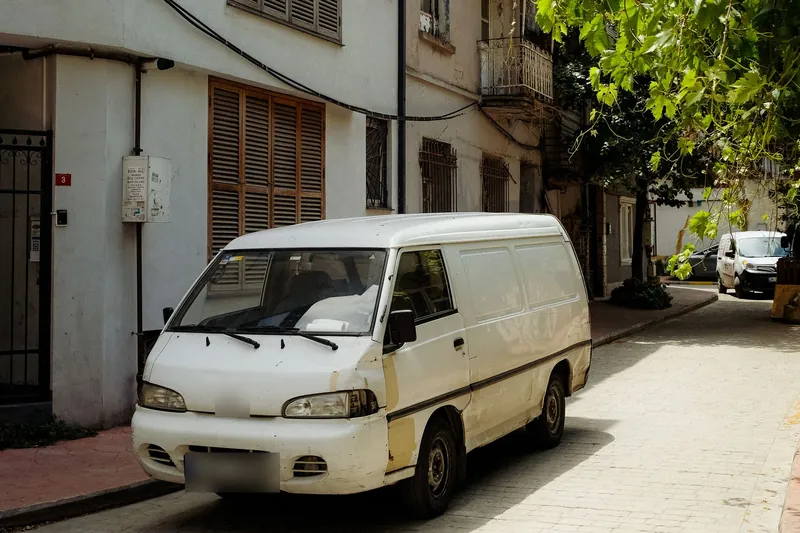
Biohazard cleanup that starts as soon as a scene is released, day or night.
See emergency 24/7 biohazard cleanupHave a plumber or the relevant sewer authority identify the source and stop it. Choose sewage cleanup services for the property after learning how containment, removal of materials, structural drying, disinfection and records are addressed. When electrical items are involved, do not enter. Before anyone steps into the water, call the utility or a qualified electrician.
Keep everyone and all pets out, stop using the plumbing and arrange correction of the blockage. The cleaning process involves sewage extraction, disposal of porous material that absorbed it, hard-surface washing, full contact time for an EPA-registered disinfectant and structural drying. Inspect for hidden water past baseboards and under floors as well.
There is neither a reliable time for symptoms nor a single period that is safe to wait. Risk varies based on personal health, what the wastewater contained and how someone encountered it. Wash exposed skin promptly and contact a medical professional or poison control service for advice after a meaningful exposure, especially if sewage reached the eyes or mouth.
Correct. Raw sewage is treated as Category 3 black water because it may contain harmful microorganisms and contaminated debris. Close the area, prevent skin contact and avoid ordinary household vacuuming. Cleaning should address the visible wastewater, absorbed contamination, moisture, waste disposal, odor and surrounding surfaces reached by foot traffic.
The nearest published guides for sewage biohazard costs show most or typical residential projects ranging from $2,000 to $10,000. A broader span of $1,500 to $8,000 appears in a published pricing source. Square footage, Category 3 water, porous material removal, access, drying time and waste disposal shape the actual cost.
Absorbent items such as cardboard, carpet pad, wet insulation and swollen drywall often cannot receive full disinfection after absorbing sewage. Cleaning may be possible for hard items without pores. Before throwing away valuable belongings, record them and confirm what your insurer requires. Contain removed materials so wastewater is not tracked through clean areas.
Respectful, discreet sewer backup cleanup is available 24 hours a day, and crews arrive in unmarked vehicles.