
Biohazard Cleanup
Any property can be cleared of blood, bodily fluids and other infectious material, then disinfected.
See biohazard cleanupWhen blood, bodily fluids, sewage or another biological hazard makes a space unsafe, keep people away and get clear next steps right away. Cleanup can begin after law enforcement or other officials release the affected area.

Emergency biohazard cleanup urgently controls and removes biological contamination, then cleans and disinfects the affected space. It applies to human waste, blood, bodily fluids and other material that could cause illness or injury through exposure.
The need may follow a trauma scene, unattended death, crime scene, sewage backup, accident or serious blood spill. An emergency cleanup service focuses first on keeping the contamination from spreading into surrounding areas. Cleanup technicians identify what is affected, isolate the space and plan the safest order of work.
Biohazard remediation addresses hazards that cleaning away visible soil alone does not. The work covers appropriate protective equipment, controlled removal of affected materials and thorough surface cleaning. An EPA-registered disinfectant remains for its full label contact time. Hazardous waste is packaged, odors are treated and a final inspection supports the space's return toward ordinary use.

The cleanup crew arrives in unmarked vehicles. The work area can be kept private from neighbors, visitors and unaffected parts of the property.
Before the cleanup process proceeds, you learn which items can be cleaned, which might be removed and what factors influence price.
At night or during the day, you can share the circumstances and get immediate safety steps as access, scene status and necessary cleanup are considered.
Waste records, images and project notes can help either an insurance company or a property manager understand biohazard remediation.
Biological material calls for emergency cleaning when it could spread within a vehicle, home or workplace, or when it presents a serious risk to health. Situations commonly include:
Cleanup begins only after law enforcement releases the scene and confirms that evidence collection is complete.
An accident, suicide or violent event may leave bodily fluids and damaged materials across one or more affected areas.
Blood can enter porous layers and seams beneath floors, furniture or walls. Prevent anyone from entering, and avoid stepping in the spill.
Sewage backup water is classified as Category 3 black water. Flooring, walls and contents may need cleaning, drying or removal.
Begin by keeping anyone from making contact or carrying contamination elsewhere. Follow these steps as you arrange for professional cleanup:
Call (888) 351-0904Approved data contains no emergency-specific cost range. General cleanup guides place typical national biohazard work at $3,000 to $5,000. They give $1,800 to $4,500 as the residential average and place most residential jobs at $2,500 to $8,000. Fixr's published overall span runs from $1,500 to $25,000. How urgently the work is needed can influence its final price.
National cost guides that have been published supply these ranges, not a visit to the property. An on-site assessment determines your property's price, which is explained to you before the cleanup starts.
Ask about cost: (888) 351-0904Some homeowners, renters and commercial policies may cover biohazard cleanup when it follows a covered sudden event, but coverage depends on the policy, cause, limits and deductible.
A tenant should notify the landlord or property manager. Who is responsible may vary with the contamination location, its cause, the lease and applicable policy.
Report the situation and ask the insurance company whether the claim applies to cleanup, removing materials, treating odor and restoring the space afterward.
Victims of violent crime can ask the Illinois Attorney General's Crime Victim Services Division whether cleanup costs can be included in a compensation claim. Insurance is usually checked first.
Save your scene release, claim identifier, photographs, work scope, bills and documentation for waste. Ask what documentation the adjuster requires before work changes the scene.
Emergency response work is ordered carefully to limit movement of contaminated material toward clean spaces. The circumstances vary in every case, while the usual cleanup process contains these steps:
The affected area is assessed by cleanup technicians, who identify the contaminant and note materials, access constraints and immediate hazards.
The affected work space is contained apart from clean rooms. The exposure risk and required work determine which protective gear and clothing are used.
Collection methods keep affected debris and liquids from moving into clean areas. Materials that cannot be fully cleaned are removed in controlled sections.
Crews clear away visible contamination before applying disinfectant. Removing debris allows disinfectant to contact the actual surface rather than rest on material above it.
Cleanable surfaces are treated with an EPA-registered disinfectant and kept wet for the full contact time stated on the label.
Contaminated materials and sharp objects are sealed in suitable containers before transport under medical or regulated waste rules.
Air scrubbers and other appropriate methods may treat remaining particles and smells in the room and surrounding air paths after source removal.
The work area is checked for remaining contamination. Property owners and insurance companies can receive clearer work details through images, scope documentation and records for disposed waste.

You can call anytime. Your emergency 24/7 biohazard cleanup specialist answers the phone, describes what happens next and works with you on a start time.
Blood, body fluids, sewage and sharps can create serious health risks, even when the affected area looks small or dry.
Blood can contain HIV, hepatitis C or hepatitis B. The CDC reports that hepatitis B survives for at least seven days on surfaces, which means dried blood continues to require care.
Biohazard situations that arise suddenly can be distressing after a traumatic incident or death. Ask someone you trust to manage access while you remain away from the area.
Carpet, padding, subfloors, walls and furnishings can absorb fluids, which may also run behind baseboards. Wiping the visible surface may leave contamination behind.
When a small blood spill is safe to clean yourself. A few drops of fresh blood on a hard, non-porous surface may be cleaned with disposable gloves and an EPA-registered disinfectant used for the full label contact time. Professional cleanup is appropriate when sharps are present, absorbent material was reached, the source is uncertain or the full edge of the spill is not visible.
A surface is cleaned and kept when it can be reached and fully disinfected. Porous material is removed when contamination has soaked beyond effective cleaning.

A fixed completion time cannot be given for this cleanup. Timing depends on what contaminated the space, how many areas it reached and the affected materials. The schedule also reflects whether fluid entered concealed layers and when the scene becomes released.
| Scene | Typical time on site |
|---|---|
| Limited affected area on a hard surface | Completion may take one work period once the assessment is finished |
| A single space requiring removal of absorbent material | May require several stages for removal, cleaning and inspection |
| Structural effects, persistent odor or multiple affected rooms | May require multiple work periods before restoration begins |
Odor treatment starts with locating and removing the contamination responsible for it. Fluids caught behind walls, under flooring or inside furniture cannot be corrected by fragrance and a surface spray. Cleaning or removal of those materials comes before any treatment of the air.
Airborne particles can be filtered by HEPA air scrubbers in a controlled work zone. Hydroxyls may suit certain occupied environments. Ozone, however, needs the controlled space to be empty and requires care before reentry. The source, materials affected and paths through the air determine which approach fits. When odor could have moved beyond the immediate area, HVAC openings are inspected.

A fixed completion time cannot be given for this cleanup. Timing depends on what contaminated the space, how many areas it reached and the affected materials. The schedule also reflects whether fluid entered concealed layers and when the scene becomes released.
The full emergency 24/7 biohazard cleanup guide covers what is cleaned or removed, odor and air quality work, and the rules that apply in Illinois.
Read the full emergency 24/7 biohazard cleanup guideContainment, entry and cleanup plans can be influenced by local housing, population and access details.
If direct exposure occurs, the closest listed emergency option is Louis A Weiss Memorial Hospital, about 0.5 miles away, not the cleanup site.
Louis A Weiss Memorial Hospital, about 0.5 miles away, is the nearest listed hospital, while Methodist Hospital Of Chicago is another emergency care option.
Connections to Clarendon Park, Uptown Square, and Sheridan Park make a precise address important for coordinating cleanup access without unnecessary neighborhood attention.
The Cook County location helps orient travel, while the neighborhood and full address identify where private cleanup work actually occurs.
Ask on the call about cleanup options for neighboring communities and ZIP codes.
Any property can be cleared of blood, bodily fluids and other infectious material, then disinfected.
See biohazard cleanup
Rooms, surfaces and air receive complete decontamination following infectious or hazardous exposure.
See biohazard decontamination
Biological remediation that removes contamination and returns a space to safe use.
See biohazard remediation
Blood cleanup clears blood from furniture, walls, hard floors and carpet, followed by safe disposal.
See blood cleanup
Following accidents, violence or injuries, trauma scene cleanup addresses the affected area.
See trauma scene cleanup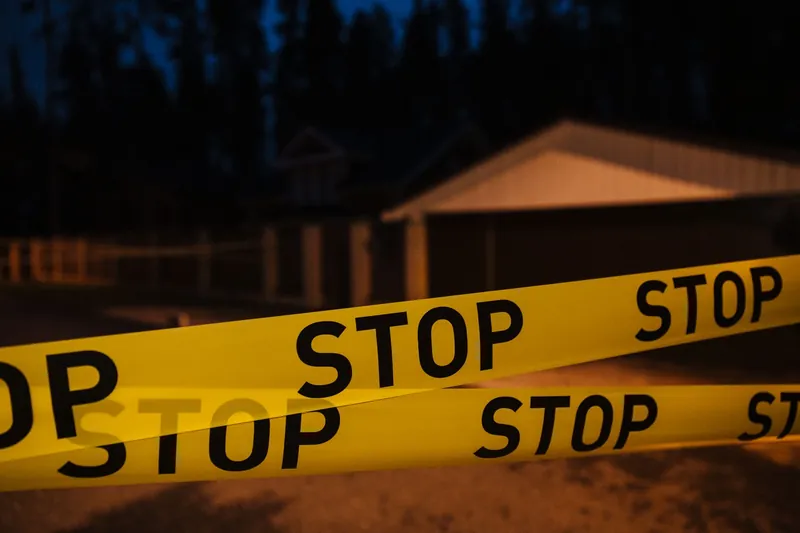
After police release the property, crime scene cleaning addresses blood and odor.
See crime scene cleanup
Cleanup when a death went unnoticed for days, with decomposition and odor control.
See unattended death cleanup
Raw sewage cleanup treats Category 3 black water and includes both drying and disinfection.
See raw sewage cleanupCertain bodily fluids and blood, along with sewage, human waste, sharps or materials they contaminate, may present biohazards. Risk depends on the source, amount, surface and possible route of exposure. Keep everyone back and request guidance prior to cleaning or contact when you cannot identify the source or complete extent.
It may. Whether coverage applies is determined by what caused the event, policy terms, exclusions, limits and your deductible. Contact the insurance company promptly and ask about biohazard cleanup, material removal, odor treatment and restoration. Save the scene release, photographs, claim identifier, work scope, bills and waste documentation.
Yes, potential infection risks still require careful handling of dried blood. Hepatitis B can live on surfaces for at least seven days, the CDC states. Leave the material undisturbed rather than using a scraper, broom or vacuum that could spread it. If more than a minor surface spot is affected, prevent access and arrange suitable cleanup.
A small amount of your fresh blood on hard, non-porous material may be cleanable using gloves and an EPA-registered disinfectant suited to the surface for the full contact period. Do not attempt cleanup when the source is unknown, sharps are present, porous materials are affected or the spill boundary is unclear.
Emergency biohazard cleanup is urgent cleaning and disinfection after blood, bodily fluids, human waste, sewage or another biological contaminant affects a property. The process involves odor treatment, controlled waste disposal, area containment, surface disinfection and removal of materials that are not cleanable. A controlled area must first receive release from police or another authority.
Timing is based on what contamination exists, which materials and rooms are affected, and if fluid has reached walls, furniture or areas beneath flooring. A single work period can sometimes cover a minor hard-surface area. When cleanup spans several rooms, takes out porous items or treats odors, multiple work stages can come before restoration.
You can request respectful, discreet emergency 24/7 biohazard cleanup 24 hours a day, and crews use unmarked vehicles.