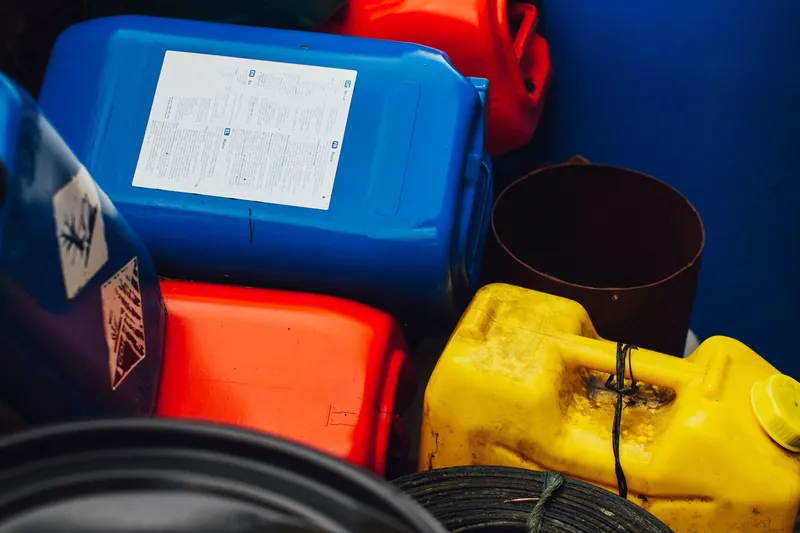
Chemical and Toxic Waste Cleanup
Toxic and chemical waste cleanup includes safe disposal.
See chemical and toxic waste cleanupGet hazardous materials, chemical residue and contaminated items assessed and cleaned in Trumbull Park Homes. The hazard is identified first so containment, protective equipment, cleaning and waste disposal fit the material.
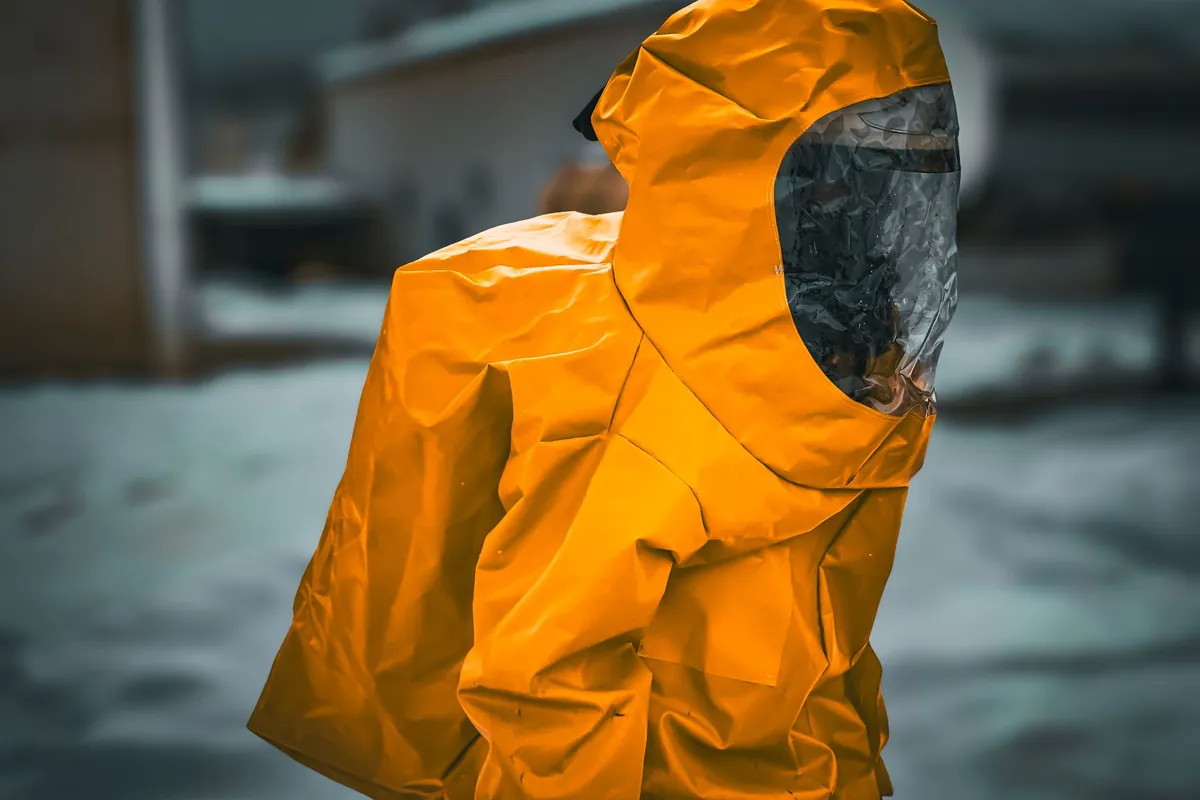
The careful, controlled treatment or removal of hazardous substances is hazmat cleanup. These substances may cause harm to people, the environment or property through fire, exposure by touch, breathing, a reaction or contamination.
A biological hazard, corrosive substance, chemical spill, fuel residue, toxic waste or unidentified powder may require this work. Bloodborne pathogens can be present in biological material such as bodily fluids and blood. A chemical may cause poisoning or burns, react with another product, or give off dangerous vapor. Since each risk is different, no single cleaning process or product is right for every substance.
Cleanup starts by gathering details that can identify the substance, including a product label, container, incident report, Safety Data Sheet or test result. Control is then established around the affected and surrounding spaces. Based on the material, technicians select suitable containers, protective gear, absorbents and tools. Anything that is safe to clean can be treated. Contaminated material that cannot be retained is removed for proper waste disposal.
The explanation covers confirmed details, unanswered identification questions and planned work for the affected area, helping you decide how to move forward.
Photos, the work scope, an inventory of removed material and available waste records help you answer questions from insurance companies or property managers.
Cleanable belongings are separated from items that absorbed contamination. When belongings can be touched safely, you help assess contents that matter to you.
Crews come in unmarked vehicles, and someone answers your call at any hour. Your conversation can stay private from people visiting or living nearby.
Normal cleaning is not appropriate if it could spread a hazardous substance or put you in contact with it. Hazmat cleaning may be needed in situations such as:
Blood, bodily fluids, sharps or other biological material requires a different plan from chemical residue, including bloodborne pathogen precautions.
Unknown substances, mixed containers and spilled chemicals in garages, workshops, basements or storage areas require care beyond ordinary household cleaning.
A managed building, shop, workplace or warehouse may need the area contained and cleaned under controlled conditions, with records kept for the owner or insurance company.
When a container leaks, glass breaks or a process accident occurs, residue, powders and liquids may contaminate equipment, flooring and close-by contents.
Your first job is to avoid exposure and keep the material from spreading. Before a professional cleanup service begins:
Call (888) 351-0904One and Done Prep's Hazmat Cleaning Cost guide lists $4,000 to $40,000 per job for small to mid-size spaces. It lists $6 to $20 per square foot for initial cleanup and containment. Hazmat cleanup cost varies widely because the substance, square footage, containment, waste disposal, permits and inspections can all change the scope. An assessment is needed before the final price can be set.
Published national cost guides are the source for these ranges, rather than an inspection of your property. After an on-site assessment, the price for your property is determined and shared with you before cleanup begins.
Ask about cost: (888) 351-0904Insurance may cover hazmat cleanup when the cause is covered by the policy, but contamination exclusions, deductibles and limits can affect payment.
Responsibility for scheduling and payment may be determined by local rules, policy terms, the lease and what caused the incident. Do not agree that you are responsible until the documentation and circumstances have been examined.
If there is enough time, find out what documentation your adjuster wants prior to beginning the work. A scope, photos, removed-item list and waste records can help explain the claim.
If you own a business or property, keep cleanup service records, an item inventory, incident information and affected area photos captured without entering danger.
Report both the source and location of the contamination to the insurance company. Request policy details for contamination cleanup, waste disposal, material damage and restoration.
Professional hazmat work proceeds in a controlled sequence, although the material determines the precise cleaning method. Each stage is intended to contain contamination within affected spaces while keeping clean areas protected.
Incident information is considered along with accessible Safety Data Sheets and labels. Before cleaning starts, crews document the affected area, exposed surfaces and possible spread routes.
The work zone is separated from occupants and unaffected rooms. Openings and travel paths are controlled when the material could move beyond the original spot.
Gloves, clothing, eye protection and respiratory protection are selected for the known hazard and the work being done, not from a one-size-fits-all kit.
When conditions permit safe action, the release is stopped at its source. Further movement is restricted with compatible containers, absorbent products or another appropriate control.
A compatible cleaning technique is applied to salvageable equipment and surfaces. Treatment of biological material uses an EPA-registered disinfectant kept wet as long as the label directs.
Items are isolated, listed and packed for removal if damage or porosity prevents safe cleaning. When conditions permit, you can discuss personal property before anything is discarded.
Crews close the waste inside suitable containers, then send it through the disposal process that applies to the identified material. Documentation may help complete property and insurance records.
A final check confirms whether the work area matches the cleanup plan. You receive details about cleaned surfaces, removed materials and any remaining need for repairs or separate restoration services.

You can call anytime. A specialist in hazmat cleanup takes your call, walks you through the process and confirms when work can start.
Serious health harm can result when a hazardous substance is breathed, swallowed, touches skin or enters through a puncture. An incorrect cleaning agent can cause a reaction or carry the danger farther.
Material can move under shelving, behind baseboards, into floor seams or through a vehicle interior. Contamination may remain when cleanup focuses solely on what you can see.
Your eyes, skin and breathing may be affected by liquids, airborne dust or vapor. The correct protective equipment depends on the identified substance, its concentration and how exposure can occur.
Depending on the contaminant, used absorbent, cleanup water, damaged items and single-use protective gear may have to follow a controlled waste route.
When a small blood spill is safe to clean yourself. Limited spill size does not mean there is no danger. Use directions from the Safety Data Sheet and product label only when you know the substance, have a controlled release and see that the guidance applies clearly. An unknown, highly toxic, reactive or expanding release should remain untouched, and urgent danger calls for an emergency response.
The material and the surface decide what can stay. A sealed, compatible surface may be cleaned, while a porous item that absorbed hazardous residue may need removal.
Hazmat cleaning has no safely fixed duration until the material is identified, the disposal needs are clear and the affected area is understood. Required permits, testing or inspections may delay work, as can the need to bring an active hazard under control.
| Scene | Typical time on site |
|---|---|
| One controlled area with a known contaminant | Timing is set after the site assessment |
| Affected areas in several rooms or unidentified material | Assessment of the hazard and affected space precedes cleanup |
| Structural removal, special disposal or inspection | The work is complete only after each required step |
Smell can indicate that something may be wrong, but it does not identify the material and cannot establish safety. Keep your distance rather than leaning toward its source. Effective odor removal begins by finding the responsible substance, then removing or treating it.
Once the source is gone, the assessment covers porous items, surfaces and routes where air may have moved. Air-cleaning equipment or ventilation must be appropriate for the identified material, since airflow can carry certain vapors or dust. Adding fragrance does no more than mask the odor. Decisions about final air quality depend on the substance, work scope and any testing the situation requires.

Hazmat cleaning has no safely fixed duration until the material is identified, the disposal needs are clear and the affected area is understood. Required permits, testing or inspections may delay work, as can the need to bring an active hazard under control.
The full hazmat cleanup guide covers what is cleaned or removed, odor and air quality work, and the rules that apply in Illinois and Cook County.
Read the full hazmat cleanup guideContainment, entry and cleanup plans can be influenced by local housing, population and access details.
Knowing that Advocate Trinity Hospital is about 1.7 miles away helps households plan where to seek care before arranging scene cleanup.
Advocate Trinity Hospital, about 1.7 miles away, is the nearest listed hospital, while South Shore Hospital is another emergency care option.
With South Deering, Trumbull Park Terrace, and Irondale close by, accurate street and unit details help avoid confusion during a sensitive response.
As a Chicago neighborhood, Trumbull Park Homes may include several building styles, so cleanup planning should start with the exact property type.
During your call, ask whether cleanup is available in surrounding communities and ZIP codes.
Toxic and chemical waste cleanup includes safe disposal.
See chemical and toxic waste cleanup
Cleanup removes infectious material, including blood and body fluids, and disinfects the property.
See biohazard cleanup
Contamination is cleared through biological remediation, returning the space to safe use.
See biohazard remediation
Complete decontamination treats the room, its surfaces and the air after a hazardous or infectious exposure.
See biohazard decontamination
Approved treatment facilities receive materials for disposal following medical waste removal.
See medical waste removal
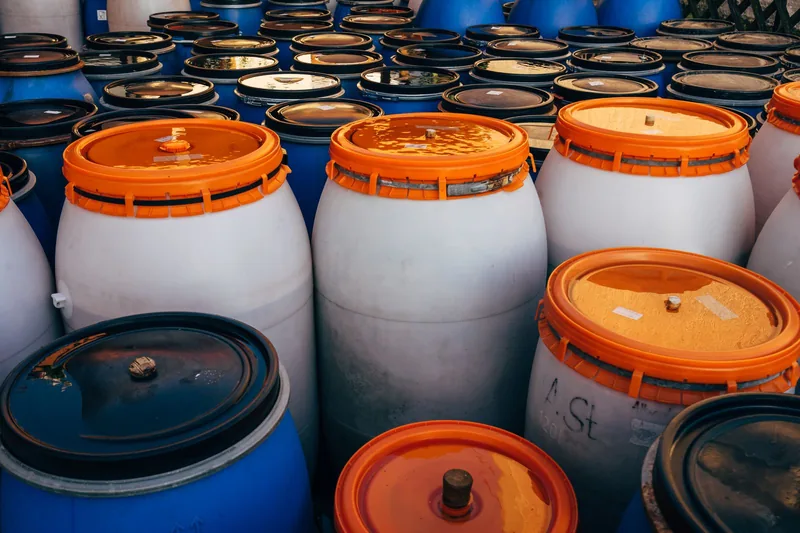
Sealed containers with labels hold biohazard waste during collection and disposal.
See biohazard waste disposal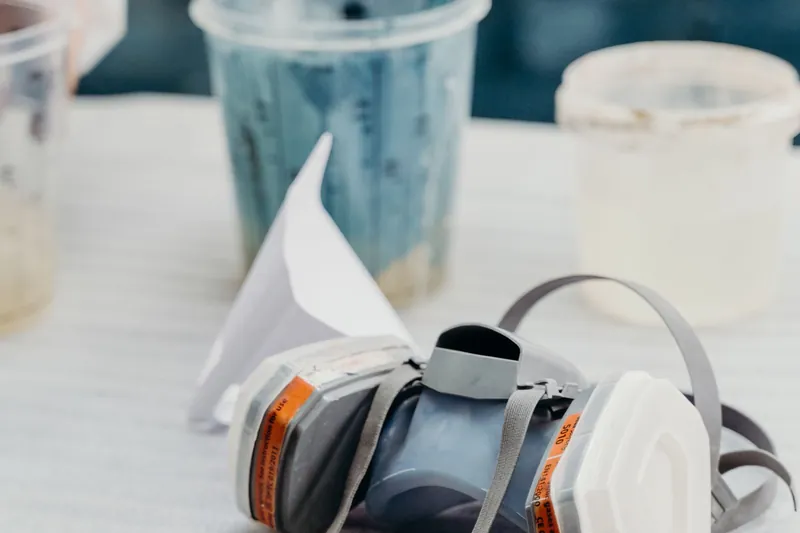
Meth lab cleanup includes testing for residue, decontaminating the space and completing clearance steps.
See meth lab cleanup
Rooms, vehicles and exposed surfaces receive decontamination following fentanyl exposure.
See fentanyl decontaminationOccasionally. The contaminating material, equipment surface, joints, electronics and manufacturer directions determine if decontamination is possible. Compatible smooth equipment may allow decontamination. Damage, porosity or limited access can prevent parts from being decontaminated safely. Leave contaminated equipment switched off and in place until someone evaluates both the hazard and the item's condition.
Crews need to know what the contaminant is and how far it spread before setting a reliable timeline. An identified hazard contained in a defined space is easier to scope than material requiring special disposal or spreading through hidden paths and several rooms. When you can use the property again depends on the time needed for assessment, containment, cleanup, removal, disposal, repairs and required inspection work.
Materials with possible organisms or bloodborne pathogens, including bodily fluids and blood, fall into the biological hazard category. Chemicals may create hazards because they burn, react, corrode or poison. Protective gear, cleaners, containers and waste disposal all need to match whether the material is biological or chemical. A method used for blood cleanup may be unsafe or ineffective on a chemical spill.
First identify the material without opening, smelling or mixing it. Prevent access to the area, then look to the product label or Safety Data Sheet for applicable safety guidance. Local regulations and the substance type control where the waste goes. Unless the instructions that apply clearly approve it, never put an unidentified chemical, affected absorbent material or leaking container into your regular trash.
Cleanup technicians control the affected area and wear protective gear suited to the exposure. Surface disinfection follows removal of blood or bodily fluids, using an EPA-registered product for its full labeled contact time. Local requirements determine the correct waste path and packaging for contaminated materials that cleanup cannot safely restore.
No. Less odor is not evidence that vapors or residue have disappeared. Some hazardous materials also produce almost no detectable smell. Cleanup decisions should be based on the identified material, affected surfaces, work scope and any testing required for that situation. Fragrance can hide an odor but does not remove its source.
Discreet, respectful hazmat cleanup, 24 hours a day, with crews in unmarked vehicles.