
Blood Cleanup
Blood cleanup clears blood from furniture, walls, hard floors and carpet, followed by safe disposal.
See blood cleanupGet fresh or dried blood cleaned from hard surfaces, carpet, furniture and building materials in Stony Island. The affected area is assessed before cleaning, disinfection and blood waste disposal begin.

Blood cleanup removes fresh and dried blood under controlled conditions. Afterward, surfaces are cleaned and disinfected, while materials that cannot safely stay are disposed of.
A blood spill may be limited to a sealed floor, or it may travel under baseboards and into carpet pad, subfloor, upholstery or wall material. Professional blood cleaning follows the full path of the spill. The goal is to find the affected area, stop cross-contamination and treat every surface that can be saved.
Routine blood cleaning services are not the same as biohazard blood cleanup. Protective equipment, controlled work areas and surface-appropriate products are used by trained technicians. Visible soil is cleaned away first. An EPA-registered disinfectant is then kept on the surface for the entire label contact time. Blood-soaked materials are kept apart from other hazardous materials and disposed of under the applicable blood waste rules.

You hear what will be cleaned, what may need removal and what affects cost before the cleaning service begins.
To move forward with repairs and discuss the claim with insurance companies, keep job photos, disposal records and scope details.
You can reach someone during the day or at night, and the crew arrives in unmarked vehicles. You can explain the situation without cleaning or moving contaminated items first.
When circumstances allow, you help identify meaningful possessions and keepsakes so each removal choice receives care.
Blood cleanup services and blood clean up services are appropriate when a spill is too large, widespread or emotionally difficult for ordinary cleaning. Every situation is assessed on its own. Common situations include:
Cleanup in hotels, stores, workplaces or rentals may require a restricted zone that excludes customers, occupants and staff.
A crime scene may still contain blood and bodily fluids on exposed surfaces or underneath after its release by law enforcement.
Carpet, trim, seat fabric and crevices can absorb blood from an injury inside a vehicle. The assessment determines what can be cleaned and what needs removal.
Blood from an injury in your home can reach furniture, flooring, walls and surrounding areas. Emergency response and necessary medical care come before cleanup begins.
Begin by protecting your personal safety. Take the following practical actions until the company performing blood cleanup or blood cleaning arrives. This lets the appropriate team learn the extent of the affected space:
Call (888) 351-0904Published guides place blood cleanup between $300 and $5,000. The common listing for minor blood cleanup runs from $500 through $2,500. One small spill limited to a sealed surface may cost less than contamination involving carpet, furniture, subfloor or several rooms. Waste disposal needs, blood volume, surface types and the number of areas involved determine the final scope.
The figures shown are national ranges from published cost guides and are not based on an on-site visit. After an on-site assessment, the price for your property is determined and shared with you before cleanup begins.
Ask about cost: (888) 351-0904Homeowners, renters and commercial policies may cover blood cleanup after an event the policy includes. Whether coverage applies is determined by the loss cause, deductible and policy terms.
Retain safe photos, the scope of cleaning, the insurance claim number and removal records. Check with your adjuster prior to throwing away other damaged belongings.
Victims of violent crime can ask the Illinois Attorney General's Crime Victim Services Division whether cleanup costs can be included in a compensation claim. Insurance is usually checked first.
The commercial insurer can tell property owners or business managers about cleaning services, interruption provisions and pre-restoration documentation.
Report how the loss happened and list affected materials or rooms for the insurance company. Check whether your policy applies to biohazard cleanup and affected construction materials.
Assessment is the starting point, and a final check completes the cleanup process. The service records each stage because blood spill risks and surface materials vary. How far blood moved, what it touched and how much is present determine the process as a whole.
Trained professionals examine the obvious spill, plus bordering rooms, seams and edges. Cleanup technicians record the original condition and classify surfaces as absorbent or non-porous.
Clean space is kept apart from the work zone. Technicians wear protective equipment suited to the exposure and control movement into and out of the area.
When upholstery, insulation, drywall, raw wood or carpet padding cannot be completely cleaned, it is carefully taken out rather than masked with covering or deodorizer.
Visible material is removed from hard surfaces before disinfection. Treatment covers fixtures, borders, grout joints and any additional spots reached by blood.
Cleanable surfaces are treated with an EPA-registered disinfectant. Wetness is maintained across the surface for all of the labeled contact time.
Contaminated materials and used cleanup products receive hazardous-waste packaging where required, followed by disposal that meets state and local rules.
Any odor that remains is identified after the source has been taken out. Source-specific treatment or filtration of the air can be added if needed.
Crews inspect the work area for anything missed and may use documentation and photos to record cleaning, removal and preparation for restoration services.

Call at any time. A blood spill cleanup specialist answers, explains the steps and agrees a start time with you.
Bloodborne pathogens may be present in blood and can create a serious health hazard. Even when blood looks dry, it needs careful treatment because contamination cannot be judged by appearance.
Porous materials such as carpet, drywall, padding, upholstery and raw wood can absorb blood. Treating only the top layer can leave a serious health hazard beneath it.
Used absorbent materials, damaged furnishings and cleanup supplies may need special packaging and disposal. Local requirements and the material determine the proper disposal route.
Cleaning up blood may distress you when it is connected to loved ones or trauma. Choosing professional cleanup keeps you outside the affected area.
When a small blood spill is safe to clean yourself. You may clean a few recent drops from a sealed, non-porous surface by wearing disposable gloves and keeping an EPA-registered disinfectant wet for the full contact time on its label. Never combine cleaning chemicals. Seek professional cleanup when blood reached porous material, spread beyond clear edges or came from a trauma, crime or unattended death.
A professional blood cleaner can usually disinfect and clean materials that are non-porous. When blood penetrates a porous item beyond the point of complete treatment, that material is removed.

A single visit may be enough to clean up blood limited to a sealed surface. Cleanup lasts longer if the spill entered porous material or multiple rooms, since removal, documentation and disinfection are required.
| Scene | Typical time on site |
|---|---|
| Small blood spill affecting a single sealed surface | One visit is often enough to complete cleaning |
| Blood affecting furnishings, carpet or multiple surfaces | Could need extra work or more time on site |
| Extensive blood contamination requiring removal of building materials | The duration varies based on disposal, removal and drying requirements |
Odor cannot be controlled until its source is located and removed. A fragrance is not a way to clean blood, and concealing stains does nothing about blood inside subfloor, upholstery, wall cavities or carpet pad.
A follow-up check can occur when cleanable surfaces have received treatment and contaminated materials have been taken out. Airborne particles may be captured with HEPA filtration during remediation. Any odor still present indicates that its source needs further investigation. Stronger fragrance is not the answer.

A single visit may be enough to clean up blood limited to a sealed surface. Cleanup lasts longer if the spill entered porous material or multiple rooms, since removal, documentation and disinfection are required.
The full blood spill cleanup guide covers what is cleaned or removed, odor and air quality work, and the rules that apply in Illinois and Cook County.
Read the full blood spill cleanup guideLocal population patterns, housing and site access may affect how containment and cleanup are planned.
At roughly 1.0 miles away, Advocate Trinity Hospital is the closest listed hospital for urgent care after a cut, puncture, or exposure.
After a needle stick or contact with bodily fluid, Advocate Trinity Hospital is listed nearest and South Shore Hospital offers another named care option.
Stony Island is near Stony Island Heights, Merrionette Manor, and Pill Hill, which can matter when family members are arriving from surrounding communities.
The Cook County location helps orient travel, while the neighborhood and full address identify where private cleanup work actually occurs.
During your call, ask whether cleanup is available in surrounding communities and ZIP codes.
Blood cleanup clears blood from furniture, walls, hard floors and carpet, followed by safe disposal.
See blood cleanup
Cleanup that controls hepatitis B, hepatitis C and HIV exposure from blood.
See bloodborne pathogen cleanup
Homes, care environments and businesses receive bodily fluid cleanup and disinfection.
See bodily fluid cleanup
Accident and injury scene cleanup in homes, workplaces and public spaces.
See accident and injury scene cleanup
Following accidents, violence or injuries, trauma scene cleanup addresses the affected area.
See trauma scene cleanup
Crime scene cleaning begins after police release and covers blood, odor and the affected property.
See crime scene cleanup
Sealed containers with labels hold biohazard waste during collection and disposal.
See biohazard waste disposal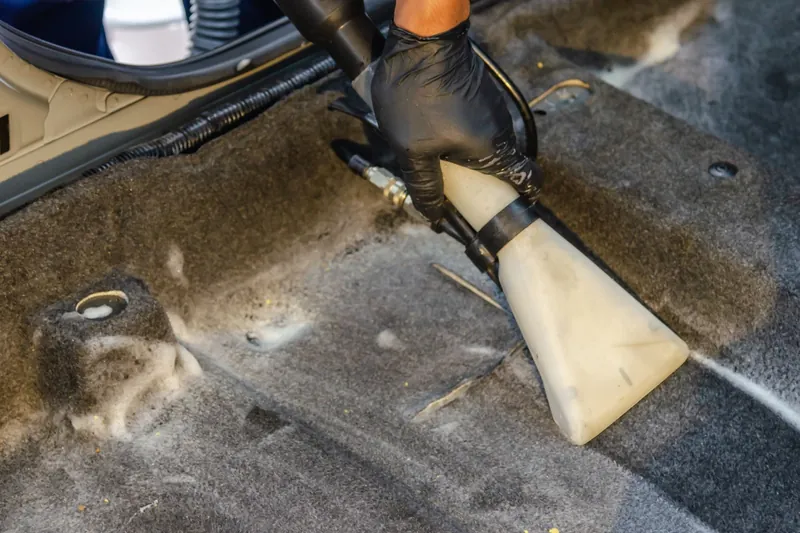
Carpet and upholstered items receive biohazard cleaning or are removed safely if necessary.
See biohazard carpet and upholstery cleaningYou cannot judge the spread of blood from a small mark on top. Blood can soak past the visible mark into carpet padding or furniture fill. Cleanup staff check between layers and along seams. When the affected area is reachable, treatment may be possible, though deep contamination within padding, carpeting or upholstery may make removal necessary.
Correct. Human blood can contain bloodborne pathogens, so it is considered potentially infectious. You cannot identify pathogen-containing blood through a visual check. Stay away from direct contact, exclude people lacking protective gear and approach a dry spill as cautiously as a recent one.
It may. Coverage depends on the event that caused the spill, the terms of your policy and your deductible. Contact insurance quickly, discuss biohazard cleanup plus building-material damage and preserve safe photos, the claim number, removal records and details of the cleanup scope.
For a few drops on a sealed surface, wear disposable gloves, remove visible soil, then apply an EPA-registered disinfectant for the complete label contact time. Never combine chemical cleaners. Professional blood cleanup is safer when the spill entered carpet, wood, furniture or gaps, spread widely or followed a traumatic event.
Separate items where they are rather than carrying them through clean areas, while placing no sharps in a standard bag. The kind and quantity of material, along with requirements in the place of the spill, determine packaging and disposal. A professional cleanup service can tell you which blood waste disposal route applies.
You need single-use gloves plus appropriate absorbent material, with an EPA-registered disinfectant whose label covers that surface and purpose. The label's directions cover how long the product stays wet, ventilation needs and proper disposal. An everyday mop or reusable cleaning cloth can carry blood to surrounding areas, so avoid them.
Crews offer discreet and respectful blood spill cleanup, arrive in unmarked vehicles and take calls 24 hours a day.