Fentanyl Decontamination
Fentanyl is decontaminated from affected surfaces, interior spaces and vehicles after exposure.
See fentanyl decontaminationGet meth residue testing, decontamination, material removal and clearance steps for a home, rental, business or vehicle in Stewart Ridge. Keep people out of affected areas until the property has been assessed.
When drug-production chemicals or methamphetamine residue contaminate a vehicle, business, rental or home, meth lab cleanup covers the necessary testing, cleaning and removal.
Residue may remain even though a property appears clean. Walls, appliances, ceilings, belongings, floors and cabinets can collect meth smoke. Sites used for production may hold fuels, solvents, acids, unknown mixtures and salts as well. Because these materials are hazardous, no one should begin normal cleaning or relocate containers before the site is carefully assessed.
Local property rules and test results set the course for the biohazard remediation work. With protective equipment in place, cleanup technicians separate contaminated areas from clean ones. They take out materials that resist cleaning and wash what remains. When necessary, they also address the air system. Afterward, samples establish whether each tested area reaches the relevant clearance level.
The cleaning service should maintain an orderly record of photos, job scope, waste disposal and testing, helping you move forward following clearance.
You learn what may be saved or thrown away after contents are assessed according to their construction and condition.
The right team outlines why tests are needed, which affected areas require work, how surfaces will be cleaned, what may be removed and how clearance works before starting.
Your property's other rooms face less transfer of contaminated materials, residue and tools when crews establish controlled zones and clean access paths.
Meth decontamination cleaning services are needed when testing or reliable property history points to residue from use or production. Every situation starts with the property history and testing results. Common situations include:
Repeated smoking has left invisible residue on walls, ceilings, cabinets, floors and household contents.
A departing tenant leaves signs of possible drug activity, so the landlord or manager needs testing before making repairs or accepting another renter.
Residue may be present on seats, carpet, trim and ventilation surfaces inside a car, truck or recreational vehicle.
A contractor stops work after discovering suspicious vessels, chemical stains or a prior notice, preventing dust from entering clean spaces.
Start by limiting exposure and stopping residue from spreading. Before a professional cleanup starts, take the following steps:
Call (888) 351-0904PushLeads publishes a broad meth lab cleanup range of $5,000 to $120,000 and identifies the typical average as $15,000 to $20,000. Chemical production throughout an entire property creates a different scope than repeated smoking limited to one area, which explains the wide span. The final scope also changes with testing, air-system work, removal of materials and local clearance requirements.
The figures shown are national ranges from published cost guides and are not based on an on-site visit. An on-site assessment determines your property's price, which is explained to you before the cleanup starts.
Ask about cost: (888) 351-0904Whether insurance covers meth contamination varies with policy terms and the cause. A policy might exclude criminal acts, pollution, contamination or vacancy. Report the finding without delay and ask about any insurance assistance. Get a written decision on coverage before non-emergency work is authorized.
After law enforcement preserves evidence and releases the site, the property owner typically needs to set up environmental assessment and remediation.
Property owners commonly organize evaluation and remediation work for rentals. Seeking reimbursement from the renter is a different matter from restoring safe property conditions.
Maintain a single file containing the police release, test results, images, remediation scope, disposal paperwork, invoices and clearance report.
Describe the discovery of residue when contacting the insurance company. Check whether your policy covers sampling, cleanup, construction material removal and loss of use.
The meth lab cleaning process follows a measured sequence. Every step should match the property assessment, the testing plan and the clearance rules that apply where the property is located.
Confirm that trained technicians will examine police clearance, site history, obvious hazards, room arrangement, ventilation and possible routes of residue movement before starting.
Sampling surfaces helps locate affected areas and set an initial benchmark. Local requirements should determine both sampling technique and placement.
The cleanup document explains how to contain the area, what to remove or clean, how contents are treated and which clearance steps finish the work.
The affected workspace is contained away from clean areas. Cleanup technicians wear protective gear selected for the site's chemical dangers, contaminated dust and residue.
When cleaning cannot reach the required threshold, waste disposal may be needed for insulation, damaged materials, carpet, soft furnishings or pad.
Crews follow an orderly process and select suitable techniques for every remaining floor, cabinet, wall, fitting and ceiling surface.
The air system and movable belongings are evaluated separately. Each item's condition and sampling findings guide the choice to clean, isolate or discard it.
Once cleanup ends and sampling can begin, clearance results show if more remediation is required before anyone occupies the space.

Phone support stays available. A specialist in meth lab cleanup takes your call, walks you through the process and confirms when work can start.
A property previously associated with meth can pose serious health hazards despite having no powerful odor. The risks include contact through your skin, contaminated dust and production chemicals that remain.
Contamination may collect on flooring, counters, toys, walls and other items people touch often. Looking normal cannot confirm that a surface satisfies the clearance threshold.
Pets and children frequently contact objects and floors. You can lower their chance of contact by restricting access to the affected area during pending tests and cleanup.
Pre-test demolition of drywall or carpet can spread dusty residue onto work tools, garments and uncontaminated parts of the building.
When a small blood spill is safe to clean yourself. Suspected meth contamination requires more caution than a small domestic spill. Ordinary cleaning supplies do not reveal how widely residue spread or prove compliance with local clearance requirements. The safer approach starts with tests and a plan specific to meth remediation.
Materials are kept only when the remediation plan allows them to be cleaned and the finished area can pass the required clearance process.
Meth lab cleanup usually spans several workdays in a limited space but may extend across several weeks at a large production site. More than room count, the timeline depends on laboratory turnaround, removal of material, repeated cleaning and sampling for clearance.
| Scene | Typical time on site |
|---|---|
| A small area with limited residue | Commonly several workdays with added lab time |
| Several rooms or HVAC involvement | Often one to several weeks |
| Chemical damage at a previous manufacturing location | Could require several weeks plus multiple clearance rounds |
Meth contamination cannot be determined by smell. Residue may cover surfaces without any noticeable odor, or with very little. Leave if you detect a sharp chemical smell. Do not enter the property to find its source or attempt to hide it using fragrance.
Source control must happen first when addressing air quality and odor. Production chemicals, settled dust and contaminated porous material need attention before air cleaning becomes useful. The HVAC system may be part of the assessment, as may ducts, filters and adjoining rooms. Whether the space seems to smell clean cannot decide clearance. That decision should be based on required sampling.

Meth lab cleanup usually spans several workdays in a limited space but may extend across several weeks at a large production site. More than room count, the timeline depends on laboratory turnaround, removal of material, repeated cleaning and sampling for clearance.
The full meth lab cleanup guide covers what is cleaned or removed, odor and air quality work, and the rules that apply in your state.
Read the full meth lab cleanup guidePlanning for access, containment and cleanup can depend on local population, housing and entry conditions.
Stewart Ridge is listed about 1.4 miles from Roseland Community Hospital, a relevant distance when prompt evaluation follows a biohazard exposure.
For planning after exposure, note Roseland Community Hospital at approximately 1.4 miles and the additional listed facility, Ingalls Memorial Hospital.
Nearby communities include Gano, West Pullman, and Andrews and Hurds Subdivision, useful geographic references when explaining a property location to a cleanup crew.
Neighborhood level directions help narrow the location, but crews still need entrance details before bringing containment and cleaning equipment inside.
Ask on the call about cleanup options for neighboring communities and ZIP codes.
Fentanyl is decontaminated from affected surfaces, interior spaces and vehicles after exposure.
See fentanyl decontamination
Rental spaces and properties are cleared of needles, pipes and residue from drugs.
See drug paraphernalia cleanup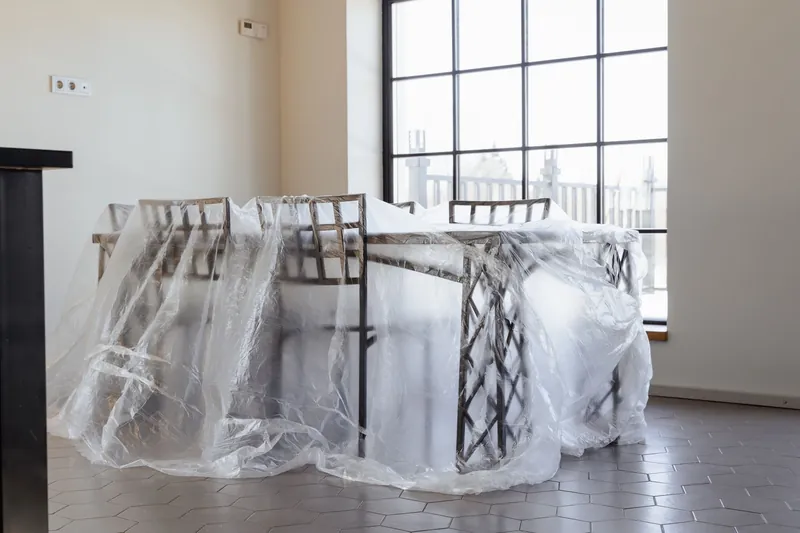
Grow house cleanup of mold, chemicals and damage left by indoor growing.
See marijuana grow house cleanup
Hazmat cleanup uses the appropriate protective equipment for hazardous materials.
See hazmat cleanup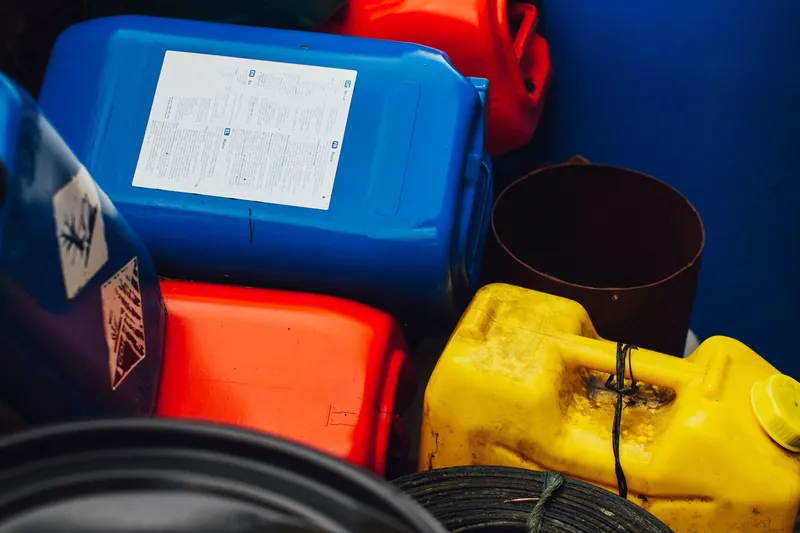
Waste cleanup removes toxic and chemical material for safe disposal.
See chemical and toxic waste cleanup
Full decontamination of rooms, surfaces and air after infectious or hazardous exposure.
See biohazard decontamination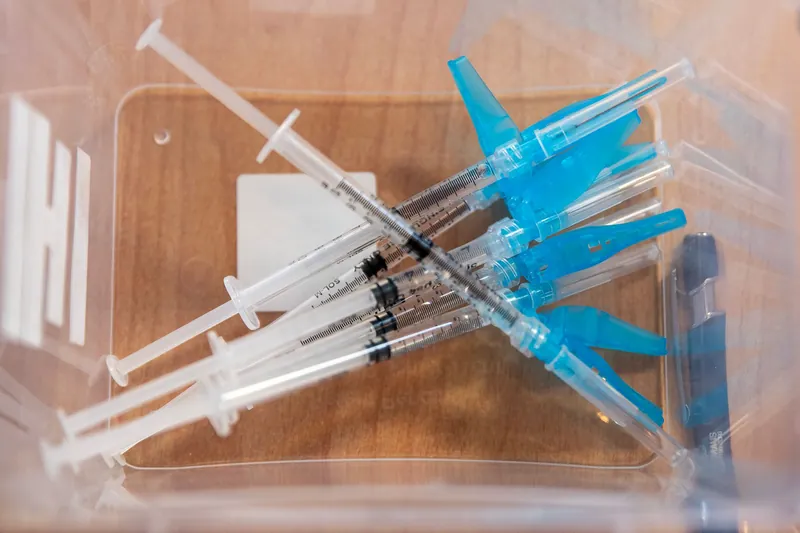
Needle and sharps cleanup for yards, rentals, parks and encampments.
See needle and sharps cleanup
Hotels, rental properties and Airbnb units receive biohazard cleanup.
See hotel, airbnb and rental biohazard cleanupCoverage depends on the policy, how the contamination occurred and any exclusions for pollution, contamination, criminal acts or vacancy. Notify the insurance company promptly, describe how the issue was discovered and ask whether testing, remediation, removed materials, temporary housing and clearance sampling are covered.
The broad range from PushLeads runs from $5,000 to $120,000 and its typical average spans $15,000 to $20,000. The price changes with property size, whether meth was smoked or produced, HVAC contamination, testing, material removal and the number of cleaning or clearance rounds needed.
A DIY attempt can distribute contaminated particles while making the finished work difficult to document. Household products do not measure residue or confirm clearance. Your first steps are expert sampling and confirmation of the area's cleanup standard. A written remediation plan can then identify which surfaces may be cleaned and which materials should be removed.
A clean appearance or normal odor does not establish that the property is ready. The governing local rule and written advice of the appropriate environmental or public agency should determine when reoccupation occurs. Final samples objectively indicate if the property requires another cleaning cycle.
A limited cleanup may take several workdays, while a multi-room production site can take several weeks. Schedule factors include laboratory timing, porous material removal, the number of cleaning rounds, HVAC treatment and final sampling. Another cleaning round may be needed if clearance samples remain above the applicable level.
Bleach is a disinfectant, not a meth clearance test. Using it does not show how much residue remains, and mixing cleaning products around unknown lab chemicals can be dangerous. The plan should select treatment that fits local standards, the degree of contamination and the type of wall finish.
You can request respectful, discreet meth lab cleanup 24 hours a day, and crews use unmarked vehicles.