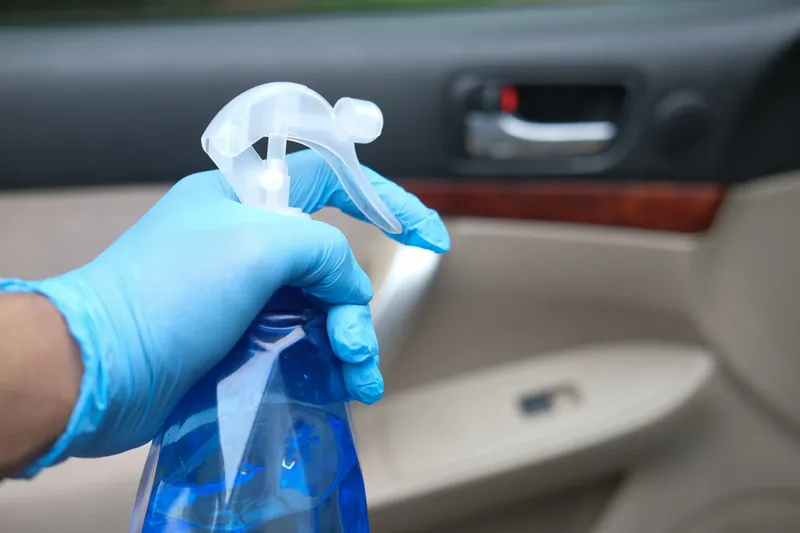
Police and Ambulance Vehicle Decontamination
Police vehicles, ambulances and other transport vehicles receive decontamination.
See police and ambulance vehicle decontaminationGet blood, bodily fluids, waste and odor removed from a car, truck, RV or boat in Steger. Vehicle biohazard remediation reaches hidden contamination in seats, carpet, trim and the air system.
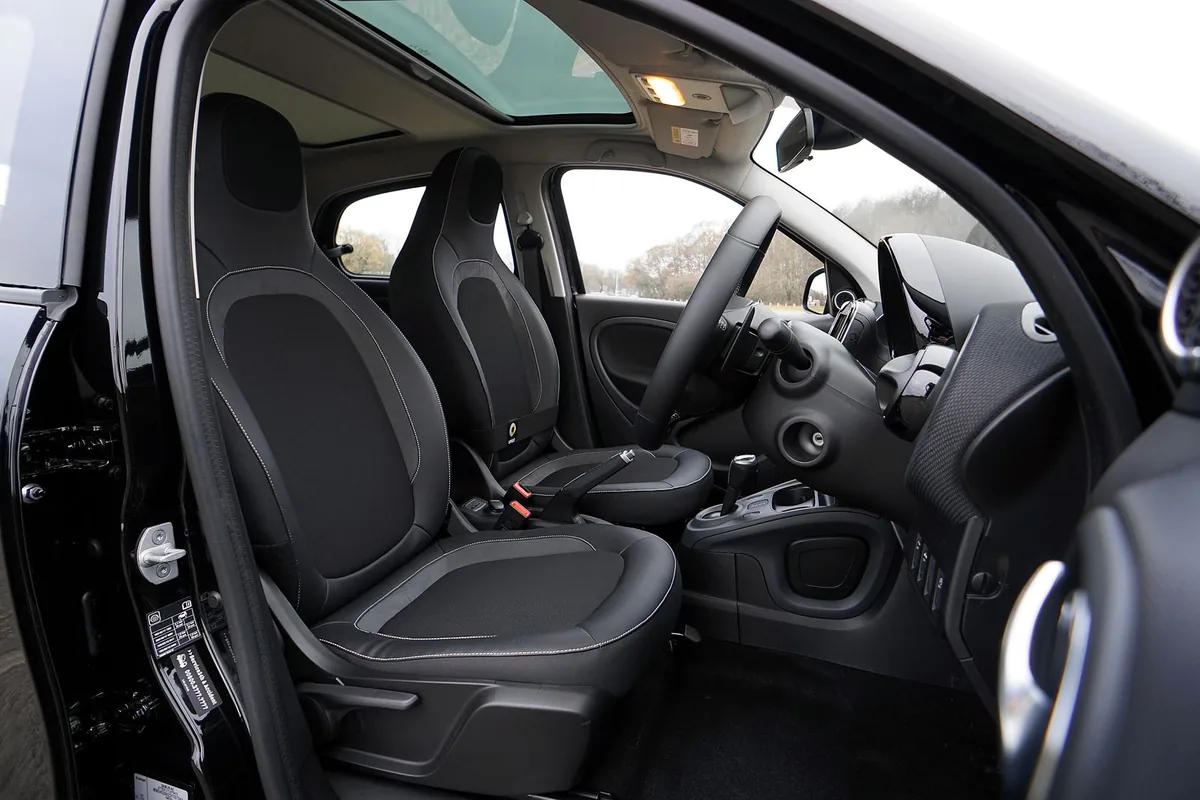
Vehicle biohazard cleanup carefully takes blood, human or animal waste, bodily fluids and other affected materials out of cars, trucks, boats, RVs and fleet units. Cleaning, disinfecting and odor treatment follow that removal.
A vehicle interior has many hidden pathways. Liquid can pass through a seat cover into foam, run beneath carpet, collect along trim clips and reach wiring channels. Airflow can also carry odor into the cabin filter and vents. Ordinary detailing focuses on appearance, while vehicle biohazard remediation follows the contamination into the affected area and surrounding areas.
Cleanup starts with a controlled inspection and suitable protective gear. Materials that cannot be completely disinfected are removed, surfaces receive detailed cleaning, and hazardous waste is disposed of. An EPA-registered disinfectant remains wet for all of the contact time listed on its label. You then have a clear distinction between interior pieces that may remain and those requiring removal.
Documentation for your property owner, fleet records or insurance company can include images, the cleaning scope and details of materials taken out.
Documents, tools and belongings are sorted with your input. Items are not treated as waste simply because they were inside the vehicle.
Calls receive an answer around the clock, while unmarked vehicles help crews arrive discreetly. Your circumstances can be discussed confidentially, giving you space to choose what happens next.
Before hiring anyone, confirm whether trained technicians will perform the vehicle inspection. The team should explain its findings, identify parts that may be kept or removed, and outline cost factors, giving you the details needed to move forward.
Biohazard cleaning may be needed when contamination is more than a minor spot that you could safely wipe from a hard surface. Although each event differs, the following situations are common reasons to leave the vehicle shut and request an inspection:
After law enforcement releases a vehicle connected to a crime or traumatic event, a cleaning service can address contamination without asking you or your loved ones to face it.
A seat, console, door panel, carpet or cargo space may be exposed to fluid during an injury, accident or medical event. Contamination can reach underlying padding despite appearing small on the surface.
Before returning to use, an affected taxi, rideshare car, work truck or emergency response vehicle may require a documented cleaning process.
When a death occurs in a vehicle, seat foam, flooring, trim and air quality may be affected. The source must be removed before disinfection and odor removal.
Begin by reducing contact and preventing affected material from traveling farther inside the vehicle. Before cleanup technicians examine it, use these precautions:
Call (888) 351-0904The published range for vehicle biohazard cleanup is $500 to $5,000. The final cost depends on the interior materials, how serious the event was, the time since it happened and whether the air system needs decontamination. An inspection is needed because contamination beneath a seat or carpet may not be visible from the door.
These ranges come from published national cost guides, not from a site visit. You learn what your property will cost after the on-site assessment and before any work begins.
Ask about cost: (888) 351-0904Vehicle biohazard cleanup may be covered by auto insurance when your policy covers what caused the contamination. Requirements for records, policy coverage and deductible amounts vary. When possible, speak with the insurance company prior to authorizing cleanup.
The vehicle owner or fleet manager usually starts the claim and approves access. Business insurance can set its own documentation rules, coverage limits and exclusions.
Save your claim identifier, pictures, work scope, waste paperwork and list of removed items. Check with your claims adjuster prior to disposing of damaged items that could require examination.
Victims of violent crime can ask the Illinois Attorney General's Crime Victim Services Division whether cleanup costs can be included in a compensation claim. Insurance is usually checked first.
Tell the adjuster what happened without disturbing the vehicle. Ask the insurer if your coverage includes cleanup, transport, restoration and taking out contaminated vehicle parts.
Each stage of vehicle biohazard remediation is ordered to prevent affected material from moving around the cabin. Decisions throughout the process depend on the event itself, the length of time after exposure and the types of interior material.
Cleanup technicians examine seating seams, floors, visible air inlets and every interior storage or cargo space. The initial condition is photographed to clarify what work is required.
The vehicle and work zone are kept separate from public access. Workers wear gloves, protective garments, eye protection and any additional equipment appropriate for the hazard.
Personal property is sorted among apparently unaffected belongings, cleanable items and contaminated materials needing disposal or a decision from you.
When contamination soaks into vehicle materials beyond complete disinfection, only the affected foam, fabric, padding, headliner, carpet or trim is removed.
Cleaning solid surfaces comes first, followed by application of an EPA-registered disinfectant. Product instructions determine how long the disinfected surface must remain wet.
If contamination or odor could have reached the climate system, the inspection includes vents, air intakes and the cabin filter. Removing the source continues to come first.
Removed material is packaged for disposal under the rules that apply to the waste. Documentation may be useful for fleet records or an insurance claim.
The affected areas and surrounding areas receive a final visual check so contaminated material is not left behind. You are informed about all completed cleaning and removal, along with restoration services that may still be necessary.
You can call anytime. A vehicle biohazard cleanup specialist answers, explains the steps and agrees a start time with you.
Serious health risks can come from blood, waste, bodily fluids or concealed sharp items in a vehicle's compact, enclosed interior.
Needles may be concealed under seating, within compartments or among personal property. Picking through the cabin without puncture-resistant tools can cause an exposure.
Gravity draws liquid into seams. Dry-looking surfaces can hide fluid that reached seat cushioning, carpet underlay, fasteners and floor channels.
A hot, enclosed cabin can concentrate unpleasant odor. Before source removal, vehicle heating or cooling can distribute odor through vents and into the cabin filter.
When a small blood spill is safe to clean yourself. With gloves, you may clean several fresh drops from a non-porous hard surface using an EPA-registered disinfectant that stays on for the complete label contact time. If a sharp item is present or fluid has penetrated a seam, upholstery, padding, carpet, roof lining or vent, do not enter and seek professional cleanup.
Hard, non-porous interior components can remain if all their surfaces are accessible for cleaning and disinfection. When contamination penetrates below the face of porous material, removal may be necessary.
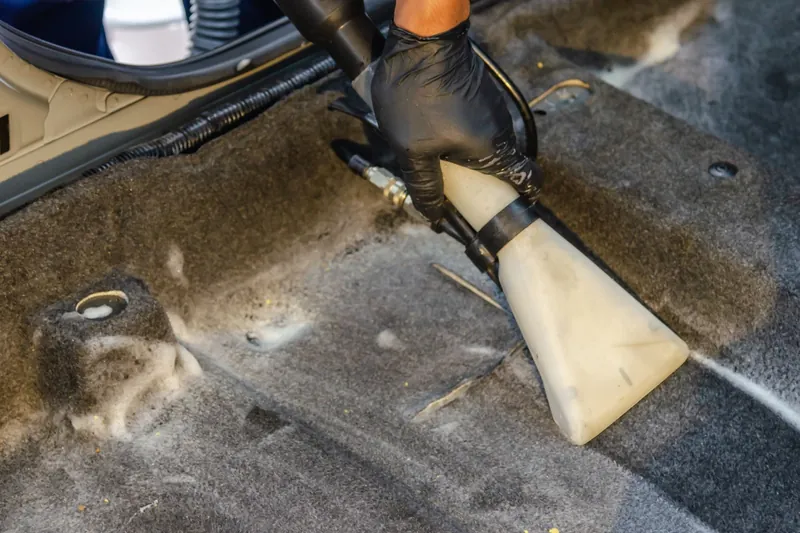
The duration of vehicle biohazard cleaning is established once the inspection is complete. A small hard-surface job needs less time than one involving carpet or seat removal, checks inside vents, repeat treatments or replacement components.
| Scene | Typical time on site |
|---|---|
| Limited hard-surface contamination | Time estimate established following an inspection of the affected area |
| Affected cargo section, vehicle carpet or seats | Work takes longer when affected parts must come out |
| Widespread contamination or air-system work | The timeline varies with drying, entry to affected areas and repair needs |
The source of contamination must be located and removed before vehicle odor can be addressed. Surface shampoo, added fragrance or an air freshener might disguise the smell for a while, yet none can clean fluid from a cabin filter, insulation, carpet padding or foam under a seat cover.
Reachable areas are cleaned and disinfected following removal of the source. If the climate system carried odor, inspection can include its intake, cabin filter and vents. Treating the air may complement the work, but it cannot substitute for taking out contaminated porous material. Do not turn on the fan before evaluation of the source and route of airflow.

The duration of vehicle biohazard cleaning is established once the inspection is complete. A small hard-surface job needs less time than one involving carpet or seat removal, checks inside vents, repeat treatments or replacement components.
The full vehicle biohazard cleanup guide covers what is cleaned or removed, odor and air quality work, and the rules that apply in Cook County and Illinois.
Read the full vehicle biohazard cleanup guidePlanning for access, containment and cleanup can depend on local population, housing and entry conditions.
In Steger, 36.3% of homes are renter occupied, so privacy and simple communication matter when a property contact is involved.
Because the median home dates to 1966, cleanup plans should distinguish washable surfaces from absorbent carpet, padding, and wallboard.
The local count of seniors living alone is 606, so a cleanup plan may need input from someone managing the home remotely.
Because 74.2% of local housing is single-family, owners often can make direct decisions about removing affected structural materials.
Your phone conversation can include questions about service in nearby ZIP codes and communities.
Police vehicles, ambulances and other transport vehicles receive decontamination.
See police and ambulance vehicle decontamination
Walls, carpets, furnishings and hard floors receive blood cleanup, with safe disposal afterward.
See blood cleanup
Across care settings, commercial spaces and homes, bodily fluid cleanup includes disinfection.
See bodily fluid cleanup
Carpet and upholstered items receive biohazard cleaning or are removed safely if necessary.
See biohazard carpet and upholstery cleaning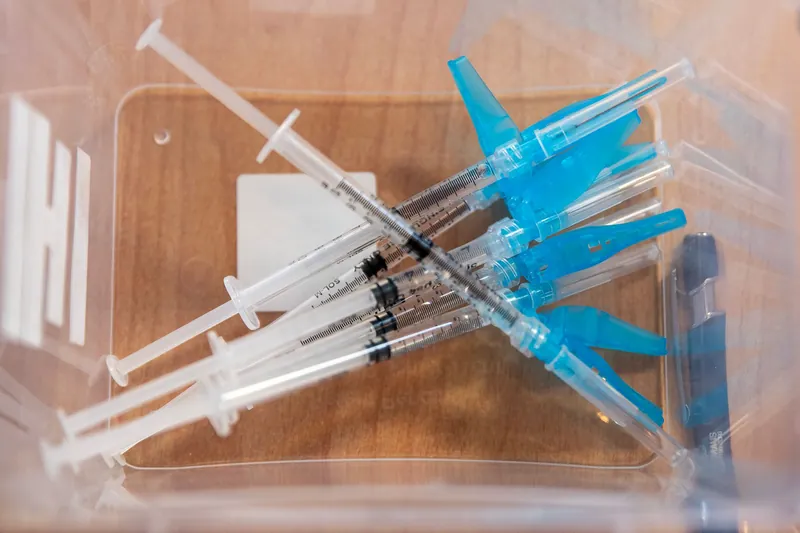
Yards, encampments, parks and rental properties receive needle and sharps cleanup.
See needle and sharps cleanup
Trauma scene cleanup after accidents, injuries and violent events.
See trauma scene cleanup
Rooms, surfaces and air receive complete decontamination following infectious or hazardous exposure.
See biohazard decontamination
Biohazard waste is collected in labeled, sealed containers and taken for disposal.
See biohazard waste disposalA safe outcome requires locating the entire affected area and successfully treating or taking out porous items that were contaminated. Ask for a clear scope showing what was cleaned, what was removed and whether vents or the cabin filter were inspected. If you are buying the vehicle, consider an independent inspection and read all available records.
Routine detailing cleans common dirt and stains for appearance. During biohazard remediation, workers consider hidden liquid routes, bloodborne pathogens, protective gear, hazardous waste and disinfectant contact time. If contamination reached seat foam, carpet padding, insulation or vents, shampooing the visible fabric does not address everything beneath it. Make sure you ask specifically about professional biohazard cleanup.
Vehicle property is sorted before cleanup. Belongings beyond the affected area can be separated, and washable non-porous objects may receive cleaning. Porous belongings exposed to fluid may not be recoverable. If the vehicle might contain needles or other sharp materials, do not search through belongings or reach into concealed areas.
The range is $500 to $5,000, based on the Biohazard Cleanup Cost Guide (2026) from BioCleaners Directory. Interior materials, event severity, time since the event and air-system decontamination affect the final amount. Because looking in from the door can overlook material beneath carpeting or within seats, the vehicle needs an inspection.
Keep the fan and air conditioner off until the source and air path are inspected. Moving air can draw odor toward the interior filter and circulate it through ventilation openings. Stay out of the vehicle and open its door only if an urgent safety need calls for fresh air. Source removal and thorough cleaning come before odor control, along with any required ventilation or filter service.
The first actions are keeping others away and checking the path of the material. The cleaning process separates personal property, removes absorbent materials that cannot be disinfected, cleans solid surfaces and uses an EPA-registered disinfectant through the full labeled contact period. Odor sources, vents and the cabin filter are checked before a final inspection of the interior.
You can request respectful, discreet vehicle biohazard cleanup 24 hours a day, and crews use unmarked vehicles.