Death Cleanup
After a person dies at home, cleanup addresses fluids, odors and belongings that were affected.
See death cleanupSort, pack and remove belongings from a home, apartment, garage or storage area in South Shore after a death. Important documents and keepsakes are set aside under your instructions.
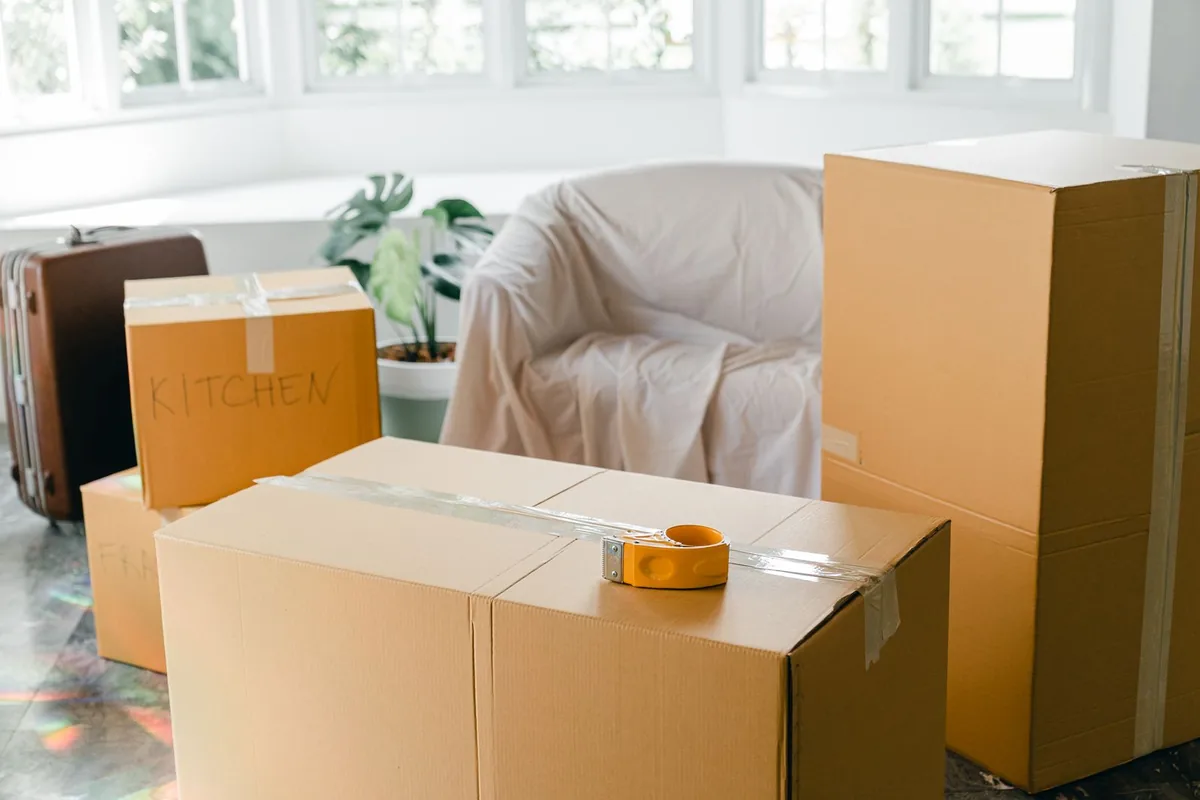
An estate cleanout after a death is the organized sorting, packing and removal of a person's belongings after the family or legal representative is ready to clear the property.
Your approved categories guide the sorting of personal property into kept belongings, documents for examination, donation items, recyclables and ordinary waste. This work can extend through the home or apartment, garage, attic, storage unit and outbuildings. Moving out furniture and appliances can leave those rooms clear for the following stage.
Death cleanup and estate cleaning are separate kinds of work. When no bodily fluids reached the home after a person died there, careful sorting and a general cleanout may be all that is needed. An unattended death, blood that can be seen, significant odor or contaminated contents requires biohazard cleanup first. Only afterward should workers sort nearby spaces, which helps protect relatives and others who enter the area.
The cleanup service should protect items that are not easy to notice. Photographs, legal records, keys, jewelry, cash, medicine and family keepsakes belong in a separate group for you to inspect. Before the cleanup process starts, you can name priority items and make choices gradually when belongings are extensive.
You decide how items are sorted, what receives priority and what may be removed before the first step begins. The plan can pause when a family decision is needed.
Unmarked vehicles and protected common routes help keep the work discreet, while outgoing bags and boxes remain unobtrusive outside.
Photos, documents, valuables and named keepsakes are separated for you to examine instead of being mixed with ordinary removal items.
As you move forward, photographs, work details and invoices can help with discussions involving relatives, the estate representative or insurance companies.
After a death, an orderly cleanout may assist relatives, an executor, a landlord or the property owner who must remove the belongings. Typical circumstances include:
Contents need to be cleared while building access, elevators, parking, neighbors and the landlord's requirements are considered.
Use the same authorized plan to sort furniture, tools, paperwork, chemicals and boxed contents in garages or storage spaces.
The estate's authorized decision-maker needs photographs, choices made in stages and documentation of removed items.
Large amounts of personal property require a slower room-by-room plan, clear keep lists and attention to blocked paths or hidden hazards.
Confirm who is authorized to make estate decisions and make the property secure before anything else. To keep cleaning and removal from becoming confusing, begin with these steps:
Call (888) 351-0904The veteranhauling.com estate cleanout cost guide gives these ranges: for a smaller home with one to two bedrooms, $1,000 to $3,000 applies; for a mid-size home with three to four bedrooms, $3,000 to $7,000 applies; and for a heavily furnished or large home, $7,000 to $15,000 applies. At $300 to $800 according to the guide, the load-based junk removal range covers one truckload. Actual contents, disposal requirements and access determine your price.
National cost guides that have been published supply these ranges, not a visit to the property. The price for your property is set after the on-site assessment, and you hear it before work starts.
Ask about cost: (888) 351-0904Insurance may pay for cleanup related to a covered loss, but it does not automatically pay for routine work to clear an estate. If the policy does not apply, the owner or the estate often bears the cost.
Victims of violent crime can ask the Illinois Attorney General's Crime Victim Services Division whether cleanup costs can be included in a compensation claim. Insurance is usually checked first. Check directly with the program about coverage for eligible crime scene cleanup costs. Standard estate cleanout costs may not qualify for the benefit.
To learn whether cleanout charges may come from estate assets, the authorized decision-maker can seek guidance from the proper financial or legal professional. Save invoices and removal logs.
Ask the insurance company whether the cause of damage is covered, whether biohazard or death cleanup is included and what records are required. Whether coverage applies varies by loss and policy terms.
Who is responsible can vary with local rules, rental terms and ownership of the belongings. Before altering the unit or clearing a tenant's personal property, verify that you have authority.
You may authorize each part of the cleanout and identify possessions that are never to be taken away. The process uses an orderly sequence beginning with access confirmation and ending with a final walk-through.
The initial check covers every room, way in and item you have marked as important. Sorting begins only after noting affected areas and any possible hazards.
Each possession goes into a category you approve, whether keeping, family decision, intended donation, recycling, ordinary waste or special waste.
A protected decision space holds identification, financial documents, photos, keys, valuables and requested keepsakes so they do not enter the removal group.
If contamination is found, trained technicians secure the affected area, use protective equipment and finish the remediation process before ordinary sorting restarts.
Items you keep are packed by room or category and labeled clearly. Separating papers from fragile belongings makes each group simpler to inspect.
Furniture, boxes and household debris you approve are taken out by the chosen route. Items requiring special care follow the proper waste disposal process.
Once rooms are empty, remaining dust and ordinary residue can be cleaned. Any persistent odor is traced to its source before odor removal is considered complete.
Before ownership or control changes, you inspect emptied rooms, confirm kept belongings and record any needed repairs or restoration services.

Call any hour. You speak with a estate cleanout after a death specialist who outlines the process and schedules a start time with you.
Most property in an estate does not pose a biohazard, although the home may hold hazards that must be found before the sorting stage.
Bodily fluids on drywall, subfloor, furniture, padding or carpet may call for regulated waste disposal and professional cleanup before moving general belongings.
Every item may carry a memory. You can move forward without hurried choices by writing a keep list and reviewing belongings in small groups.
Keep decisions about loose needles, medication, chemicals, fuels and ammunition separate from ordinary contents. Do not place unknown or sharp items into an ordinary bag by hand.
When a small blood spill is safe to clean yourself. An ordinary cleanout crew should stop if hidden contamination appears. Wear gloves and keep an EPA-registered disinfectant wet for its complete contact time when treating a small fresh blood spot on a hard, non-porous surface. The estate work should pause for professional biohazard cleanup if blood soaked into wood, textiles, carpeting or other absorbent material.
Only after items have been sorted under your instructions should any of them count as waste. Personal belongings must stay separate from ordinary debris and from waste that poses a hazard.

An estate cleanout has no fixed timeline. One work period could be enough for a small, sparsely furnished home, whereas careful family sorting throughout a full house might take multiple visits. Limited access, biohazard work and postponed choices can extend the schedule.
| Scene | Typical time on site |
|---|---|
| Small home with decisions already made | Often the shortest schedule |
| Full home with room-by-room family decisions | Often requires several work periods |
| Heavy contents, hazards or unattended death cleanup | Longer and completed in planned stages |
Finding what causes an odor is the first step toward removing it. Taking away garbage, spoiled food and contents that can be washed may freshen ordinary stale air. Fragrance by itself, however, cannot resolve animal waste, moisture, smoke residue or unattended-death contamination.
Air treatment follows source removal whenever biohazard materials are involved. Cleanable surfaces receive an EPA-registered disinfectant and remain wet for the complete contact time on its label. Porous contents with contamination may require removal, and HEPA air scrubbers can collect airborne particles as professional cleanup proceeds. The odor's cause, rather than how powerful a masking fragrance seems, determines the finishing plan for air quality.

An estate cleanout has no fixed timeline. One work period could be enough for a small, sparsely furnished home, whereas careful family sorting throughout a full house might take multiple visits. Limited access, biohazard work and postponed choices can extend the schedule.
The full estate cleanout after a death guide covers what is cleaned or removed, odor and air quality work, and the rules that apply in your state.
Read the full estate cleanout after a death guideLocal population patterns, housing and site access may affect how containment and cleanup are planned.
At roughly 0.3 miles away, Jackson Park Hospital is the closest listed hospital for urgent care after a cut, puncture, or exposure.
After a needle stick or contact with bodily fluid, Jackson Park Hospital is listed nearest and The University Of Chicago Medical Center offers another named care option.
Connections to Bryn Mawr East, Bryn Mawr West, and O'Keeffe make a precise address important for coordinating cleanup access without unnecessary neighborhood attention.
A neighborhood address can differ from its broader city label, making the full street and unit information important for discreet cleanup access.
Ask on the call about cleanup options for neighboring communities and ZIP codes.
After a person dies at home, cleanup addresses fluids, odors and belongings that were affected.
See death cleanup
Decomposition cleanup and odor control are needed after a death goes unnoticed for several days.
See unattended death cleanup
After a death is discovered promptly, cleanup is carried out with care for the family home.
See attended death cleanup
Cleanup clears fluids from decomposition out of floors, subfloors and furnishings.
See decomposition cleanup
Death odor removal at the source with air scrubbers, hydroxyl and ozone treatment.
See death odor removal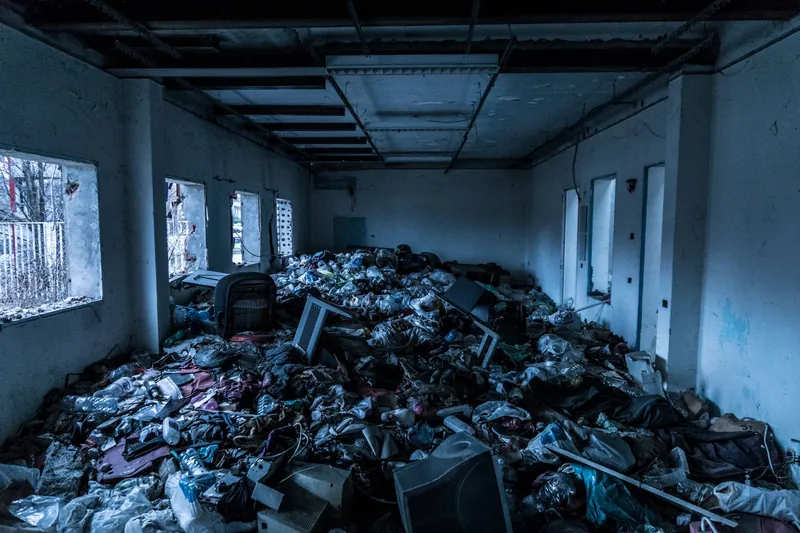
Deep cleaning, respectful sorting and removal are all part of hoarding cleanup.
See hoarding cleanup
During hoarder house cleanout, trash is hauled away as work progresses from room to room.
See hoarder house cleanout
Sealed containers with labels hold biohazard waste during collection and disposal.
See biohazard waste disposalDo not assume a homeowners policy covers an ordinary cleanout of estate contents. Depending on its terms, the policy might cover cleaning tied to a covered event, including certain damage related to a death. Explain the event to the insurance company and check which policy conditions govern cleanup work, personal property and required records.
Sorting should stop around the affected area. Keep others and animals out, never collect loose needles with your hands, and separate contaminated materials from regular household waste. Professional cleanup evaluation determines what protective equipment, disinfecting process and waste disposal route are required prior to resuming ordinary estate work nearby.
You can designate items for donation, but only the receiving group can approve what it takes. What the organization accepts can depend on item condition, safety policies and present demand. Confirm the destination for donations and check acceptance before including damaged property, chemicals, medical equipment or mattresses.
Authority may belong to an executor, administrator, trustee, property owner or another legally authorized person. Estate paperwork and the local procedure determine who can act. If family members disagree or authority is uncertain, pause removal and ask a qualified local probate professional before any personal property leaves.
Begin by saving recognizable, irreplaceable belongings, including ID, estate documents, photos, keys, jewelry, cash, medicine and specifically named keepsakes. You do not need to move heavy contents yourself. Write down the belongings that matter so sorting can locate them.
No. Clearing the home and addressing its belongings are the purpose of estate cleaning. Unattended death cleanup focuses on bodily fluids, contaminated materials, odor and safe waste disposal. General cleanout can move ahead in safe spaces once trained professionals carry out the required biohazard remediation for the affected area.
You can request respectful, discreet estate cleanout after a death 24 hours a day, and crews use unmarked vehicles.