
Hoarder House Cleanout
During hoarder house cleanout, trash is hauled away as work progresses from room to room.
See hoarder house cleanoutMake blocked spaces usable again through careful property sorting and nonjudgmental home cleaning. The work may involve deep cleaning, hauling, odor treatment and biohazard remediation if bodily fluids or waste are found.
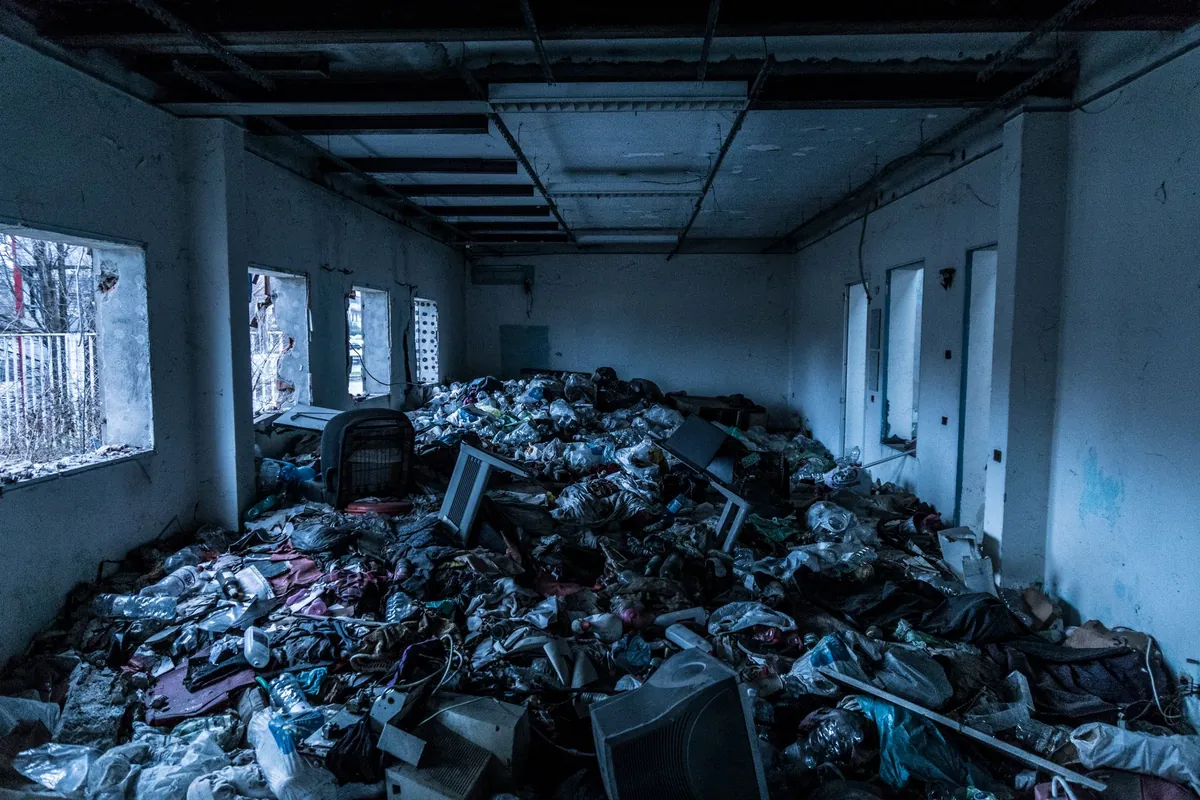
A hoarding cleaning service helps restore use of exits and rooms through organized sorting, approved rubbish and item removal, followed by deep cleaning.
Hoarding cleanup goes beyond removing accumulated items. A sorting plan separates donations and recyclables from property you want to keep and material approved for disposal. Papers, photos, medicine and personal possessions are held for your decisions. The next stage is careful cleaning of reachable walls, fixtures, flooring and hard surfaces throughout each room.
Some homes need ordinary cleaning and junk removal only. Others contain spoiled food, animal waste, urine, feces, sharps, sewage, mold or bodily fluids. Those conditions call for protective equipment, controlled removal and biohazard cleanup. A professional cleanup plan should match the actual hazards found in the home, not assumptions about the person who lives there.
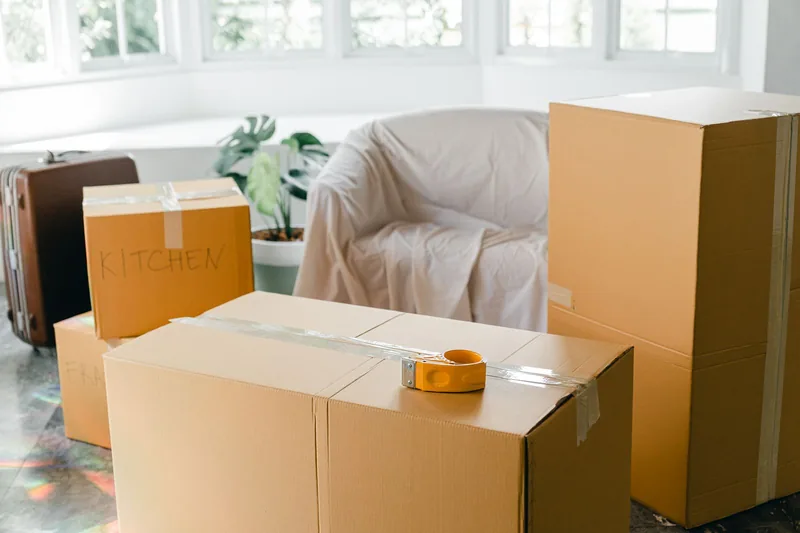
A staged plan shows you what is included in the sorting, removal, deep cleaning, biohazard and restoration portions.
Workers match protective gear, restricted work areas and disposal routes to bodily fluids, sharps, animal waste and any additional hazards present.
The crew travels in unmarked vehicles. A careful approach to loading, staging and bagging may minimize unwanted attention outside the property.
You stay involved in decisions about personal property. With an organized sorting process, belongings you want are protected while undecided property remains separate for your later choice.
When accumulated belongings make routine housekeeping difficult or unsafe, hoarder cleaning services may make the work manageable. Typical reasons to seek assistance include:
Your relatives may need support sorting extensive personal property without losing records, photographs, heirlooms or other meaningful possessions.
Accumulated items can restrict access near utility panels, stairs, windows and doors while keeping you from using bedrooms, kitchens or bathrooms normally.
Wet piles hide damaged materials, slow drying and may allow mold to begin growing on wet materials within 24 to 48 hours, according to the EPA.
Rooms may need to be cleared and cleaned for an estate representative, owner or tenant after property, access and payment matters are settled.
Start with safety and a small set of decisions. A rushed cleanout can discard important belongings, increase distress and expose hidden hazards.
Call (888) 351-0904Hoarder cleanout guides publish planning ranges. Level 1 light work is listed at $500 to $1,500 while Level 3 work is shown at $2,000 to $5,000 and severe Level 5 work at $10,000 to $25,000 for a job. They do not represent a quote. Accumulation, property size, access limits, hazards, disposal and hauling needs, plus cleaning required afterward, shape the final amount.
Published national cost guides are the source for these ranges, rather than an inspection of your property. After an on-site assessment, the price for your property is determined and shared with you before cleanup begins.
Ask about cost: (888) 351-0904Hoarding cleanup is not automatically paid by insurance. Whether coverage applies depends on your policy, what caused the damage and the portions of work accepted by the insurer.
Find out the covered cause, required records, applicable deductible and whether the policy considers cleaning separately from hauling. For insurance assistance, retain the scope of work, photos and receipts because insurance companies may request that documentation.
Ask whether a specific covered event, such as sudden water damage, applies. Damage resulting from the event may receive different treatment than maintenance, normal cleaning or accumulated contents.
Responsibility for arranging or funding the cleanup may change based on the lease, local requirements and property damage. The property condition needs documentation, and the tenant and owner should discuss entry before work.
Before personal property from an estate is moved, its authorized representative must confirm authority over sorting, removal and payment decisions.
Hoarding cleanup involves several stages so your decisions stay separate from hauling and cleaning. Every situation is different, but the right team explains every step and keeps the entire process in a safe order:
The walkthrough identifies blocked rooms, unstable piles, water damage, pests, animal waste and other affected areas. Sorting starts only after recording priorities and who may make decisions.
Before work, trained technicians mark walking paths and work zones. The hazards found determine whether workers select gloves, protective garments, respiratory protection or eye protection.
Each item is sorted for keeping, later decisions, donation, recycling or disposal. Sensitive records, photographs, medication and valuables go to a protected decision area.
Approval is required before contents are removed. Trash and unwanted furniture are bagged or moved without dragging contamination into surrounding areas.
Ordinary belongings are kept apart from materials exposed to blood, sewage, animal waste or bodily fluids. Hazardous waste must follow a waste disposal process that complies with all applicable rules.
Exposed floors, walls, cabinets, fixtures and other surfaces are vacuumed or washed. EPA-registered disinfectants are used for the full label contact time where disinfection is needed.
The first step is removing odor sources. Particles or odor left behind may then call for HEPA air scrubbers, thorough surface cleaning and targeted treatment.
During your inspection, check kept items and cleared rooms and paths, along with places needing pest control, drying, repairs or restoration services.

You can call anytime. A specialist in hoarding cleanup takes your call, walks you through the process and confirms when work can start.
Large amounts of accumulated material may conceal biological or physical dangers. Health risks become serious if pests, moisture or waste are present, or when exits cannot be reached.
Blood, urine, feces and animal waste can contaminate porous materials. Blood may carry bloodborne pathogens, and the CDC says hepatitis B can survive on surfaces for at least seven days.
The sorting process can cause fatigue and emotional strain. Short sorting periods, clear options and a dedicated decision space help you control personal property without making rushed choices.
Loose needles, broken glass, medication and leaking chemicals should be identified and separated. Ordinary bags with clothes and household garbage are not a safe place for them loose.
When a small blood spill is safe to clean yourself. You may gradually sort light clutter with gloves, sturdy containers and an open exit only when heavy mold, sewage and loose sharps are absent, with no bodily fluids, unstable piles or animal waste. If you discover an unknown leaking substance or biohazard, or the room no longer has a safe passage, stop.
Finding something in a crowded space does not mean it should be thrown out. The item's condition, any contamination and your approval determine whether it is removed.

Under OSHA's Bloodborne Pathogens Standard, 29 CFR 1910.1030, workers who might contact blood or potentially infectious material require exposure controls, training and protective equipment.
Use an EPA-registered disinfectant suited to the target organism and allow the entire contact period stated on its label. That contact period is reduced if you spray and wipe right away.
Illinois treats soaked materials from a biohazard scene as potentially infectious medical waste (PIMW). Illinois EPA rules control how it is packed, transported and treated, so it cannot go in household trash.
In Cook County, the Cook County Medical Examiner's Office investigates sudden and unexplained deaths. Cleanup starts after police or the medical examiner release the scene.
A small area in light condition may need a day of hoarder house cleaning, while work across a full home may continue for several days. Severe accumulation, limited access, repair needs, biohazard remediation or individual decisions about belongings can extend that time.
The full hoarding cleanup guide covers what is cleaned or removed, odor and air quality work, and the rules that apply in Cook County.
Read the full hoarding cleanup guideLocal population patterns, housing and site access may affect how containment and cleanup are planned.
In an area with 25.3% renter occupancy, direct homeowner approval can simplify choices about opening walls or replacing affected finishes.
Homes with a median year built of 1959 may have several finish layers, which can conceal contamination after a spill.
In Skokie, 3,255 older adults live alone, so relatives may need clear photos and records when managing cleanup from afar.
At 59.0% single-family housing, crews should confirm entrances, neighboring units, and ventilation before setting the cleanup boundary.
You can ask about cleanup in nearby communities and ZIP codes during the call.
During hoarder house cleanout, trash is hauled away as work progresses from room to room.
See hoarder house cleanout
Animal hoarding cleanup of waste, urine soaked materials and ammonia odor.
See animal hoarding cleanup
Filth and squalor cleanup for homes that have become unsafe to live in.
See filth and squalor cleanup
Estate cleanout after a death, with sorting of belongings and safe removal.
See estate cleanout after a death
Removal and disinfection of blood, body fluids and other infectious material from any property.
See biohazard cleanup
Human feces cleanup and disinfection in homes, rentals and public restrooms.
See human feces cleanup
For furnishings, flooring and subfloors, urine cleanup includes odor removal.
See urine cleanup
At the source, death odor removal uses air scrubbers plus hydroxyl and ozone treatment.
See death odor removalCoverage depends on the policy and cause of damage. Routine accumulation and cleaning may not be covered, while damage tied to a covered event may be considered differently. Ask the insurance company which cause of loss applies, what records it needs, whether hauling and sanitation are separate, and how the deductible affects payment.
Without approval from the authorized decision-maker, keep all identification, legal and financial documents, medicine, keys, pictures, valuables and sentimental belongings. Put uncertain items in a protected decision area. Loose needles, chemicals and contaminated materials also need separate handling, not ordinary trash bags mixed with clothing and household goods.
Pause work there until you understand how far urine, feces, pest activity and material damage extend. You may need to take out carpet, underlay, subfloor or drywall after waste soaks into these porous materials. The proper product can clean and disinfect hard surfaces when it remains for the contact time on its label. Odor treatment follows source removal.
Indeed. Sorting, hauling, sanitation, deep cleaning and odor removal are tasks that hoarder cleaning services can assist with. You should confirm discard authority, safeguards for keepsakes and important records, and the crew's ability to manage on-site biohazards. Your scope should identify every included task and room.
Choose one manageable safety target first, like opening a route to an exit or restoring use of a bathroom. Choose straightforward categories for keeping, discarding or deciding later. Do not create too many sorting groups simultaneously. Do not climb over piles or open leaking containers. Your helper can write down decisions while helping limit the scope of the first sorting session.
Remain available when choices about belongings arise, but you need not stay within active cleanup spaces. Anyone with health issues, along with animals and children, should avoid dusty conditions, unsafe stacks and contamination. The hazards and arrangement of rooms, plus any odor treatments or cleaning products in use, determine access needs.
Respectful, discreet hoarding cleanup is available 24 hours a day, and crews arrive in unmarked vehicles.