
Medical Waste Removal
Medical waste removal and disposal through approved treatment facilities.
See medical waste removalGet discarded needles, syringes and related sharps removed from a yard, rental, park, alley or commercial property in Pacific Junction. Keep people and pets away until the affected area has been searched and cleared.
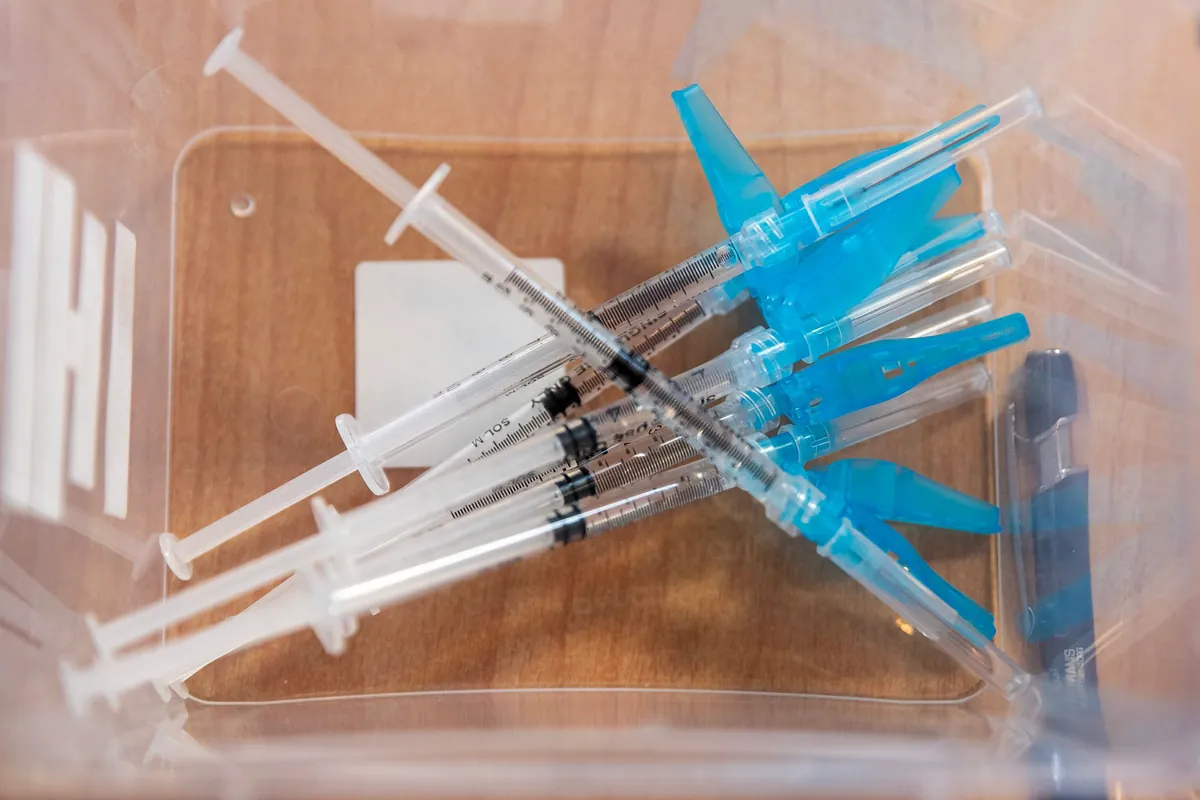
Needle and sharps cleanup is a controlled search for discarded syringes, lancets, razor blades and other sharp objects, followed by safe pickup, containment and disposal under the rules that apply to the waste.
One clearly seen syringe may define the job, while a bigger affected space may need an organized sweep. Grass and mulch are checked along with planters, empty units, stairs, fence lines, garbage areas, and the spaces under debris or furniture. A pickup implement such as tongs creates distance between each sharp point and the technician's hands. Rather than entering a loose sack, every object is put straight into a hard, puncture-resistant sharps container.
Property work involving abandoned needles commonly follows unauthorized entry, drug activity, the close of an encampment or a renter leaving. The biohazard cleanup can extend beyond sharps to nearby contaminated items, drug paraphernalia and minor bodily fluid spots. Instead of mixing everything into normal litter, technicians sort the materials and package or clean each one according to its type.
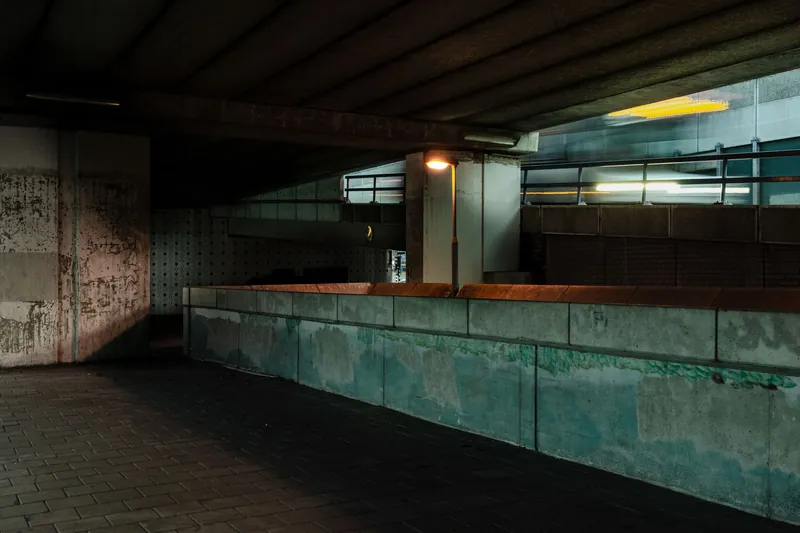
Calls are answered day and night, and crews can arrive in unmarked vehicles to protect privacy at homes, rentals and businesses.
Before the cleanup process, the right team explains planned search zones, possible item movement and cost factors to you.
Technicians methodically inspect belongings and keep items that can stay apart from waste and contaminated materials.
Property owners, managers and insurance companies can use photos, job notes and available waste records to understand the cleanup performed.
Any sharp that someone could encounter and be punctured by while using, maintaining or cleaning a space needs removal. The right service differs by circumstance. What was discovered and the property's normal use should determine how far the search extends. Typical situations are:
Before new occupants, cleaning staff or contractors go inside, needles abandoned in a common area, unit, drawer, trash pile or mattress require careful collection.
Commercial cleaning services must stay out of loading areas, public toilets, stairwells, parking facilities and outside planters while sharps remain.
Play areas, paths, restrooms, planting beds and parking edges may need a wider sweep after one discarded syringe is found.
Tents, bedding, loose trash and vegetation can conceal sharps, so debris should not be compressed or lifted until the area is checked.
First, stop contact with the item. These calm precautions protect people and leave the affected space undisturbed for a full sharps search:
Call (888) 351-0904A specific dollar range for cleaning up needles and sharps is absent from the available cost file. For context, its closest figures are $2 to $20 for each pound of medical waste disposal, while one general biohazard job costs $3,000 to $5,000 in total. They are comparisons rather than a sharps cleanup quote. Your total varies according to how many items exist, their locations, the sweep area and disposal requirements.
National cost guides that have been published supply these ranges, not a visit to the property. An on-site assessment determines your property's price, which is explained to you before the cleanup starts.
Ask about cost: (888) 351-0904Coverage varies based on the policy language, the needle location and the cause of the condition. Before work starts, check with the insurance company if delaying for that conversation is safe.
Payment responsibility depends on the lease terms, applicable local rules and what caused the problem. Managers and property owners should create documentation of the rental before needle removal starts.
Property insurance may apply if the sharps resulted from covered trespassing, vandalism or some other event included by the policy. Show the adjuster pictures and explain the event plainly.
If discarded sharps are tied to a reported crime, ask whether any state assistance applies. Victims of violent crime can ask the Illinois Attorney General's Crime Victim Services Division whether cleanup costs can be included in a compensation claim. Insurance is usually checked first.
Ask the insurer whether coverage applies, prior cleanup authorization is required and the claim needs specific service notes, waste documents or photos to move forward.
The cleanup follows an orderly sequence even though each property's scope is different. It starts by controlling entry, then moves through a careful search and safe collection before ending with another visual inspection.
Trained technicians examine known spots, recent property activity and involved surfaces before defining the affected area.
Technicians restrict access and choose protective equipment for both sharp injury and contamination risks. Work starts at a clear edge.
The search moves systematically through separate zones, such as floor margins, planters, bedding, vegetation, furniture and rubbish locations where items may hide.
Every sharp in view is collected using a pickup device such as tongs. Technicians never bend, snap, recap or transport it without a container.
Syringes, needles and related sharps are placed immediately in a hard, puncture-resistant container with a closure for transportation.
Technicians remove surrounding bodily fluids and hazardous materials, then treat suitable surfaces using an EPA-registered disinfectant for the complete label contact time.
Closed containers move through the waste route required for that material and location, with available service and disposal records kept together.
Before reopening, technicians search visually again, report inaccessible spaces and describe the materials taken from the location.

You can call anytime. Your needle and sharps cleanup specialist answers the phone, describes what happens next and works with you on a start time.
The central hazard comes from sharp objects that can puncture or cut you while carrying possible contamination. For that reason, consider each abandoned item hazardous. Serious risks to health can also warrant trained professionals when an extensive search is required.
Tall grass, floor cracks, loose rubbish, bedding, leaves and cushions can hide needles left behind at the site. After one item is found, inspect the surrounding areas before restarting normal activity.
A loose sharp can pierce an ordinary trash bag and injure someone who lifts, sorts or transports it. A puncture-resistant sharps container guards against needle injuries throughout waste disposal.
A used needle puncture may expose someone to bloodborne pathogens. When workers might encounter blood at work, OSHA's Bloodborne Pathogens Standard, 29 CFR 1910.1030, establishes protections for them.
When a small blood spill is safe to clean yourself. Do not touch a single found sharp, whether your hands are bare or covered by gloves. Move people away before requesting professional cleanup or following local sharps guidance. If anyone is punctured, wash the area with soap and water and seek prompt medical advice about the exposure.
Collected sharp items go inside containers designed to resist punctures, and adjacent surfaces receive cleaning if contamination is found. Other property is left where it is when a safe check shows that it can be retained.
A single visible item can take less time than a broad property sweep, but no fixed duration fits every site. Hidden sharps, dense debris and difficult access extend the work.
| Scene | Typical time on site |
|---|---|
| One known needle in a clear location | Short visit after access and disposal needs are confirmed |
| Multiple spaces or one rented property | Search duration increases with rooms, furniture and spaces out of view |
| Large outdoor or debris-filled site | Extended sweep, sometimes coordinated with debris removal |
By themselves, syringes and needles generally cause neither persistent smells nor problems with air quality. Odor work is appropriate only if a pronounced smell indicates another source, such as spoiled matter, bodily fluid or nearby refuse. That source needs to be located and taken away, not hidden beneath fragrance.
Cleanup technicians can assess the surrounding areas while checking for sharps. If related contaminated materials are present, those items are packaged or removed first, and compatible hard surfaces are cleaned and disinfected. Air treatment is considered only when the actual source and affected materials call for it.
A single visible item can take less time than a broad property sweep, but no fixed duration fits every site. Hidden sharps, dense debris and difficult access extend the work.
The full needle and sharps cleanup guide covers what is cleaned or removed, odor and air quality work, and the rules that apply in your state.
Read the full needle and sharps cleanup guidePlanning for access, containment and cleanup can depend on local population, housing and entry conditions.
At roughly 2.3 miles away, Humboldt Park Health is the closest listed hospital for urgent care after a cut, puncture, or exposure.
Local records list Humboldt Park Health nearest at 2.3 miles and also name Presence Saints Mary And Elizabeth Medical Center, giving two references after an exposure.
Connections to Humboldt Park, Palmer Square, and Hermosa make a precise address important for coordinating cleanup access without unnecessary neighborhood attention.
The Cook County location helps orient travel, while the neighborhood and full address identify where private cleanup work actually occurs.
During your call, ask whether cleanup is available in surrounding communities and ZIP codes.
Medical waste removal and disposal through approved treatment facilities.
See medical waste removal
Biohazard waste is collected in labeled, sealed containers and taken for disposal.
See biohazard waste disposal
Needles, drug residue and pipes are removed from properties and rental units.
See drug paraphernalia cleanup
Cleanup of homeless encampments removes needles, contaminated debris and waste.
See homeless encampment cleanup
Biohazard cleanup for hotels, Airbnb units and rental properties.
See hotel, airbnb and rental biohazard cleanup
Industrial and commercial biohazard cleanup keeps downtime to a minimum.
See commercial and industrial biohazard cleanup
Blood cleanup controls exposure to HIV as well as hepatitis B and hepatitis C.
See bloodborne pathogen cleanup
Removal and disinfection of blood, body fluids and other infectious material from any property.
See biohazard cleanupNot always, but the surroundings should be considered. One syringe in a clear, controlled indoor spot is different from one found in tall grass, a trash pile, bedding or a shared stairwell. The affected area depends partly on what recently happened there and where sharps could hide. You can ask the technician to explain the proposed search boundary.
Wash the puncture area with soap and water and seek prompt medical advice. A medical professional can evaluate what happened and discuss follow-up care or tests. Do not touch the needle for inspection or apply aggressive pressure to the wound. If the sharp remains at the site, keep others away and arrange safe collection.
On its own, a needle typically creates neither ongoing odor nor an air quality issue. Nearby waste, spoiled items, bodily fluids or a separate source may be responsible for the odor. Cleanup should locate the odor's origin and take it away. Air treatment is not automatically necessary for sharps removal and should match the contamination actually found at the site.
Landlords should never collect sharps loosely, and cleaners or contractors must remain outside until the danger is contained. A professional sweep is especially useful when needles may be inside drawers, furniture, trash, vents or soft materials. Photograph visible items, confirm rental agreement and coverage requirements, then comply with the state waste process.
The approved cost source does not list a published range specifically for sharps. Pricing depends on item quantity, the search area's size, concealed debris, accessibility and waste disposal requirements. This page includes general biohazard and associated medical waste amounts solely as background information. An inspection is necessary to determine a cost for your particular site.
Never put an unsecured syringe inside a normal waste bin or garbage bag. A syringe may pierce the plastic and hurt a tenant, cleaner or person collecting waste. Safe disposal requires a rigid puncture-resistant sharps container and compliance with rules applying to that material at the site. Your local rules can treat household disposal differently from business and cleanup materials.
You can request respectful, discreet needle and sharps cleanup 24 hours a day, and crews use unmarked vehicles.