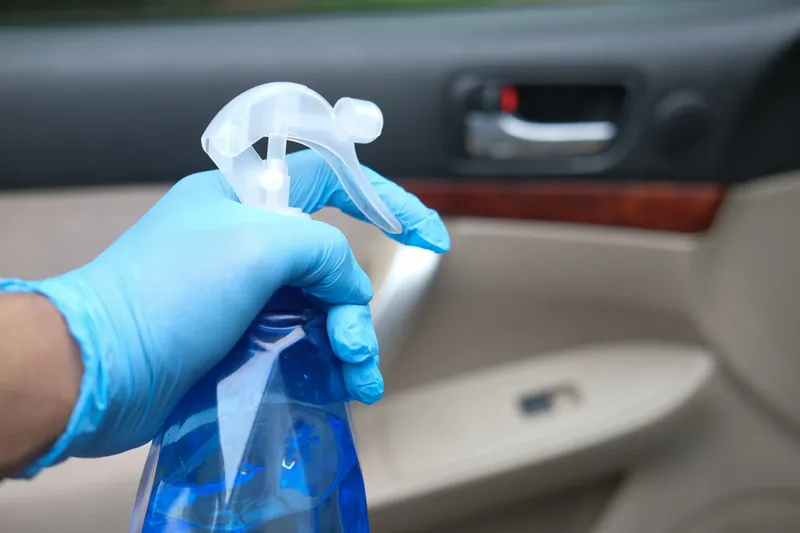
Police and Ambulance Vehicle Decontamination
Decontamination of police cars, ambulances and transport vehicles.
See police and ambulance vehicle decontaminationGet blood, bodily fluids, waste and odor removed from a car, truck, RV or boat in Orland Park. Vehicle biohazard remediation reaches hidden contamination in seats, carpet, trim and the air system.
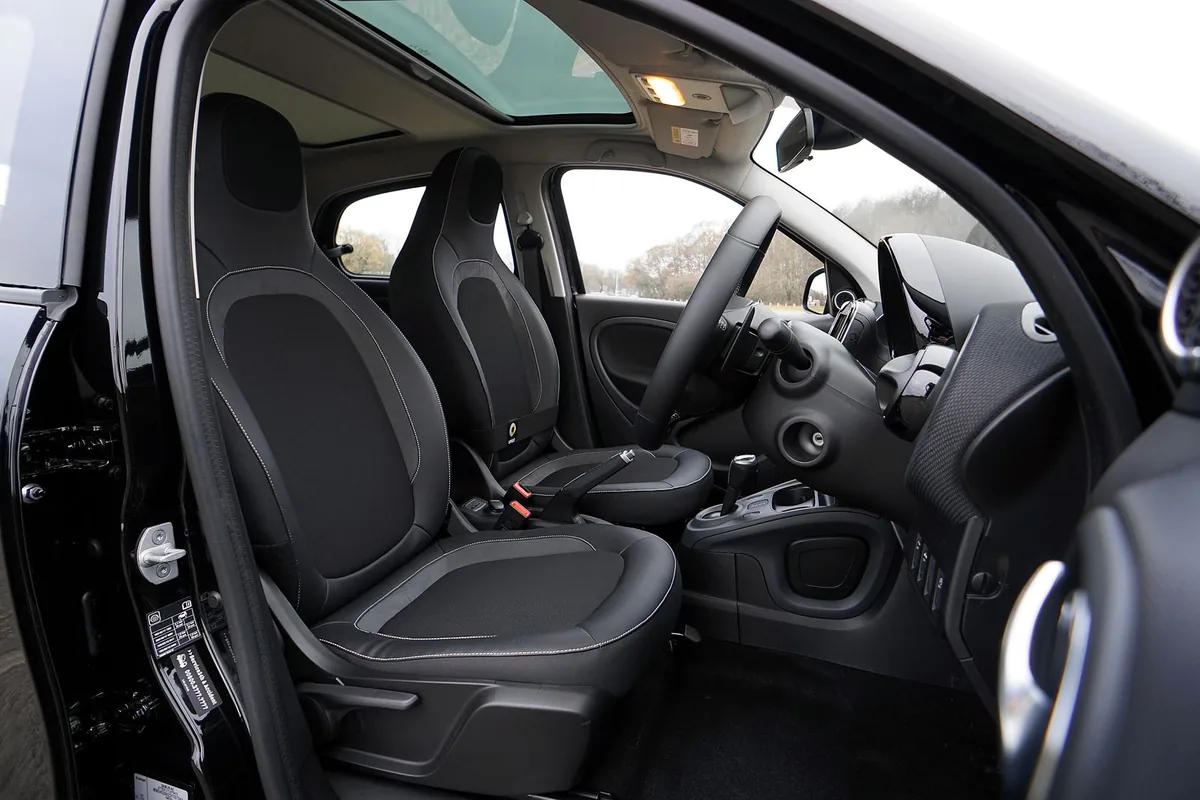
Careful removal of blood, waste from people or animals, body fluids and other contamination from a car, RV, truck, fleet vehicle or boat is vehicle biohazard cleanup. After removal, the affected area is cleaned, disinfected and treated for odor.
Hidden routes throughout a vehicle let contamination travel. Fluid may soak past upholstery and into seat foam, flow under the carpeting, settle by trim fasteners or enter channels for wiring. Odor may also move with airflow toward vents and the cabin filter. Detailing is mainly about how an interior looks. Biohazard remediation instead traces the affected path and checks nearby areas.
Cleanup starts with a controlled inspection and suitable protective gear. Materials that cannot be completely disinfected are removed, surfaces receive detailed cleaning, and hazardous waste is disposed of. An EPA-registered disinfectant remains wet for all of the contact time listed on its label. You then have a clear distinction between interior pieces that may remain and those requiring removal.
Phone help is available during the day or night, with workers arriving in unmarked vehicles. You can explain the situation privately and decide the next step without pressure.
Before you choose a team, ask whether trained technicians will inspect the vehicle. To decide how to move forward, you need clear findings about retained parts, materials requiring removal and factors that affect your cost.
Cleanup photos, the defined scope and a removal inventory may be arranged for the insurance company, vehicle fleet manager or property owner.
Your input guides the way personal belongings, records and tools are organized. Items are not treated as waste simply because they were inside the vehicle.
If affected material extends beyond one small, safely wipeable mark on a hard surface, a vehicle may need biohazard cleaning. Circumstances vary, but these common examples call for keeping the doors closed and arranging an inspection:
A death inside a vehicle can affect seat foam, floor coverings, trim and air quality. Source removal comes before disinfection and odor removal.
Illness, incontinence or long occupancy may leave urine, feces or vomit inside seams and absorbent materials beyond the reach of routine auto cleaning.
Drug items and needles can expose you to puncture injuries and contamination. Never feel inside a door pocket or under a seat when a sharp object could be concealed there.
A seat, console, door panel, carpet or cargo space may be exposed to fluid during an injury, accident or medical event. Even a small visible area may have reached padding beneath it.
Your first steps should limit contact and keep contamination from moving through the cabin. Take these precautions before cleanup technicians inspect the vehicle:
Call (888) 351-0904Published vehicle biohazard cleanup prices run from $500 to $5,000. The eventual cost reflects what materials are inside, the event's severity, how long ago it occurred and whether air-system decontamination is required. Inspection is necessary since contamination under carpeting or seating may be impossible to see while looking through a door.
The figures shown are national ranges from published cost guides and are not based on an on-site visit. An on-site assessment determines your property's price, which is explained to you before the cleanup starts.
Ask about cost: (888) 351-0904Your auto policy may cover biohazard cleanup of a vehicle if it includes the cause of the incident. Coverage terms, documentation needs and deductibles differ, so check with your insurance company before you approve work whenever the situation permits.
Tell the adjuster what happened without disturbing the vehicle. Find out whether the policy pays for towing, biohazard cleaning, affected interior removal and later restoration.
Save your claim identifier, pictures, work scope, waste paperwork and list of removed items. Ask the adjuster before discarding damaged parts that may need inspection.
The vehicle owner or fleet manager usually starts the claim and approves access. Commercial vehicle coverage may apply different caps, exceptions and paperwork standards.
Victims of violent crime can ask the Illinois Attorney General's Crime Victim Services Division whether cleanup costs can be included in a compensation claim. Insurance is usually checked first.
The vehicle biohazard remediation process follows a controlled order through the entire process so contamination does not spread from one part of the cabin to another. Every step depends on the event, interior materials and time since exposure.
Cleanup technicians inspect the cabin, cargo space, trunk, seat seams, flooring and visible air intakes. Photos record the starting condition and help define the work.
Public access is restricted around both the work area and vehicle. Workers wear gloves, protective garments, eye protection and any additional equipment appropriate for the hazard.
Belongings are separated into items that appear unaffected, items that may be cleaned and contaminated materials that require your decision or disposal.
Removal is limited to seat covers, cushioning, carpet, underlay, roof lining or trim that contamination entered and full disinfection cannot restore.
Before disinfection with an EPA-registered product, workers clean each affected hard surface. For the entire contact time listed on the label, the surface is kept wet.
Possible odor or contamination within climate components calls for checking the cabin filter, vents and air inlet. Removing the source continues to come first.
Materials taken from the vehicle are packaged and discarded according to the applicable waste requirements. Documentation may be useful for fleet records or an insurance claim.
The affected areas and surrounding areas receive a final visual check so contaminated material is not left behind. You receive an explanation of cleaned areas, removed materials and any restoration services still needed.
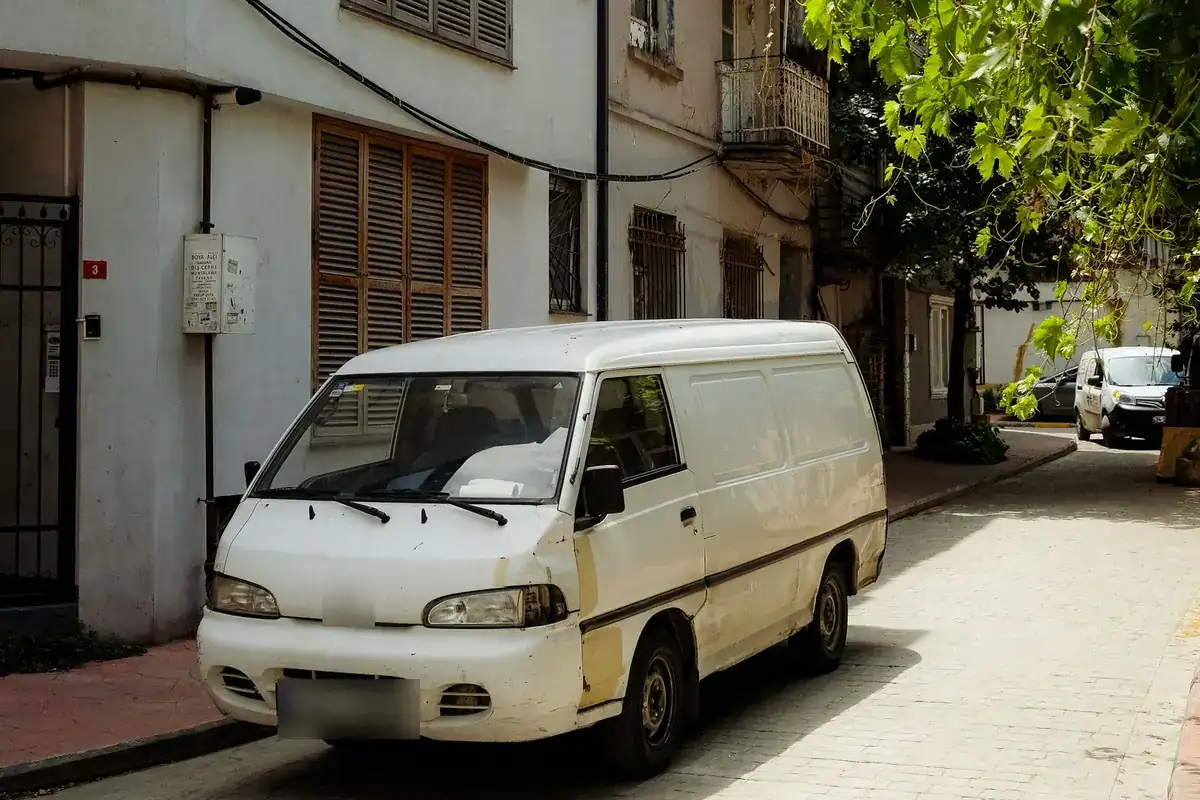
Phone support stays available. A specialist in vehicle biohazard cleanup takes your call, walks you through the process and confirms when work can start.
Inside the confined space of a vehicle, hidden sharps, body fluids, blood and waste may present significant health hazards.
Needles may be concealed under seating, within compartments or among personal property. Picking through the cabin without puncture-resistant tools can cause an exposure.
Odors may grow stronger with warmth and poor ventilation. Before source removal, vehicle heating or cooling can distribute odor through vents and into the cabin filter.
Liquid follows seams and gravity. It may reach seat foam, carpet padding, floor channels and fasteners even when the visible surface looks dry.
When a small blood spill is safe to clean yourself. For a small number of fresh drops on a hard and non-porous area, wear gloves and apply an EPA-registered disinfectant for all of the contact time listed on its label. If fluid reached a seam, fabric, foam, carpet, headliner or vent, or if a sharp object is present, keep out and seek professional cleanup.
If each surface is reachable and can be both cleaned and disinfected, non-porous vehicle parts may be kept. A porous item may have to come out after contamination soaks beneath its surface.
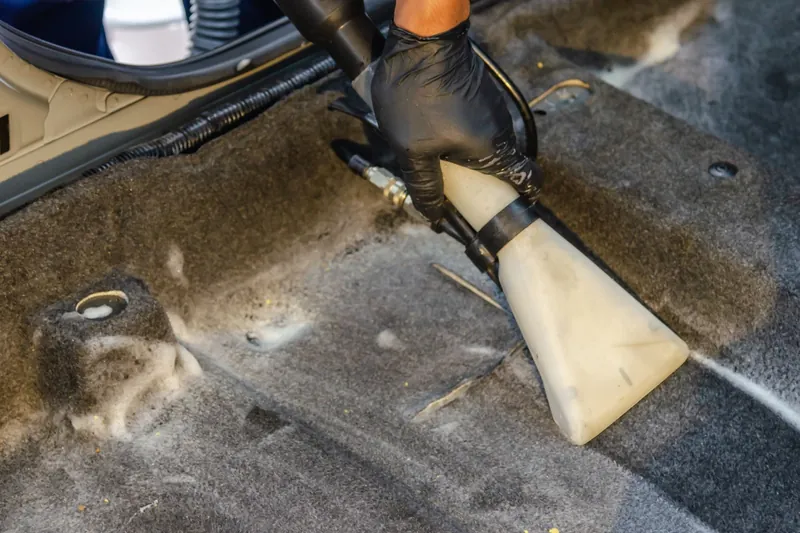
Occupational blood contact is addressed by the OSHA Bloodborne Pathogens Standard, 29 CFR 1910.1030, through rules covering worker instruction, protective equipment and methods that control exposure.
A disinfectant should be EPA-registered for the target pathogen and compatible with the surface. The disinfectant needs to stay wet throughout the label's stated contact period.
Illinois treats soaked materials from a biohazard scene as potentially infectious medical waste (PIMW). Illinois EPA rules control how it is packed, transported and treated, so it cannot go in household trash.
In Cook County, the Cook County Medical Examiner's Office investigates sudden and unexplained deaths. Cleanup starts after police or the medical examiner release the scene.
An inspection determines how long vehicle biohazard cleaning will take. Work limited to a hard surface is quicker than a cleanup involving removal of seats or carpet, inspection of vents, multiple treatments or parts that must be replaced.
The full vehicle biohazard cleanup guide covers what is cleaned or removed, odor and air quality work, and the rules that apply in Illinois and Cook County.
Read the full vehicle biohazard cleanup guideLocal housing, population and access details can shape containment, access and cleanup planning.
The relatively small 14.2% rental share does not change safety needs, but it can make property decisions more direct.
The local median home dates to 1989, making a room by room material assessment more useful than one cleaning method everywhere.
In Orland Park, 3,565 older adults live alone, so relatives may need clear photos and records when managing cleanup from afar.
In an area with 78.2% single-family housing, sewage or fluids may reach lower levels through stairs, drains, and utility openings.
You can ask about cleanup in nearby communities and ZIP codes during the call.
Decontamination of police cars, ambulances and transport vehicles.
See police and ambulance vehicle decontamination
Walls, carpets, furnishings and hard floors receive blood cleanup, with safe disposal afterward.
See blood cleanup
Across care settings, commercial spaces and homes, bodily fluid cleanup includes disinfection.
See bodily fluid cleanup
Carpet and upholstered items receive biohazard cleaning or are removed safely if necessary.
See biohazard carpet and upholstery cleaning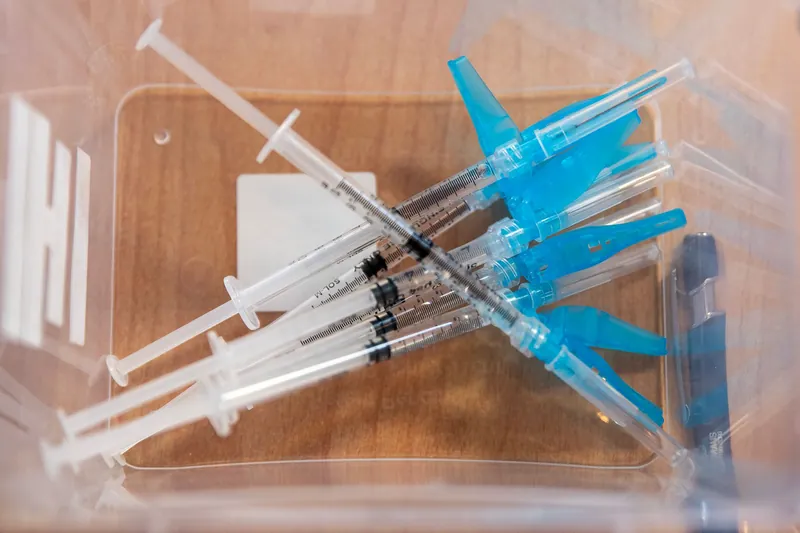
Needles and other sharps are cleaned from rentals, outdoor yards, encampments and parks.
See needle and sharps cleanup
Trauma scene cleanup after accidents, injuries and violent events.
See trauma scene cleanup
Rooms, surfaces and air receive complete decontamination following infectious or hazardous exposure.
See biohazard decontamination
Pickup and disposal of biohazard waste use containers that are sealed and labeled.
See biohazard waste disposalSafety depends on whether the full affected area was found and whether contaminated porous materials were removed or successfully treated. The work scope should tell you what came out, which surfaces were cleaned and whether workers checked the vents and interior filter. Prospective buyers should read the full record and think about getting an independent vehicle assessment.
The phrase means that related contamination, waste, bodily fluids or blood have entered part of the car. Affected material can include stained surfaces, lingering odor and porous items that cannot stay safely, such as wet seat cushioning or carpet padding. You cannot treat it as routine dirt. It can also differ from chemical damage, which may require a separate hazmat evaluation.
The range is $500 to $5,000, based on the Biohazard Cleanup Cost Guide (2026) from BioCleaners Directory. The final cost changes with the interior materials, severity, elapsed time and need for climate-system decontamination. A door-side view may miss contamination under carpet or inside a seat, so an inspection is necessary.
The report generally shows that information about a vehicle's biohazard exposure reached a record source. It does not tell you the exact event, cleanup quality or present condition. Before using or purchasing the vehicle, request incident information, cleaning documentation and a list of replaced parts from the owner or seller, then arrange an independent inspection.
Routine detailing cleans common dirt and stains for appearance. Bloodborne pathogens, concealed contamination paths, protective gear, required disinfectant contact time and hazardous waste all factor into biohazard remediation. When material penetrates foam, padding, insulation or air vents, surface fabric shampooing leaves deeper areas untreated. Request details that specifically address professional biohazard cleanup.
A biohazard vehicle is a car, truck, RV, boat or fleet unit contaminated by blood, bodily fluids, human waste, animal waste, sharps or another material that may carry infection. The phrase concerns an exposure condition, not one particular kind or brand of vehicle. An inspection determines which surfaces can be cleaned and which porous parts may need removal.
Discreet, respectful vehicle biohazard cleanup, 24 hours a day, with crews in unmarked vehicles.