Biohazard Cleanup for Homes and Apartments
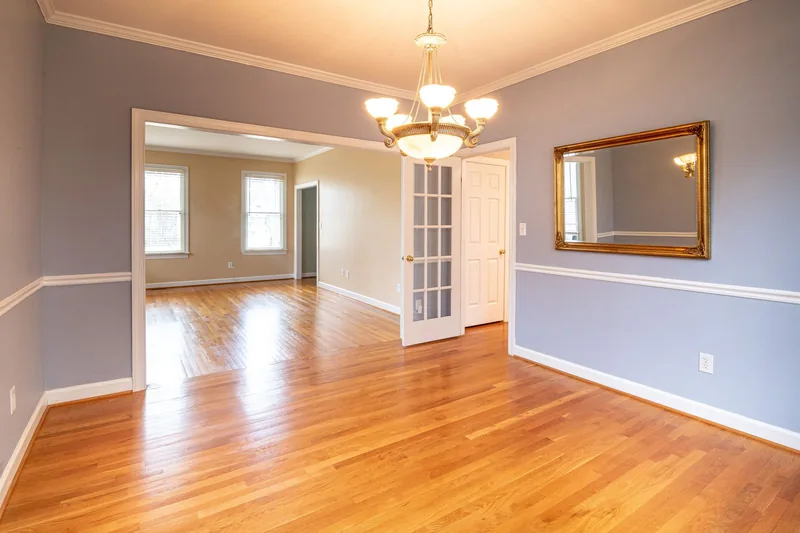
For death, blood, crime or hoarding, cleaning is available in apartments, high-rise units, houses and condos, along with sewage cleanup.
Learn moreBiohazard cleanup in Olympia Fields covers crime scenes, unattended deaths, hoarding, blood and sewage, with crews in unmarked vehicles.

Containment, entry and cleanup plans can be influenced by local housing, population and access details.
Only 11.2% of homes in Olympia Fields are renter occupied, so many cleanup decisions may rest directly with resident owners.
The local median home dates to 1980, making a room by room material assessment more useful than one cleaning method everywhere.
Because 31.1% of older residents live alone, neighbors and family contacts can play an important role in noticing unusual silence.
Detached and single-family properties account for 91.4% locally, so exterior access and safe waste movement should be planned early.
Biohazard cleanup safely removes and disinfects blood, tissue, bodily fluids and hazardous materials, then disposes of them following crime, death, accidents, hoarding or a sewage backup.
Other names include biohazard remediation, bio hazard cleaning, bio cleanup and trauma cleanup. Deep cleaning alone is not professional biohazard cleanup. Technicians wear personal protective equipment, track where contamination traveled, discard porous items beyond disinfection and treat all affected areas until the property returns to a livable condition.
Biohazard removal services in Olympia Fields reach the surrounding areas as well, with emergency response for crime scenes and other traumatic events. Crime scene cleaning, scene cleaning after an unattended death, hazardous waste removal and fentanyl cleanup all count as specialized cleaning. Crime scene cleaners work quietly to restore safety and offer respectful, compassionate service at a hard time.
You receive an explanation of the cleanup plan, every step involved and what can change the price ahead of any removal. You face neither pressure nor surprises.
Hoarding and neglect are met without judgment, with respect for you and your loved ones through a difficult time. Your photos, important papers and keepsakes are placed aside.
Day or night, emergency service calls are answered. Crews use unmarked vehicles to protect your privacy from neighbors and property staff.
Photos, scope notes and waste records are ready for your insurance company, landlord or the state victim program.
For death, blood, crime or hoarding, cleaning is available in apartments, high-rise units, houses and condos, along with sewage cleanup.
Learn more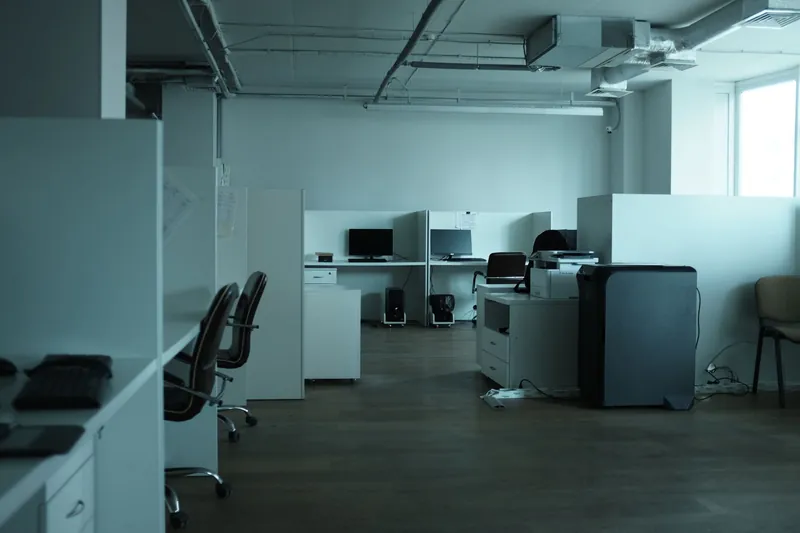
Following break-ins, exposures, injuries or industrial accidents at commercial properties, you can arrange commercial biohazard cleanup around operating hours.
Learn more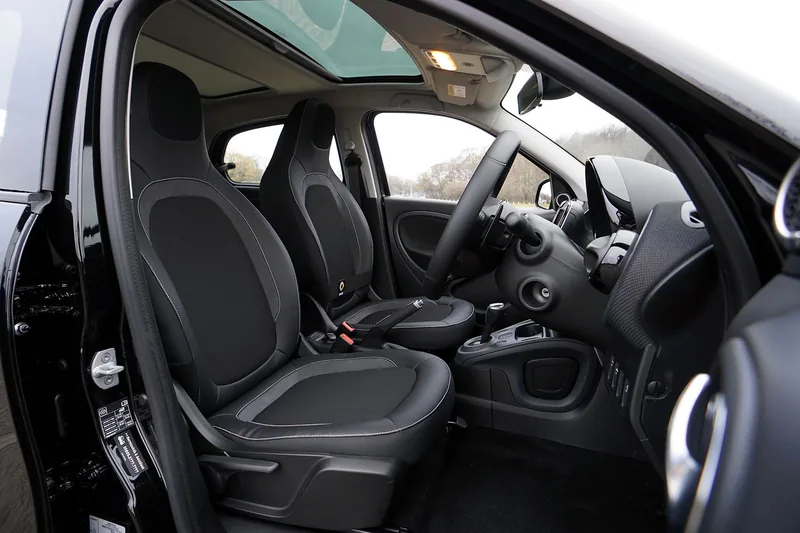
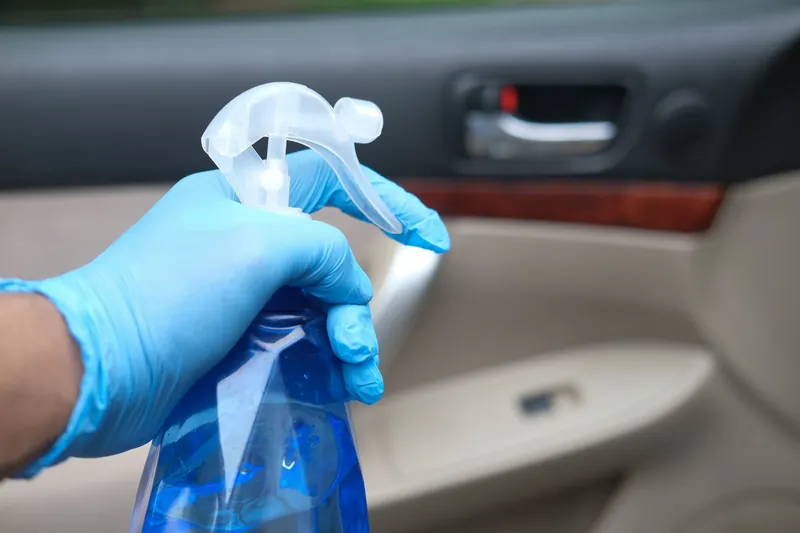
Vehicle biohazard cleanup removes blood, bodily fluids and odors from carpet, vents and seating.
Learn more
Units are prepared for another rental, and cleanup records are available to owners and insurers.
Learn moreFind the cleanup page suited to your circumstances. If the right service is unclear, you can call for guidance.

This is a one-time experience for most people. These first steps protect your health, your insurance claim and the final cleanup cost.
Call (888) 351-0904Each job follows the same safe biohazard cleanup process, beginning with your call and ending with the final inspection.
You explain what happened. After technicians photograph and inspect the scene, they agree on the scope with you.
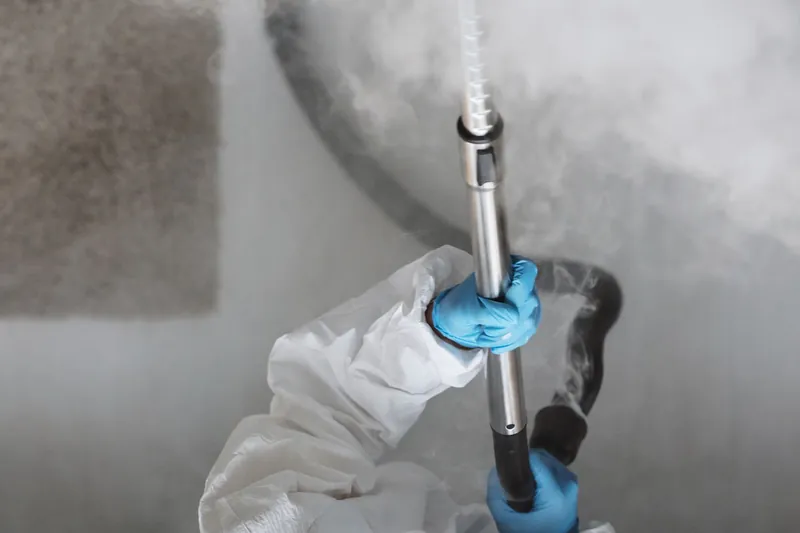
To prevent contamination from moving elsewhere, the affected area is closed off using plastic sheeting.
Porous materials that absorbed infectious materials, such as carpet, pad and drywall, are cut out and sealed as medical waste so nothing is left behind.
Each surface receives cleaning and an EPA-registered disinfectant made for hospital use.
Air scrubbers, ozone or hydroxyl address odor where it begins, while vents receive inspection.
Sealed waste goes to a permitted medical waste treatment facility, with tracking paperwork.
Where needed, ATP testing helps check that the space has returned to a livable condition. You also get photographs and documentation for your claim.
A contractor you choose, or one used by your insurance company, can restore flooring and drywall that were removed.
For biohazard cleanup, a typical national range is $3,000 to $5,000 according to Fixr. The price moves with the type of job. Guides put minor blood cleanup at $500 to $2,500, with sewage backup work at $2,000 to $10,000. The final price follows an on-site assessment.
Frequently, yes. Many renters and homeowners policies cover biohazard cleanup after a sudden crime, death or sewage backup, with the deductible remaining your responsibility.
The Illinois Attorney General's Crime Victim Services Division lists crime scene cleanup among the costs its compensation program can help offset, so victims of violent crime can ask about it. Insurance is usually checked first.
Sudden and accidental events are usually covered. Long-term neglect and hoarding are generally excluded. Check with the insurer prior to starting work.
The estate can often cover death cleanup expenses. The executor or a family member usually takes care of this.
For common spaces and rental properties, cleanup is typically arranged and paid for by the property owner or manager.
Call any hour. A cleanup specialist can explain the next steps for your property.
The Fixr guide shows $3,000 to $5,000 as the usual national range when you hire biohazard cleanup. Minor blood cleanup is listed at $500 to $2,500, while a sewage backup is listed at $2,000 to $10,000.
A funeral home or the medical examiner or coroner takes the body away. Cleaning the scene afterward is the property owner's or family's job, and most hire a biohazard cleanup company.
Many renters and homeowners policies pay for biohazard cleanup after a sudden incident, less the deductible. Slow neglect and hoarding are generally excluded from coverage.
One to three days is a common window for sewage-related symptoms to appear, but some infections need more time. Do not make contact, and keep pets and children out.
A typical job requires one to three days at the site. Several days to two weeks may be needed for decomposition, major scenes or hoarding cleanouts.
You can reach someone by phone 24 hours a day, including during weekends and holidays.