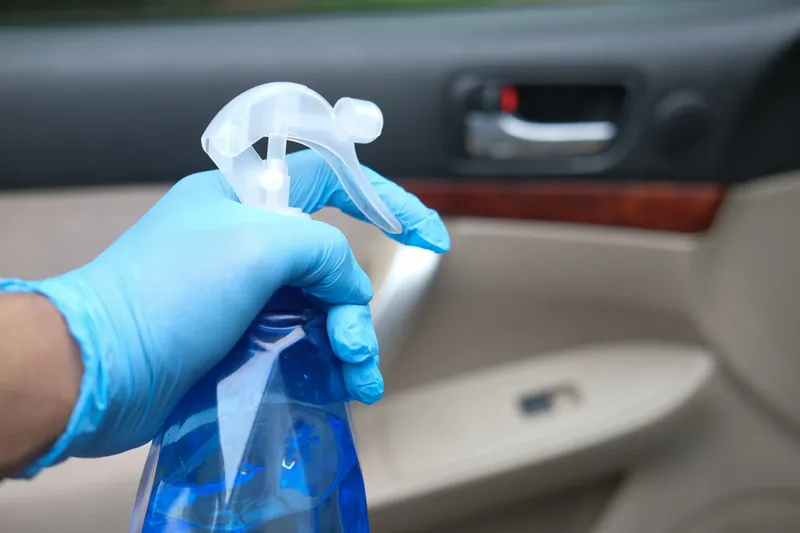
Police and Ambulance Vehicle Decontamination
Decontamination treats ambulances, law enforcement cars and transportation vehicles.
See police and ambulance vehicle decontaminationGet blood, bodily fluids, waste and odor removed from a car, truck, RV or boat in North Chicago. Vehicle biohazard remediation reaches hidden contamination in seats, carpet, trim and the air system.
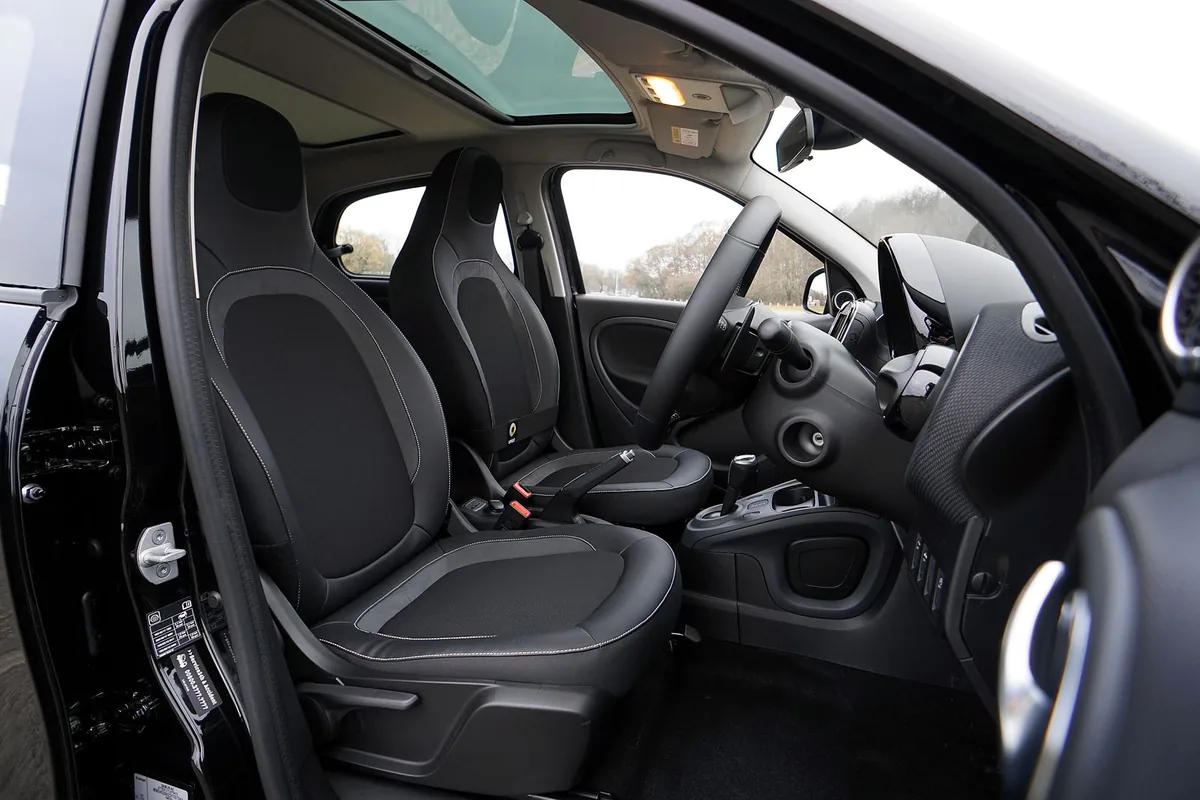
Careful removal of blood, waste from people or animals, body fluids and other contamination from a car, RV, truck, fleet vehicle or boat is vehicle biohazard cleanup. After removal, the affected area is cleaned, disinfected and treated for odor.
What appears on top of a vehicle interior may not show the full affected area. A spill can penetrate the seat covering, soak the foam, travel below carpet and gather near clips or wiring passages. Moving air may draw odor toward vents or into a cabin filter. Unlike appearance-focused detailing, biohazard remediation tracks where contamination went and considers the areas around it.
Cleanup starts with a controlled inspection and suitable protective gear. Materials that cannot be completely disinfected are removed, surfaces receive detailed cleaning, and hazardous waste is disposed of. An EPA-registered disinfectant remains wet for all of the contact time listed on its label. You then have a clear distinction between interior pieces that may remain and those requiring removal.
When considering a cleanup team, find out whether trained technicians will inspect the car. The team should explain its findings, identify parts that may be kept or removed, and outline cost factors, giving you the details needed to move forward.
Photographs, work details and removed-material records can be arranged for the property owner, fleet manager or your insurance company.
Your input guides the way personal belongings, records and tools are organized. Property is not discarded merely for having been located within the vehicle.
You can call at any hour, and the cleanup crew arrives in unmarked vehicles. A private conversation lets you share the situation and make your own decision about moving forward.
A tiny mark that can safely be wiped off a hard surface is different from contamination that requires biohazard vehicle cleaning. No two events are identical. In these common situations, keep the vehicle closed and have it inspected:
Taxis, rideshare cars, work trucks and emergency response vehicles may need a documented cleaning process before the affected vehicle returns to service.
When a death occurs in a vehicle, seat foam, flooring, trim and air quality may be affected. Source removal comes before disinfection and odor removal.
After law enforcement releases a vehicle connected to a crime or traumatic event, a cleaning service can address contamination without asking you or your loved ones to face it.
Drug items and needles can expose you to puncture injuries and contamination. Never feel inside a door pocket or under a seat when a sharp object could be concealed there.
Before a cleanup inspection, your priority is to avoid contact and stop contamination from moving within the cabin. Follow these precautions until technicians can examine the vehicle:
Call (888) 351-0904Vehicle biohazard cleanup has a published cost range of $500 to $5,000. Final pricing is affected by the seriousness of the event, cabin material types, elapsed time and any need to decontaminate the air system. Because hidden contamination can lie below carpet or a seat, an inspection from the doorway alone is not enough to set the cost.
Published national cost guides are the source for these ranges, rather than an inspection of your property. The price for your property is set after the on-site assessment, and you hear it before work starts.
Ask about cost: (888) 351-0904Vehicle biohazard cleanup may be covered by auto insurance when your policy covers what caused the contamination. Requirements for records, policy coverage and deductible amounts vary. When possible, speak with the insurance company prior to authorizing cleanup.
Your file should include the claim reference, photos, cleaning scope, waste documentation and removed-material list. Do not discard parts that may be inspected until you have asked the adjuster.
Describe the event to your adjuster while leaving the vehicle untouched. Ask whether cleanup, removal of contaminated interior parts, towing and restoration fall under your policy.
Claim initiation and permission to access the car usually come from its owner or fleet manager. Record requirements, exclusions and limits may differ under a commercial policy.
Victims of violent crime can ask the Illinois Attorney General's Crime Victim Services Division whether cleanup costs can be included in a compensation claim. Insurance is usually checked first.
Each stage of vehicle biohazard remediation is ordered to prevent affected material from moving around the cabin. Decisions throughout the process depend on the event itself, the length of time after exposure and the types of interior material.
During inspection, cleanup technicians check the passenger area, cargo section, trunk, flooring, seat edges and exposed ventilation intakes. Photos record the starting condition and help define the work.
People outside the cleanup are kept away from the vehicle and work zone. The exposure determines the gloves, clothing, eye shields and other protective gear used during cleanup.
Belongings are separated into items that appear unaffected, items that may be cleaned and contaminated materials that require your decision or disposal.
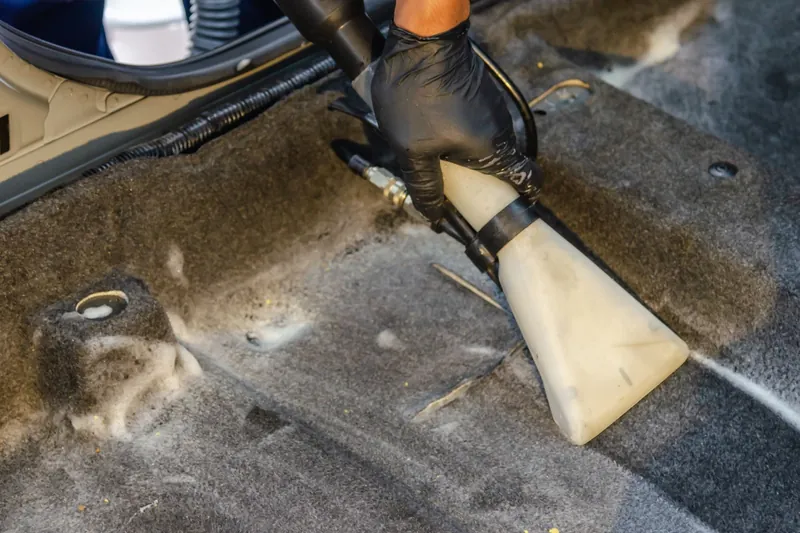
When contamination soaks into vehicle materials beyond complete disinfection, only the affected foam, fabric, padding, headliner, carpet or trim is removed.
Hard surfaces are cleaned before an EPA-registered disinfectant is applied. The surface stays wet for the contact time stated on the product label.
The air intake, vents and cabin filter are checked when odor or contamination may have entered the climate system. Source removal remains the first priority.
Waste rules determine how removed contamination is contained for disposal. Cleanup paperwork can become part of your claim documentation or vehicle fleet file.
To avoid material being left behind, cleanup technicians visually inspect the affected areas along with surrounding areas. You receive an explanation of cleaned areas, removed materials and any restoration services still needed.
Call at any time. A specialist in vehicle biohazard cleanup takes your call, walks you through the process and confirms when work can start.
A vehicle has a small and enclosed cabin, where waste, blood, bodily fluids and sharp objects out of sight can pose serious health concerns.
Potential bloodborne hazards include hepatitis C, HIV and hepatitis B. Hepatitis B can persist on surfaces for at least seven days, the CDC says, so material should not be dismissed after it dries.
Under seats, inside pockets and around personal property are places where a needle may remain unseen. You risk exposure by sorting through the cabin without tools designed to resist punctures.
Liquid follows seams and gravity. It can penetrate seat foam, underlying carpet material, floor grooves and fasteners while leaving the top surface looking dry.
When a small blood spill is safe to clean yourself. For a small number of fresh drops on a hard and non-porous area, wear gloves and apply an EPA-registered disinfectant for all of the contact time listed on its label. If fluid reached a seam, fabric, foam, carpet, headliner or vent, or if a sharp object is present, keep out and seek professional cleanup.
Hard, non-porous interior components can remain if all their surfaces are accessible for cleaning and disinfection. When contamination penetrates below the face of porous material, removal may be necessary.
The OSHA Bloodborne Pathogens Standard, 29 CFR 1910.1030, requires workplace training, protective equipment and exposure-control measures where employees could contact blood.
Choose an EPA-registered disinfectant suited to both the affected surface and target pathogen. The disinfectant needs to stay wet throughout the label's stated contact period.
Illinois treats soaked materials from a biohazard scene as potentially infectious medical waste (PIMW). Illinois EPA rules control how it is packed, transported and treated, so it cannot go in household trash.
In Cook County, the Cook County Medical Examiner's Office investigates sudden and unexplained deaths. Cleanup starts after police or the medical examiner release the scene.
The time needed for biohazard vehicle cleaning is set after inspection. A limited hard-surface cleanup takes less time than work that requires seat removal, carpet removal, vent inspection, repeated treatment or replacement parts.
The full vehicle biohazard cleanup guide covers what is cleaned or removed, odor and air quality work, and the rules that apply in Illinois and Lake County.
Read the full vehicle biohazard cleanup guideLocal housing, population and access details can shape containment, access and cleanup planning.
In an area where 67.4% of households rent, cleanup planning should identify who can authorize work on flooring, walls, and fixtures.
Local housing centers on 1973, making inspection beneath finished surfaces important when contamination extends past the visible area.
Because 37.9% of older residents live alone, neighbors and family contacts can play an important role in noticing unusual silence.
Housing at 51.2% single-family occupancy calls for flexible cleanup planning rather than assumptions based on one building type.
Your phone conversation can include questions about service in nearby ZIP codes and communities.
Decontamination treats ambulances, law enforcement cars and transportation vehicles.
See police and ambulance vehicle decontamination
Carpet, solid floors, walls and furnishings receive blood cleanup that includes safe disposal.
See blood cleanup
Bodily fluid cleanup and disinfection for homes, care settings and businesses.
See bodily fluid cleanup
Carpet and upholstered items receive biohazard cleaning or are removed safely if necessary.
See biohazard carpet and upholstery cleaning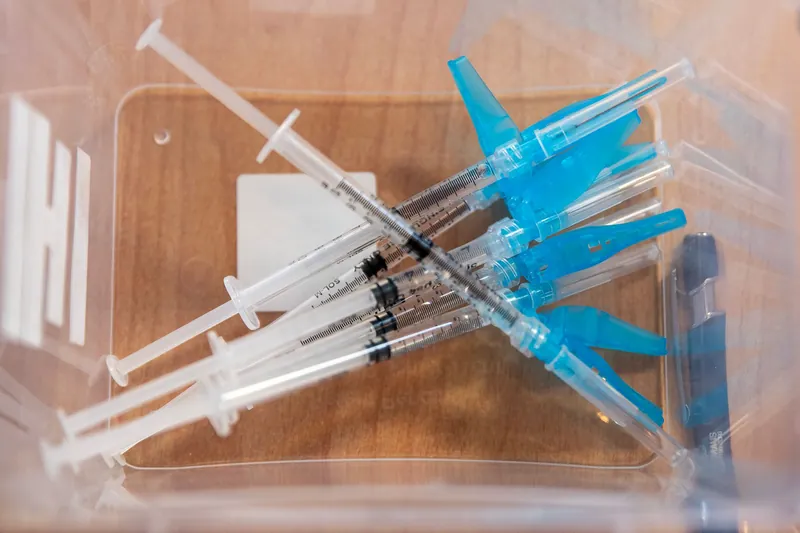
Yards, encampments, parks and rental properties receive needle and sharps cleanup.
See needle and sharps cleanup
Following accidents, violence or injuries, trauma scene cleanup addresses the affected area.
See trauma scene cleanup
Full decontamination of rooms, surfaces and air after infectious or hazardous exposure.
See biohazard decontamination
Pickup and disposal of biohazard waste use containers that are sealed and labeled.
See biohazard waste disposalA truck, RV, boat, fleet unit or car becomes a biohazard vehicle when contaminated by sharps, animal waste, human waste, bodily fluids, blood or other potentially infectious material. Biohazard refers to the material present rather than the vehicle model or category. Inspecting the vehicle shows what surfaces are cleanable and what absorbent components might require removal.
Begin by restricting entry and finding every place the contamination reached. During the cleaning process, workers sort personal property and remove porous parts beyond disinfection before cleaning hard materials and applying an EPA-registered disinfectant for its complete contact time. The last cabin inspection follows checks of the odor source, air vents and interior filter.
Routine detailing cleans common dirt and stains for appearance. Biohazard remediation must consider bloodborne pathogens, hidden liquid paths, protective gear, disinfectant contact time and hazardous waste. When material penetrates foam, padding, insulation or air vents, surface fabric shampooing leaves deeper areas untreated. Make sure you ask specifically about professional biohazard cleanup.
Biohazard damage means blood, bodily fluids, waste or related contamination affected the vehicle. Damage may include staining, odor and material that cannot be safely kept, such as soaked seat foam or carpet padding. Biohazard contamination is not the same as everyday dirt. A separate hazmat evaluation may be necessary for chemical damage because the two conditions can differ.
Keep the fan and air conditioner off until the source and air path are inspected. Moving air can draw odor toward the interior filter and circulate it through ventilation openings. Unless ventilation is essential for current safety, keep the door closed and remain outside. Source removal and thorough cleaning come before odor control, along with any required ventilation or filter service.
Separate the belongings prior to beginning any cleaning. Workers may set apart objects from outside the affected area and clean washable items with solid surfaces. Fluid exposure can make porous property impossible to recover. Do not reach into pockets, under seats or through loose items if needles or other sharps could be present.
Crews offer discreet and respectful vehicle biohazard cleanup, arrive in unmarked vehicles and take calls 24 hours a day.