
Bodily Fluid Cleanup
Bodily fluid cleanup removes fluids and disinfects affected areas in businesses, homes and care settings.
See bodily fluid cleanupGet blood and bodily fluids removed from carpet, hard floors, walls, furniture or vehicles in North Center. The affected area is contained, cleaned and disinfected, with unsafe porous materials packaged for disposal.

Blood cleanup is the controlled removal of blood and bodily fluids, followed by cleaning, disinfection and disposal of materials that cannot be safely kept.
What appears to be a single blood stain may have spread into furniture, floor seams, carpet, grout or wall gaps. Professional cleaning begins with an inspection of the whole affected space and protection for nearby surfaces. Trained technicians determine whether a porous material must come out or a hard surface can receive disinfection.
An injury, workplace accident, medical event or another traumatic incident can create a need for biohazard remediation. Because blood may contain bloodborne pathogens, this work is not the same as routine home cleaning. The complete process includes protective equipment, controlled procedures and cautious disposal of waste.

The company should explain which materials can stay, which might be removed and the reason for each decision. Find out how technicians established the affected area boundary prior to accepting the proposed work.
Keep photos, an item list and proof of cleaning to show insurance companies the loss, then move forward with repairs.
Keepsakes and useful belongings should be discussed with you. Materials that can be isolated without risk should not be discarded as regular debris until you have been consulted.
You can reach someone during daytime or overnight, and cleanup crews come in unmarked vehicles. You can request details about keeping neighbors, renters or patrons away from the work zone.
Blood cleanup services may be needed if the affected area is extensive, the spill is large or fluid has absorbed far into a material. Typical situations include:
Inside a vehicle, blood can penetrate fabric and foam, soak carpet padding or settle within small trim joints. Careful inspection and cleaning must cover all of those materials.
A major event can spread contamination to several surrounding surfaces. Professional cleanup keeps loved ones from facing a demanding task with possible safety risks.
For blood inside stores, shared buildings, offices or warehouses, the cleanup process needs access controls, protective gear and surface-specific steps.
Discreet cleanup, useful scope images and a record of cleaned versus removed items may help property owners and managers.
Begin by stopping access to the blood so nobody spreads it. While you arrange cleanup, take the following steps:
Call (888) 351-0904A deep blood spill involves different work from a spot limited to the surface, so published industry guides show a wide cost range. One published span is $300 to $4,000; another is $500 to $5,000; the listed amount for small blood cleanup is $1,500 to $3,000. What you pay finally depends on the materials involved, waste generated and scope established at the property.
The figures shown are national ranges from published cost guides and are not based on an on-site visit. An on-site assessment determines your property's price, which is explained to you before the cleanup starts.
Ask about cost: (888) 351-0904Blood cleanup may qualify for payment under homeowners, auto, renters or commercial insurance if the event is covered. The circumstances, deductible and language of your policy determine the claim.
Ask your insurance company which photos, item lists and cleanup records it needs. Keep receipts and avoid discarding affected property before the adjuster gives instructions, unless it creates an immediate safety concern.
Tell the insurer about the incident without delay and ask if the policy covers biohazard cleanup plus contaminated building material removal. Save your claim reference and the adjuster's contact information.
For affected workplaces and rental properties, an owner, manager or landlord might organize the cleaning. The circumstances, insurance terms and lease determine who is responsible.
Victims of violent crime can ask the Illinois Attorney General's Crime Victim Services Division whether cleanup costs can be included in a compensation claim. Insurance is usually checked first.
Professional blood cleanup uses an ordered process that shields clean spaces during treatment of the affected area. Each stage is shaped by the volume of blood and every material it touched.
Cleanup technicians check the stain you can see along with nearby areas and possible tracking routes. Before cleanup starts, written notes and photographs establish the affected zone.
The contaminated section is isolated from areas that remain clean. Technicians put on suitable protective gear and plan a clean route for tools and sealed waste.
If surface treatment cannot reach soaked areas, technicians remove contaminated carpet pad, foam, unfinished wood or gypsum board.
Disinfection begins only after all visible soil has been cleaned off. Seams, edges, fasteners and nearby touch points are included rather than only the center of the stain.
Surfaces that can remain receive treatment using an EPA-registered disinfectant. For the entire contact period listed on the label, the treated material must remain wet.
Applicable waste rules for the location and project determine how taken-out materials are sealed, identified and carried away for disposal.
The cause of an odor is identified ahead of any air treatment. During removal of contaminated material, HEPA filtration can help manage airborne particles.
After an inspection of the cleaned area, equipment and barriers are taken down safely, and you get scope documentation for your records or claim.

Call at any time. Your blood cleanup specialist answers the phone, describes what happens next and works with you on a start time.
Pathogens can be present in blood, and liquid may extend through absorbent or layered materials far past the visible mark.
Blood can wick into carpet padding, unfinished wood, grout and upholstery foam. Contaminated materials and smells can remain below when you clean only the visible surface.
Professional cleanup accounts for bloodborne pathogens that include HIV, hepatitis C and hepatitis B. The CDC says hepatitis B can survive on surfaces for at least seven days, so dried blood still requires care.
Safe containment and disposal under state requirements are necessary for blood-soaked material. Poorly secured bags or common open garbage may expose anyone nearby.
When a small blood spill is safe to clean yourself. Several drops on a sealed, intact surface may be manageable with single-use gloves. Use a disinfectant registered by the EPA for the entire contact period shown on its label. Get professional cleanup when blood reached carpet, unfinished wood, upholstery or wall cavities, when sharp objects are present, or when you cannot identify the spill boundary.
Blood that penetrates a porous material beyond complete treatment makes removal necessary. A hard surface with an intact seal can often remain after it has been cleaned and disinfected.

Blood cleanup can last several hours for a surface spill that remains contained. Work may extend to one or more days when blood has entered furniture, carpet padding or walls, or affected several rooms. An inspection must happen before the schedule can be estimated.
| Scene | Typical time on site |
|---|---|
| A limited spill on one nonporous area | Often completed within several hours after assessment |
| Blood in carpet, furniture or one room | Could take a complete workday or more |
| Multiple affected areas or removal of materials | One or more days may be required, with repairs happening afterward |
Removing the source is the starting point for odor control. A fragrance will not fix blood that remains beneath furniture foam, inside wall cavities, along subfloor gaps or under carpet padding. Inspection must cover those spaces, and anything that cannot receive complete cleaning may have to be removed.
Once contaminated material has been removed and disinfection is finished, HEPA filtration can be part of the air quality work. Nearby surfaces may also need cleaning where particles have landed. More intensive odor treatments are evaluated only after source removal. Before equipment runs, you should learn how long the room needs to remain vacant, when you may use it again and what equipment is planned.

Blood cleanup can last several hours for a surface spill that remains contained. Work may extend to one or more days when blood has entered furniture, carpet padding or walls, or affected several rooms. An inspection must happen before the schedule can be estimated.
The full blood cleanup guide covers what is cleaned or removed, odor and air quality work, and the rules that apply in your state.
Read the full blood cleanup guideContainment, entry and cleanup plans can be influenced by local housing, population and access details.
For an injury during discovery, Thorek Memorial Hospital is the nearest listed hospital at approximately 1.1 miles from the area.
Thorek Memorial Hospital, about 1.1 miles away, is the nearest listed hospital, while Louis A Weiss Memorial Hospital is another emergency care option.
The nearby places of St. Bens, Graceland West, and Roscoe Village give useful orientation when arranging equipment delivery and waste pickup.
As a Chicago neighborhood, North Center may include several building styles, so cleanup planning should start with the exact property type.
During your call, ask whether cleanup is available in surrounding communities and ZIP codes.
Bodily fluid cleanup removes fluids and disinfects affected areas in businesses, homes and care settings.
See bodily fluid cleanup
Any property can be cleared of blood, bodily fluids and other infectious material, then disinfected.
See biohazard cleanup
Crime scene cleaning after police release the property, from blood to odor.
See crime scene cleanup
Trauma scene cleanup is needed after violent events, accidents and injuries.
See trauma scene cleanup
Careful, private suicide cleanup keeps family members from having to confront the scene.
See suicide cleanup
Once the investigation ends, contaminated materials, blood and tissue are cleared during homicide cleanup.
See homicide cleanup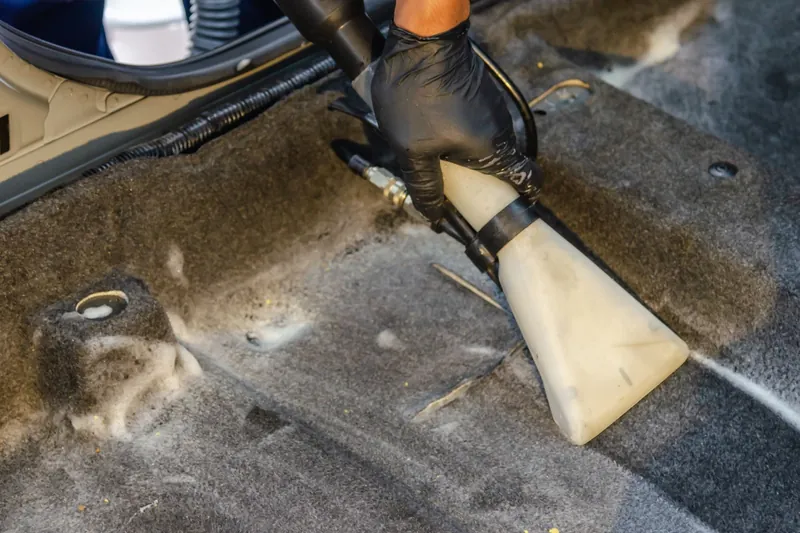
Biohazard carpet and upholstery cleaning, or safe removal when needed.
See biohazard carpet and upholstery cleaning
Medical waste removal covers disposal through an approved facility used for treatment.
See medical waste removalBefore cleaning, block access and protect your hands with disposable gloves while avoiding splashes or further transfer. A small spill on an intact hard surface can be cleaned and then treated with an EPA-registered disinfectant for its full label contact time. Expert evaluation is appropriate when blood enters wood, carpeting, upholstery or small gaps.
Because blood may contain bloodborne pathogens, it is considered a possible source of infection. Visual inspection cannot show you whether a pathogen is present in blood. Protective equipment, surface cleaning ahead of disinfection, safe containment and correct waste disposal remain important after blood becomes dry.
Cost guides show broad ranges since a job might involve a single hard surface or multiple rooms requiring removal of absorbent material. The cost cards on this page show sourced spans from $300 to $5,000. For your property, an inspection should clarify which materials are affected, how waste will be discarded and what the cleanup includes.
Ask how the affected area will be identified, what materials may be removed, which disinfectant will be used and how label contact time is followed. Also ask how waste is packaged, what records you receive, whether odor treatment is needed and what later restoration work remains your responsibility.
The answer varies with where blood spread and how much area it affected. You may be able to remain in a separate, unaffected part of the property when containment is practical. If contamination crossed shared walkways, affected ventilation or reached several rooms, the cleanup team may advise leaving until the work is complete.
You need disposable hand protection, material that absorbs the spill and an EPA-registered disinfectant approved on its label for the organism and surface. Observe all instructions on the product label, especially contact time. Keep different chemical products separate. Leave the area and seek professional cleanup if blood covers a broad space, reaches porous material or is near sharp items.
You can request respectful, discreet blood cleanup 24 hours a day, and crews use unmarked vehicles.