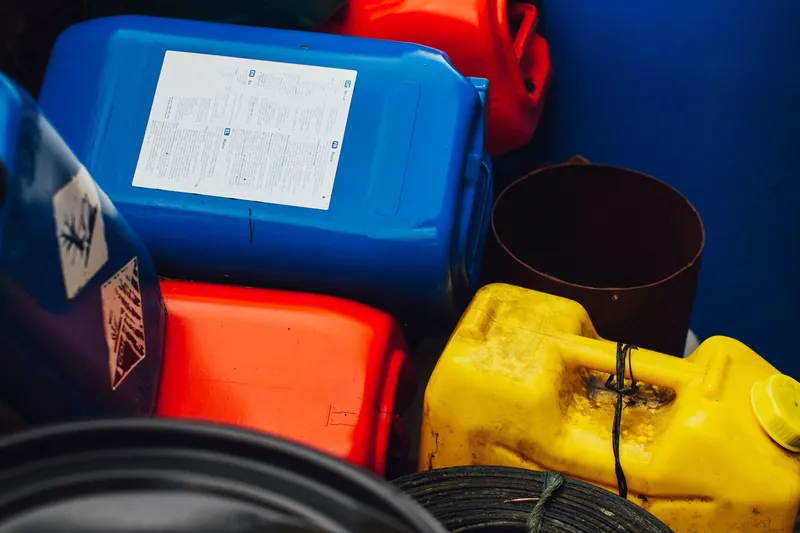
Chemical and Toxic Waste Cleanup
Toxic and chemical waste cleanup includes safe disposal.
See chemical and toxic waste cleanupGet hazardous materials, chemical residue and contaminated items assessed and cleaned in North Aurora. The hazard is identified first so containment, protective equipment, cleaning and waste disposal fit the material.
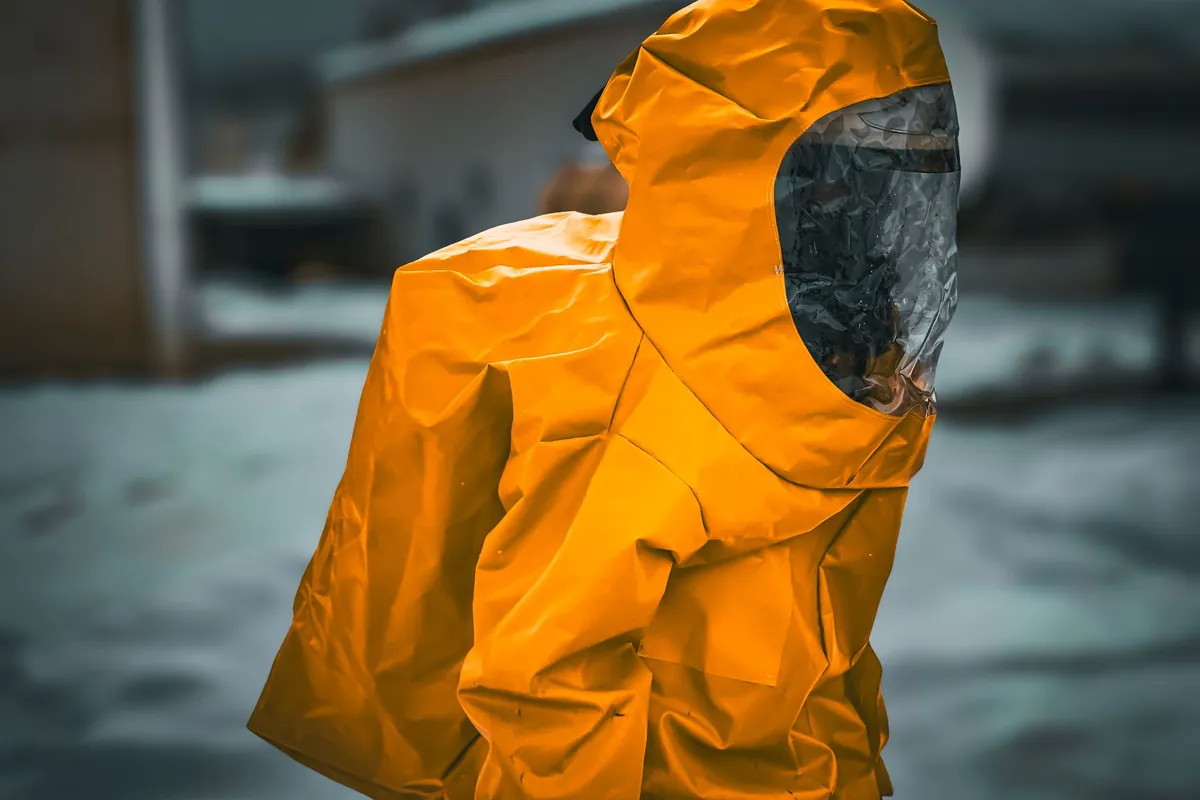
Hazmat cleanup is the controlled removal or treatment of hazardous materials that can harm people, property or the environment through contact, breathing, fire, reaction or contamination.
A biological hazard, corrosive substance, chemical spill, fuel residue, toxic waste or unidentified powder may require this work. Bloodborne pathogens can be present in biological material such as bodily fluids and blood. A chemical may cause poisoning or burns, react with another product, or give off dangerous vapor. Since each risk is different, no single cleaning process or product is right for every substance.
Cleanup starts by gathering details that can identify the substance, including a product label, container, incident report, Safety Data Sheet or test result. Control is then established around the affected and surrounding spaces. Based on the material, technicians select suitable containers, protective gear, absorbents and tools. Anything that is safe to clean can be treated. Contaminated material that cannot be retained is removed for proper waste disposal.
You can use pictures, the cleanup scope, waste documents and a list of removed items when insurance companies or property managers ask for details.
Contents that can be decontaminated are kept apart from absorbent affected materials. When belongings can be touched safely, you help assess contents that matter to you.
Calls are answered day and night, and crews arrive in unmarked vehicles. Your conversation can stay private from people visiting or living nearby.
Before you move forward, you learn which facts are established, what remains unidentified and how the suggested cleanup applies to the affected area.
Hazmat cleaning services are needed when normal cleaning could expose you to a hazardous substance or spread it to another surface. Common situations include:
Cleanup involving sharps, blood, bodily fluids or another biological substance requires bloodborne pathogen precautions and differs from a chemical residue plan.
For a warehouse, office, store or managed property, the work may require containment, controlled cleaning and documentation for an insurance company or property owner.
Tools, machinery or protective equipment need a material-specific decontamination plan before they can be touched, moved or used again.
Careful removal is necessary if a trunk, cabin or cargo-area spill spreads into ventilation spaces, carpet or interior trim.
Start by protecting yourself from exposure and limiting further spread. Take these steps before professional cleanup starts:
Call (888) 351-0904One and Done Prep's Hazmat Cleaning Cost guide lists $4,000 to $40,000 per job for small to mid-size spaces. It lists $6 to $20 per square foot for initial cleanup and containment. Hazmat cleanup cost varies widely because the substance, square footage, containment, waste disposal, permits and inspections can all change the scope. An assessment is needed before the final price can be set.
National cost guides that have been published supply these ranges, not a visit to the property. An on-site assessment determines your property's price, which is explained to you before the cleanup starts.
Ask about cost: (888) 351-0904Insurance coverage for hazmat cleanup depends first on whether the policy covers its cause. Payment may then be affected by the deductible, limits and exclusions for contamination.
Tell the insurance company what caused the contamination and where it occurred. Ask whether cleanup, damaged materials, waste disposal and repairs fall under the policy.
Local obligations and the details of the policy, lease and event may affect who pays and organizes the work. Wait for examination of the records and facts before accepting liability.
Ask what the adjuster needs before work begins when there is time to do so. The claim may be clearer with photographs, the work scope, waste documentation and an inventory of discarded items.
A business or property owner should keep incident details, affected-area photos taken from a safe place, an item inventory and records from the cleanup service.
Different materials require different cleaning procedures, but professional cleanup still uses an ordered, controlled process. Throughout the work, contamination should remain confined to affected areas so clean spaces stay protected.
Incident information is considered along with accessible Safety Data Sheets and labels. Before cleaning starts, crews document the affected area, exposed surfaces and possible spread routes.
The cleanup space is isolated from people and unaffected parts of the property. Openings and travel paths are controlled when the material could move beyond the original spot.
Instead of relying on one standard kit, crews choose gloves, garments, eye protection and breathing equipment according to the hazard and planned work.
Crews stop the source only if doing so is safe. Compatible absorbents, containers or other controls keep the material from spreading further.
Cleanable surfaces and equipment receive a method suited to the contaminant. An EPA-registered disinfectant remains on biological contamination for the entire contact time stated on its label.
Porous or damaged items that cannot be safely cleaned are separated, packaged and documented. If conditions allow, crews discuss your personal property with you before removing it for disposal.
Once the substance is known, waste goes into sealed containers compatible with it and follows the required disposal route. You can keep records for insurance and property purposes.
The completed work is compared with the defined cleanup scope. You learn what cleanup covered, which materials left the property and whether repairs or additional restoration services remain necessary.

Phone support stays available. A specialist in hazmat cleanup takes your call, walks you through the process and confirms when work can start.
Contact with hazardous material can seriously harm health through breathing, puncture, swallowing or skin exposure. Using an unsuitable cleaner may also spread it or trigger a reaction.
Material can move under shelving, behind baseboards, into floor seams or through a vehicle interior. Treating the obvious area alone can miss affected material nearby.
Depending on the contaminant, used absorbent, cleanup water, damaged items and single-use protective gear may have to follow a controlled waste route.
Dust or fumes may reach surrounding areas, and absorbent belongings can retain odors and contamination. Items should be evaluated before they are cleaned, removed or returned.
When a small blood spill is safe to clean yourself. Even a minor release may be unsafe. Only rely on label and Safety Data Sheet directions when the material has been identified, the spill is contained and your exact situation is addressed. An unknown, highly toxic, reactive or expanding release should remain untouched, and urgent danger calls for an emergency response.
The material and the surface decide what can stay. A sealed, compatible surface may be cleaned, while a porous item that absorbed hazardous residue may need removal.
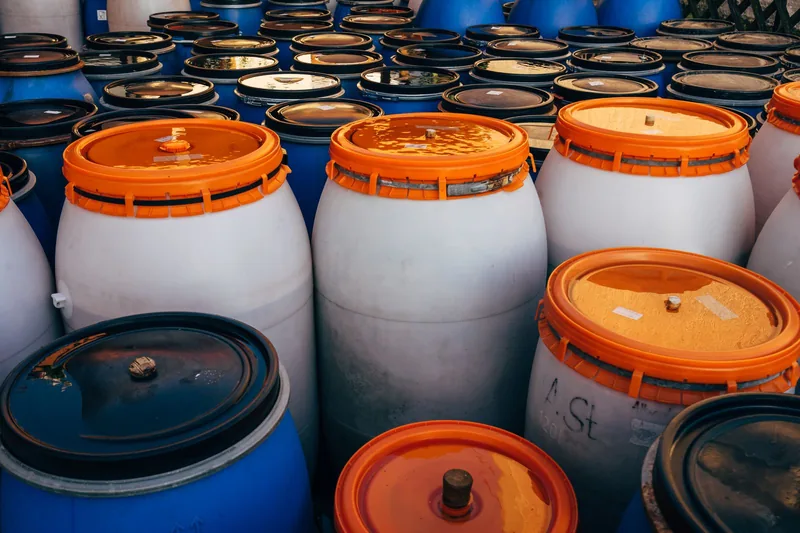
Federal rule 29 CFR 1910.1030 covers training, protective equipment and safe handling for workers who may encounter blood or other potentially infectious substances.
For a biological hazard, use an EPA-registered disinfectant and keep the treated surface wet throughout the contact time printed on the label. Disinfecting products are not all-purpose neutralizers for chemical hazards.
Illinois treats soaked materials from a biohazard scene as potentially infectious medical waste (PIMW). Illinois EPA rules control how it is packed, transported and treated, so it cannot go in household trash.
In Cook County, the Cook County Medical Examiner's Office investigates sudden and unexplained deaths. Cleanup starts after police or the medical examiner release the scene.
Hazmat cleaning has no safely fixed duration until the material is identified, the disposal needs are clear and the affected area is understood. Required permits, testing or inspections may delay work, as can the need to bring an active hazard under control.
The full hazmat cleanup guide covers what is cleaned or removed, odor and air quality work, and the rules that apply in Illinois and Kane County.
Read the full hazmat cleanup guideContainment, entry and cleanup plans can be influenced by local housing, population and access details.
In an area with 27.7% renter occupancy, direct homeowner approval can simplify choices about opening walls or replacing affected finishes.
In housing built around 2000, selective removal can expose affected layers without disturbing finishes outside the cleanup boundary.
With 30.9% of seniors living alone, an unattended illness or death may go unnoticed, increasing the area affected by fluids and odor.
Detached and single-family properties account for 77.4% locally, so exterior access and safe waste movement should be planned early.
During your call, ask whether cleanup is available in surrounding communities and ZIP codes.
Toxic and chemical waste cleanup includes safe disposal.
See chemical and toxic waste cleanup
Blood, body fluids and other infectious materials are removed, followed by property disinfection.
See biohazard cleanup
Contamination is cleared through biological remediation, returning the space to safe use.
See biohazard remediation
After exposure to infectious or hazardous material, the air, room and surfaces are fully decontaminated.
See biohazard decontamination
Medical waste removal and disposal through approved treatment facilities.
See medical waste removal
Pickup and disposal of biohazard waste use containers that are sealed and labeled.
See biohazard waste disposal
Meth lab cleanup includes testing for residue, decontaminating the space and completing clearance steps.
See meth lab cleanup
Rooms, vehicles and exposed surfaces receive decontamination following fentanyl exposure.
See fentanyl decontaminationOne and Done Prep's Hazmat Cleaning Cost guide lists $4,000 to $40,000 per job for small to mid-size spaces and $6 to $20 per square foot for initial cleanup and containment. The eventual price reflects how much space is involved and what the work requires for protective equipment, containment, access, disposal, permitting and inspection.
Your policy may apply based on why the material was released and the specific coverage terms, exclusions, limits and deductible. Contact the insurance company promptly and describe the cause without disturbing the material. Check with the insurer about cleaning, building damage, personal property, hazardous waste disposal and necessary follow-up testing or repairs.
No. Residue can remain after a smell weakens, and dangerous vapor may be present even when you notice little or no odor. Cleanup decisions should be based on the identified material, affected surfaces, work scope and any testing required for that situation. Added scent can make an odor less noticeable, but the underlying material remains.
Cleanup does not end with a quick disinfectant application. The cleanup scope guides a final area check after removal and cleaning are complete and the disinfectant has stayed wet for the required contact time. The correct waste process includes closing the containers securely and removing them for proper disposal. Records should show what was cleaned, what was removed and whether repairs remain.
Hazmat cleaning companies may work on both contamination types. Chemical and biological cleanup still differ in expertise, protective equipment and waste handling. Tell the person answering about the container, type and amount of material, and where it spread. Leave immediately and contact 911 before seeking cleanup if the material is still spilling, reacting or making it hard to breathe.
Sometimes. The answer depends on the contaminant, the tool material, seams, electronics and the manufacturer's cleaning limits. Equipment made from compatible, nonporous material may be salvageable. Porous, damaged or inaccessible parts may not be safely cleanable. Do not relocate or activate exposed machinery before an assessment of the material and equipment is complete.
You can request respectful, discreet hazmat cleanup 24 hours a day, and crews use unmarked vehicles.