Residential Biohazard Cleanup for Houses and Apartments
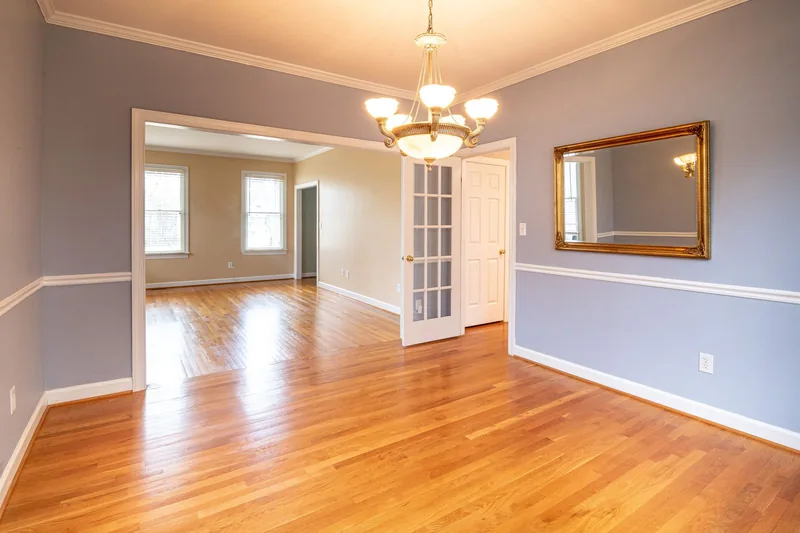
Sewage cleanup and cleaning after crime, hoarding, death or blood are available for condos, high-rise units, apartments and houses.
Learn moreBiohazard cleanup in Mount Greenwood covers crime scenes, unattended deaths, hoarding, blood and sewage, with crews in unmarked vehicles.
Planning for access, containment and cleanup can depend on local population, housing and entry conditions.
OSF Little Company of Mary Medical Center is about 1.6 miles from Mount Greenwood, which is useful to know when an exposure or injury needs medical attention.
Because Morgan Park, Beverly, and Washington Heights are nearby, parking and equipment staging are easiest to plan once the exact entrance is known.
Neighborhood level directions help narrow the location, but crews still need entrance details before bringing containment and cleaning equipment inside.
After crimes, deaths, accidents, a sewage backup or hoarding situations, biohazard cleanup means safe removal, disinfection and disposal of tissue, blood, bodily fluids and infectious or hazardous materials.
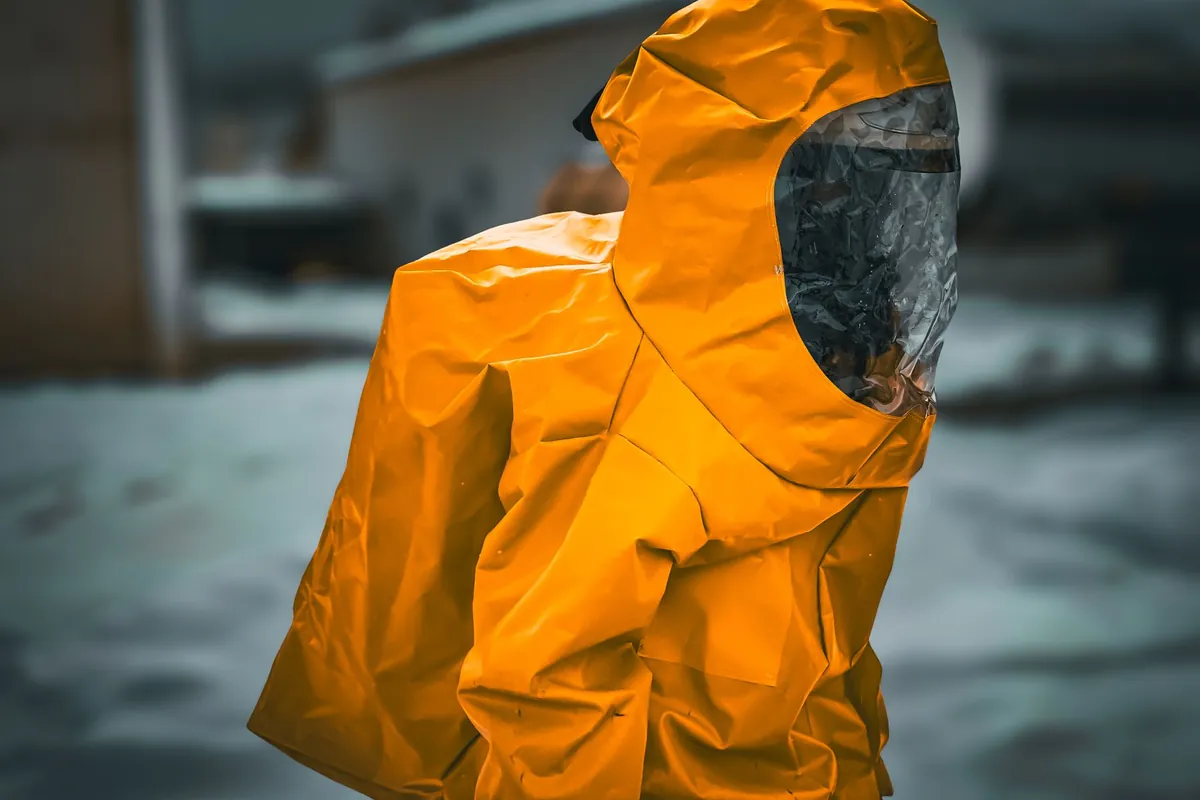
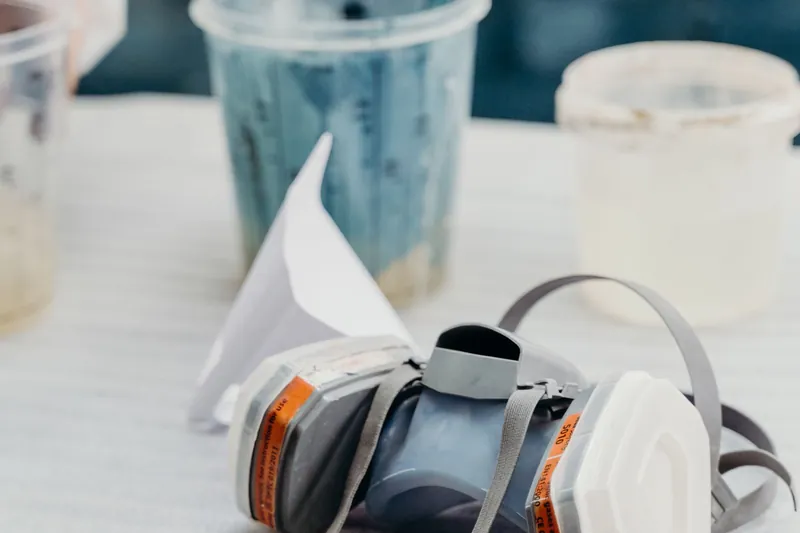
Other names include biohazard remediation, bio hazard cleaning, bio cleanup and trauma cleanup. Deep cleaning alone is not professional biohazard cleanup. Technicians wear personal protective equipment, track where contamination traveled, discard porous items beyond disinfection and treat all affected areas until the property returns to a livable condition.
Biohazard removal services in Mount Greenwood and the surrounding areas cover crime scenes, traumatic events, hoarding, sewage and hazardous waste. Crime scene cleaners do the specialized cleaning that safe scene cleaning requires, from blood and fentanyl cleanup to odor control, with emergency response available day or night. The goal is respectful, compassionate service that helps restore safety to the home.
Emergency service calls are answered day and night, and crews arrive in unmarked vehicles so neighbors and building staff do not know what happened.
You receive an explanation of the cleanup plan, every step involved and what can change the price ahead of any removal. Expect no pressure or surprises.
Your insurance company, property owner or state victim program can receive the photos, waste paperwork and notes describing the scope.
You and your family receive care during a difficult time, without judgment about neglect or hoarding. Your photos, important papers and keepsakes are placed aside.
Sewage cleanup and cleaning after crime, hoarding, death or blood are available for condos, high-rise units, apartments and houses.
Learn more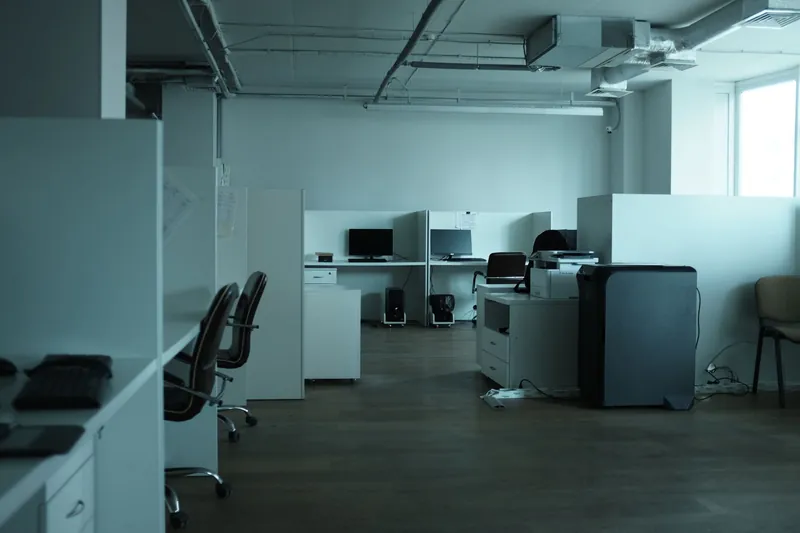
Commercial biohazard cleanup for commercial properties, after injuries, industrial accidents, break-ins or exposures, scheduled around your hours.
Learn more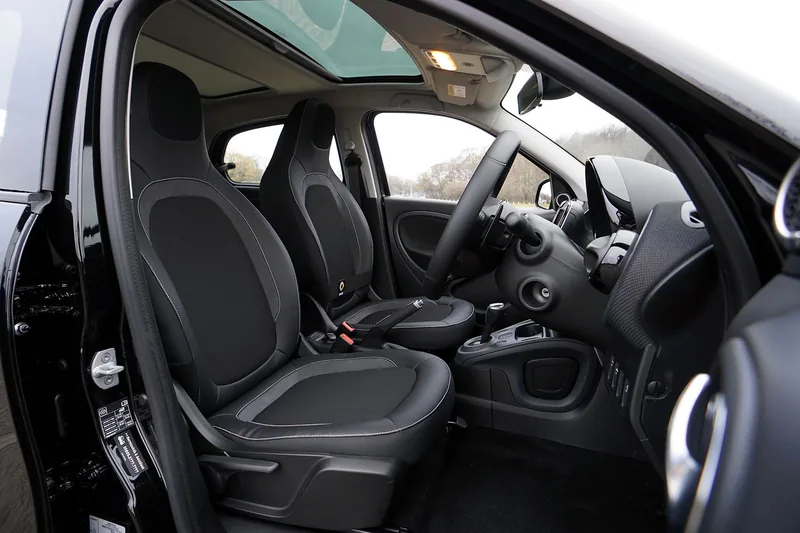
Vehicle biohazard cleanup removes blood, bodily fluids and odors from carpet, vents and seating.
Learn more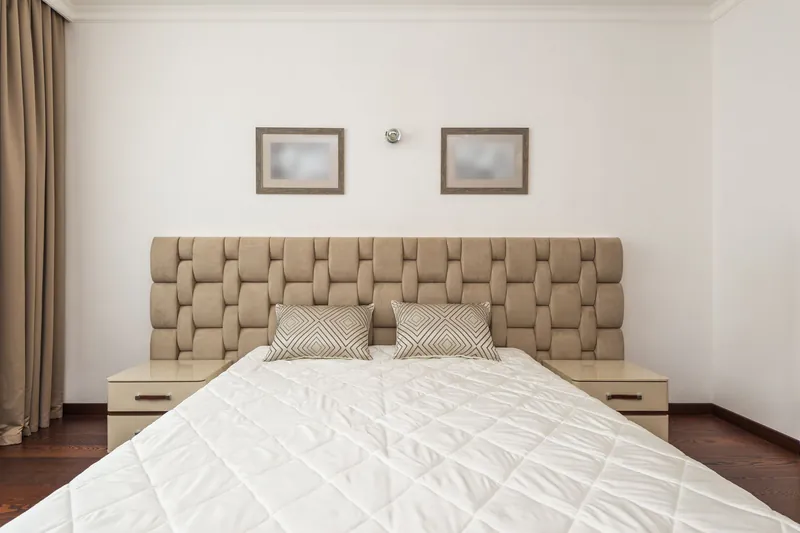
Units are prepared for another rental, and cleanup records are available to owners and insurers.
Learn moreChoose the cleanup page that fits your situation. Call if you are uncertain about which cleanup service fits.
This is a one-time experience for most people. These first steps protect your health, your insurance claim and the final cleanup cost.
Call (888) 351-0904From the initial call through the last inspection, the biohazard cleanup process follows a consistent order designed for safety.
You start by describing the situation. After technicians photograph and inspect the scene, they agree on the scope with you.
The affected area is sealed off with plastic sheeting so contamination does not spread to other rooms.
Porous materials that absorbed infectious materials, such as carpet, pad and drywall, are cut out and sealed as medical waste so nothing is left behind.
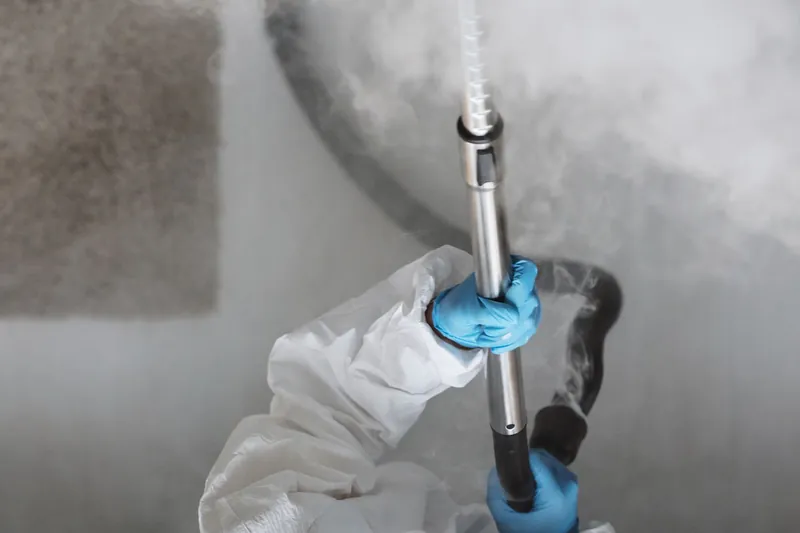
Hospital-grade disinfectant registered by the EPA is applied after all surfaces are cleaned.
Treatment reaches the source of odors with hydroxyl, air scrubbers or ozone, followed by a check of the vents.
Waste is sealed, tracked with paperwork and taken to a permitted facility for medical waste treatment.
The area is checked, including ATP testing where needed, so the space is back to a livable condition, and you get photos and records for your claim.
Rebuilding areas where drywall or floors were taken out can be done by your contractor or the insurer's vendor.
Typical national pricing for biohazard cleanup runs $3,000 to $5,000 in the Fixr guide. Different kinds of jobs carry different prices. Guides put minor blood cleanup at $500 to $2,500, with sewage backup work at $2,000 to $10,000. An on-site assessment determines the actual price.
Frequently, yes. Homeowners and renters insurance commonly covers biohazard cleanup after a sudden event such as a death, a crime or a sewage backup, minus your deductible.
Accidental events are commonly covered when sudden. Long-term neglect and hoarding are generally excluded. Contact your insurer ahead of any cleanup.
After a death, cleanup costs can often be paid by the estate. This is generally managed by the executor or a family member.
The Illinois Attorney General's Crime Victim Services Division lists crime scene cleanup among the costs its compensation program can help offset, so victims of violent crime can ask about it. Insurance is usually checked first.
In rental units and common areas, the owner or property manager usually arranges and pays for cleanup.
You can call anytime. You can ask a cleanup specialist what happens next at your property.
After your deductible, numerous renters or homeowners policies cover biohazard cleanup caused by a sudden event. Coverage commonly excludes hoarding and neglect over time.
Biological materials that can cause disease are biohazards, including used needles, raw sewage, tissue, blood, bodily fluids, and human or animal waste.
Discreet biohazard cleanup is possible. Unmarked vehicles and quiet work help crews keep the situation confidential from neighbors and building personnel.
For biohazard cleanup, a typical national range is $3,000 to $5,000 according to Fixr. Minor blood cleanup runs $500 to $2,500, and a sewage backup runs $2,000 to $10,000.
One to three days is a common window for sewage-related symptoms to appear, but some infections need more time. Avoid any contact with the area and keep children and pets away.
Someone answers your call 24 hours a day, on weekends and holidays too.