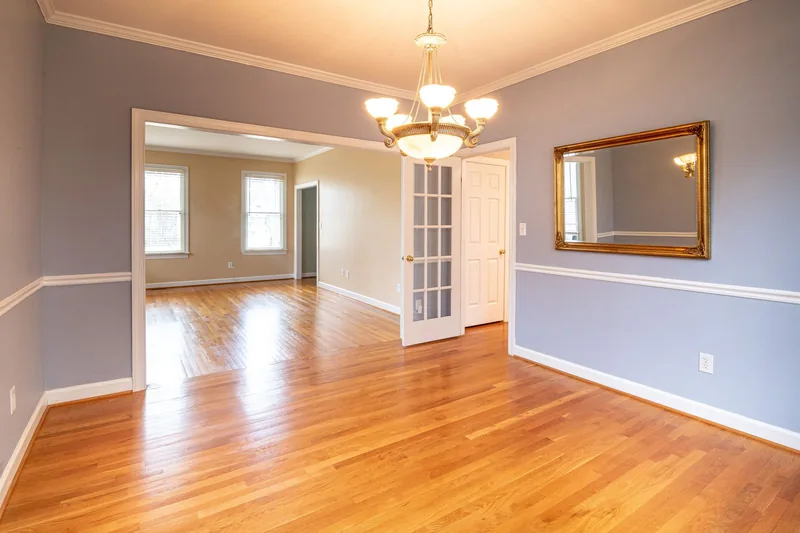
Biohazard Cleanup for Homes and Apartments
For death, blood, crime or hoarding, cleaning is available in apartments, high-rise units, houses and condos, along with sewage cleanup.
Learn moreGet blood, bodily fluids, odor and contaminated materials removed safely from any property in Morocco, day or night.
Planning for access, containment and cleanup can depend on local population, housing and entry conditions.
The relatively small 21.6% rental share does not change safety needs, but it can make property decisions more direct.
In housing centered around 1954, crews may need to check behind baseboards and below older floor coverings before declaring cleanup complete.
The local count of seniors living alone is 73, so a cleanup plan may need input from someone managing the home remotely.
With 86.4% single-family housing, crews may need to inspect basements, crawl spaces, garages, and other areas unique to detached homes.
The safe disposal, removal and disinfection of bodily fluids, blood, tissue and other hazardous materials after an accident, crime, death, sewage backup or hoarding situation is biohazard cleanup.
You may also hear it called trauma cleanup, bio cleanup, biohazard remediation or bio hazard cleaning. Deep cleaning alone is not professional biohazard cleanup. Technicians wear personal protective equipment, track where contamination traveled, discard porous items beyond disinfection and treat all affected areas until the property returns to a livable condition.
Crime scenes, unattended deaths and other traumatic events in Morocco call for specialized cleaning, not household products. Crime scene cleaners use careful scene cleaning methods to remove hazardous waste, treat odor and complete fentanyl cleanup when drugs are involved. Emergency response reaches the surrounding areas too, and the work is a respectful, compassionate service that helps restore safety.
Biohazards are real health hazards that can make people seriously ill, and the contamination you can see is rarely all of it.
Hepatitis A, salmonella and E. coli travel in raw sewage, while materials left wet may develop mold in 24 to 48 hours.
Fluids, gases and bacteria from decomposition can penetrate flooring and move into other rooms through ventilation.
Although bleach and sprays may clean on top, absorbed fluids remain in drywall, subfloor, carpet and its pad. If contaminated matter is left behind, bacteria and odor return. Decontamination services remove that matter.
HIV, hepatitis B and hepatitis C can live in blood. Hepatitis B may survive on a surface for at least seven days, according to the CDC.
For death, blood, crime or hoarding, cleaning is available in apartments, high-rise units, houses and condos, along with sewage cleanup.
Learn more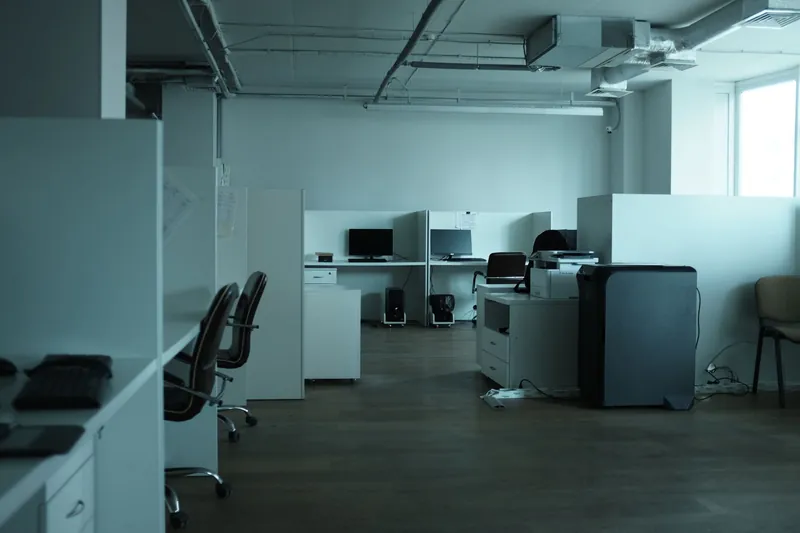
Commercial biohazard cleanup for commercial properties, after injuries, industrial accidents, break-ins or exposures, scheduled around your hours.
Learn more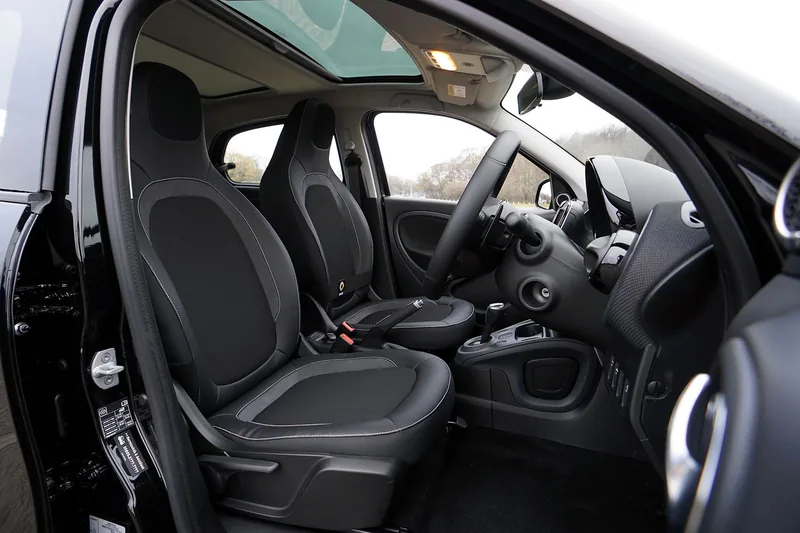
Vehicle biohazard cleanup removes blood, bodily fluids and odors from carpet, vents and seating.
Learn more
Units are prepared for another rental, and cleanup records are available to owners and insurers.
Learn moreSelect the cleanup page that matches your needs. Call if you are uncertain about which cleanup service fits.
Most people only face this once. These first steps protect your health, your insurance claim and the final cleanup cost.
Call (888) 351-0904The biohazard cleanup process follows the same safe order for every job, from the first call to the final inspection.
The caller describes what occurred. Technicians examine and photograph the area, then confirm the work scope with you.
Plastic sheeting isolates the affected area and stops contaminants from reaching additional rooms.
To keep affected material from being left behind, technicians cut out carpet, pad, drywall and other porous items that absorbed infectious materials, then seal them as medical waste.
Each surface receives cleaning and an EPA-registered disinfectant made for hospital use.
The odor source is treated using ozone, hydroxyl or air scrubbers, and the vents are also examined.
A permitted medical waste treatment facility receives the sealed material along with its tracking documents.
Where needed, ATP testing helps check that the space has returned to a livable condition. You also get photographs and documentation for your claim.
A contractor you choose, or one used by your insurance company, can restore flooring and drywall that were removed.
For biohazard cleanup, a typical national range is $3,000 to $5,000 according to Fixr. The type of job changes the price. Minor blood cleanup runs $500 to $2,500, and a sewage backup runs $2,000 to $10,000. An on-site assessment determines the actual price.
Frequently, yes. Many renters and homeowners policies cover biohazard cleanup after a sudden crime, death or sewage backup, with the deductible remaining your responsibility.
Coverage usually applies to sudden, accidental events. Insurance commonly excludes neglect over time and hoarding. Speak with your insurance company before cleanup begins.
Victims of violent crime can ask the Indiana Violent Crime Victim Compensation Program, run by the Indiana Criminal Justice Institute, about cleanup. The program lists crime scene cleanup as an eligible expense for crimes after July 1, 2022. Insurance is usually checked first.
Owners or property managers usually pay for and organize cleanup inside rental units and shared areas.
Death cleanup costs can often be covered by the estate. This is generally managed by the executor or a family member.
Call any hour. A cleanup specialist can explain the next steps for your property.
Most jobs take one to three days on site. Several days to two weeks may be needed for decomposition, major scenes or hoarding cleanouts.
Many renters and homeowners policies include biohazard cleanup for sudden events, less the deductible. Coverage commonly excludes hoarding and neglect over time.
Body removal is performed by the medical examiner, coroner or funeral home. Once the body is removed, the family or owner must clean the property; a biohazard cleanup company is the choice for most.
Fixr lists $3,000 to $5,000 as a typical national range for biohazard cleanup. Minor blood cleanup is listed at $500 to $2,500, while a sewage backup is listed at $2,000 to $10,000.
A few can persist a long time. According to the CDC, surfaces can support hepatitis B for at least seven days, so you should treat dried blood as infectious.
Someone answers your call 24 hours a day, on weekends and holidays too.