Unattended Death Cleanup
Cleanup when a death went unnoticed for days, with decomposition and odor control.
See unattended death cleanupRemove decomposition odor at the source in a home, apartment or rental in Montclare. Cleanup can include contaminated material removal, disinfection, air filtration and careful sorting of belongings.
Death odor removal is a cleanup process that targets decomposition residue and impacted materials before treating odor left in the air. It removes rather than masks the smell, addressing the affected air as well as its source.
A death can leave decomposition odor beyond the place where the person was located. The smell may enter carpet and furniture, collect within a wall, or reach heating and cooling systems. Covering it with deodorizer does not resolve the cause. First, the affected source has to be located and removed.
An official property release must come before cleanup. It may be issued by a medical examiner, another authority or law enforcement. Trained technicians examine the affected space and nearby areas. They follow contamination below surfaces and sort clean possessions from impacted ones. Materials that are porous may have to be removed if they absorbed fluids, while hard, non-porous surfaces are often suitable for cleaning and disinfection.
With the source gone, crews may use controlled ozone treatment, HEPA air filtration or hydroxyl treatment to remediate odor. The method depends on the building, the affected materials and whether the space can remain empty during treatment. Professional cleaning services should clarify why the recommended method fits the building.
Organized disposal records, photos and cleanup scope can help you move forward with an insurance company, property manager or landlord.
Calls are answered day and night, and crews arrive in unmarked vehicles to protect your privacy at a difficult time.
You receive an explanation before cleanup of the areas requiring work, materials that may stay and items that may need removal.
Keepsakes, documents and unaffected belongings are set aside for your decisions instead of being discarded without your knowledge.
Death odor cleanup is needed when a smell remains after the deceased has been removed or when decomposition fluids reached the property. Common situations include:
Careful sorting separates belongings that may be retained from contents that were affected.
Carpet, furniture, personal property, drywall or subfloor absorbed the smell and could hold unseen residue as well.
Because the person was not discovered promptly, decomposition reached a bathroom, bedroom, living space or materials underneath.
Smell moved into a hallway, adjoining unit or shared air system and needs to be traced without exposing other residents.
Wait for an official release and restrict entry in the meantime to help protect both you and the property. Cleanup technicians need the following information before beginning death odor remediation:
Call (888) 351-0904In its death odor removal guide, BioCleaners Directory places mild cases between $500 and $1,500 in cost, moderate cases between $1,500 and $3,500 in cost, severe cases between $3,500 and $6,000 in cost, and extreme cases requiring structural work between $6,000 and $15,000 in cost. The final amount reflects what caused the odor, which materials were affected and how widely contamination moved.
These ranges come from published national cost guides, not from a site visit. You learn what your property will cost after the on-site assessment and before any work begins.
Ask about cost: (888) 351-0904Homeowners, renters or landlord insurance might pay for death odor cleanup if the event is covered under the policy. Deductibles, exclusions and coverage differ between policies, so the property owner should notify the insurance company before repairs when possible.
Ask the adjuster to list requirements for photos, repair details, disposal documentation and the cleanup scope. Store your claim number with all receipts.
Victims of violent crime can ask the Illinois Attorney General's Crime Victim Services Division whether cleanup costs can be included in a compensation claim. Insurance is usually checked first.
Report your loss soon. Your policy may address biohazard remediation, odor control, damaged construction material removal and repair work, so ask about each.
A rental property's manager or owner usually arranges cleaning of the building. Personal property responsibility can be considered on its own.
Death odor remediation begins with the source, not the air. Cleaning and removal happen ahead of treatment equipment because contamination left in structural materials will remain a problem. The work area is isolated so that clean rooms stay separate for the full process.
To chart where residue and smell could have moved, technicians check affected and nearby rooms, flooring edges, contents and return vents.
The affected workspace is kept apart from unaffected rooms. Protective gear and exposure-suited equipment are used by trained technicians while they manage airflow.
Visible residue comes out first. Crews remove carpet, pad, upholstered furniture, mattresses, subfloor sections or drywall if cleaning cannot make them fully clean.
Remaining hard surfaces are cleaned, then treated with an EPA-registered disinfectant for the full contact time listed on its label.
The workspace air is filtered using HEPA air scrubbers. A suitable treatment, such as hydroxyl, may target smell left behind following source removal.
Crews look for odor and residue in the affected area, including nearby registers and ventilation parts they can access, so moving air does not spread the problem.
Impacted material is labeled, sealed and removed for disposal following the rules in effect locally and statewide.
The work area is inspected again after treatment. You get documentation of what crews cleaned and removed, along with repair work that remains after every step.

Phone support stays available. A specialist in death odor removal takes your call, walks you through the process and confirms when work can start.
The smell itself is a warning that the source may still be present. Decomposition fluids, hazardous materials and affected contents can create serious health risks through direct contact or transfer to clean spaces.
Sorting affected items or going inside the room can cause family members emotional pain. You can name a trusted representative to make decisions and keep distance from the work area.
Fluids can pass through carpet and pad, follow seams, and soak into wood, subfloor or drywall. A surface may appear clean while concealing material underneath.
Odor can remain in porous contents, floor gaps, wall cavities and ventilation components. The smell returns when air treatment occurs without taking out the underlying sources.
When a small blood spill is safe to clean yourself. The strength of an odor is not a measure of safety. A barely noticeable odor can come from contamination hidden in an absorbent item or beneath a floor. When a death involves fluids or you cannot find the source, close off the space and seek a professional assessment.
Whether an item stays depends on the material. Clean hard surfaces that are non-porous can often be retained following proper disinfection and cleaning. Porous material that has taken in decomposition fluids usually requires removal, as contamination can persist beneath its surface.

The OSHA Bloodborne Pathogens Standard, 29 CFR 1910.1030, sets requirements for worker training, protective equipment and exposure controls when blood may be present.
A disinfectant should be registered by the EPA for its intended use and remain visibly wet for the full contact time stated on the product label.
Illinois treats soaked materials from a biohazard scene as potentially infectious medical waste (PIMW). Illinois EPA rules control how it is packed, transported and treated, so it cannot go in household trash.
In Cook County, the Cook County Medical Examiner's Office investigates sudden and unexplained deaths. Cleanup starts after police or the medical examiner release the scene.
A death odor cleanup contained to one area may require one to three days of on-site work. More time can be necessary if fluids entered structural materials, odor spread through multiple rooms or separate repairs are needed where walls and flooring were removed.
The full death odor removal guide covers what is cleaned or removed, odor and air quality work, and the rules that apply in Illinois and Cook County.
Read the full death odor removal guidePlanning for access, containment and cleanup can depend on local population, housing and entry conditions.
Knowing that Community First Medical Center is about 1.5 miles away helps households plan where to seek care before arranging scene cleanup.
Urgent medical evaluation can be sought at Community First Medical Center, listed 1.5 miles away, with Loyola Gottlieb Memorial Hospital shown as an additional facility.
The surrounding area includes Galewood, Hanson Park, and Belmont Cragin, so cleanup travel may cross several local streets or municipal boundaries.
In Montclare, identifying the correct building entrance can reduce unnecessary movement through shared spaces during a sensitive cleanup.
Ask on the call about cleanup options for neighboring communities and ZIP codes.
Cleanup when a death went unnoticed for days, with decomposition and odor control.
See unattended death cleanup
Fluids, odor and impacted belongings are addressed when a home is cleaned after a death.
See death cleanup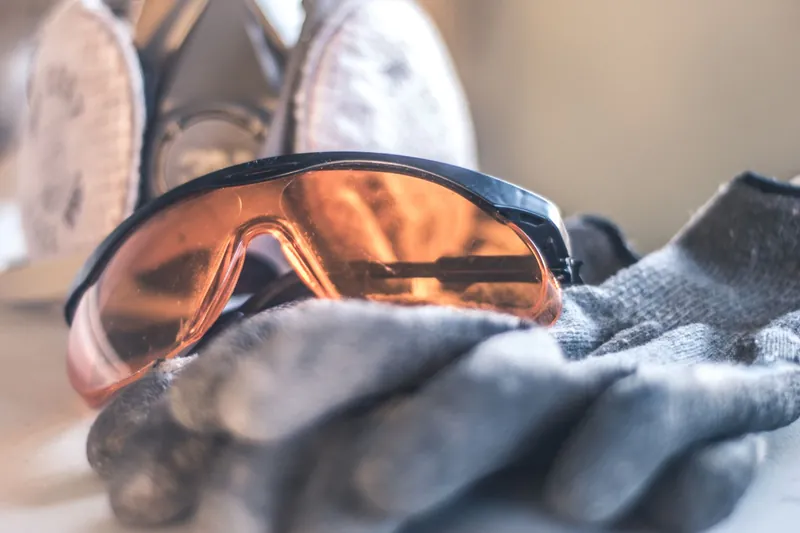
Removal of decomposition fluids from floors, subfloors and furniture.
See decomposition cleanup
Cleanup after a death that was found quickly, with care for the family home.
See attended death cleanup
Estate cleanout after a death, with sorting of belongings and safe removal.
See estate cleanout after a death
Cleanup removes infectious material, including blood and body fluids, and disinfects the property.
See biohazard cleanup
Accidents, injuries and violent incidents may require trauma scene cleanup.
See trauma scene cleanup
Hotels, rental properties and Airbnb units receive biohazard cleanup.
See hotel, airbnb and rental biohazard cleanupReliable odor removal begins by taking out the source. That process may require taking out furniture, carpet, padding, drywall or subfloor that was affected. Hard surfaces that remain receive cleaning and disinfection before suitable odor treatment and air scrubbers address the rest. Fragrance cannot eliminate decomposition smell.
According to the BioCleaners Directory guide, mild odor costs $500 to $1,500, moderate odor costs $1,500 to $3,500, severe odor costs $3,500 to $6,000, and extreme odor involving structural work costs $6,000 to $15,000. Material removal and the affected area size determine the job's range.
Confirm the property's release before doing anything else. Keep the affected room closed, contact the insurance company and separate ordinary estate work from biohazard cleanup. Do not move contaminated items until their condition is assessed. You may next sort clean personal items and loved ones' keepsakes with an estate representative or family member.
Responsibility varies with what needs cleaning and the terms of the policy and lease. A rental property's manager or landlord commonly coordinates cleanup for both the space and building materials. The family or estate may be responsible for personal belongings. Both sides should call their insurance companies prior to removal of any items.
After contaminated material comes out, ozone can reduce lingering smell, but it cannot remove decomposition fluids or make an affected surface safe. Breathing ozone may irritate your lungs. Treatment requires an empty, controlled space that is ventilated before pets or people reenter.
When the event is covered, homeowners, landlord or renters policies may include odor treatment, biohazard cleanup and damaged materials. Any exclusions and your deductible continue to apply. Make a prompt loss report and ask your adjuster what documentation to gather ahead of cleaning and repairs.
You can request respectful, discreet death odor removal 24 hours a day, and crews use unmarked vehicles.