Home and Apartment Biohazard Cleanup
For death, blood, crime or hoarding, cleaning is available in apartments, high-rise units, houses and condos, along with sewage cleanup.
Learn moreYou can call for calm, discreet biohazard cleanup at homes, rentals, businesses and vehicles in Merrionette Park.
Local population patterns, housing and site access may affect how containment and cleanup are planned.
At 27.0% renter occupancy, most housing is owner occupied, which can reduce the number of parties involved in cleanup authorization.
A median build year of 1965 means fluids can pass through carpet or seams and affect padding or subfloor below.
The 128 seniors living alone may need support from relatives or trusted contacts when a cleanup decision follows a medical emergency.
In this housing mix, fluids may affect a private subfloor or cross into a shared wall cavity, depending on the building.
Biohazard cleanup is the safe removal, disinfection and disposal of blood, bodily fluids, tissue and other infectious or hazardous materials after a death, a crime, an accident, a hoarding situation or a sewage backup.
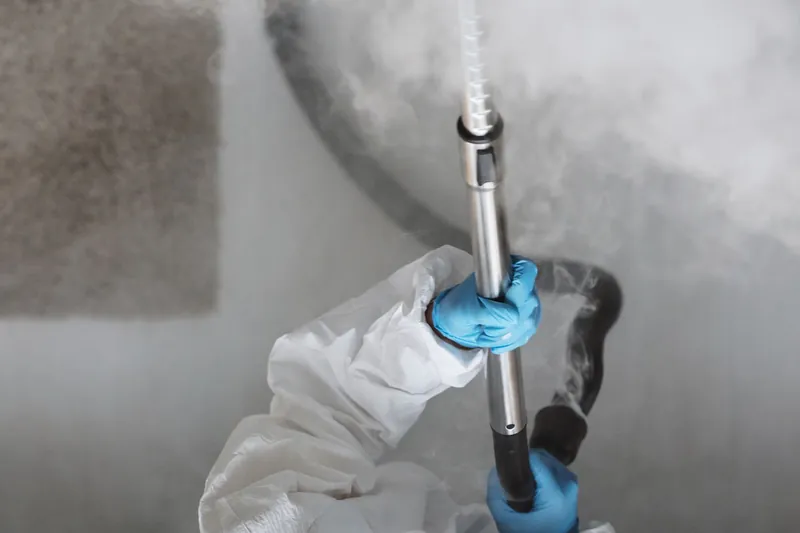
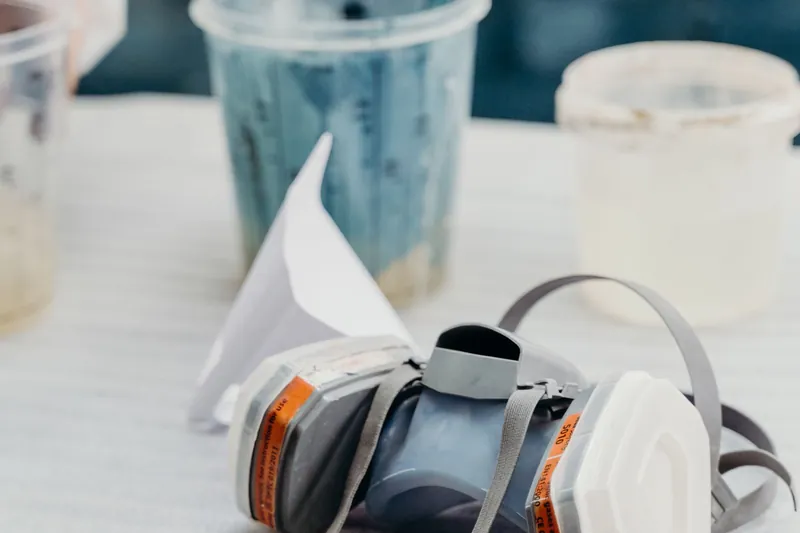
Bio cleanup, trauma cleanup, bio hazard cleaning and biohazard remediation describe the same work. Professional biohazard cleanup goes beyond ordinary deep cleaning. Using personal protective equipment, technicians trace every place contamination reached, remove porous items beyond disinfection, then restore affected areas to a livable condition.
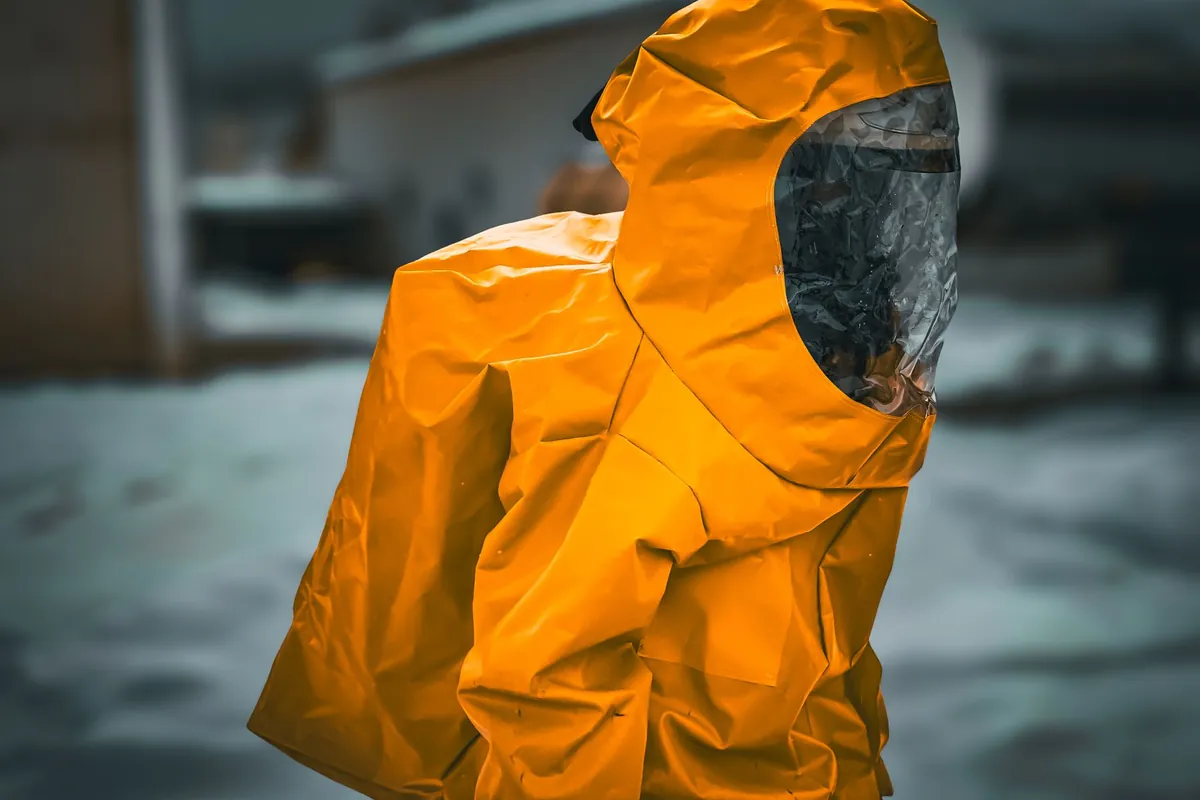
Crime scenes, unattended deaths and other traumatic events in Merrionette Park call for specialized cleaning, not household products. Crime scene cleaners use careful scene cleaning methods to remove hazardous waste, treat odor and complete fentanyl cleanup when drugs are involved. Emergency response reaches the surrounding areas too, and the work is a respectful, compassionate service that helps restore safety.
Biohazards are genuine health hazards that can cause serious illness, while visible contamination is seldom the full extent of the problem.
Decomposition releases fluids, bacteria and gases that soak into floors and travel through vents to other rooms.
Bleach and sprays clean the surface but leave fluids in carpet pad, subfloor and drywall. What is left behind brings odor and bacteria back, which is why decontamination services remove it.
Hepatitis A, salmonella and E. coli travel in raw sewage, while materials left wet may develop mold in 24 to 48 hours.
HIV, hepatitis B and hepatitis C can live in blood. According to the CDC, hepatitis B remains viable on surfaces for at least seven days.
For death, blood, crime or hoarding, cleaning is available in apartments, high-rise units, houses and condos, along with sewage cleanup.
Learn more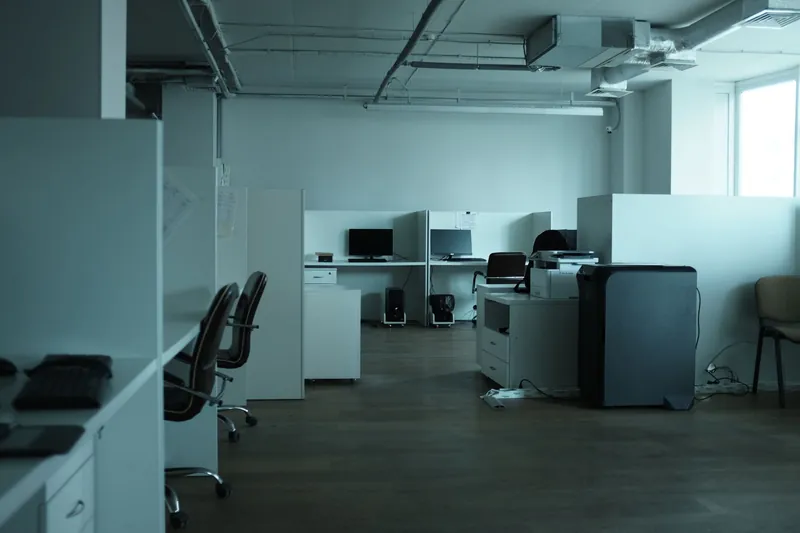
Commercial properties receive commercial biohazard cleanup for industrial accidents, exposures, break-ins and injuries at times that work with your schedule.
Learn more
Vehicle biohazard cleanup removes blood, bodily fluids and odors from carpet, vents and seating.
Learn more
Owners and insurers receive cleanup records as the unit is prepared to return to rental use.
Learn moreChoose the cleanup page suited to your situation. You may call when you need help identifying the appropriate service.
This is a one-time experience for most people. These first steps protect your health, your insurance claim and the final cleanup cost.
Call (888) 351-0904Each job follows the same safe biohazard cleanup process, beginning with your call and ending with the final inspection.
The caller describes what occurred. Technicians inspect the scene, photograph it and agree the scope with you.
To prevent contamination from moving elsewhere, the affected area is closed off using plastic sheeting.
To keep affected material from being left behind, technicians cut out carpet, pad, drywall and other porous items that absorbed infectious materials, then seal them as medical waste.
Cleaning every surface is followed by treatment with hospital-grade, EPA-registered disinfectant.
Air scrubbers, ozone or hydroxyl address odor where it begins, while vents receive inspection.
Sealed waste goes to a permitted medical waste treatment facility, with tracking paperwork.
A final check, with ATP testing when necessary, confirms a livable condition. You then receive records and photographs for the claim.
Removed flooring or drywall can be rebuilt by your contractor or your insurer's vendor.
The Fixr guide shows $3,000 to $5,000 as the usual national range when you hire biohazard cleanup. The price moves with the type of job. Minor blood cleanup is listed at $500 to $2,500, while a sewage backup is listed at $2,000 to $10,000. Your actual cost is established after the on-site assessment.
Often, yes. Many renters and homeowners policies cover biohazard cleanup after a sudden crime, death or sewage backup, with the deductible remaining your responsibility.
Payment for death cleanup can often come out of the estate. A family member or the estate executor normally manages this task.
Accidental events are commonly covered when sudden. Hoarding and long-term neglect usually are not. Contact your insurer ahead of any cleanup.
Owners or property managers usually pay for and organize cleanup inside rental units and shared areas.
The Illinois Attorney General's Crime Victim Services Division lists crime scene cleanup among the costs its compensation program can help offset, so victims of violent crime can ask about it. Insurance is usually checked first.
Call any hour. A cleanup specialist can explain the next steps for your property.
Biohazard cleanup can remain private. Unmarked vehicles and quiet work help crews keep the situation confidential from neighbors and building personnel.
A few can persist a long time. The CDC reports that hepatitis B remains viable on surfaces for at least seven days; dried blood should therefore be handled as infectious.
Body removal is performed by the medical examiner, coroner or funeral home. Cleaning the scene afterward is the property owner's or family's job, and most hire a biohazard cleanup company.
A typical job requires one to three days at the site. Hoarding cleanouts, decomposition and heavy scenes can run from several days to two weeks.
Fixr lists $3,000 to $5,000 as a typical national range for biohazard cleanup. Guides put minor blood cleanup at $500 to $2,500, with sewage backup work at $2,000 to $10,000.
Calls receive an answer 24 hours a day, even on holidays and weekends.