
Medical Waste Removal
Medical waste removal covers disposal through an approved facility used for treatment.
See medical waste removalGet discarded needles, syringes and related sharps removed from a yard, rental, park, alley or commercial property in Magnificent Mile. Keep people and pets away until the affected area has been searched and cleared.
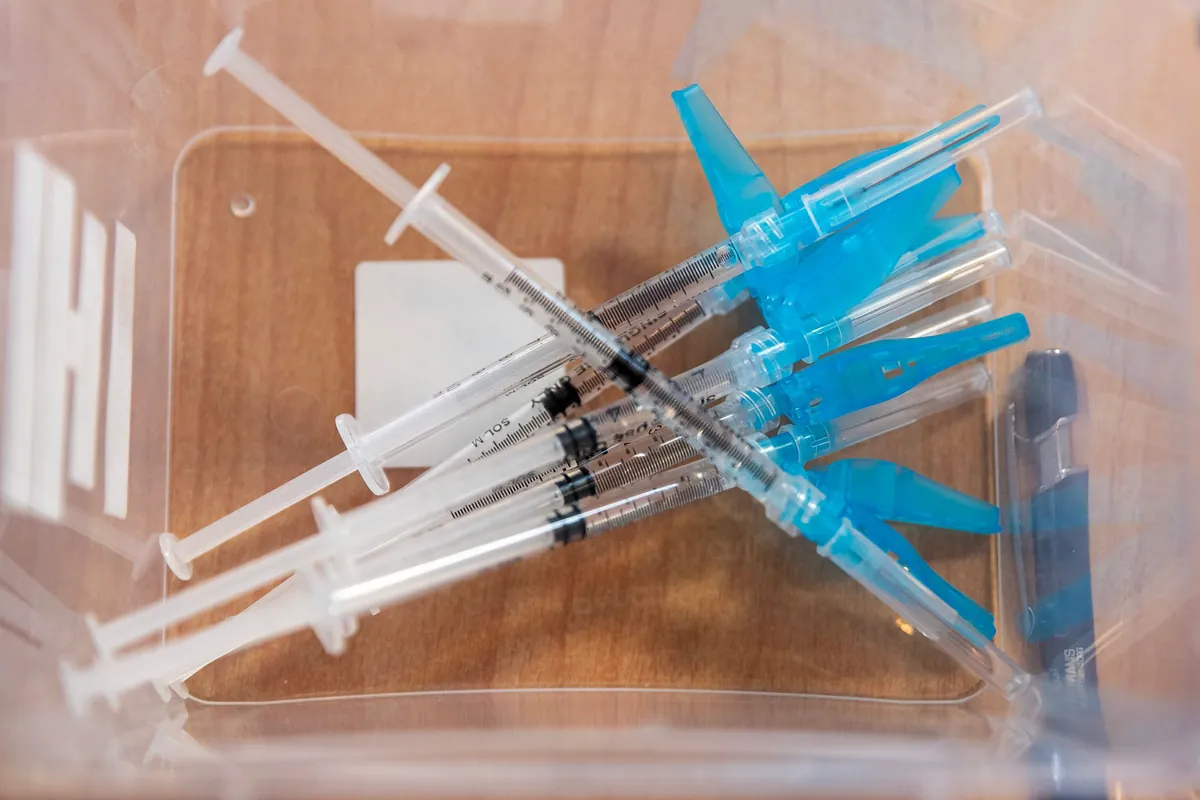
A sharps cleanup safely searches for, picks up and contains abandoned syringes, other needles, lancets, razor blades and additional sharp objects. Disposal then takes place under the relevant rules for that type of waste.
Depending on the site, work may address one syringe in view or require a systematic search across a much larger space. Technicians inspect vacant rooms, grass, planting containers, mulch, stairways, fence edges, refuse zones and spots below debris or furnishings. Hands stay clear of pointed ends because tongs or a comparable collection tool are used. Items are placed immediately in a rigid sharps container that resists punctures, never in an unsecured bag.
Needle removal may form one part of restoring property after an encampment has closed, a tenant has moved out, people have trespassed or illegal drug use has occurred. Items beside the sharps can broaden the biohazard scope, including paraphernalia, contaminated materials and small areas of bodily fluid. Everything is kept separate, then packaged and cleaned based on the material instead of being treated as ordinary mixed litter.
Service notes, photos and available waste records help property owners, managers and insurance companies understand the completed work.
For privacy at residences, businesses and rentals, an arriving crew may be in unmarked vehicles, and calls receive answers day or night.
Before the cleanup process starts, the right team explains the search area, items that might require moving and factors influencing your cost.
Items safe to remain are identified through an orderly check, then divided from contaminated materials and waste.
Any sharp that someone could encounter and be punctured by while using, maintaining or cleaning a space needs removal. The right service differs by circumstance. What was discovered and the property's normal use should determine how far the search extends. Typical situations are:
A syringe concealed in mulch or grass, near a fence or inside an alley creates a step-on risk during regular property upkeep.
Syringes found with pipes, foil, glass or unknown residue require care because several physical and contamination hazards may be present together.
Sharps can be concealed inside tents, loose refuse, plants or bedding, so avoid lifting or pressing the debris before an inspection.
Before new occupants, cleaning staff or contractors go inside, needles abandoned in a common area, unit, drawer, trash pile or mattress require careful collection.
Begin by making sure nobody can touch the sharp. The following measured steps protect you while preserving the site so a complete sweep can be performed:
Call (888) 351-0904The available cost file has no published dollar range specifically for needle and sharps cleanup. The closest related figures are medical waste disposal at $2 to $20 per pound and general biohazard cleanup at $3,000 to $5,000 per job. These are comparison figures, not a sharps cleanup quote. Your price depends on the number of items, where they are found, the size of the sweep and required waste disposal.
The figures shown are national ranges from published cost guides and are not based on an on-site visit. An on-site assessment determines your property's price, which is explained to you before the cleanup starts.
Ask about cost: (888) 351-0904Your policy terms, where the needles were discovered and why they are present all affect coverage. If the situation can safely wait, ask your insurance company about it prior to beginning work.
The lease, local requirements and cause of the condition affect who pays. Property owners and managers should document the unit before removing discarded needles.
Sharps associated with a covered event, including vandalism or trespass, may fall under a property policy. Give the adjuster photos and a clear description of the incident.
When discarded sharps are associated with a reported criminal incident, check whether state help may apply. Victims of violent crime can ask the Illinois Attorney General's Crime Victim Services Division whether cleanup costs can be included in a compensation claim. Insurance is usually checked first.!
Ask the insurer whether coverage applies, prior cleanup authorization is required and the claim needs specific service notes, waste documents or photos to move forward.
The cleanup follows an orderly sequence even though each property's scope is different. It starts by controlling entry, then moves through a careful search and safe collection before ending with another visual inspection.
Trained technicians assess the known locations, recent property activity and surfaces involved, then set the boundary of the affected area.
Access is limited while technicians use protective equipment suited to puncture and contamination risks. Work starts at a clear edge.
A section-by-section search covers furniture, vegetation, bedding, trash areas, planted containers, floor edges and other places likely to conceal sharps.
Technicians use tongs or a different collection tool to lift every sharp they see. It is not bent, broken, recapped or carried loose.
A closable container built to resist punctures receives every needle, syringe and comparable item as soon as it is collected.
Nearby bodily fluids or other hazardous materials are removed, and compatible surfaces are cleaned with an EPA-registered disinfectant for the label's full contact time.
Sealed containers follow the disposal path that applies to the location and material, while available waste and service documentation stays together.
Technicians tell you what they collected and note areas beyond reach after repeating the visual inspection and before releasing the site.

Call at any time. You speak with a needle and sharps cleanup specialist who outlines the process and schedules a start time with you.
The greatest risk is being cut or punctured by a sharp with potentially contaminated material on it. Each discarded object therefore needs to be considered hazardous. A larger area may require trained professionals to search it because the health consequences can be serious.
It can be distressing to discover needles in places used by pets, children, customers or tenants. Your next clear action is to keep the space shut and schedule a thorough sweep.
Loose sharps can break through standard trash bags, putting anyone who moves, sorts or carries them at risk of injury. During waste disposal, a hard-sided sharps container reduces the risk of puncture.
A used needle can expose a person to bloodborne pathogens through a puncture. OSHA's Bloodborne Pathogens Standard, 29 CFR 1910.1030, sets worker protections when occupational exposure to blood may occur.
When a small blood spill is safe to clean yourself. Even with gloves on, avoid touching any lone sharp you locate. Keep people away and follow local sharps guidance or request professional cleanup. Anyone punctured should wash with soap and water and quickly seek medical guidance about the exposure.
Sharps are collected in puncture-resistant containers. Nearby surfaces are cleaned when contamination is present, while ordinary property stays in place when it can be checked and safely retained.
Timing differs from one site to another, with a lone visible item potentially taking less time than an extensive property sweep. Dense waste, concealed sharps and areas that are hard to reach add to the work.
| Scene | Typical time on site |
|---|---|
| One known needle in a clear location | Limited visit when the disposal route and site access are clear |
| Multiple spaces or one rented property | Longer search based on rooms, furnishings and hidden spaces |
| Large outdoor or debris-filled site | A prolonged sweep that can require coordinated debris removal |
Discarded syringes or needles normally do not affect air quality or leave persistent odor on their own. A noticeable smell can point to adjacent trash, spoiled matter, bodily fluids or a different source that requires odor removal. Identification and removal of the cause should replace any attempt to mask it using fragrance.
Cleanup technicians can assess the surrounding areas while checking for sharps. If related contaminated materials are present, those items are packaged or removed first, and compatible hard surfaces are cleaned and disinfected. Air treatment is considered only when the actual source and affected materials call for it.
Timing differs from one site to another, with a lone visible item potentially taking less time than an extensive property sweep. Dense waste, concealed sharps and areas that are hard to reach add to the work.
The full needle and sharps cleanup guide covers what is cleaned or removed, odor and air quality work, and the rules that apply in Illinois and Cook County.
Read the full needle and sharps cleanup guideContainment, entry and cleanup plans can be influenced by local housing, population and access details.
If direct exposure occurs, the closest listed emergency option is Ann & Robert H Lurie Childrens Hospital Of Chicago, about 0.2 miles away, not the cleanup site.
Local records list Ann & Robert H Lurie Childrens Hospital Of Chicago nearest at 0.2 miles and also name Northwestern Memorial Hospital, giving two references after an exposure.
The surrounding area includes Streeterville, New East Side, and Lakeshore East, so cleanup travel may cross several local streets or municipal boundaries.
Because this is a neighborhood within Chicago, cleanup access may depend on local parking, common entrances, or building management rules.
Your phone conversation can include questions about service in nearby ZIP codes and communities.
Medical waste removal covers disposal through an approved facility used for treatment.
See medical waste removal
Biohazard waste pickup and disposal in sealed, labeled containers.
See biohazard waste disposal
Rental spaces and properties are cleared of needles, pipes and residue from drugs.
See drug paraphernalia cleanup
Homeless encampment cleanup of needles, waste and contaminated debris.
See homeless encampment cleanup
Biohazard cleanup addresses Airbnb accommodations, hotels and other rental units.
See hotel, airbnb and rental biohazard cleanup
Biohazard cleanup for commercial and industrial spaces is completed with limited downtime.
See commercial and industrial biohazard cleanup
Cleanup that controls hepatitis B, hepatitis C and HIV exposure from blood.
See bloodborne pathogen cleanup
Removal and disinfection of blood, body fluids and other infectious material from any property.
See biohazard cleanupUse soap and water on the wound and quickly seek advice from a clinician. Your clinician can assess the exposure, then describe possible testing and next steps. Do not touch the needle for inspection or apply aggressive pressure to the wound. If the sharp remains at the site, keep others away and arrange safe collection.
Never put an unsecured syringe inside a normal waste bin or garbage bag. The sharp can break through a garbage bag, causing injury to cleaners, occupants or waste staff. Safe disposal requires a rigid puncture-resistant sharps container and compliance with rules applying to that material at the site. Instructions for residential sharps may not match local requirements governing cleanup or commercial waste.
A sharps-only price range is not published in the approved cost file. The price reflects the number of objects, size of the sweep, access conditions, obscured debris and waste disposal needs. Related medical waste and general biohazard figures are shown on this page only for context. Pricing specific to your property requires an assessment of the location.
Close the location to visitors, animals and children. Never put your hand into the vegetation or mulch, use a mower or rake the spot. While remaining safely away, identify the spot and request collection. Because another sharp may be hidden nearby, ask whether the surrounding yard should receive a systematic needle sweep instead of removing only the visible item.
The technician secures the area and wears protective equipment suited to the task before using a pickup device rather than hands to lift the sharp. Once collected, the syringe is put straight into puncture-resistant rigid containment. The syringe stays unbroken, unbent and uncapped. Technicians recheck floor borders, vegetation, debris and furnishings for additional hidden items.
It depends, and conditions in the surrounding space should guide the decision. Finding one item in an uncluttered controlled interior is unlike discovering it inside a trash heap, tall vegetation, bedding or shared stairs. The affected area depends partly on what recently happened there and where sharps could hide. Have the technician clarify the proposed area for the sweep.
Respectful, discreet needle and sharps cleanup is available 24 hours a day, and crews arrive in unmarked vehicles.