
Biohazard Cleanup
Blood, body fluids and other infectious materials are removed, followed by property disinfection.
See biohazard cleanupGet biological contamination removed from a home, apartment, rental or business near Little Village. Cleanup can include containment, material removal, disinfection, waste disposal and odor treatment.
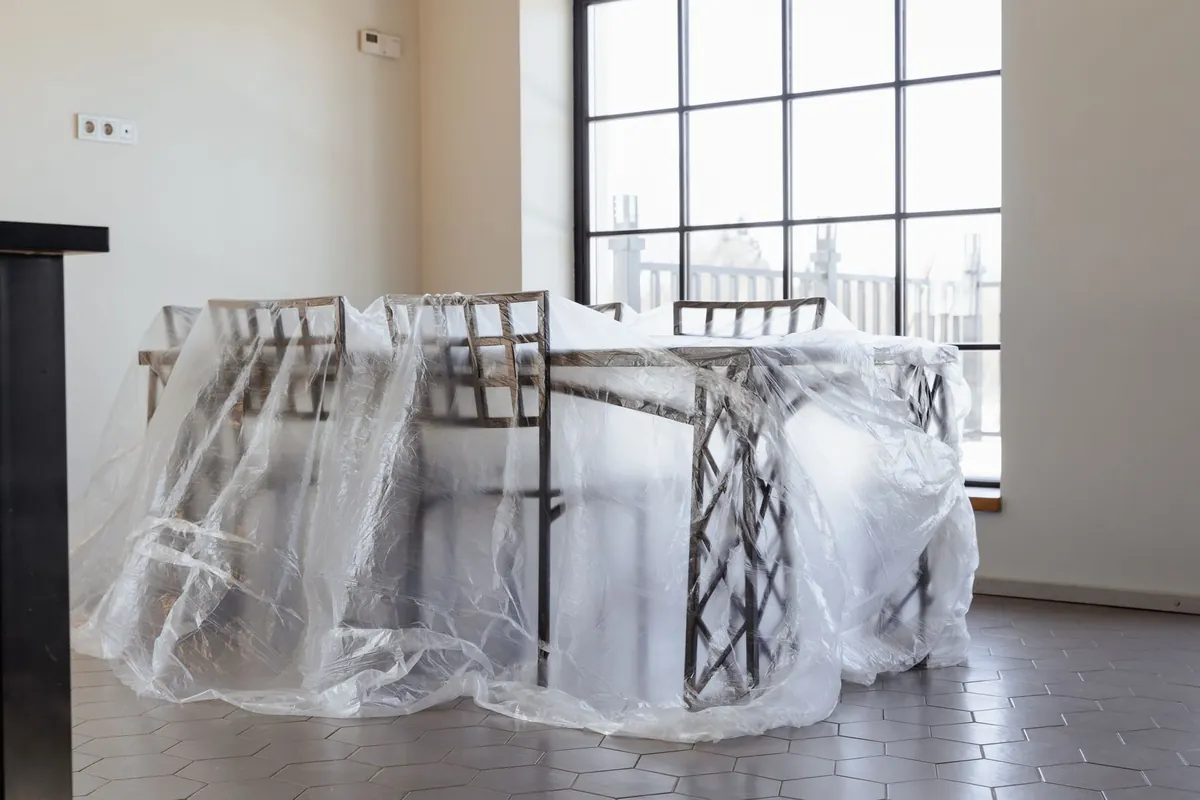
Biohazard remediation is the controlled removal of biological contamination, followed by cleaning, disinfection, waste disposal and odor treatment so an affected space can return to use.
A substance is a biological hazard when it may expose people to toxins or harmful microorganisms. Around a property, possible examples are material affected by infectious illness, animal waste, sewage, human waste, bodily fluids and blood. Contamination may penetrate unfinished wood, carpet, padding, drywall seams or another hidden area, which makes this work unlike regular cleaning.
Finding the entire contaminated area comes before containment, removal, cleaning, disinfection and possible odor treatment. For a surface that can be cleaned, an EPA-registered disinfectant must remain for the contact time stated on the label. Porous items are removed, packaged and disposed of under state rules if full disinfection is not possible. Source removal must happen before odor control.

Before anything is relocated, point out important papers and keepsakes. Sort all items into three categories: unaffected, cleanable and unable to be cleaned.
Unmarked vehicles are used when crews arrive. Find out how access, vehicle placement and materials will be managed in shared areas around neighbors, staff or tenants.
A defined scope, photos, bills and waste documentation can support your explanation of the loss and finished cleanup to the property manager, landlord or adjuster.
The biohazard remediation company should clarify where contamination exists, which materials can be cleaned, what might come out and which repairs are separate. Ask biohazard remediation companies which cleanup technicians go into the affected zone and who defines the project scope.
You may need biohazard remediation when biological contamination has absorbed into porous material, moved beyond one small surface that can be cleaned or may be dangerous to touch. Do not enter while law enforcement or emergency responders remain active. Wait until they release the area. The scope is then set for that specific situation. Common examples are:
Bodily fluids or blood may spread into upholstery, under floors and behind baseboards. The affected area can reach beyond the mark that is visible.
Hoarding conditions may include human waste, animal waste, spoiled food, sharps and contaminated personal property that need controlled removal.
Sewage falls within Category 3 black water. Work may include taking out wet porous material and drying surrounding areas after surfaces suitable for cleaning are disinfected.
Offices, rentals, stores and shared buildings may need specialized cleaning services and careful sequencing to keep people outside the work area. Repairs to flooring, walls or fixtures may follow remediation through separate restoration services.
Before doing anything else, block access to the affected area. A few basic actions help you avoid exposure and reduce the chance of carrying contamination into unaffected rooms:
Call (888) 351-0904Biohazard cleanup guide prices vary widely since each affected space has a different scope. Fixr says typical national costs range from $3,000 to $5,000. The residential average range from Yelp is $1,800 to $4,500. Aftermath shows a larger span in its biohazard cleanup pricing guide, from $1,000 to $15,000. An assessment must establish the actual scope.
These ranges come from published national cost guides, not from a site visit. The price for your property is set after the on-site assessment, and you hear it before work starts.
Ask about cost: (888) 351-0904Insurance may cover biohazard remediation if your policy covers the event that caused the loss. Since exclusions, deductibles and coverage differ, payment on your claim can be confirmed only by the insurance company. It may ask you for photographs, disposal records and a scope.
Victims of violent crime can ask the Illinois Attorney General's Crime Victim Services Division whether cleanup costs can be included in a compensation claim. Insurance is usually checked first.
Ask about your deductible, limits, exclusions, required documentation and whether repairs are treated separately from biological cleanup. Write down the claim number and the adjuster's contact details.
Check the relevant building and liability coverage when you own a business or property. Gathering waste records, invoices, cleanup scope details and photos for the claim can be part of insurance assistance.
Report the cause of the contamination, not just the cleanup need. Ask if disinfection, material removal, repairs and odor treatment are included under coverage for the loss.
Assessment comes first in the biohazard remediation process. Containment, removal and detailed cleaning follow before a final check. Each stage stays inside the agreed scope and reduces contact or cross-contamination. The sequence is important because material that is not cleanable has to be removed rather than merely disinfected.
The assessment includes involved rooms, surrounding surfaces and routes used for movement. The scope records what appears cleanable, what may need removal and what areas need protection.
The work area is separated from clean space with barriers. Trained technicians match personal protective equipment to the exposure and control travel from one zone to another.
Visible material and sharps are collected before surface work begins. Sharps are secured in containers that resist punctures, and porous affected contents are packed separately.
When contamination penetrates materials that cannot be completely disinfected, removal can include carpet, padding, insulation, drywall, upholstered contents or subfloor sections.
An EPA-registered disinfectant treats the remaining surfaces once cleaning has removed the soil. The surface stays wet for the contact time stated on the product label.
Work on odor starts once all contaminated sources have been removed. Selection of HEPA filtration or other treatments may depend on the material, room and how the space is occupied.
Removed items go to a suitable medical or hazardous waste stream after sealing and any required labeling. Documentation may show which materials were removed from the property.
The work area receives a final check against the established scope. Before other finishes, floors or drywall receive separate repairs, photos and remediation records can help document an insurance file.

Phone support stays available. Your biohazard remediation specialist answers the phone, describes what happens next and works with you on a start time.
Biological contamination can seriously risk your health through a splash, skin exposure, a sharp object or transfer on tools, hands and shoes.
Your loved ones and you may have difficulty facing an injury, death or major property event. You do not need to stay in the affected area while trained professionals document the scene and explain the decisions involved.
Applicable material and location rules must guide the separation, packaging and movement of sharps, porous contamination and other waste.
Fluids may travel under baseboards, absorb into unfinished wood, and pass through carpeting into the padding or subfloor. Material below or beyond the visible surface can remain after limited cleaning.
When a small blood spill is safe to clean yourself. For a small amount of blood confined to non-absorbent hard material, restrict the area, wear single-use gloves and leave an EPA-registered disinfectant on for the label's stated contact time. Seek professional cleanup when contamination reaches carpet, fabric, unfinished wood or drywall, involves sharps or sewage, or extends beyond an area you can clearly define.
Non-porous materials can often stay when every affected surface can be reached, cleaned and disinfected. Absorbent materials may need removal when contamination has entered beneath the surface.

Biohazard remediation has no single standard duration. The time depends on the contaminant, how far it traveled, the materials affected, drying or contact-time requirements, waste volume and whether hidden areas must be opened.
| Scene | Typical time on site |
|---|---|
| Limited surface contamination | When visible edges define the area and surfaces are non-porous, the work is shorter |
| One room or several rooms containing porous materials | Longer when carpet, drywall, furniture or subfloor needs controlled removal |
| Complex or hidden contamination | Containment, property access, drying, testing and odor work can add time |
To control odor from a biohazard, first identify and remove its contaminated source. Neither fragrance nor a spray applied to the surface can correct affected room contents, hidden wall waste or fluid that reached beneath flooring.
After source removal and cleaning, HEPA air scrubbers can capture airborne particles. Other odor treatments may be used when appropriate for the space, but the method should not replace removal and disinfection. A cleaning service that masks odor without source removal does not complete remediation. Vents, adjoining rooms and paths used during the event are checked so contamination is not left in surrounding areas.

Biohazard remediation has no single standard duration. The time depends on the contaminant, how far it traveled, the materials affected, drying or contact-time requirements, waste volume and whether hidden areas must be opened.
The full biohazard remediation guide covers what is cleaned or removed, odor and air quality work, and the rules that apply in Illinois and Cook County.
Read the full biohazard remediation guidePlanning for access, containment and cleanup can depend on local population, housing and entry conditions.
the area is listed about 0.3 miles from Saint Anthony Hospital, a relevant distance when prompt evaluation follows a biohazard exposure.
Urgent medical evaluation can be sought at Saint Anthony Hospital, listed 0.3 miles away, with Mt Sinai Hospital Medical Center shown as an additional facility.
The nearby places of South Lawndale, Crawford, and K-Town Historic District give useful orientation when arranging equipment delivery and waste pickup.
The Cook County location helps orient travel, while the neighborhood and full address identify where private cleanup work actually occurs.
Ask on the call about cleanup options for neighboring communities and ZIP codes.
Blood, body fluids and other infectious materials are removed, followed by property disinfection.
See biohazard cleanup
Full decontamination of rooms, surfaces and air after infectious or hazardous exposure.
See biohazard decontamination
Carpet, solid floors, walls and furnishings receive blood cleanup that includes safe disposal.
See blood cleanup
Cleanup controls the risk of blood exposure involving HIV, hepatitis C and hepatitis B.
See bloodborne pathogen cleanup
Across care settings, commercial spaces and homes, bodily fluid cleanup includes disinfection.
See bodily fluid cleanup
Crime scene cleaning begins after police release and covers blood, odor and the affected property.
See crime scene cleanup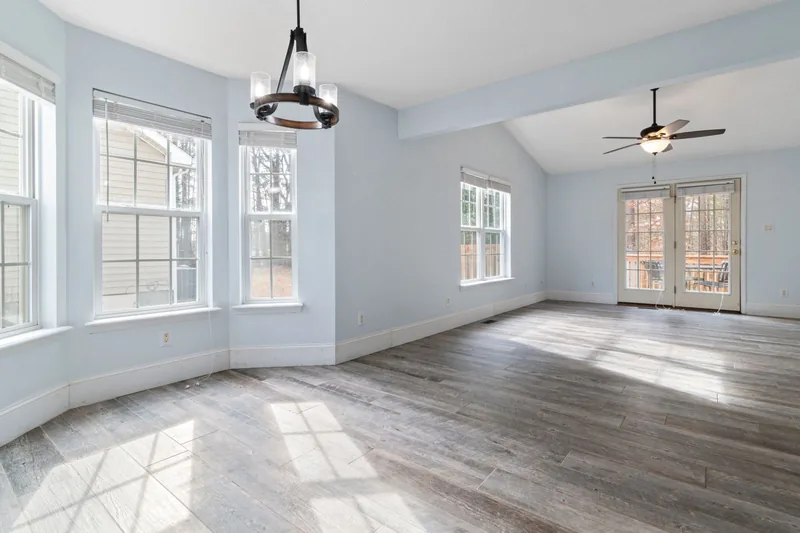
When a death remains undiscovered for days, cleanup addresses decomposition and controls odors.
See unattended death cleanup
Sewage cleanup removes Category 3 black water from raw sewage, then disinfects and dries the area.
See raw sewage cleanupStart by keeping people and pets away. Leave the substance alone without sweeping or vacuuming. Barriers and personal protective equipment can be combined with sharps control, porous-material removal, surface cleaning, disinfection, safe waste packaging and controls against transfer on footwear or tools.
You may manage a few newly spilled drops on a non-porous, hard surface with disposable gloves while using an EPA-registered disinfectant exactly per its label. Get professional assistance when sewage or sharps are involved, porous materials are reached, spread continues past visible borders, the source is unknown or cleaning could expose you.
No. Tear gas and pepper spray leave chemical irritant residue, while biohazard remediation focuses on blood, bodily fluids, sewage and other biological contamination. For chemical contamination, hazardous materials remediation, or hazmat remediation, might be necessary. Vehicle biohazard remediation applies the biological process inside a vehicle. Sewage remediation differs from mold remediation, though wet material following a backup can develop mold.
Cleaning and disinfection may be possible for hard, sealed furnishings when workers can reach the entire affected surface. Absorbent or upholstered belongings might require removal when contamination soaks into their material. You may examine keepsakes, documents and photographs so they can be separated from the work zone before decisions about disposal.
A biological hazard is material that may expose people to harmful microorganisms or toxins. Examples inside buildings include bodily fluids, blood, sewage, human or animal waste and certain infectious-disease contamination. Risk changes according to what the material is, how exposure can occur, the surface involved and how far it traveled.
Figures differ greatly among published guides. Fixr's typical national range is $3,000 to $5,000, compared with Yelp's residential average range of $1,800 to $4,500. Actual scope is shaped by contaminant type, area size, affected materials, waste disposal needs and testing performed after cleaning.
Respectful, discreet biohazard remediation is available 24 hours a day, and crews arrive in unmarked vehicles.