
Commercial and Industrial Biohazard Cleanup
Commercial and industrial sites receive biohazard cleanup with minimal downtime.
See commercial and industrial biohazard cleanupGet blood, bodily fluids, sharps and contaminated materials removed from an office, store, warehouse or shared workplace in Little India. The affected space stays controlled while cleanable surfaces are treated and unsafe porous materials are removed.
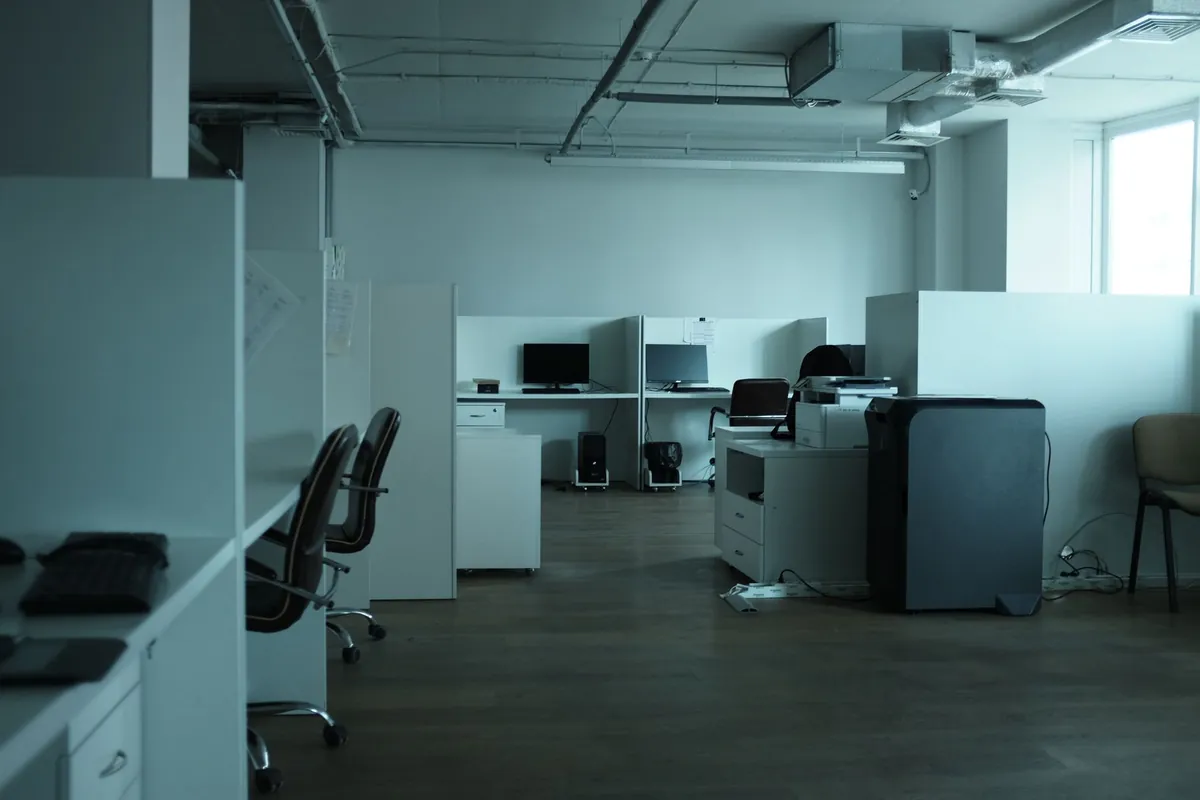
Workplace and office biohazard cleanup means safely controlling, removing, cleaning and disinfecting contamination from blood, bodily fluids or sharps following an accident, illness, injury or another on-the-job exposure.
More is required than routine janitorial cleaning. The process finds the affected area and controls who enters it, then removes anything unsuitable for disinfection. An appropriate product stays on treatable surfaces through the complete contact time. Waste is then prepared and packaged for legal disposal, followed by an inspection before reopening.
The location of an incident may not be the only place affected by a workplace biohazard. Material can travel into adjacent areas on footwear, cleaning tools or wheels from carts. A careful assessment tracks each route while distinguishing visible soil from furniture, personal items and building materials needing further inspection.
Waste documents, job details and photos are put in order for facility files, property owners or the insurance company.
To support privacy, crews use unmarked vehicles and can screen the affected area from employees, customers and adjacent tenants.
You are consulted before decisions about isolated electronics, personal items and documents when doing so does not create a safety issue. With clear decisions, you may move forward while facing less uncertainty.
Selecting the right team begins with straightforward information. You receive an explanation in advance of the cleaning scope, possible removals and spaces that cannot yet reopen.
Office biohazard cleaning is suitable if routine cleaning could bring employees into contact with sharps, bodily fluids or contaminated materials. Common examples at work include:
An employee or visitor is injured and blood reaches flooring, furniture, walls or items in a shared work area.
Following an accident, machinery, warehouse floors, steps or porous building materials are affected by blood or other fluids.
Someone finds discarded sharp objects or needles around a loading space, employee area, parking lot or restroom.
Under a facility response plan, a confirmed illness or exposure requires focused cleaning in shared areas and on touched surfaces.
Think first about everyone's safety, not the affected room or timing of cleanup. Start with the following actions after consulting the workplace emergency response plan:
Call (888) 351-0904No dependable published range is available only for workplace and office biohazard cleanup. Typical figures in general biohazard cleanup guides are $1,800 to $4,500 and $3,000 to $5,000 for each job. These are comparison figures rather than a quote for a workplace. Costs may be very different for a minor hard-surface event and for contamination involving several rooms, equipment, walls or carpet. Assessing the work itself determines the final price.
The figures shown are national ranges from published cost guides and are not based on an on-site visit. An on-site assessment determines your property's price, which is explained to you before the cleanup starts.
Ask about cost: (888) 351-0904Some office biohazard cleanup may be covered by insurance. Coverage depends on what caused the event, along with the commercial policy, lease terms, deductible and exclusions.
Employee medical care and property cleanup are separate issues. Complete your workplace injury steps and have the appropriate insurance company explain how to report both matters.
To determine whether property coverage applies, insurance companies may request information about the cause and resulting contamination. Keep a record of the claim number along with the adjuster's document requests.
A claim may be supported by photographs, waste documents and a detailed scope. Find out if the claim considers repairs, restoration services and cleanup as distinct parts. If disposal can safely wait, ask about policy requirements before throwing affected material away.
For private suites, lobbies, parking spaces and shared restrooms, the lease may place cleanup obligations on different parties. Notify the property manager before work begins when access or building systems are involved.
Each stage of office biohazard cleanup follows an organized, controlled order. The work isolates affected areas, removes the source and records both cleaning and removal before anyone reopens the room.
Cleanup technicians assess the event location, potential tracking paths, surfaces, personal property and any spaces that cannot reopen yet.
Signs and physical barriers prevent access. Exposure-specific protective gear is part of how the right team approaches the work.
Before cleaning begins, disposable items and visible material are removed so they are not spread across office areas. Contamination left behind may spread onto surfaces close by.
Cleanup involves removing carpet pad, upholstery, ceiling tile, drywall or unfinished wood when contamination cannot be fully reached and treated.
During biohazard cleaning services, hard surfaces are washed first and treated with an EPA-registered disinfectant for its complete labeled contact time.
Source removal happens before other work. Air scrubbers and an appropriate odor process may follow if the incident affected soft materials or the indoor air.
Sharps and other regulated waste are sealed in the correct containers and moved under the rules that apply in the state.
Normal use resumes only after every step has been reviewed. The entire process is recorded in photos and waste documents, with repair needs identified.

You can call anytime. A specialist in office and workplace biohazard cleanup takes your call, walks you through the process and confirms when work can start.
Workplace biological hazards may pose serious health risks through contact with contaminated surfaces, a puncture from a sharp or material tracked outside the initial area.
Coworkers may find an injury or traumatic incident distressing. Limiting access protects privacy and lets staff avoid seeing or entering the affected space.
Blood can contain HIV, hepatitis C or hepatitis B. Hepatitis B can remain on surfaces for at least seven days, the CDC says, making cautious treatment necessary even for dry blood.
Fluid may soak past carpet into its pad, move through gaps beside baseboards or spread onto adjacent floors. Wiping the visible mark may leave contamination behind.
When a small blood spill is safe to clean yourself. A designated worker should clean a very small spill from a hard, non-porous surface only when training, protective equipment and the workplace plan include the task. Never have untrained employees clean spills involving upholstery, carpeting, raw wood, wall cavities or spaces containing sharps.
Non-porous surfaces that can be cleaned are often kept. If fluid has penetrated porous material beyond the full reach of cleaning, that material is removed.

Several hours may be enough for a limited hard-surface cleanup, while one or more days may be needed when multiple rooms, furniture, carpet or wall material is affected. Repair work, building access, medical care and release by law enforcement can delay the office's full reopening.
| Scene | Typical time on site |
|---|---|
| Small hard-surface workplace area | Often several hours after safe access is available |
| A single office space containing porous surfaces | Often one to two workdays |
| Several areas or structural removal | Often several days, plus any repairs |
To remove an office odor, first locate and eliminate what is causing it. Fluid trapped inside furnishings, under carpeting or beyond a baseboard cannot be corrected with fragrance and a surface spray. Clean or take out the affected material before treating the air.
Following removal of the source, a HEPA air scrubber can help collect airborne particles. Other methods may be selected according to the room and type of odor. Check surrounding air returns and ventilation covers if odors reached beyond the original area. The process needs to keep occupied portions of the building apart from the cleanup space.

Several hours may be enough for a limited hard-surface cleanup, while one or more days may be needed when multiple rooms, furniture, carpet or wall material is affected. Repair work, building access, medical care and release by law enforcement can delay the office's full reopening.
The full office and workplace biohazard cleanup guide covers what is cleaned or removed, odor and air quality work, and the rules that apply in Illinois and Cook County.
Read the full office and workplace biohazard cleanup guideLocal housing, population and access details can shape containment, access and cleanup planning.
The nearest listed emergency facility is Swedish Hospital, about 1.9 miles away, so medical care remains separate from property cleanup.
The hospital list for Little India starts with Swedish Hospital around 1.9 miles away and includes Saint Francis Hospital-Evanston as another option.
The surrounding area includes West Ridge, Peterson Park, and Arcadia Terrace, so cleanup travel may cross several local streets or municipal boundaries.
As a Chicago neighborhood, Little India may include several building styles, so cleanup planning should start with the exact property type.
Ask on the call about cleanup options for neighboring communities and ZIP codes.
Commercial and industrial sites receive biohazard cleanup with minimal downtime.
See commercial and industrial biohazard cleanup
Large or small, every fresh or dried blood spill is covered by blood spill cleanup.
See blood spill cleanup
Cleanup controls the risk of blood exposure involving HIV, hepatitis C and hepatitis B.
See bloodborne pathogen cleanup
Across care settings, commercial spaces and homes, bodily fluid cleanup includes disinfection.
See bodily fluid cleanup
Disinfection for infectious disease uses EPA-registered products with complete coverage of surfaces.
See infectious disease disinfection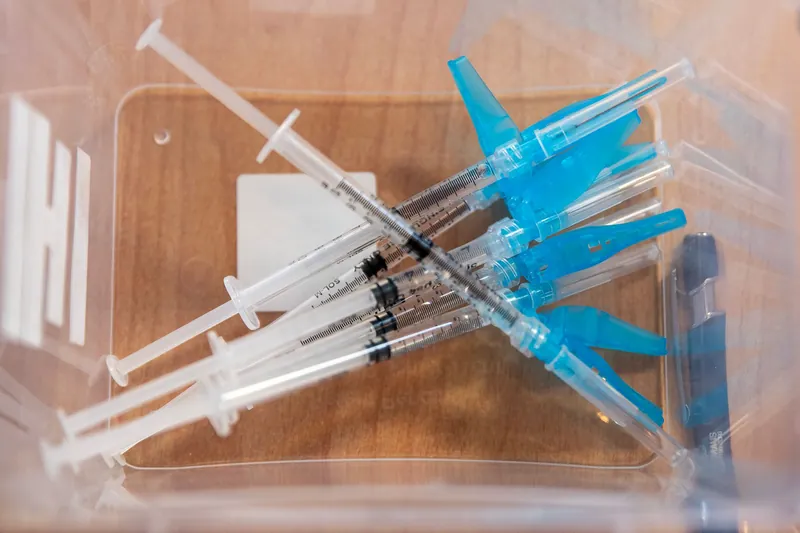
Needle and sharps cleanup for yards, rentals, parks and encampments.
See needle and sharps cleanup
Biohazard waste is collected in labeled, sealed containers and taken for disposal.
See biohazard waste disposal
In public spaces, homes and workplaces, injury and accident scene cleanup addresses the area.
See accident and injury scene cleanupTypical hazards include injury-related blood, human waste or vomit in common spaces, abandoned needles, and materials affected by an accident or illness. Hazards may extend beyond the contamination you can see. Areas of concern can include carpet padding, gaps in furniture, work tools and paths people walked nearby.
Staff should not enter the area under cleanup controls. Without other employees present, an authorized contact or manager can coordinate entry, describe what happened and approve the work scope. Whether the rest of the workplace remains open depends on containment, shared ventilation, access routes and business safety procedures.
Assist anyone who is injured, and contact emergency services when necessary. Keep others away, follow the workplace exposure plan and do not ask an untrained employee to clean the spill. If police or an investigator controls the area, wait for release. Submit an incident report according to your workplace procedure.
Do not reopen the affected area before removing the source, completing required cleaning and disinfection, and securing all unsafe materials. One room may reopen before another if containment keeps them separate. How long closure lasts reflects the incident, materials involved, investigation, drying process and repair requirements.
Assessment covers the carpet, underlying pad and floor beneath both. Once liquid moves through fibers, a surface treatment may not reach it. Contamination in the pad, floor below or seams can require removal of a contained portion. Check surrounding furnishings and the paths people used for walking.
The cause, commercial property coverage, lease, policy exclusions and deductible all affect whether insurance may apply. Notify the insurer promptly, then find out if repairs, affected contents and cleanup fall into separate categories. Retain the photographs, invoices, work details and waste records the insurer asks for.
Discreet, respectful office and workplace biohazard cleanup, 24 hours a day, with crews in unmarked vehicles.