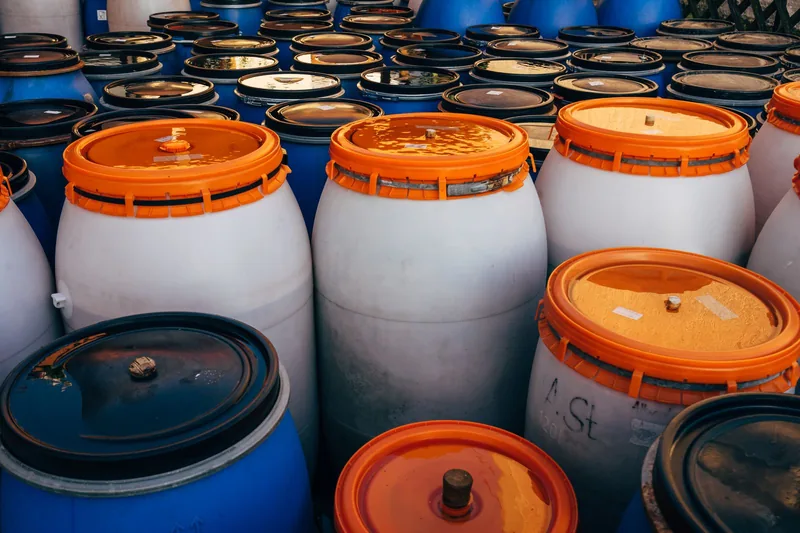
Hazmat Cleanup
Protective equipment suited to hazardous materials is used during hazmat cleanup.
See hazmat cleanupGet help with chemical spills, toxic residue, damaged containers and contaminated materials in Lake Station. The substance is identified before the cleanup method, packaging and waste route are chosen.

Chemical and toxic waste cleanup is the controlled removal of spilled products, residues, damaged containers and materials that became contaminated, followed by surface cleaning and proper waste disposal.
First, the material present must be identified. Information may come from its product label, a safety data sheet, shipping paperwork or a report by emergency responders. That identity determines the approach, since a technique suitable for one chemical could react with a different one. Never touch an unknown liquid or powder, lean in to smell it, or combine it with cleaning products. Every part of cleanup must be based on the identified substance's hazards.
Homes and garages may need chemical cleaning services, as may rental properties, cars, workshops, warehouses and commercial spaces. The work defines both the contaminated zone and nearby space, selects suitable protective equipment, prevents residue from traveling and sorts items that can be cleaned from waste requiring hazardous disposal. If bodily fluids, animal waste or another biohazard is found, the appropriate team treats that contamination through a separate biohazard remediation process.
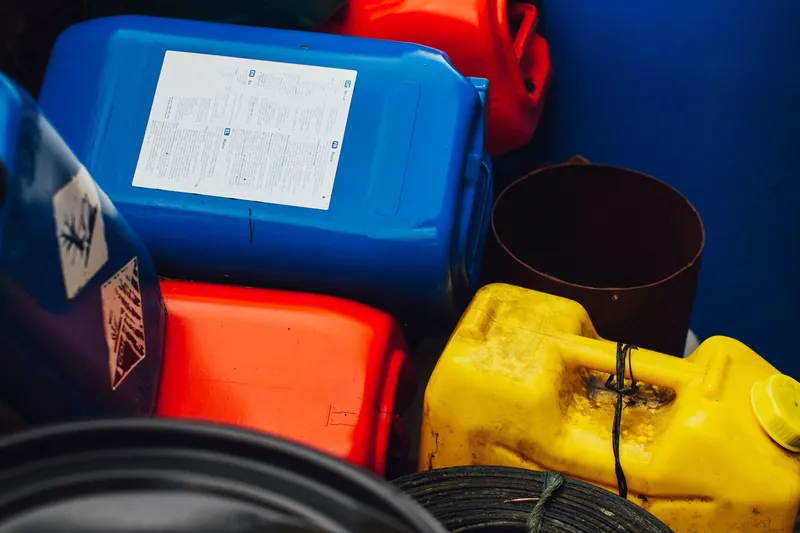
Daytime and nighttime calls are answered, with arriving crews using discreet, unmarked vehicles. Before anyone plans entry, you can describe the substance, location and urgent concern.
Belongings are sorted according to material and contamination. Treatment is chosen by item so personal property is not subjected to one chemical method that might cause further harm.
Photos, the work scope and available waste records can be organized for property owners, insurance companies and other responsible parties. Restoration services can use the documentation to see which materials were taken out prior to repairs.
You receive an explanation of known details, unanswered identification questions and why each suggested containment, cleaning or removal action is necessary before approving progress.
When contamination extends beyond a small surface you can clean, professional cleanup may be appropriate. The same applies if fumes or reactions are possible, the substance is unknown, or its label warns against regular disposal. Each plan is shaped by the affected surfaces and the specific material. Typical situations include:
A process spill or damaged container can call for restricted entry, documentation and coordination with whoever manages safety at work.
Sorting mixed waste and old containers must be done without opening bottles or drums, pouring contents or combining materials.
A leak involving cleaners, pesticides, fuels, workshop supplies or pool products may reach cabinetry, flooring and belongings close by.
A property can contain chemicals with animal waste, bodily fluids, needles, feces or urine. Each risk calls for a separate cleaning process that is safe.
Your immediate priorities are limiting exposure and stopping residue from being carried beyond the affected space. From a safe distance, take only these steps:
Call (888) 351-0904Project cost data publishes just one hazardous chemical amount, $30 to $50 per barrel. The figure guides disposal costs and does not represent the full cleanup charge. An assessment of the material and all affected areas is needed because identification, labor, containment, transport, packaging and removal of surfaces influence the final scope.
The figures shown are national ranges from published cost guides and are not based on an on-site visit. The price for your property is set after the on-site assessment, and you hear it before work starts.
Ask about cost: (888) 351-0904Coverage is determined by your policy, the reason for the chemical release and the person who owned or controlled the substance. Assistance with an insurance claim may include arranging the work scope, receipts and photos, although only the insurer makes the coverage decision. Notify the company quickly and find out which documents it requires.
Each business policy differs. After reporting the event, the business or property owner should keep relevant records and labels and confirm whether environmental work and damaged items are covered.
The owner, tenant, employer, contractor or person who brought the substance onto the property may be involved. Policy terms, a work agreement and the lease may determine who must pay.
Renters and homeowners coverage may distinguish certain abrupt spills from slow leaks, pollutants excluded by the policy and improper storage. Confirm how the event happened before approving work that is not urgent.
Ask whether chemical cleanup, hazardous waste disposal, testing, contents and restoration are covered, what deductible applies and which photos, reports and receipts are required.
Chemical remediation varies by material. Instead of applying one method to all substances, trained professionals use known hazard details and information about the location and product to set the sequence. A usual chemical cleaning process includes:
Technicians examine labels, safety data and site information, then map the affected area and surrounding areas before disturbing anything.
Access is limited and a controlled work zone is set so shoes, tools and moving air do not carry residue elsewhere.
The known hazard and planned task determine the choice of gloves, protective garments, eye protection and respiratory equipment.
Salvageable powders, liquids and broken containers go into compatible sealed packaging, while incompatible substances remain separate.
When thorough, safe cleaning is not possible, absorbent materials such as drywall, insulation, carpet, padding or vehicle trim are taken out.
The chemical, hard surface and manufacturer's directions determine which compatible cleaning method is used.
Each waste package receives a label and is routed to an appropriate location under relevant rules for that material.
Technicians inspect the work zone for leftover residue, smells and contamination carried outside it, then arrange cleanup and waste documents for you.

You can call anytime. A specialist in chemical and toxic waste cleanup takes your call, walks you through the process and confirms when work can start.
Chemical exposure can create risks for your skin and eyes, your ability to breathe, and your nervous system. Safe precautions depend on identifying the material and understanding its concentration.
Absorbent materials such as carpet, unfinished wood, padding, upholstery and drywall can take in chemicals. Surface wiping may leave chemical residue below the material.
Chemical material can splash in liquid or powder form, or travel as residue on tools, gloves and shoes. Product documentation should direct decontamination measures and the selection of protective equipment.
Pouring a chemical into a drain, combining containers or placing hazardous waste in ordinary trash can spread exposure and create a new reaction.
When a small blood spill is safe to clean yourself. Owner cleanup may fit a limited spill when the material is identified, nobody has symptoms, the label clearly explains cleanup and you are able to obey all safety instructions. Stay outside and get emergency advice or professional cleanup when material is unidentified, reactive, has a strong odor or has entered an absorbent surface.
An item may stay only when its surface, the chemical and the penetration depth allow safe cleaning. The substance is identified first so the decision does not overlook residue below the surface.
At workplaces under its scope, OSHA Hazard Communication Standard 29 CFR 1910.1200 deals with training workers and communicating chemical risks through labels and safety data sheets.
Product labels and safety data sheets describe hazards, incompatible materials, protective measures and response information. They should guide the cleaning process when the product is known.
Applicable waste rules vary with the substance and its place of origin. Chemical waste needs identification prior to disposal or transport because local directions may impose tighter controls than normal garbage rules.
If biological material is present too, apply an EPA-registered disinfectant to a compatible surface and maintain the label's complete contact time. Chemical removal and disinfection serve different purposes.
There is no safe way to set the cleanup time until the chemical, its volume and the area it reached are understood. An accessible hard surface with a known substance is simpler to address than unknown material spread through several rooms or into soil, flooring and wall cavities.
The full chemical and toxic waste cleanup guide covers what is cleaned or removed, odor and air quality work, and the rules that apply in Indiana and Lake County.
Read the full chemical and toxic waste cleanup guideLocal population patterns, housing and site access may affect how containment and cleanup are planned.
In an area with 28.0% renter occupancy, direct homeowner approval can simplify choices about opening walls or replacing affected finishes.
The median home in Lake Station was built in 1965, so cleanup may involve common drywall, carpet, and sheet flooring assemblies.
In Lake Station, 460 older adults live alone, so relatives may need clear photos and records when managing cleanup from afar.
Detached and single-family properties account for 82.8% locally, so exterior access and safe waste movement should be planned early.
Ask on the call about cleanup options for neighboring communities and ZIP codes.
Protective equipment suited to hazardous materials is used during hazmat cleanup.
See hazmat cleanup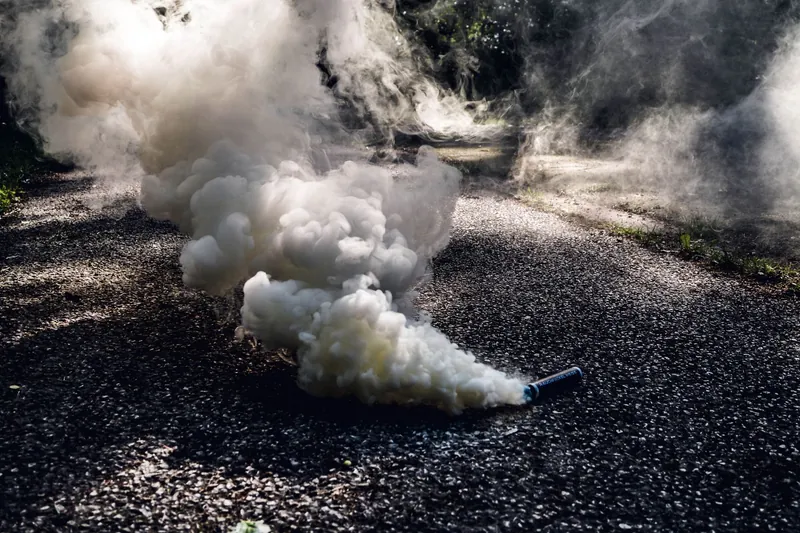
Tear gas and pepper spray residue cleanup after police or self-defense use.
See tear gas and pepper spray cleanup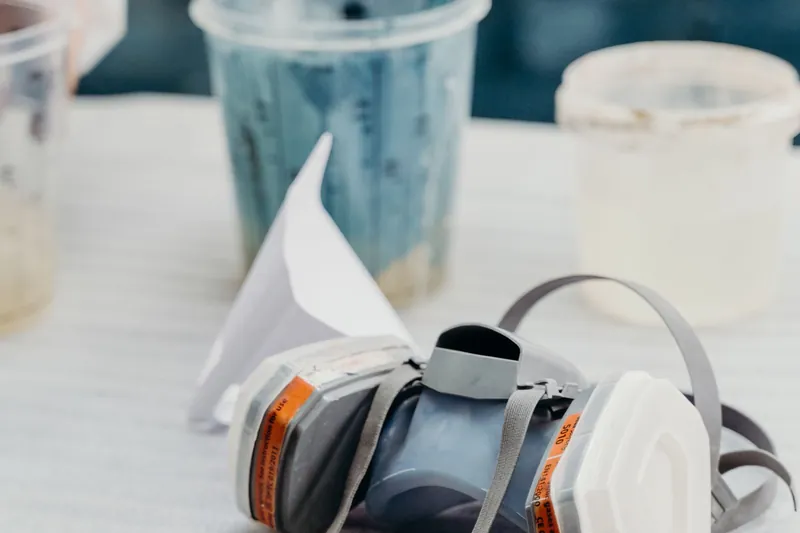
Residue tests, decontamination and clearance procedures are all part of meth lab cleanup.
See meth lab cleanup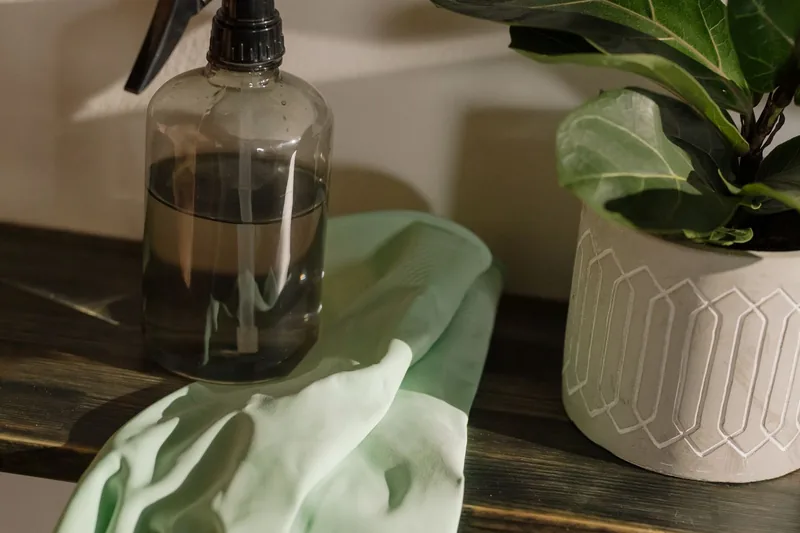
Rooms, vehicles and exposed surfaces receive decontamination following fentanyl exposure.
See fentanyl decontamination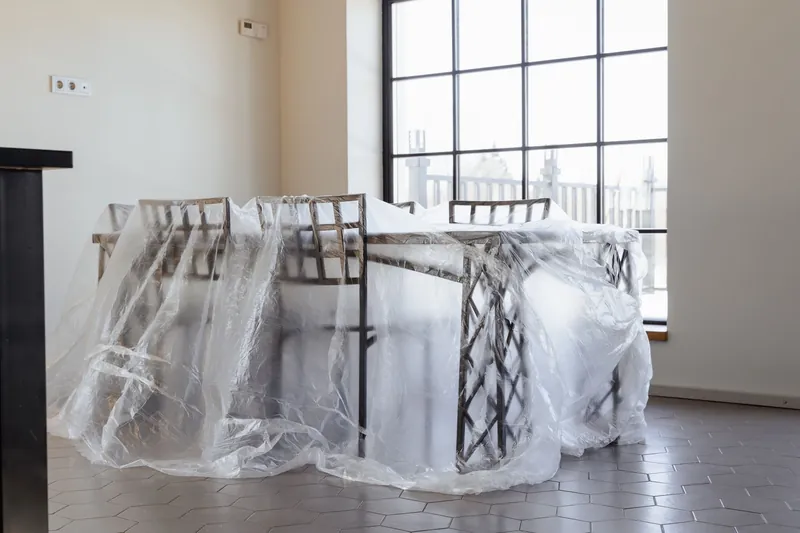
Indoor growing can leave chemicals, mold and property damage that grow house cleanup removes.
See marijuana grow house cleanup
Medical waste removal includes disposal through facilities approved for treatment.
See medical waste removal
Biohazard waste is collected in labeled, sealed containers and taken for disposal.
See biohazard waste disposal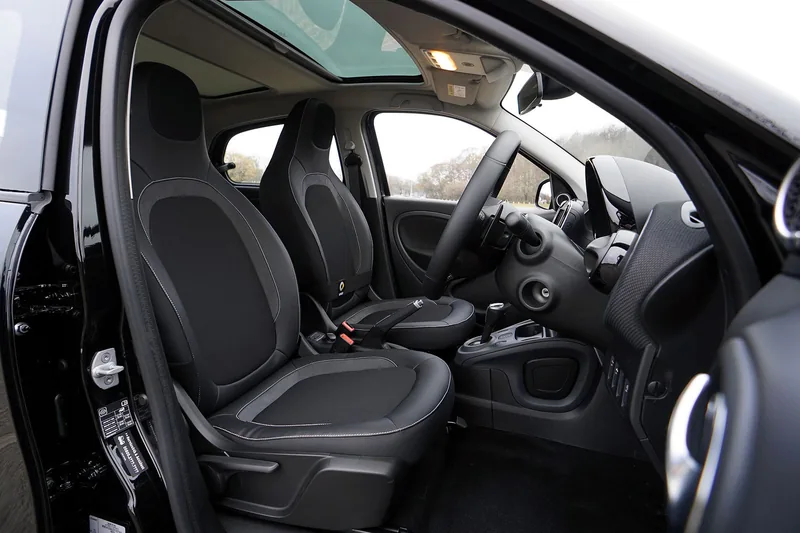
Biohazard cleanup covers vehicles including cars, trucks, recreational vehicles and boats.
See vehicle biohazard cleanupExamples of biological hazards include potentially infectious blood, bodily fluids and specific animal waste. Toxicity, flammability, corrosiveness or reactivity can make a substance a chemical hazard. Both hazards can occur together. The distinction affects protective gear, cleaning products, packaging and waste disposal, so identification is an important first step.
Human waste should be treated as biological contamination rather than only as a toxic chemical. Disturbing dried waste can release contaminated dust, while heavy accumulated waste may also create irritating odors and poor air quality. Keep different cleaners from mixing on feces. Stay away, ventilate only if safe and get urgent help for difficult breathing.
The term may refer to car contamination involving hazardous chemicals, bodily fluids or the two together. The wording neither names the material nor confirms how much damage occurred. Request cleanup and incident documentation before you purchase or use the vehicle, and arrange evaluation of impacted trim, carpet, padding and air passages.
Do not attempt to dissolve fecal matter with chemicals. First remove solids while wearing proper protective equipment, then clean compatible surfaces and apply disinfectant. Do not combine bleach and ammonia or any additional cleaning products. Choose professional cleanup when waste covers a large area, has dried, includes chemicals or has penetrated wallboard and flooring.
Some biohazard cleanup teams also perform chemical cleanup, but the job depends on the substance, amount and required protective equipment. Directly confirm whether the specific substance and property category can be addressed. A cleanup service should enter only after emergency response has addressed any active chemical release with illness, fire, reaction or fumes.
Waste must be identified and isolated from incompatible material before it is sealed in an appropriate container with a label describing the contents. Choosing the right disposal and transport path requires knowing the waste category and governing requirements. To understand what departed your property and where it was sent, ask to receive the available waste paperwork.
Respectful, discreet chemical and toxic waste cleanup is available 24 hours a day, and crews arrive in unmarked vehicles.