Unattended Death Cleanup
When a death remains undiscovered for days, cleanup addresses decomposition and controls odors.
See unattended death cleanupGet decomposition fluids, affected flooring, furnishings and odor treated with care in Kouts. Source removal comes first because air treatment alone cannot correct absorbed contamination.
Decomposition cleanup means cleaning and disinfecting an area after a person dies, along with removing affected porous materials, residue and fluids. Treatment for odor that remains comes afterward.
Cleanup may become necessary if a person is not discovered promptly and fluids reach furnishings, the floor or the structure underneath. Before any cleaning, police, the medical examiner and emergency personnel complete their work. The property must then be released to you or its responsible party.
In practice, decomposition cleanup involves work beyond a stain on the surface. A fluid path can extend beneath baseboards, into subfloor, along seams of sheet flooring and through carpet or its pad. Careful assessment maps that reach. Cleanable materials are kept whenever possible. Items that cannot be fully treated must be taken out, securely sealed and managed according to the waste rules that apply.
The right team explains which materials can stay, which need removal and why each step belongs in the scope before work begins.
Insurance companies can examine the photos and itemized scope. For restoration services, waste records document what was left behind and support your next steps as you move forward.
You can decide about photos, documents and treasured items from loved ones when their condition allows safe sorting.
Calls are answered day and night, and crews arrive in unmarked vehicles to protect your privacy during a sensitive time.
Decomposition cleaning services are needed when fluids or odor remain after a death and ordinary household cleaning cannot reach all affected materials. Every situation is different, but common needs include:
Fluid can pass through gaps and joints in tile, vinyl, laminate or wood to reach subfloor or adhesive.
Odor remains after the room is emptied because affected material is still present below a floor, behind trim or in another hidden area.
Contamination, odor or unseen damage can affect the area beneath flooring, carpet, a bed frame or a mattress.
The emergency response and all official work must finish before cleanup starts in every situation. If discovery takes time, fluid can travel into the bed, floor or furniture close by.
Start by keeping yourself and surrounding areas safe, and preserve clear records before anyone enters or disturbs the room. The following actions can make assessment easier as well:
Call (888) 351-0904A dedicated range for decomposition cleanup is not included in the available cost source. Unattended death cleanup is the closest published guide and often covers decomposition fluids plus odor. With early discovery, the listed amount runs from $1,500 to $5,000 in the source. When found by about 72 hours, the range changes to $3,000 to $8,000 under that guide. Following one to two weeks, it lists $8,000 to $18,000 for the work. Following three weeks or more, it instead lists $15,000 to $35,000 as the range. Actual pricing depends on the scope found during assessment.
National cost guides that have been published supply these ranges, not a visit to the property. The price for your property is set after the on-site assessment, and you hear it before work starts.
Ask about cost: (888) 351-0904Homeowners, renters or commercial property insurance may cover decomposition cleanup when the death is part of a covered loss, but the insurance company applies the policy language, deductible and circumstances to the decision.
Before taking out damaged material, ask the adjuster what is required if the area can safely wait. The claim decision may be supported by photographs, detailed work scope and waste documentation.
You can ask the Indiana crime victim compensation program whether eligible cleanup costs may be included in a claim. Insurance is usually checked first.
Contact the claims department without delay. Ask the insurer which separate portions of your policy address cleanup, building damage, personal property and restoration afterward.
Property owners commonly coordinate cleanup for rentals, but the situation and applicable policies decide who ultimately pays.
The entire process follows a controlled order so hidden impact is found before cleaning and odor treatment begin. Cleanup technicians consider your property, belongings and privacy at every step.
An inspection covers the impacted room, adjacent spaces and the area underneath. Airflow, furniture, flooring and the edges of walls help determine how far work must extend.
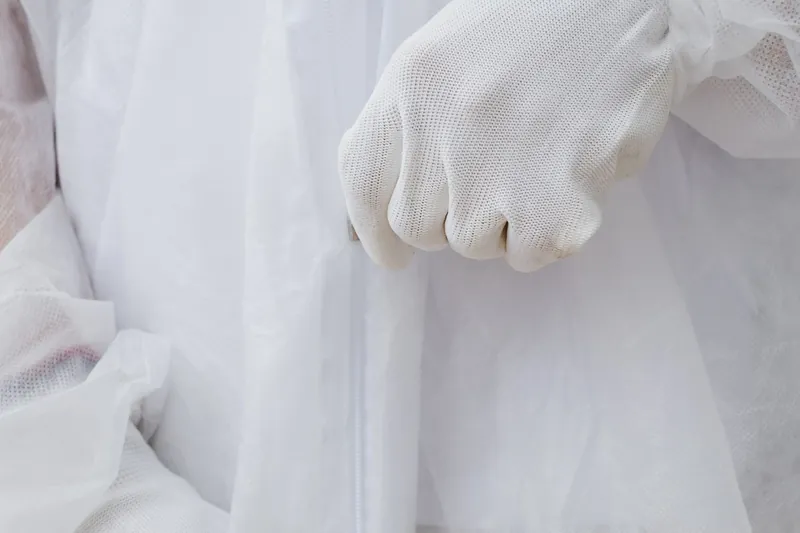
Clean areas remain isolated from the active work space. Workers wear personal protective equipment and establish airflow control when site conditions require it.
Workers collect residue they can see, then carefully uncover absorbent materials to verify how deep and where contamination traveled.
Carpet, pad, upholstery, unfinished wood, drywall or subfloor sections are removed when contamination cannot be reached and treated in place.
Cleaning comes first on remaining solid surfaces, followed by an EPA-registered disinfectant used for its labeled contact time.
Air and surfaces left in place are treated following source removal. Room conditions guide equipment selection, and each device follows its operating instructions.
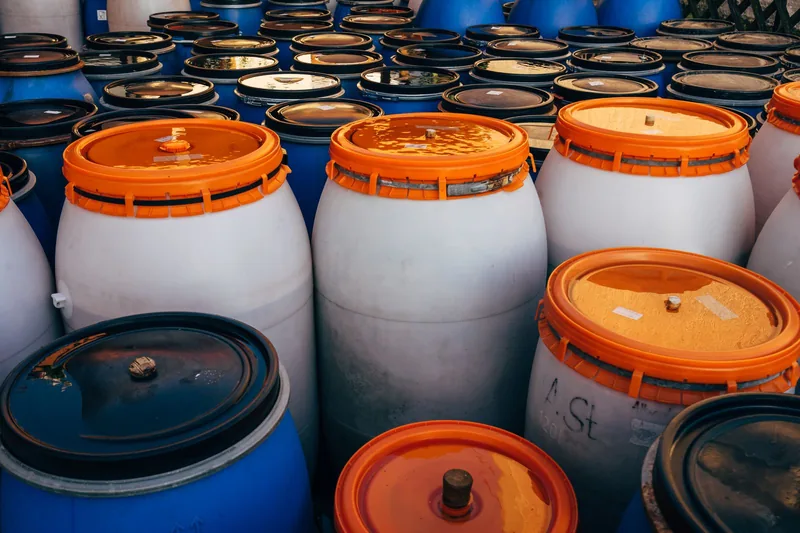
Affected waste is placed in suitable sealed containers and prepared for transport and disposal under the rules that apply to the location.
Records of disposal, project photos and the final scope can be compiled for you and other parties involved with the property.

Call at any time. A specialist in decomposition cleanup takes your call, walks you through the process and confirms when work can start.
Avoid cleaning or entering any area where decomposition fluids are present. Unseen contamination can pose a serious health risk and could require parts of the building to be taken out.
Pathogens may be present in blood and bodily fluids. Dried residue requires caution because the CDC says hepatitis B can live on a surface for at least seven days.
You may care deeply about the person whose space was affected. You can protect yourself from a lasting burden by not taking part in the physical cleaning.
Fluid can travel across furniture and through carpeting, floor seams or baseboard openings. Treating what you can see does not necessarily reach material underneath.
When a small blood spill is safe to clean yourself. Cleaning after decomposition differs greatly from addressing an ordinary minor spill at home. After a death involving residue, fluid or lingering odor, restrict access and have the affected space assessed professionally. Avoid moving a mattress, removing carpet or checking how deep fluids went without hand protection.
Whether material stays depends on access and absorption. It can remain when affected surfaces allow full cleaning and disinfection, while deeply absorbed contamination normally calls for removal.
Decomposition cleanup may take one day for a limited, accessible area or several days when fluids reached flooring, walls, furniture or rooms below. The time cannot be set accurately until the full affected boundary is assessed.
| Scene | Typical time on site |
|---|---|
| Limited area on accessible materials | Often about one day after the assessment |
| One affected room where porous items must be removed | One to three working days is often typical |
| Several affected areas or impact to building materials | May last several days with restoration work afterward |
Decomposition odor removal starts with finding and removing the source. Fragrance, paint and surface sprays cannot correct fluid beneath flooring, inside unfinished wood or within upholstered furniture. If odor returns after airing out the room, another affected material or pathway may still need attention.
Once contaminated material is gone, remaining surfaces are cleaned and disinfected. HEPA-filtered air equipment, controlled ventilation or other odor-treatment equipment may then be used for the specific space. HVAC returns, wall gaps and connected rooms may be checked when odor has traveled. Rebuilding starts only after cleanup and odor work are complete.

Decomposition cleanup may take one day for a limited, accessible area or several days when fluids reached flooring, walls, furniture or rooms below. The time cannot be set accurately until the full affected boundary is assessed.
The full decomposition cleanup guide covers what is cleaned or removed, odor and air quality work, and the rules that apply in Indiana and Porter County.
Read the full decomposition cleanup guideContainment, entry and cleanup plans can be influenced by local housing, population and access details.
The relatively small 14.8% rental share does not change safety needs, but it can make property decisions more direct.
A 1977 median build year points to varied interior finishes, so each affected material needs its own cleaning or removal decision.
When 31.1% of seniors live alone, clear item documentation can help an absent relative make careful decisions about belongings.
Because 88.3% of local housing is single-family, owners often can make direct decisions about removing affected structural materials.
Your phone conversation can include questions about service in nearby ZIP codes and communities.
When a death remains undiscovered for days, cleanup addresses decomposition and controls odors.
See unattended death cleanup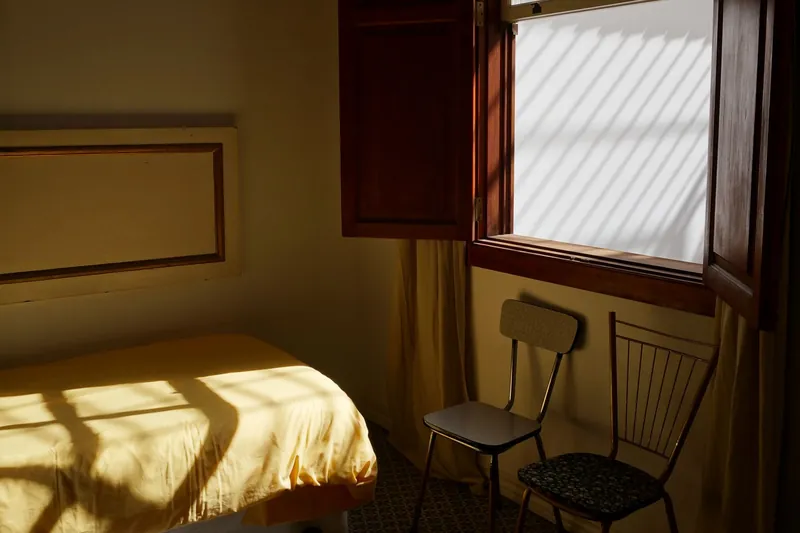
After a person dies at home, cleanup addresses fluids, odors and belongings that were affected.
See death cleanup
After a death is discovered promptly, cleanup is carried out with care for the family home.
See attended death cleanup
At the source, death odor removal uses air scrubbers plus hydroxyl and ozone treatment.
See death odor removal
Biological remediation that removes contamination and returns a space to safe use.
See biohazard remediation
Tissue, fingerprint powder and investigation residue are removed through forensic cleaning of blood.
See forensic cleaning
Carpet, solid floors, walls and furnishings receive blood cleanup that includes safe disposal.
See blood cleanup
Belongings are sorted and safely removed as part of an estate cleanout after a death.
See estate cleanout after a deathA decomposition smell does not measure exposure, while the room producing it may contain bodily fluids and affected porous items. Do not use smell as a safety test. Keep everyone away, including pets, and arrange for assessment without moving anything around the source.
A room affected by decomposition fluid, residual material or persistent odor needs assessment by a biohazard cleanup team. You should not move an affected mattress, pull up flooring or disturb residue yourself. Moving affected items may carry contamination to clean areas and bring you into contact with material needing controlled disposal and packaging.
A homeowners policy may cover cleanup and damaged materials when the death falls within a covered loss. Insurance does not apply automatically. Call the insurer, describe the event and ask about biohazard remediation, personal property, structural repairs and the deductible. Store photos, the project scope, disposal records and your claim number together.
Materials are removed when fluids soaked too deeply for complete cleaning and disinfection. Common examples include carpet, pad, mattresses, upholstery, unfinished wood, drywall, trim and sections of subfloor. Glass, metal, sealed tile and similar non-porous finishes might be kept if they are reachable and their condition supports cleaning.
The available source does not publish a specific price range for decomposition. For a related unattended death found early, published guides cite $1,500 to $5,000 and considerably more after longer delays. Actual pricing and scope depend on fluid depth, materials taken out, room impact, odor treatment and waste disposal.
Assessment of each item considers its location, composition and condition. Unaffected items can be protected outside the work zone. The crew may hold photographs, paperwork and keepsakes for your decisions if their condition permits safe handling. Contamination inside a porous object cannot always be reached from its surface, which may make disposal necessary.
Crews offer discreet and respectful decomposition cleanup, arrive in unmarked vehicles and take calls 24 hours a day.