
Bodily Fluid Cleanup
Bodily fluid cleanup and disinfection for homes, care settings and businesses.
See bodily fluid cleanupGet blood and bodily fluids removed from carpet, hard floors, walls, furniture or vehicles in Knollwood. The affected area is contained, cleaned and disinfected, with unsafe porous materials packaged for disposal.

Blood cleanup is a controlled service for taking away blood, bodily fluids and materials that cannot safely remain. Cleaning and disinfection follow the removal work.
A visible stain does not always mark the limits of a blood spill. Fluid may pass through seams and carpet or reach furniture, grout and gaps near walls. Professional blood cleaning first maps the affected space and safeguards the area around it. Trained technicians evaluate each surface to identify hard materials suitable for disinfection and porous ones requiring removal.
You may need this form of biohazard remediation after a medical event or injury, or following a traumatic incident or accident at work. Cleaning blood differs from regular housekeeping due to the possible presence of bloodborne pathogens. The work calls for protective equipment and controlled methods from initial cleaning through waste disposal.

The crew should consult you about practical possessions and valued keepsakes. You should have a say before any safely removable items are classified and disposed of as ordinary rubbish.
To move forward with repairs, use photographs, an inventory and cleanup documentation to describe the damage to insurance companies.
You deserve a clear description of the cleaning scope and why certain items may have to come out. Find out how technicians established the affected area boundary prior to accepting the proposed work.
Calls can be answered day and night, and crews arrive in unmarked vehicles. You can request details about keeping neighbors, renters or patrons away from the work zone.
When a spill is widespread, substantial or deeply absorbed, trying to clean it with household methods may be unsafe. Blood cleanup services are suited to situations such as:
More than one surface may be affected after a serious incident. Professional cleanup keeps loved ones from taking on a difficult and potentially unsafe task.
Property owners and managers may require private service, clear photographs of the work area and documentation of cleaned or discarded materials.
Blood may soak beyond vehicle upholstery into seat foam, carpet underlay and tight spaces along the trim. The underlying layers need to be examined and treated thoroughly.
A medical emergency at home can affect bedding, carpet, bathroom surfaces or a path through several rooms. A careful check is needed for each affected area.
Begin by stopping access to the blood so nobody spreads it. While you arrange cleanup, take the following steps:
Call (888) 351-0904Published industry guides list broad costs for blood cleanup, reflecting the difference between a small surface mark and fluid that has reached deeper materials. One guide states a span from $300 to $4,000 and a second shows $500 to $5,000; small blood cleanup carries another published range of $1,500 to $3,000. On-site scope, impacted materials and waste volume determine your final cost.
National cost guides that have been published supply these ranges, not a visit to the property. The price for your property is set after the on-site assessment, and you hear it before work starts.
Ask about cost: (888) 351-0904Blood cleanup may be covered by auto, commercial, renters or homeowners insurance when the cause meets the policy's covered-event terms. Eligibility depends on those terms, the circumstances and your deductible.
Your insurance company can tell you what work records, item inventories and photos to submit. Do not dispose of contaminated belongings before receiving adjuster instructions unless they present a direct safety concern, and preserve your receipts.
Contact the insurance company promptly to learn whether biohazard cleanup and disposal of affected structural materials qualify for coverage. Keep the claim number and adjuster contact.
Victims of violent crime can ask the Illinois Attorney General's Crime Victim Services Division whether cleanup costs can be included in a compensation claim. Insurance is usually checked first.
For affected workplaces and rental properties, an owner, manager or landlord might organize the cleaning. Responsibility depends on the lease, policy and circumstances.
A controlled sequence keeps unaffected rooms separated as professional cleaning moves through the treated space. Each stage reflects which materials were reached and how much blood is present.
Cleanup technicians inspect visible blood, adjacent surfaces and any likely path of spread. Photos and notes define the work area before cleaning begins.
Clean spaces are kept apart from the cleanup area. The crew selects protective gear and maps a route that keeps tools and packaged waste away from clean areas.
Deeply absorbed blood may require removal of porous materials such as carpet underlay, upholstery cushioning, raw timber or drywall.
Visible soil is removed before disinfectant is applied. Seams, edges, fasteners and nearby touch points are included rather than only the center of the stain.
Cleanable surfaces are treated with an EPA-registered disinfectant. The surface stays wet for the full contact time stated on the product label.
The crew packages and labels removed material, then moves it to disposal in line with rules for that place and kind of cleanup.
Technicians first inspect for the odor source, then consider air treatment. During removal of contaminated material, HEPA filtration can help manage airborne particles.
After an inspection of the cleaned area, equipment and barriers are taken down safely, and you get scope documentation for your records or claim.

You can call anytime. A specialist in blood cleanup takes your call, walks you through the process and confirms when work can start.
Blood may contain pathogens, while the stain you can see may not reveal liquid absorbed into layers or porous materials.
During professional cleanup, possible exposure to hepatitis B, HIV, hepatitis C and other bloodborne pathogens is considered. Dried blood still needs caution because the CDC states that hepatitis B may live on surfaces for at least seven days.
Absorbent materials such as unfinished timber, carpet padding, grout and cushion foam can draw in blood. Treating the upper layer alone can leave contaminated materials and lingering odor underneath.
A traumatic incident or serious injury can make the cleaning process upsetting. Asking trained professionals to take over can protect your health and reduce that burden.
When a small blood spill is safe to clean yourself. A few drops on an intact, non-porous surface may be manageable with disposable gloves and an EPA-registered disinfectant used for its full label contact time. Seek professional cleanup when you cannot tell how far blood spread, when sharp objects are nearby, or when it reached carpet, upholstery, unsealed wood or a wall cavity.
Blood depth and surface type decide whether an item stays. Sealed hard materials often allow cleaning and disinfection. Porous items come out if full treatment is impossible.

Worker training, protective equipment, exposure control and connected practices are addressed by 29 CFR 1910.1030, the OSHA Bloodborne Pathogens Standard.
The product selected to disinfect blood must have EPA registration for that use. Every labeled direction applies, especially how long the treated area must remain wet.
Illinois treats soaked materials from a biohazard scene as potentially infectious medical waste (PIMW). Illinois EPA rules control how it is packed, transported and treated, so it cannot go in household trash.
In Cook County, the Cook County Medical Examiner's Office investigates sudden and unexplained deaths. Cleanup starts after police or the medical examiner release the scene.
Blood cleanup can last several hours for a surface spill that remains contained. Work may extend to one or more days when blood has entered furniture, carpet padding or walls, or affected several rooms. An inspection must happen before the schedule can be estimated.
The full blood cleanup guide covers what is cleaned or removed, odor and air quality work, and the rules that apply in Illinois and Lake County.
Read the full blood cleanup guideLocal housing, population and access details can shape containment, access and cleanup planning.
Rental housing represents 22.2% of households here, so cleanup information should still explain when a landlord must approve structural work.
Homes with a median construction year of 1970 may contain layered renovations that hide affected materials beneath newer finishes.
Even at 24.2%, seniors living alone can benefit from regular contact that shortens the time before an emergency is noticed.
Single-family homes make up 93.8% of housing in Knollwood, so cleanup often centers on one household and its private living areas.
You can ask about cleanup in nearby communities and ZIP codes during the call.
Bodily fluid cleanup and disinfection for homes, care settings and businesses.
See bodily fluid cleanup
Any property can be cleared of blood, bodily fluids and other infectious material, then disinfected.
See biohazard cleanup
After the property is released by police, crime scene cleaning removes blood and controls odor.
See crime scene cleanup
Accidents, injuries and violent incidents may require trauma scene cleanup.
See trauma scene cleanup
Private, careful suicide cleanup so families do not have to face the scene.
See suicide cleanup
After investigators depart, homicide cleanup removes blood, tissue and contaminated materials.
See homicide cleanup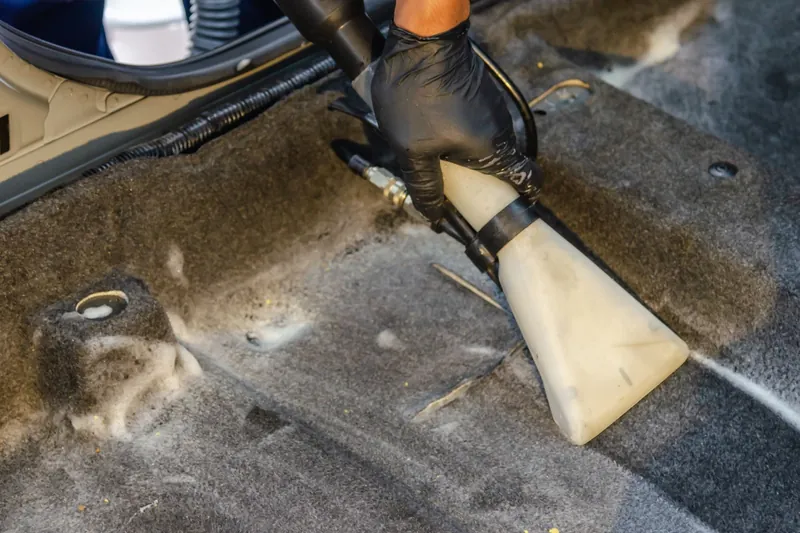
Biohazard carpet and upholstery cleaning, or safe removal when needed.
See biohazard carpet and upholstery cleaning
Approved treatment facilities receive materials for disposal following medical waste removal.
See medical waste removalOrdinary trash is not appropriate for affected items that are sharp, dripping or unsecured. Restrict access while professionals contain the affected items and arrange disposal that follows relevant local and state requirements. Rules can change based on the volume involved, the kind of item, the property setting and the source of the waste.
You need disposable hand protection, material that absorbs the spill and an EPA-registered disinfectant approved on its label for the organism and surface. Every direction matters, including how long the disinfectant stays wet. Never combine cleaning chemicals. For a large spill, sharp objects or blood on porous material, stay out of the area and arrange professional cleanup.
The potential presence of bloodborne pathogens means blood requires infectious-material precautions. Visual inspection cannot show you whether a pathogen is present in blood. That is why protective equipment, cleaning before disinfection, careful packaging and proper waste disposal matter, even when the blood has dried.
The organism involved and its surroundings affect survival time. The CDC says hepatitis B can survive on surfaces for at least seven days. A stain is not necessarily safe because it has dried. Avoid touching it, keep others away and use the same careful cleanup approach used for fresh blood.
Published guides list wide ranges because the scope can vary from one sealed surface to several rooms with porous material removal. This page cites cost-card ranges beginning at $300 and reaching $5,000. You should receive a property-specific evaluation of affected items, needed disposal and included cleaning tasks.
You should keep others back, use disposable gloves and prevent any movement that might spread or splash the blood. An intact nonporous area with a small spill should be cleaned before treatment using an EPA-registered disinfectant for the entire labeled contact time. Blood in carpet, wood, upholstery or cracks calls for professional assessment.
You can request respectful, discreet blood cleanup 24 hours a day, and crews use unmarked vehicles.