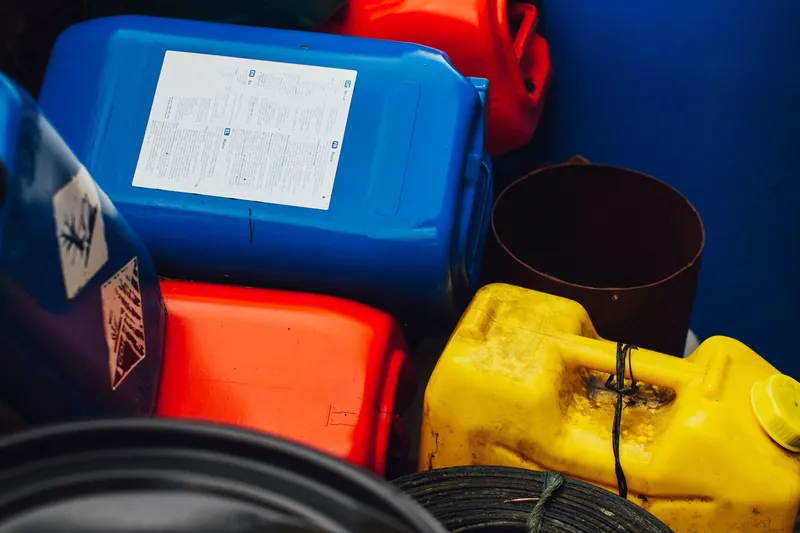
Chemical and Toxic Waste Cleanup
Chemical and toxic waste cleanup and safe disposal.
See chemical and toxic waste cleanupGet hazardous materials, chemical residue and contaminated items assessed and cleaned in Itasca. The hazard is identified first so containment, protective equipment, cleaning and waste disposal fit the material.
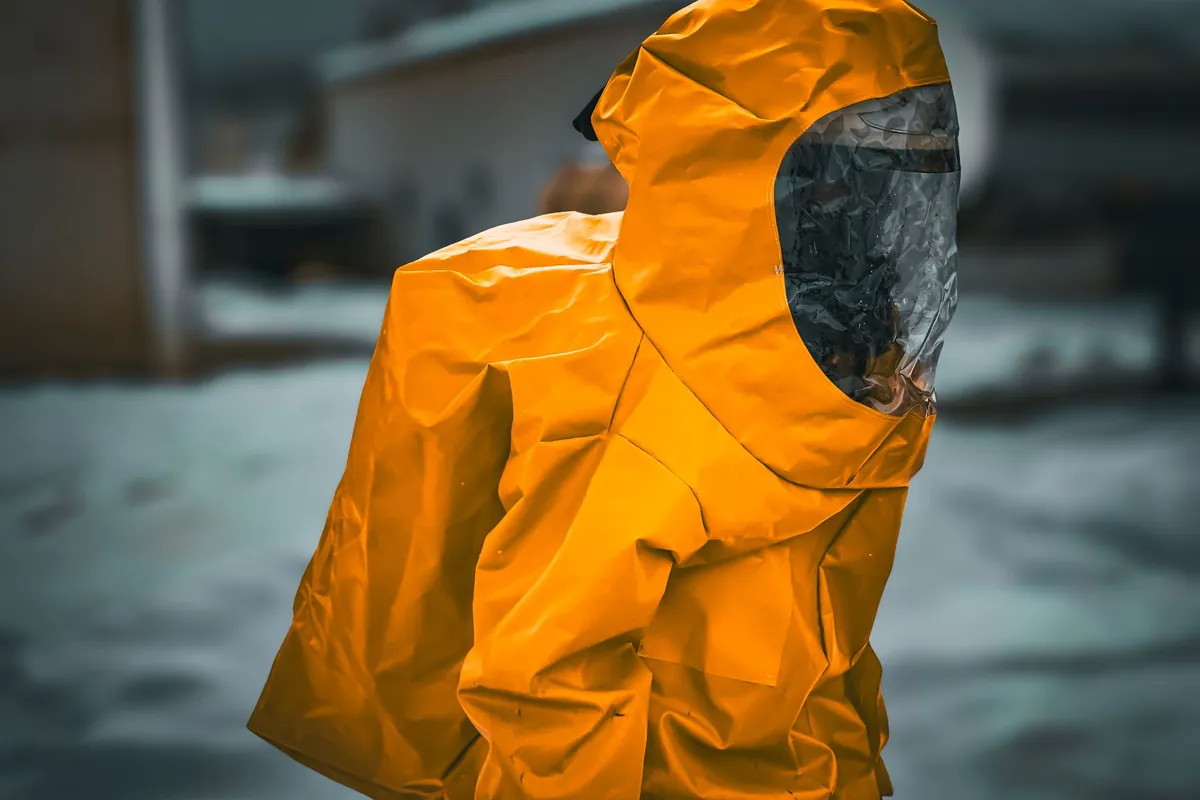
The careful, controlled treatment or removal of hazardous substances is hazmat cleanup. These substances may cause harm to people, the environment or property through fire, exposure by touch, breathing, a reaction or contamination.
Hazmat work can concern toxic waste, spilled chemicals, corrosive material, an unknown powder, residual fuel or biological contamination. Blood and bodily fluids are biological hazards that may contain bloodborne pathogens. With chemicals, the danger may be burns, poisoning, a reaction or harmful vapor. Those distinct dangers require substance-specific products and procedures instead of one standard approach.
The cleanup process begins with information. A product label, Safety Data Sheet, container, incident report or testing may help identify the material. The affected area and surrounding areas are then controlled. Cleanup technicians select protective gear, tools, absorbents and containers that fit the substance. Contaminated materials are cleaned when that can be done safely, or removed for proper waste disposal when they cannot be kept.
The explanation covers confirmed details, unanswered identification questions and planned work for the affected area, helping you decide how to move forward.
Photos, work plans, waste records and inventories of discarded material may support your answers to property managers or insurance companies.
Contents that can be decontaminated are kept apart from absorbent affected materials. When belongings can be touched safely, you help assess contents that matter to you.
Daytime and nighttime calls are answered. Cleanup crews use unmarked vehicles. Your conversation can stay private from people visiting or living nearby.
When routine cleaning might transfer dangerous material to a new surface or expose you to it, hazmat cleaning is needed. Common examples include:
Before anyone touches, moves or reuses tools, machinery or protective equipment, decontamination must be planned for the particular material.
A garage, basement, workshop or storage area contains spilled chemicals, mixed containers or unknown material that ordinary house cleaning should not disturb.
Cleanup involving sharps, blood, bodily fluids or another biological substance requires bloodborne pathogen precautions and differs from a chemical residue plan.
For a warehouse, office, store or managed property, the work may require containment, controlled cleaning and documentation for an insurance company or property owner.
First, stay out of contact with the material and do what is safe to limit its spread. Ahead of professional cleaning:
Call (888) 351-0904For spaces in the small to mid-size category, hazmat cleanup may cost $4,000 to $40,000 for each job, according to the Hazmat Cleaning Cost guide published by One and Done Prep. That source places initial containment and cleaning between $6 and $20 for each square foot. Costs differ widely based on the substance, area size, required containment, disposal of waste, permits and inspections. The final price cannot be determined before an assessment.
Published national cost guides are the source for these ranges, rather than an inspection of your property. You learn what your property will cost after the on-site assessment and before any work begins.
Ask about cost: (888) 351-0904Insurance coverage for hazmat cleanup depends first on whether the policy covers its cause. Payment may then be affected by the deductible, limits and exclusions for contamination.
If there is enough time, find out what documentation your adjuster wants prior to beginning the work. Photos and records showing the scope, waste route and items taken out can help document your insurance claim.
A business or property owner should keep incident details, affected-area photos taken from a safe place, an item inventory and records from the cleanup service.
Give the insurance company the location and known cause of the release. Ask whether cleanup, damaged materials, waste disposal and repairs fall under the policy.
Responsibility for scheduling and payment may be determined by local rules, policy terms, the lease and what caused the incident. Do not agree that you are responsible until the documentation and circumstances have been examined.
The exact cleaning process changes with the material, but professional cleanup follows a controlled order. Every step should keep contamination inside the affected areas and protect clean spaces.
Incident information is considered along with accessible Safety Data Sheets and labels. Crews trace possible movement beyond the affected area and map exposed surfaces before cleanup.
Barriers keep occupants and clean rooms apart from the work area. When contamination could leave its starting point, crews manage openings and pathways that might carry it.
Gloves, clothing, eye protection and respiratory protection are selected for the known hazard and the work being done, not from a one-size-fits-all kit.
Crews stop the source only if doing so is safe. Further movement is restricted with compatible containers, absorbent products or another appropriate control.
Cleanable surfaces and equipment receive a method suited to the contaminant. An EPA-registered disinfectant remains on biological contamination for the entire contact time stated on its label.
Items are isolated, listed and packed for removal if damage or porosity prevents safe cleaning. You help evaluate personal property before disposal whenever conditions make that safe.
Waste is placed in compatible, closed containers and directed to the waste path required for the identified material. Records can support insurance and property files.
The completed work is compared with the defined cleanup scope. You learn what cleanup covered, which materials left the property and whether repairs or additional restoration services remain necessary.

Phone support stays available. Your hazmat cleanup specialist answers the phone, describes what happens next and works with you on a start time.
Hazardous materials can create serious health risks through skin contact, swallowing, puncture or breathing, and the wrong cleaning product can spread the hazard or cause a reaction.
Contamination may travel beneath shelves, past baseboards, along flooring seams or across the inside of a vehicle. Residue can be left in place if you clean only the apparent spill.
Exposure to vapor, liquid or dust can harm your breathing, skin or eyes. The identity and concentration of the material, along with the way contact might happen, determine which protective equipment is suitable.
Used absorbent, damaged contents, disposable protective gear and cleanup water may need a controlled waste path based on what contaminated them.
When a small blood spill is safe to clean yourself. A small spill is not automatically safe. Only when a known spill is controlled and clearly addressed should you rely on its Safety Data Sheet and product label. Keep away from unidentified material or any substance that is highly toxic, spreading or reactive, and seek emergency response for an immediate threat.
The material and the surface decide what can stay. A sealed, compatible surface may be cleaned, while a porous item that absorbed hazardous residue may need removal.
Federal rule 29 CFR 1910.1030 requires training, protective equipment and work practices when employees could encounter blood or material that is potentially infectious.
The product used on biological material should carry EPA registration and remain wet as long as its label specifies for contact. A chemical cannot automatically be made safe by applying disinfectant.
Illinois treats soaked materials from a biohazard scene as potentially infectious medical waste (PIMW). Illinois EPA rules control how it is packed, transported and treated, so it cannot go in household trash.
In Cook County, the Cook County Medical Examiner's Office investigates sudden and unexplained deaths. Cleanup starts after police or the medical examiner release the scene.
A safe, fixed hazmat cleaning timeline cannot be given before the substance, disposal requirements and extent of the affected space are understood. The schedule may also depend on controlling an active danger and completing any necessary inspections, permits or testing.
The full hazmat cleanup guide covers what is cleaned or removed, odor and air quality work, and the rules that apply in Illinois and DuPage County.
Read the full hazmat cleanup guideLocal housing, population and access details can shape containment, access and cleanup planning.
The 30.7% rental share makes it important to identify the decision maker before porous building materials are removed.
Because the median home dates to 1980, cleanup plans should distinguish washable surfaces from absorbent carpet, padding, and wallboard.
With 25.0% of seniors living alone, private cleanup communication may need to include a relative who lives somewhere else.
Housing at 65.7% single-family occupancy calls for flexible cleanup planning rather than assumptions based on one building type.
During your call, ask whether cleanup is available in surrounding communities and ZIP codes.
Chemical and toxic waste cleanup and safe disposal.
See chemical and toxic waste cleanup
Blood, body fluids and other infectious materials are removed, followed by property disinfection.
See biohazard cleanup
A contaminated space is restored to safe use through biological remediation and contaminant removal.
See biohazard remediation
After exposure to infectious or hazardous material, the air, room and surfaces are fully decontaminated.
See biohazard decontamination
Medical waste removal includes disposal through facilities approved for treatment.
See medical waste removal
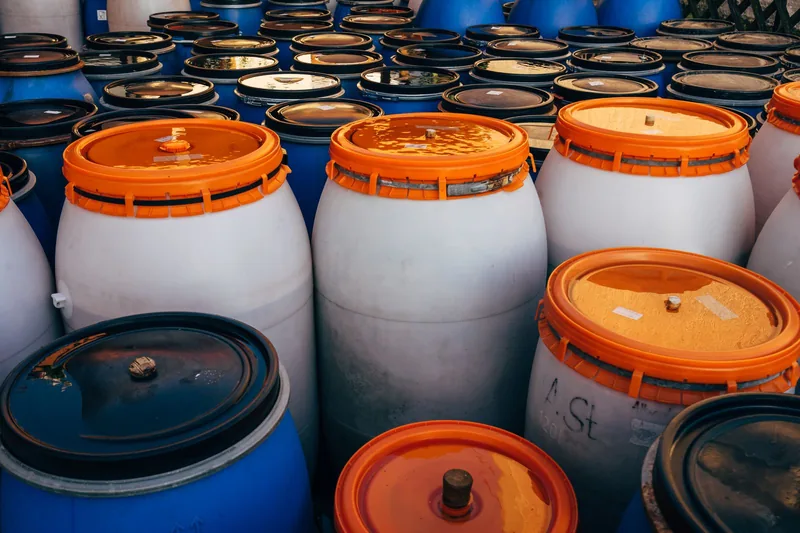
Sealed containers with labels hold biohazard waste during collection and disposal.
See biohazard waste disposal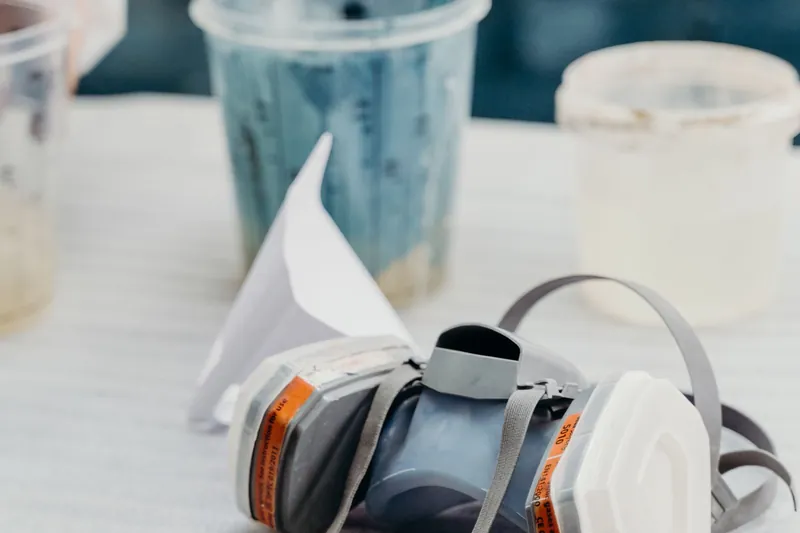
Meth lab cleanup includes testing for residue, decontaminating the space and completing clearance steps.
See meth lab cleanup
Fentanyl is decontaminated from affected surfaces, interior spaces and vehicles after exposure.
See fentanyl decontaminationSometimes. The answer depends on the contaminant, the tool material, seams, electronics and the manufacturer's cleaning limits. Equipment made from compatible, nonporous material may be salvageable. Porous, damaged or inaccessible parts may not be safely cleanable. Wait for the hazard and condition to be evaluated before you move affected equipment or turn it on.
The affected area stays isolated while cleanup technicians select protective gear for the exposure risk. Surface disinfection follows removal of blood or bodily fluids, using an EPA-registered product for its full labeled contact time. Contaminated materials that cannot be cleaned are packaged for the correct waste path under the rules that apply in the area.
Crews need to know what the contaminant is and how far it spread before setting a reliable timeline. When the substance is known and confined to one area, planning is clearer than for contamination across multiple rooms, concealed spaces or a special waste route. The timeline reflects how long hazard identification, containment, cleaning, removal, waste management, repairs and required inspections take.
One and Done Prep's Hazmat Cleaning Cost guide lists $4,000 to $40,000 per job for small to mid-size spaces and $6 to $20 per square foot for initial cleanup and containment. The eventual price reflects how much space is involved and what the work requires for protective equipment, containment, access, disposal, permitting and inspection.
Identify the substance first, without opening, sniffing or mixing it. Use instructions from the label or Safety Data Sheet while making sure everyone stays away. Local regulations and the substance type control where the waste goes. Unless the instructions that apply clearly approve it, never put an unidentified chemical, affected absorbent material or leaking container into your regular trash.
No. You cannot confirm removal of contamination by smell because an odor may fade before residue is gone, while certain harmful substances are barely detectable. Decisions about cleanup need to reflect the substance, exposed materials, defined scope and testing requirements for the incident. Masking a bad odor with fragrance leaves the source in place.
You can request respectful, discreet hazmat cleanup 24 hours a day, and crews use unmarked vehicles.